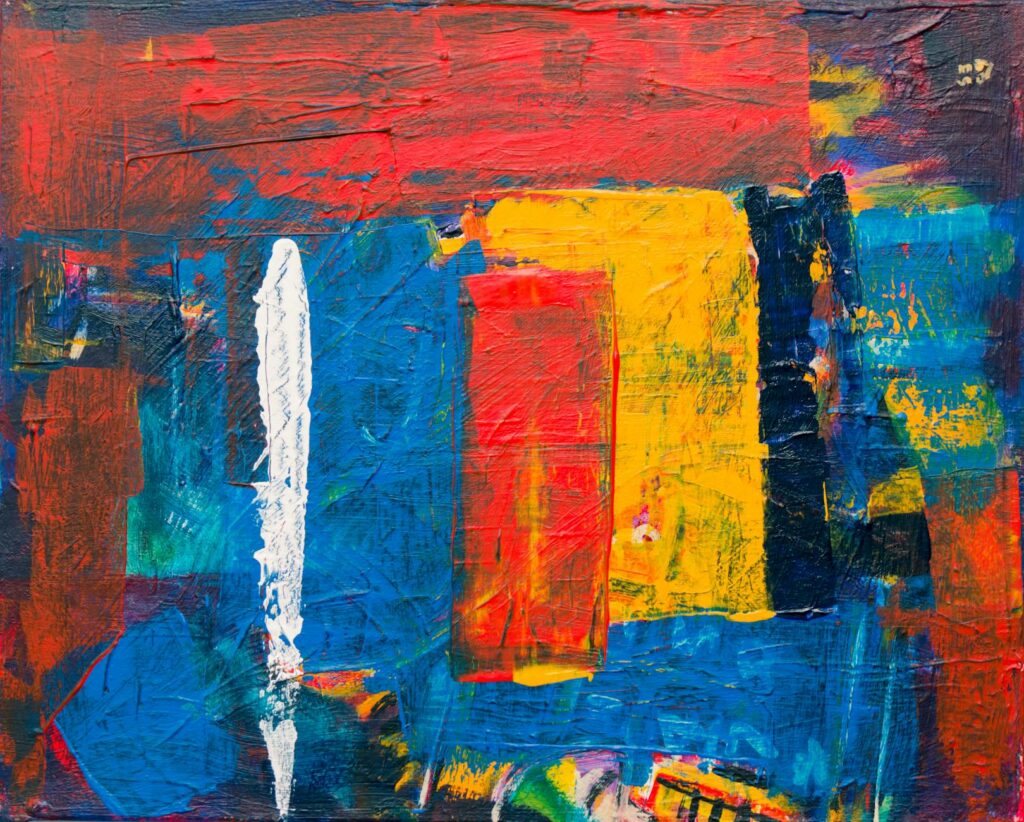
The Evolution of Abstract Expressionism: 1940s to 2026
A common question asked is, “What makes Abstract Expressionism endure?” This art movement, born in the post-war era, didn’t just capture a moment; it redefined artistic expression itself. From its explosive beginnings in the 1940s to its pervasive influence as of May 2026, Abstract Expressionism continues to captivate and challenge us.
Last updated: May 5, 2026
Key Takeaways
- Abstract Expressionism emerged in New York City in the 1940s, marking a shift of the art world’s center from Paris to America.
- It’s broadly divided into two main styles: Action Painting and Color Field painting.
- Key figures like Jackson Pollock, Willem de Mooning, and Mark Rothko developed distinct, influential techniques.
- The movement’s core tenets—spontaneity, emotional intensity, and non-representational forms—continue to inspire artists globall As
- As of 2026, its impact is seen in digital art, installation, and various contemporary painting styles.
What is Abstract Expressionism? The Genesis
Abstract Expressionism burst onto the scene in New York City during the 1940s, a time of immense global upheaval and introspection. It was the first truly American avant-garde movement to achieve international recognition, shifting the art world’s focus from Paris to the United States. This wasn’t just about pretty pictures; it was about raw emotion, individual freedom, and exploring the subconscious. Artists sought to express profound psychological and spiritual themes through non-representational means. This spirit of innovation and personal expression is what laid the groundwork for its lasting appeal.
Think of a young artist, Anya, just starting out in the late 1940s. She’s absorbing the new ideas from Europe but feels a pull towards something more direct, more visceral. She’s not trying to paint a recognizable world; she’s trying to paint the feeling of being alive, the anxiety of the times, the search for meaning. This internal drive propelled the movement forward.
The Two Pillars: Action Painting and Color Field
Within Abstract Expressionism, two dominant styles emerged, each offering a unique approach to artistic expression. Action Painting, perhaps the most famous facet, is characterized by its emphasis on the physical act of painting. Artists like Jackson Pollock and Willem de Kooning used energetic, gestural brushstrokes, drips, and pours to convey a sense of movement and spontaneity. The canvas became an arena for action, and the process itself was an integral part of the artwork’s meaning. Pollock’s drip paintings, for instance, are not just images but records of his body’s dance with the paint.
Contrast this with Color Field painting, championed by artists such as Mark Rothko and Barnett Newman. Here, the focus shifted to large expanses of solid color. These artists aimed to evoke a more contemplative, sublime experience through the immersive power of color. The intention was to envelop the viewer, creating a spiritual or emotional connection through vast, unmodulated fields of hue. Rothko’s iconic multi-hued rectangles, for example, were designed to create an emotional resonance, drawing viewers into a meditative state. The careful placement and interaction of these color fields were paramount to their impact.
Key Figures and Their Innovations
A constellation of powerful shaped the Abstract Expressionist movement artistic personalities. Jackson Pollock, with his revolutionary drip technique, became the embodiment of the “action painter.” His radical approach involved suspending canvases on the floor and dripping, pouring, and flinging paint, creating intricate webs of color and line. This method was not just a stylistic choice but a philosophical statement about the artist’s direct engagement with the medium.
Willem de Kooning brought a more figurative, yet still abstract, intensity to the movement. His “Woman” series, for example, features aggressive brushwork and distorted forms that challenge traditional notions of beauty and representation. Mark Rothko, as mentioned, explored the emotional power of color with his large-scale color field canvases, creating works that aimed for profound emotional and spiritual engagement. Other significant figures include Clyfford Still, whose jagged fields of color conveyed a sense of raw, elemental power, and Robert Motherwell, known for his “Elegy to the Spanish Republic” series, which blended abstraction with themes of conflict and loss.
Abstract Expressionism’s Global Reach and Influence
While rooted in New York, Abstract Expressionism’s influence quickly spread internationally. European artists, grappling with their own post-war realities, found resonance in the movement’s emphasis on personal expression and existential themes. Artists in Canada, Australia, and Latin America also absorbed and adapted its principles, leading to distinct regional interpretations. As of May 2026, the legacy is undeniable. Its impact can be seen in the continued exploration of gestural abstraction, the use of large-scale formats, and the ongoing dialogue between abstraction and emotional content in art worldwide.
Consider the proliferation of artist collectives and online galleries today. Many feature artists who, while not strictly Abstract Expressionists, clearly draw from its wellspring. They might be exploring digital abstraction with similar intensity or using large-scale installations to evoke emotional responses. The core idea—that art can be a direct conduit for feeling and thought, unmediated by literal representation—is more potent than ever.
The Art Market and Abstract Expressionism in 2026
The market for Abstract Expressionist works remains strong. Masterpieces by Pollock, Rothko, and de Kooning continue to command significant prices at auction, reflecting their enduring historical importance and aesthetic appeal. For instance, Pollock’s “Number 17A” sold for approximately $200 million in a private sale, highlighting the immense value placed on these seminal works. While the market for original works by the core artists is specialized and high-end, the broader appreciation for abstract art, heavily influenced by Abstract Expressionism, is widespread.
As of May 2026, there’s a growing interest in lesser-known artists from the period and works that explore the movement’s secondary themes. Galleries and auction houses are increasingly highlighting female artists associated with the movement or those who were influenced by it, expanding the historical narrative. This diversification helps to underscore the movement’s richness and complexity beyond the most famous names. Contemporary artists, too, are engaging with the techniques and emotional depth pioneered decades ago, bringing new life to these artistic dialogues.
Common Misconceptions About Abstract Expressionism
One common misconception is that Abstract Expressionism is simply about random splatters or “childlike” scribbles. In reality, while spontaneity was key, these artists were highly intentional and skilled. Each drip, pour, or brushstroke was often the result of deliberate decisions aimed at conveying specific emotions or ideas. The “action” was controlled, and the “color fields” were meticulously composed. Another misunderstanding is that it was a monolithic movement. As we’ve seen, the distinctions between Action Painting and Color Field, and the unique styles of individual artists, demonstrate significant diversity within the broader label.
A third frequent error is assuming it was solely a male-dominated scene without female contributors. While prominent figures were often men, artists like Lee Krasner, Joan Mitchell, and Helen Frankenthaler were integral to the movement’s development and pushed its boundaries significantly. Recognizing their contributions is vital for a complete understanding.
Tips for Appreciating Abstract Expressionist Art
To truly appreciate Abstract Expressionist art, approach it with an open mind and a willingness to engage emotionally. Instead of looking for recognizable objects, focus on the interplay of colors, lines, textures, and forms. Consider the energy and movement conveyed by the brushwork or the mood evoked by the colors. Spend time with a piece; allow yourself to be immersed in it. Think about the context of its creation—the post-war era, the search for new artistic languages, and the personal struggles of the artists. Visiting galleries that have dedicated Abstract Expressionist collections, like the Museum of Modern Art (MoMA) or the Whitney Museum of American Art in New York, offers a fantastic opportunity for deep dives.
For those looking to collect or invest, understand that provenance and condition are paramount. While the market for the masters is exclusive, there are emerging contemporary artists inspired by the movement whose work offers more accessible entry points. Researching auction records and consulting with reputable art advisors can be invaluable. The key is to connect with the art on a personal level, understanding that its value lies not just in its aesthetic appeal or monetary worth, but in its power to communicate profound human experience.
Pros
- Pioneered a distinctly American artistic voice on the global stage.
- Emphasized individual expression, spontaneity, and emotional depth.
- Introduced innovative techniques like drip painting and large-scale color fields.
- Continues to inspire and influence contemporary artists across various mediums.
Cons
- Can be challenging for viewers accustomed to representational art.
- The primary market for major artists is extremely exclusive and expensive.
- Some works may be perceived as less accessible due to their abstract nature.
Frequently Asked Questions
What are the main characteristics of Abstract Expressionism?
Abstract Expressionism is known for its non-representational forms, emphasis on spontaneous gesture, emotional intensity, and exploration of subconscious themes. It often features large canvases, dynamic brushwork (Action Painting), or vast areas of color (Color Field painting).
Who are the most famous Abstract Expressionist artists?
The most celebrated figures include Jackson Pollock, Willem de Kooning, Mark Rothko, Barnett Newman, Clyfford Still, and Robert Motherwell. Women artists like Lee Krasner and Joan Mitchell also made significant contributions.
How did Abstract Expressionism differ from earlier art movements?
Unlike earlier movements focused on representation or strict formalism, Abstract Expressionism prioritized individual psychological expression, existential themes, and the physical process of creation, marking a shift towards subjective experience.
Is Abstract Expressionism still relevant in 2026?
Absolutely. Its emphasis on emotional truth, innovative techniques, and the artist’s personal mark continues to resonate. Contemporary artists draw inspiration from its boldness, adapting its principles to new mediums and cultural contexts.
What is the difference between Action Painting and Color Field painting?
Action Painting emphasizes the physical act of painting through energetic gestures, drips, and pours, as seen in Pollock’s work. Color Field painting focuses on large, flat areas of color to create a contemplative, immersive experience, exemplified by Rothko.
How is Abstract Expressionism valued today?
The market for major Abstract Expressionist works remains very strong, with record-breaking sales for pieces by Pollock and Rothko. As of May 2026, there’s also a growing appreciation for secondary artists and its broader influence on contemporary abstract art.
Last reviewed: May 2026. Information current as of publication; pricing and product details may change.
Source: Britannica
Editorial Note: This article was researched and written by the Afro Literary Magazine editorial team. We fact-check our content and update it regularly. For questions or corrections, contact us. Knowing how to address The Evolution of Abstract Expressionism: 1940s to 2026 early makes the rest of your plan easier to keep on track.