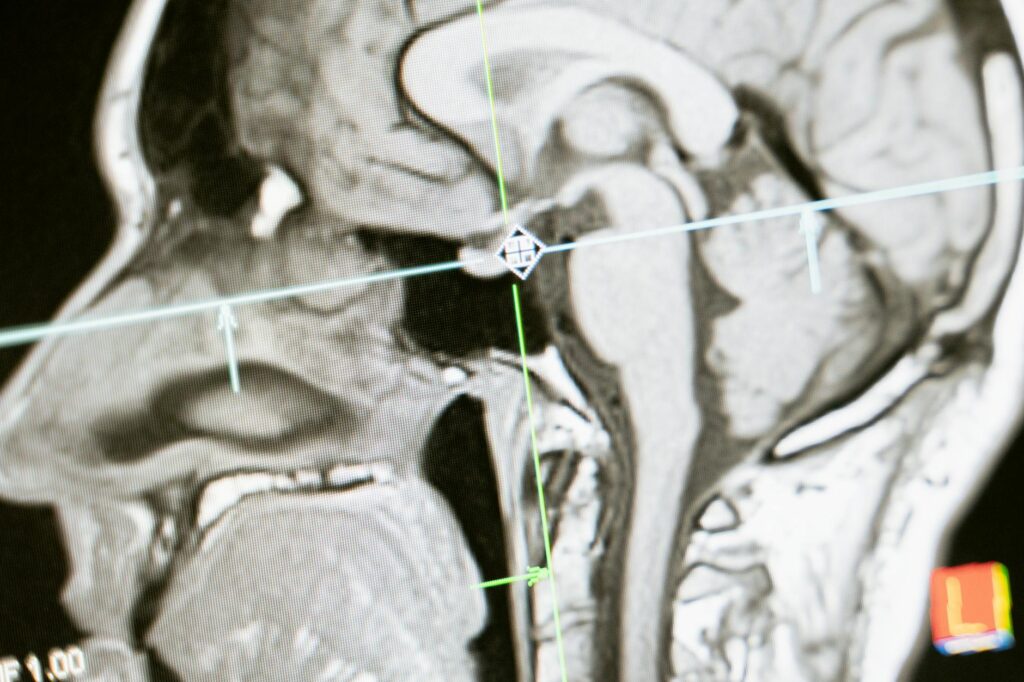
Why Do We Get Angry? The Brain’s Hidden Blueprint for Aggression
This guide covers everything about The Neurological Basis of Aggression: Brain Regions and Neurotransmitters. A common question people ask is why some individuals struggle more with aggressive impulses than others. As of May 2026, our understanding of aggression’s roots is deeper than ever, pointing not just to external triggers but to intricate biological processes within the brain.
Last updated: May 5, 2026
The neurological basis of aggression: brain regions and neurotransmitters are key players. It’s a fascinating, albeit complex, area of study that sheds light on why we react the way we do under stress or provocation.
The Brain’s Command Center: Key Regions Involved in Aggression
When we talk about aggression, several brain areas come to mind, each with a distinct role. The limbic system, often referred to as the brain’s emotional center, is a primary focus. Within this system, the amygdala stands out.
The amygdala is our brain’s alarm system. It’s involved in processing emotions like fear and anger, and it plays a critical role in triggering our fight-or-flight response. When the amygdala is overactive or deregulated, it can lead to exaggerated emotional reactions and increased aggression.
From a different angle, consider the prefrontal cortex (PFC). This is the brain’s CEO – responsible for executive functions like decision-making, impulse control, and social behavior. A well-functioning PFC can inhibit aggressive urges originating from the amygdala. When the PFC is underdeveloped or damaged, impulse control can be severely compromised, making aggressive outbursts more likely.
What this means in practice: If someone’s amygdala is easily triggered and their prefrontal cortex isn’t effectively dampening that response, they might lash out quickly. Conversely, a balanced interplay between these regions usually leads to more measured reactions.
Chemical Messengers: Neurotransmitters and Their Role in Aggression
Beyond brain structures, the chemical messengers, or neurotransmitters, are vital. These tiny molecules transmit signals between nerve cells. Imbalances in key neurotransmitters are strongly linked to aggressive behavior.
Serotonin is perhaps the most well-known. Often dubbed the ‘feel-good’ chemical, serotonin is crucial for mood regulation, impulse control, and reducing anxiety. Low levels of serotonin are consistently associated with increased aggression and impulsivity, according to numerous studies, including research synthesized as of 2026.
Dopamine, another key neurotransmitter, is associated with reward, motivation, and pleasure. While not directly causing aggression, its complex relationship with serotonin and its role in reward-seeking behavior can indirectly influence aggression, especially in contexts involving competition or seeking status.
Other neurotransmitters like GABA (gamma-amino butyric acid), an inhibitory neurotransmitter that calms the nervous system, and norepinephrine, involved in the stress response, also play roles. When these chemical balances are off, the brain’s ability to manage emotional responses and control impulses can be significantly impaired.
The Hormonal Influence: Testosterone, Cortisol, and Aggression
The neurological basis of aggression isn’t solely about brain regions and neurotransmitters; hormones are critical players too. Hormones act as chemical messengers throughout the body, influencing mood, behavior, and stress responses.
Testosterone, often associated with masculinity, is frequently linked to aggression. While research as of May 2026 confirms a correlation, it’s not a simple cause-and-effect. Testosterone levels can rise in response to perceived challenges or during competitive situations, potentially amplifying aggressive behaviors, but it’s more about dominance and social status than pure aggression.
Cortisol, the primary stress hormone, has a more complex relationship. While acute stress can trigger aggressive responses via the fight-or-flight system, chronic stress and elevated cortisol levels can sometimes lead to a dampening of the stress response, which might paradoxically affect impulse control and emotional regulation, indirectly influencing aggression.
Understanding these hormonal influences helps explain why situational factors and an individual’s physiological state can significantly impact their propensity for aggression. It highlights the interconnectedness of our entire biological system.
When Brains Differ: Genetic and Environmental Interactions
So, if the brain is the seat of aggression, why do some people exhibit it more than others? The answer lies in the complex interplay between genetics and environment. We don’t inherit aggression directly, but we can inherit predispositions.
Certain genetic variations can affect the structure and function of brain regions involved in aggression, or influence the production and regulation of neurotransmitters like serotonin. For instance, variations in genes related to serotonin transporters have been linked to increased risk-taking and impulsivity.
However, genes are not destiny. Environmental factors play a monumental role. Adverse childhood experiences (ACEs), such as abuse, neglect, or exposure to violence, can profoundly alter brain development, particularly impacting the amygdala and prefrontal cortex. According to the CDC, higher ACE scores are linked to a greater likelihood of engaging in aggressive behavior later in life.
Social learning also contributes significantly. Observing aggressive behavior modeled by parents, peers, or in media can teach individuals that aggression is an acceptable or effective way to solve problems. This is a key aspect of understanding the neurological basis of aggression: it’s not just about what’s inside the brain, but how the brain develops and learns within its environment.
Managing Aggression: Practical Strategies Informed by Neuroscience
Knowing the neurological basis of aggression: brain regions and neurotransmitters is powerful, but what can we do with this information? The good news is that our brains are adaptable, and understanding these mechanisms can guide effective strategies for managing aggressive tendencies.
Mindfulness and Stress Management: Practices like mindfulness meditation can help strengthen the prefrontal cortex’s ability to regulate emotional responses. By focusing on the present moment, individuals can learn to recognize aggressive urges without immediately acting on them. Techniques to manage stress, such as deep breathing exercises or physical activity, can help prevent the amygdala from becoming overstimulated.
Cognitive Behavioral Therapy (CBT): CBT is a highly effective therapeutic approach. It helps individuals identify negative thought patterns that trigger anger and aggression, and teaches them new, healthier coping mechanisms. As of 2026, CBT remains a cornerstone in treating aggressive behavior disorders.
Lifestyle Adjustments: Maintaining a balanced diet, getting adequate sleep, and engaging in regular exercise can support overall brain health and neurotransmitter balance. Limiting exposure to violent media and seeking out positive social interactions can also mitigate environmental influences.
Seeking Professional Help: For persistent or severe aggression, consulting a mental health professional is crucial. Therapists can provide personalized strategies, and in some cases, medication might be considered to address underlying neurotransmitter imbalances, though this is typically a last resort.
The Complex Web: Aggression in Context
A single factor rarely causs it’s vital to remember that aggression. The neurological basis of aggression: brain regions and neurotransmitters, are part of a larger, interconnected web that includes psychological, social, and situational elements. For instance, someone might have a genetic predisposition, live in a stressful environment, and experience a significant life event, all converging to trigger aggressive behavior.
Understanding this complexity prevents oversimplification. Attributing aggression solely to ‘bad wiring’ or ‘chemical imbalance’ ignores the crucial role of personal agency, learning, and the context in which behavior occurs. Conversely, dismissing the biological underpinnings in favor of purely environmental explanations is also incomplete.
The field of behavioral neuroscience continues to uncover more about these intricate connections. As our knowledge grows, so to do our abilities to support individuals struggling with aggression, fostering healthier emotional regulation and more positive social interactions.
Frequently Asked Questions
What are the primary brain regions associated with aggression?
The primary brain regions linked to aggression are the amygdala, which processes emotions like fear and anger, and the prefrontal cortex, which is responsible for impulse control and decision-making. Dysregulation in either can contribute to aggressive behavior.
How do neurotransmitters like serotonin and dopamine influence aggression?
Low serotonin levels are associated with increased impulsivity and aggression. Dopamine, while linked to reward, can indirectly influence aggression through its role in motivation and competitive behaviors, particularly when imbalanced with other neurotransmitters.
Can genetics play a role in aggressive tendencies?
Yes, genetics can play a role by influencing brain structure, neurotransmitter production, and hormonal responses. However, environmental factors are equally, if not more, important in shaping how these genetic predispositions manifest as behavior.
What is the role of the amygdala in aggression?
The amygdala acts as the brain’s threat detector and emotional processor. When overactivated, it can trigger a strong fight-or-flight response, leading to heightened feelings of anger and potential aggressive actions.
How can understanding brain regions help manage aggression?
Understanding that aggression involves specific brain circuits, like the amygdala and prefrontal cortex, highlights that it’s a biological process that can be influenced. This knowledge supports interventions like mindfulness and CBT, which aim to improve the functioning and regulation of these brain areas.
Are there specific hormones linked to aggression?
Testosterone is often linked to aggression, potentially amplifying behaviors related to dominance and competition. Cortisol, the stress hormone, also plays a role, though its effects can be complex, sometimes dampening responses with chronic exposure.
Moving Forward with Understanding
The neurological basis of aggression: brain regions and neurotransmitters reveals a sophisticated biological system at play. By understanding these intricate mechanisms—the amygdala’s alarm, the prefrontal cortex’s control, the delicate balance of neurotransmitters like serotonin and dopamine, and the influence of hormones—we gain valuable insight into why aggressive behaviors occur.
Practically speaking, this knowledge empowers us. It moves us beyond judgment towards understanding and effective intervention. The actionable takeaway for you is to prioritize self-awareness and employ stress-management techniques daily, recognizing that even small efforts to regulate your internal state can have a significant impact on your outward behavior.
Last reviewed: May 2026. Information current as of publication; pricing and product details may change.
Source: Britannica
Related Articles
- Qawerdehidom: Digital Brand Shaping Engagement in 2026
- Youth Baseball Pitching Safety: Protecting Young Arms in 2026
- Cybersecurity Careers in Government: Protecting Critical
Editorial Note: This article was researched and written by the Afro Literary Magazine editorial team. We fact-check our content and update it regularly. For questions or corrections, contact us. Knowing how to address The Neurological Basis of Aggression: Brain Regions and Neurotransmitters early makes the rest of your plan easier to keep on track.