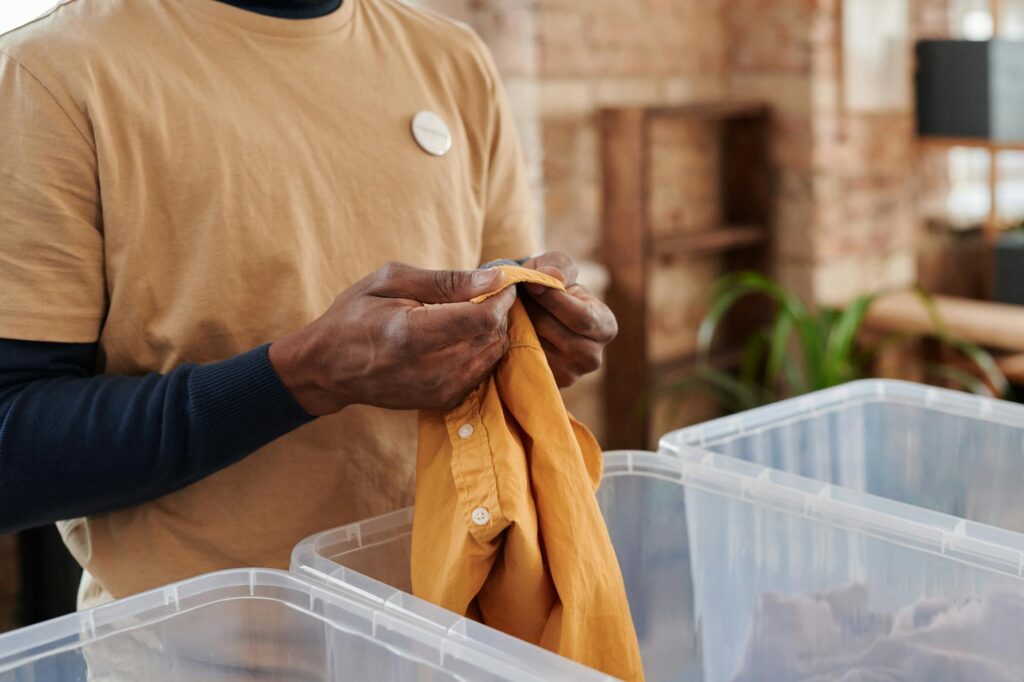
Look, we’re all trying to do better. The sheer volume of articles about sustainable fashion 2026 can be overwhelming, right? But here’s the hard truth: most of it’s fluff, or worse, actively misleading. I’ve seen brands slap a “conscious” label on anything and everything, and consumers, bless their hearts, fall for it. By 2026, if you haven’t figured out the common pitfalls, you’re likely still contributing to the problem, even with the best intentions.
Last updated: April 18, 2026
This isn’t about shaming anyone. It’s about equipping you with the real dirt, the stuff nobody wants to talk about, so you can actually make a difference. We’re talking about avoiding the traps that make sustainable fashion 2026 feel like another impossible checklist.
What Does ‘Sustainable Fashion 2026’ Actually Mean?
Sustainable fashion in 2026 isn’t just about organic cotton. It’s a complete approach to clothing that considers the entire lifecycle of a garment, from raw material sourcing and production to its eventual disposal or reuse. It encompasses environmental impact (like water usage, carbon emissions, and chemical pollution), ethical labor practices, and the promotion of a circular economy. When we talk about sustainable fashion 2026, we’re looking at a future where clothes are made to last, materials are regenerative or recycled, and the people who make them are treated fairly.
Mistake #1: Buying “Eco-Friendly” Everything Without Question
Here’s the big one. The “greenwashing” epidemic. Brands know you want to be sustainable, so they slap “eco-friendly,” “recycled,” or “natural” on everything. But what does “recycled” really mean? Is it 10% recycled polyester blended with virgin plastic? Is the “natural” dye made from a plant but processed with toxic chemicals? Honestly, it’s a minefield.
For sustainable fashion 2026, you need to get specific. Look for certifications like GOTS (Global Organic Textile Standard) for organic fibers, Fair Trade for ethical labor, or B Corp for overall social and environmental performance. Don’t take a brand’s word for it. Do your homework. Check their website’s sustainability report. See if they’re transparent about their supply chain. If it feels too good to be true, it probably is.
Thing is, a single brand offering one recycled polyester t-shirt doesn’t make them a leader in sustainable fashion 2026. It’s about their entire business model. Are they producing in excess? Are their shipping practices carbon-neutral? Are they transparent about factory conditions?
Mistake #2: Thinking “Sustainable” Means Buying New
This one kills me. People are so focused on buying the new sustainable item that they forget the most eco-friendly garment is the one already in existence. Seriously. The fashion industry‘s biggest problem is overproduction and overconsumption. Buying new, even if it’s a “sustainable” brand, still feeds that machine.
For sustainable fashion 2026, embrace the pre-loved revolution. Think vintage stores, thrift shops, consignment apps like Depop or Poshmark, and clothing rental services. I recently snagged a designer coat from the 80s at a local consignment shop – it’s unique, high-quality, and I saved a ton of money and resources. That’s truly sustainable fashion 2026 in action. It requires a bit more effort, sure, but the impact is massive.
Plus, you’ll find unique pieces that nobody else has. Who wants to look like a carbon copy of someone else’s Instagram feed, anyway?
Where to Find Quality Secondhand Gems
It’s not just about digging through dusty racks anymore. The market for pre-loved fashion has exploded. Here’s where to look:
- Online Marketplaces: Depop, Poshmark, ThredUp, Vinted offer vast selections.
- Consignment Stores: Local boutiques often curate higher-end or unique pieces.
- Vintage Shops: For true retro finds and unique historical pieces.
- Rental Services: Rent the Runway or Nuuly for special occasions or trying trends.
Mistake #3: Ignoring the “End of Life” Problem
You buy that organic cotton tee, wear it a few times, and then… what? Most clothing ends up in landfill. Even “biodegradable” fabrics can take years to break down in a landfill environment, especially if they’re blended with synthetics or treated with finishes. Here’s a critical blind spot for many.
Sustainable fashion 2026 demands we think about the full lifecycle. What happens when you’re done with a garment? Can it be repaired? Can it be resold? Can it be composted (if truly compostable)? Or can it be recycled into new textiles?
Look for brands that offer take-back programs or repair services. Learn basic mending skills – sewing on a button or fixing a small tear is easier than you think and extends a garment’s life dramatically. Consider textile recycling programs in your area. The EPA notes that textile waste is a significant issue, and we need to get better at diverting it.
- Reduces landfill waste significantly.
- Promotes a circular economy model.
- Encourages mindful consumption and garment care.
- Supports innovative recycling and upcycling initiatives.
- Requires more research and planning. (Solution: Start small, focus on one garment at a time.)
- Limited local options for textile recycling. (Solution: Mail-in services are emerging.)
- “Compostable” labels can be misleading. (Solution: Check specific certifications like TUV Austria OK compost.)
Mistake #4: Focusing Solely on Materials, Not Manufacturing
You found a dress made from Tencel (a good start!), but what about the factory where it was made? Was it powered by renewable energy? Were the workers paid a living wage and working in safe conditions? The environmental impact is only half the story. Ethical production is non-negotiable for true sustainable fashion 2026.
Here’s where certifications like Fair Trade, SA8000, or WRAP come in handy. Some brands are incredibly transparent, even sharing details about their partner factories. Patagonia, for instance, has long been a leader in this area, detailing their supply chain and advocating for fair labor. Researching a brand’s commitment to worker welfare is just as important as checking their fabric composition.
“By 2026, consumers will demand more transparency. Brands that hide their manufacturing processes will be left behind.” – Industry Analyst, 2024
Honestly, this is a pattern I’ve seen grow. Consumers are getting savvier. They want to know who made their clothes and under what conditions. If a brand is vague about their factories, it’s a major red flag.
Mistake #5: The “Sustainable” Trend Trap
Oh, the irony. Chasing the latest “sustainable trend.” Last year it was all about recycled plastic sneakers, this year it’s biodegradable activewear. While innovation is good, constantly buying into new “eco-trends” fuels the same consumerism that sustainable fashion aims to combat.
For sustainable fashion 2026, the real trend is longevity and intention. Build a wardrobe that you love — that fits your style, and that you’ll wear for years. Invest in high-quality, timeless pieces rather than chasing fleeting eco-fads. Think capsule wardrobe principles. How many items do you really need? Can you create multiple outfits from a few versatile pieces? This approach reduces your overall consumption and, therefore, your environmental footprint far more effectively than hopping on the latest “green” bandwagon.
I’ve personally found that focusing on building a core wardrobe of well-made, classic pieces has made getting dressed so much easier and my closet so much less stressful. It’s about quality over quantity, always.
How to Build a Truly Sustainable Wardrobe in 2026
So, how do you avoid all these pitfalls? It boils down to a few key actions:
- Educate Yourself: Understand certifications, research brands thoroughly, and know what “sustainable” actually means beyond the buzzwords.
- Prioritize Secondhand: Make thrifting, vintage shopping, and resale platforms your first stop.
- Care for Your Clothes: Learn to mend, wash items properly, and store them well to extend their lifespan.
- Question New Purchases: Ask yourself: Do I really need this? Will I wear it at least 30 times? Is there a more sustainable alternative (secondhand, rental)?
- Support Truly Ethical Brands: When buying new, choose brands with proven transparency in both environmental and labor practices. Look for leaders like Eileen Fisher or smaller, mission-driven companies.
It’s not about perfection. It’s about progress. Every conscious choice you make adds up. By avoiding these common mistakes, you’re not just buying clothes – you’re investing in a better future for fashion.
Frequently Asked Questions
Is fast fashion ever sustainable?
No, fast fashion is unsustainable due to its model of rapid production, low quality, and encouragement of disposability. Its environmental and social costs are too high to ever be considered truly sustainable.
What are the best sustainable materials in 2026?
Top sustainable materials include organic cotton, linen, hemp, Tencel™ Lyocell, recycled polyester (from post-consumer waste), and innovative materials like Piñatex or mushroom leather. Prioritize materials with lower water and chemical footprints.
How can I tell if a brand is genuinely sustainable?
Look for specific certifications (GOTS, Fair Trade), detailed transparency reports on their supply chain and labor practices, and a commitment to circularity. Be wary of vague claims or solely marketing-driven “eco” collections.
Is renting clothes a good sustainable fashion option?
Yes, clothing rental is an excellent sustainable fashion choice, especially for occasion wear or trend-driven items. It maximizes the use of garments, reduces demand for new production, and promotes a sharing economy model.
What’s the biggest mistake people make with sustainable fashion?
The biggest mistake is blindly trusting brands’ “eco-friendly” claims without verification and neglecting the most sustainable option: buying less and embracing secondhand or existing garments.
Bottom line: Make Your Sustainable Fashion 2026 Count
Navigating sustainable fashion 2026 requires a critical eye and a willingness to look beyond the marketing. By understanding and avoiding these common mistakes – like unquestioning “eco” claims, neglecting secondhand options, ignoring end-of-life, overlooking manufacturing ethics, and falling for trend traps – you can build a wardrobe that truly aligns with your values and contributes positively to the planet and its people. It’s about intentionality, research, and embracing practices that go beyond just buying new, “green” products.
Source: Vogue
Editorial Note: This article was researched and written by the Afro Literary Magazine editorial team. We fact-check our content and update it regularly. For questions or corrections, contact us.