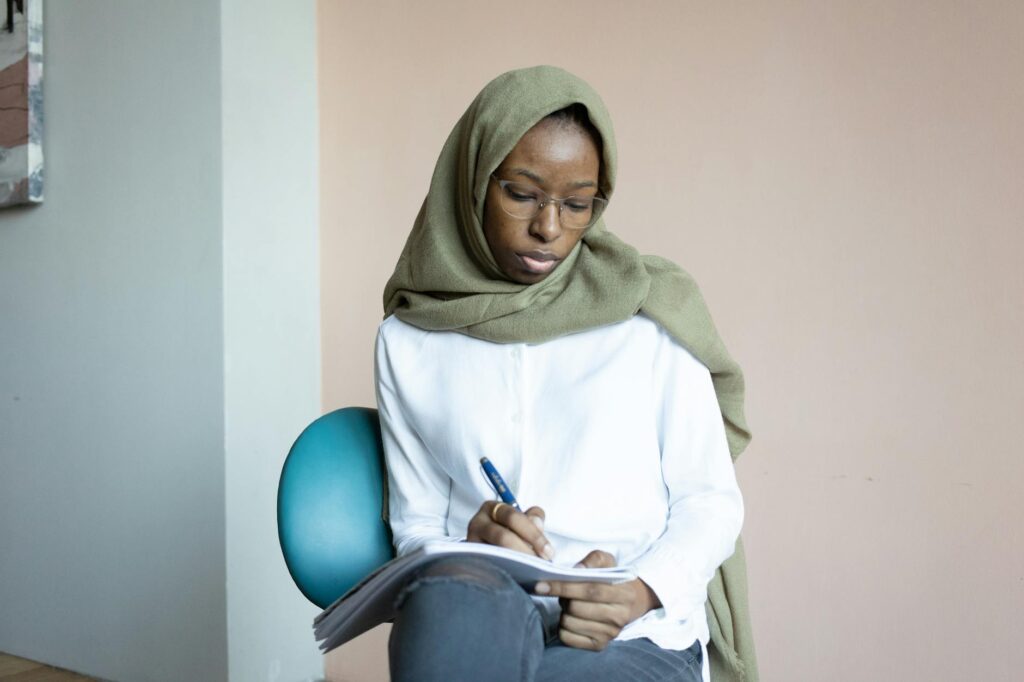
Black Women Writers: Shaping Literary Worlds in 2026
As of April 2026, the literary world is undeniably richer and more complex thanks to the enduring and evolving contributions of black women writers. Their voices are not merely present; they are actively shaping narratives, challenging conventions, and illuminating the complex experiences of the African diaspora and beyond. This vibrant cohort continues to push boundaries across genres, from gripping historical fiction to introspective poetry and insightful essays, offering perspectives that are both deeply personal and universally resonant.
Last updated: May 1, 2026
- Black women writers are key in shaping contemporary literature in 2026, offering diverse and essential perspectives.
- Their works span genres, from poetry and fiction to essays, reflecting rich cultural and personal experiences.
- Supporting these authors amplifies marginalized voices and enriches the global literary conversation.
- Understanding their literary activism reveals how writing can drive social and cultural change.
The Evolving world of Black Women’s Literature
The world of literature produced by black women is in constant flux, evolving from its foundational roots to encompass a dazzling array of styles and themes. Today, in 2026, we see a powerful intergenerational dialogue at play. Elder stateswomen continue to influence, while a new generation of emerging authors brings fresh perspectives and innovative storytelling techniques. This dynamic interplay ensures the continued relevance and dynamism of black women’s literary output.
For instance, consider the enduring legacy of Toni Morrison, whose Nobel Prize-winning work set a precedent. Contemporary authors like Brit Bennett, author of “The Vanishing Half,” explore themes of race, identity, and family with remarkable nuance, drawing on but also diverging from historical literary traditions. This evolution speaks to the genre’s adaptability and its capacity to engage with modern complexities.
Narrative Power and Cultural Representation
Black women writers wield immense narrative power, using their craft to reclaim stories, challenge stereotypes, and offer authentic portrayals of Black life. Their work often serves as a crucial counterpoint to dominant cultural narratives, providing representation that has historically been scarce or distorted in mainstream media and literature.
An example is the rise of Afrofuturism, a genre significantly advanced by black women writers like N.K. Jemison. Her “Broken Earth” trilogy, which won three consecutive Hugo Awards for Best Novel, explores complex societal structures and themes of oppression through a science-fiction lens. This demonstrates how speculative fiction can be a powerful vehicle for social commentary and cultural critique.
Literary Activism and Social Change
Many black women writers are not just storytellers; they are also powerful literary activists. Their writing often engages directly with social and political issues, aiming to provoke thought, foster empathy, and inspire action. This commitment to using literature as a tool for change is a hallmark of many contemporary black women’s literary works.
Consider the impact of poets like Amanda Gorman, whose inauguration poem “The Hill We Climb” in 2026 became a global phenomenon. Her work, like that of many contemporary black women poets, uses verse to articulate national aspirations, address historical injustices, and call for collective progress. According to the Poetry Foundation, poets have historically been at the forefront of social movements, a role that continues today.
Exploring Diverse Genres: Beyond Fiction
While fiction often takes center stage, black women writers are making significant contributions across all literary genres. Their expertise and unique perspectives enrich poetry, memoir, essays, historical analysis, and even genre fiction like thrillers and romance.
For instance, Roxane Gay’s essays in “Bad Feminist” offer sharp, often humorous, and deeply personal reflections on culture, feminism, and identity. In poetry, Terrance Hayes and poets like Elizabeth Alexander showcase the profound emotional and intellectual depth found in contemporary black verse. The exploration of diaspora experiences by writers like Eldridge Danticat further broadens the scope.
The Business of Black Women’s Literature
The economic landscape for black women writers is complex. While visibility has increased, financial sustainability remains a challenge for many. As of April 2026, publishing houses are increasingly recognizing the market potential, yet disparities persist. Supporting these authors directly is more crucial than ever for fostering a thriving literary ecosystem.
According to a 2024 industry report by [Publishers Weekly](https://www.publishersweekly.com/), books by authors of color, including black women, show strong sales trends, but representation within major publishing houses still lags. This highlights the ongoing need for readers to actively seek out and purchase their work.
Mistakes to Avoid When Engaging with Black Women’s Literature
Readers and aspiring writers can make common missteps when engaging with or discussing the work of black women writers. One significant error is homogenizing their experiences; black women are not a monolith, and their narratives are as diverse as their backgrounds.
Another mistake is expecting their work to solely serve as educational tools on race or identity. While many authors address these themes, their primary goal is often artistic expression and storytelling. Additionally, failing to acknowledge the historical context of racism and sexism that has often impacted their careers and reception is a disservice. As established by literary scholars like Dr. Brittney Cooper in her work “Beyond Respectability” (2017), the struggle for recognition has been a long and arduous one for black women intellectuals.
Solution: Approach each author and work as a unique artistic creation. Seek out diverse voices within black women’s literature, and be mindful of the historical context that shapes their literary journeys. Read critically and with an open mind, valuing the art for its own sake while also appreciating its cultural significance.
Tips for Supporting Black Women Writers
Supporting black women writers in 2026 goes beyond simply reading their books. It involves active engagement and advocacy within the literary community. One impactful way is to champion their work within your own social circles.
Actionable Tips:
- Buy their books: Prioritize purchasing works by black women authors. This directly supports their careers and sends a message to publishers about market demand.
- Review and recommend: Leave reviews on retail sites and Goodreads. Share their books on social media using relevant hashtags like #BlackWomenWriters or #OwnVoices.
- Attend events: Support readings, book signings, and literary festivals featuring black women writers. Engage with them respectfully during Q&A sessions.
- Advocate for inclusion: Encourage bookstores and libraries to stock and promote works by black women. Support literary organizations dedicated to promoting their voices, such as [The Black Literary & Arts Festival](https://www.blacklitarts.org/about-us).
- Read across genres: Explore the breadth of their writing, from poetry and essays to children’s literature and speculative fiction.
Frequently Asked Questions
Who are some foundational black women writers?
Foundational figures include Zora Neale Hurston, known for “Their Eyes Were Watching God,” and Maya Angelou, whose “I Know Why the Caged Bird Sings” remains a seminal work. Their pioneering efforts paved the way for many contemporary voices.
What are some recent-acclaimed books by black women writers?
As of April 2026, recent acclaimed works include “The Heaven & Earth Grocery Store” by James McBride and authors like Akwaeke Emezi continue to produce critically lauded novels that push genre boundaries.
How can I discover new black women writers?
Follow literary journals, book review sites, and social media accounts dedicated to black literature. Engage with online communities and ask for recommendations. Many literary prizes also spotlight emerging talents.
Why is it important to support black women writers?
Supporting black women writers is vital for diversifying literary perspectives, preserving cultural heritage, and challenging systemic underrepresentation. Their unique voices enrich our understand of the world and foster empathy.
What is literary activism in the context of black women writers?
Literary activism involves using writing and literary platforms to advocate for social, political, and cultural change. Many black women writers engage in this by addressing social injustices, promoting equality, and amplifying marginalized voices through their work and public platforms.
Are there specific literary movements associated with black women writers?
While not confined to single movements, black women writers have been central to or significantly influenced movements like the Harlem Renaissance, the Black Arts Movement, and contemporary waves of feminist and Afrofuturist literature.
The Ongoing Resonance of Their Stories
The work of black women writers is not a niche interest; it’s essential to understanding the full spectrum of human experience. Their narratives, crafted with skill and passion, continue to expand our literary horizons and challenge our perspectives. In 2026, their voices are more critical than ever.
Actionable Takeaway: Make a conscious effort this month to read at least one book by a black woman writer you haven’t encountered before, and share your thoughts about it with someone else.
Editorial Note: This article was researched and written by the Afro Literary Magazine editorial team. We fact-check our content and update it regularly. For questions or corrections, contact us.
Related read: The Art of Screenwriting: Crafting Compelling TV Scripts in 2026.