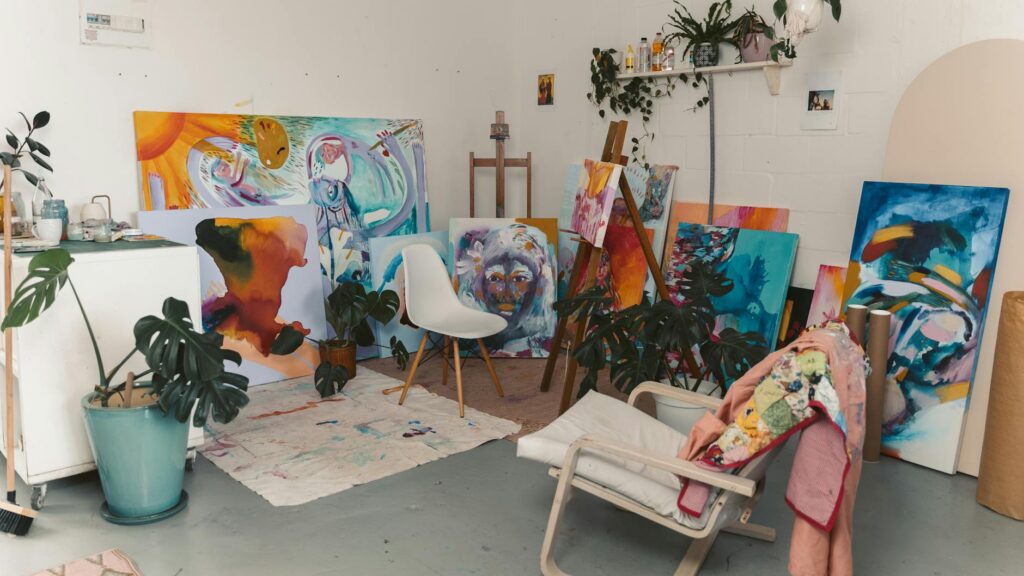
Imagine walking into your art studio, a space that not only inspires but actively supports your creative process. As of May 2026, the demand for dedicated, functional art spaces is higher than ever, whether you’re a painter, sculptor, digital artist, or mixed-media creator. Understanding the fundamental art studio design requirements is your first step toward crafting this sanctuary.
Last updated: May 1, 2026
A well-designed studio isn’t just about aesthetics; it’s about optimizing workflow, ensuring safety, and fostering an environment where your best work can emerge. Think of it as an extension of your artistic vision. What makes one space feel like a productive haven while another feels cramped and chaotic?
- Optimal lighting, whether natural or artificial, is paramount for accurate color perception and reducing eye strain.
- Effective ventilation is crucial for safely working with paints, solvents, and other materials.
- Smart storage solutions are essential to keep your workspace organized and materials accessible.
- Prioritize ergonomics to ensure comfort and prevent physical strain during long creative sessions.
- Consider soundproofing for focused work or to protect neighbors from noise.
The Foundation: Space Planning and Layout
Before diving into specific features, the most critical art studio design requirement is effective space planning. This involves understanding the scale of your work, the types of media you use, and how you move through your creative process. A painter might need ample wall space for canvases and a large easel, while a sculptor requires room for large pieces and material storage.
For instance, a digital artist might prioritize a clean, minimalist setup with integrated cable management for their workstation. Conversely, a ceramicist needs dedicated areas for a wheel, kiln, clay storage, and glazing. Your layout should minimize unnecessary movement and allow distinct zones for different activities—creation, drying, cleaning, and storage. This thoughtful arrangement prevents cross-contamination of materials and keeps your focus sharp.
Insight: Zone your space for efficiency.
Consider mapping out your ideal workflow on paper first. Where will you receive materials? Where will you prep them? Where does the active creation happen? Where do finished pieces go? Visualizing this flow helps identify potential bottlenecks before you even start arranging furniture.
Illumination: Lighting for Precision and Mood
Light is arguably the most critical element in any art studio. The art studio design requirements for lighting are twofold: functional accuracy and atmospheric enhancement. Accurate color rendering is vital, especially for painters and textile artists. This means prioritizing light sources that mimic natural daylight.
Natural light is often preferred, offering excellent color accuracy. Large windows, skylights, or even a sunroom can transform a studio. However, relying solely on natural light can be problematic due to its variability. Therefore, a strong artificial lighting system is essential. Look for bulbs with a high Color Rendering Index (CRI) of 90 or above, and a color temperature around 5000K (daylight balanced).
According to the International Association of Lighting Designers (IALD) (2025), proper lighting design can significantly impact an artist’s productivity and the quality of their work by reducing visual fatigue and enhancing detail perception.
Consider adjustable lighting solutions. Track lighting allows you to direct beams where needed, while task lamps provide focused illumination for detailed work. Dimmable overhead lights can help adjust the mood for different projects or times of day.
Insight: Layer your lighting.
Combine ambient (general overhead), task (focused work), and accent (highlighting art) lighting to create a dynamic and functional environment. This layering ensures you have the right light for every aspect of your creative work.
Breathing Room: Ventilation and Air Quality
Many artistic mediums involve materials that can release harmful fumes or dust. Effective ventilation is a non-negotiable art studio design requirement for health and safety. This is particularly true for those working with oil paints, solvents, resins, spray paints, or even certain types of adhesives and inks.
A good ventilation system can involve opening windows and doors, but this is often insufficient, especially in colder climates or for artists working with particularly noxious chemicals. Consider installing an exhaust fan system that directly vents fumes outside. For studios with multiple rooms, a centralized HVAC system with good air filtration can make a difference.
According to the Occupational Safety and Health Administration (OSHA) (2023), adequate ventilation is crucial in preventing the buildup of airborne contaminants, which can lead to respiratory issues and other health problems for artists. Ensure your system is appropriately sized for the square footage of your studio and the types of materials you use.
Insight: Safety first, creativity second.
Never compromise on ventilation. Invest in proper filters and ensure your exhaust system is powerful enough to handle the specific chemicals you work with. Regular maintenance of your ventilation system is also key.
Order from Chaos: Smart Storage Solutions
A cluttered studio can stifle creativity. Implementing smart storage solutions is a fundamental art studio design requirement that impacts efficiency and organization. This means having a designated place for everything, from large canvases and lumber to tiny brushes and pigment tubes.
Think vertically: wall-mounted shelves, pegboards, and tall cabinets maximize vertical space. Consider custom-built solutions that fit your specific needs, such as drawers for papers and canvases, or specialized racks for tools. For paint storage, ensure containers are airtight and stored safely, away from heat sources. Many artists use modular shelving systems like those from IKEA or specialized art supply retailers for flexibility.
For digital artists, integrated desk organizers and cable management systems are vital. Even a simple filing cabinet can transform stacks of paper into organized archives. The goal is to make it easy to find what you need and, just as importantly, to put it away.
Insight: Accessibility is key.
Store frequently used items within easy reach and less frequently used items in less accessible locations. This simple principle streamlines your work process significantly.
Comfort and Health: Ergonomics in the Studio
Long hours spent creating can take a toll on your body. Incorporating ergonomic principles into your art studio design requirements is essential for long-term health and sustained productivity. This means choosing furniture and arranging your workspace to support your body.
An adjustable easel, a comfortable and supportive chair (especially for digital artists or those who sit for long periods), and work surfaces at the correct height are crucial. Consider standing desks or options that allow you to switch between sitting and standing. Ensure your monitor is at eye level if you’re a digital artist to prevent neck strain. Proper posture is paramount.
The Centers for Disease Control and Prevention (CDC) (2024) highlights the importance of ergonomic design in preventing musculoskeletal disorders, common among workers who spend extended periods in repetitive or static postures.
Insight: Listen to your body.
If you experience aches or pains, assess your workspace. Small adjustments to your chair height, desk setup, or tool placement can make a significant difference.
Creating Your Sanctuary: Soundproofing and Ambiance
Depending on your creative process and living situation, sound management can be a crucial art studio design requirement. If you work with loud machinery, play music, or need absolute quiet for focused work, soundproofing might be necessary. This can range from using heavy curtains and rugs to absorb sound to more strong solutions like double-paned windows or specialized acoustic panels.
Even if you don’t need full soundproofing, creating a pleasant ambiance is vital. This includes factors like temperature control, the presence of plants, and personal touches that make the space feel like yours. A comfortable temperature (around 68-72°F or 20-22°C) is generally conducive to concentration.
Insight: Personalize for inspiration.
Surround yourself with things that inspire you—artwork, books, natural elements. Your studio should feel like a personal retreat, not just a functional workspace.
Real-World Examples: Studio Setups for Different Disciplines
Let’s look at how these art studio design requirements translate into practice for different artists:
The Painter’s Haven: Anya, an oil painter in Brooklyn, recently redesigned her studio. Her primary art studio design requirements focused on maximum natural light and ventilation. She installed a large skylight and a powerful, externally vented exhaust fan. Her layout includes ample wall space for drying canvases and a dedicated, well-lit area for mixing paints with a high-cal task lamp. She uses rolling carts for supplies, allowing flexibility to move them around her 200 sq ft space.
The Digital Illustrator’s Command Center: Mark, a freelance digital illustrator, transformed his spare bedroom into a productive workstation. His key art studio design requirements were ergonomics and minimizing digital clutter. He invested in an ergonomic chair and a sit-stand desk. His setup features a large ultrawide monitor positioned at eye level, a Wacom Cintiq drawing tablet, and meticulous cable management. Storage is handled through wall-mounted shelves for books and a filing cabinet for documents. His ventilation is standard room ventilation, sufficient for his solvent-free digital work.
Insight: Adapt principles to your medium.
These examples show how core principles—light, ventilation, storage, ergonomics—are applied differently based on the artist’s specific needs and discipline.
Common Pitfalls and How to Avoid Them
Many artists overlook critical aspects when setting up their studios. Here are common mistakes and how to sidestep them:
- Insufficient Lighting: Relying only on one overhead bulb leads to eye strain and poor color accuracy. Solution: Layer ambient, task, and accent lighting with high CRI bulbs.
- Poor Ventilation: Ignoring fumes from paints or solvents can cause serious health issues. Solution: Invest in appropriate exhaust fans or air purifiers. Check local building codes for ventilation requirements.
- Lack of Organization: Clutter leads to lost time and frustration. Solution: Implement dedicated storage for all materials and tools. Declutter regularly.
- Ignoring Ergonomics: Settling for a standard chair or desk can lead to chronic pain. Solution: Invest in ergonomic furniture, especially if you spend long hours creating.
- Forgetting Safety: Improper storage of flammable materials or tools can be dangerous. Solution: Research safety guidelines for your specific mediums and implement safe storage practices.
Insight: Plan for growth and change.
Your studio needs might evolve. Choose flexible storage solutions and layouts that can adapt as your artistic practice changes or expands.
Expert Tips for Optimizing Your Art Studio
Beyond the basics, here are some advanced tips to elevate your studio environment:
- Invest in Quality Tools: While not strictly design, having good tools enhances workflow. Keep them organized and accessible.
- Create a Dedicated ‘Messy’ Zone: For activities like pouring paint or working with messy materials, designate a specific area that’s easy to clean. This prevents the entire studio from becoming grimy.
- Consider a Wet/Dry Area: If possible, have a space for cleaning brushes and tools that’s separate from your main creative zone to manage water and waste effectively.
- Incorporate Power and Connectivity: Ensure you have enough outlets for all your equipment (lights, computers, kilns, music players) and reliable internet if you work digitally. Consider surge protectors.
- Acoustic Panels for Focus: Even if full soundproofing isn’t required, strategically placed acoustic panels can dramatically improve sound quality and reduce echo, aiding concentration.
Unique Insight: The ‘Inspiration Wall’
Dedicate a section of your studio wall to an ‘inspiration board.’ This can be a cork board, magnetic board, or even just a painted section where you pin images, fabric swatches, quotes, sketches, or color palettes that fuel your current projects. It acts as a constant visual prompt and a personal mood board.
Frequently Asked Questions
What are the most important art studio design requirements for natural light?
Prioritize large windows, skylights, or north-facing orientations to maximize diffused natural light. Ensure window treatments can control glare and intensity when needed, as direct sunlight can be harsh and fade artwork.
How much space do I realistically need for an art studio?
The minimum space depends on your medium. A digital artist might function in a 50 sq ft corner, while a painter or sculptor may need 200-500 sq ft or more for canvases, materials, and equipment. Focus on efficient layout over sheer size.
What is the best type of flooring for an art studio?
Durable, easy-to-clean flooring like concrete, sealed wood, or industrial vinyl is ideal. Avoid carpet, which can trap dust, paint, and fumes. Consider adding mats in high-traffic or messy areas.
Is soundproofing essential for all art studios?
Not for everyone. It’s crucial if you work with loud tools, need extreme quiet, or are concerned about disturbing neighbors. For quieter mediums, good insulation and heavy furnishings can suffice.
How do I ensure my art studio is safe for working with chemicals?
Install effective ventilation that expels fumes outdoors. Store flammable materials in approved cabinets, wear appropriate personal protective equipment (PPE) like gloves and masks, and keep an eye on expiration dates for solvents and adhesives.
What are key considerations for storing art supplies?
Store frequently used items within easy reach. Use airtight containers for paints and mediums. Vertical storage like shelves and cabinets saves space. Organize by type (brushes, pencils, paints) or by project.
Your Creative Space Awaits
Designing an art studio is an iterative process, blending functionality with personal inspiration. By carefully considering art studio design requirements like lighting, ventilation, storage, and ergonomics, you create a space that not only houses your art but actively nurtures its creation.
Actionable Takeaway: Sketch out your ideal studio layout this week, noting specific needs for light, ventilation, and storage based on your primary art form.
Source: Britannica
Related Articles
- ASAP Rocky Parents Nationality: What You Need to Know
- Cheapest Beach Vacations 2026: Your Guide
- Nimedes: Unseen Forces Shaping Your World in 2026
Editorial Note: This article was researched and written by the Afro Literary Magazine editorial team. We fact-check our content and update it regularly. For questions or corrections, contact us.
Related read: Diverse Art Styles: A 2026 Guide to Visual Expression. Knowing how to address art studio design requirements early makes the rest of your plan easier to keep on track.