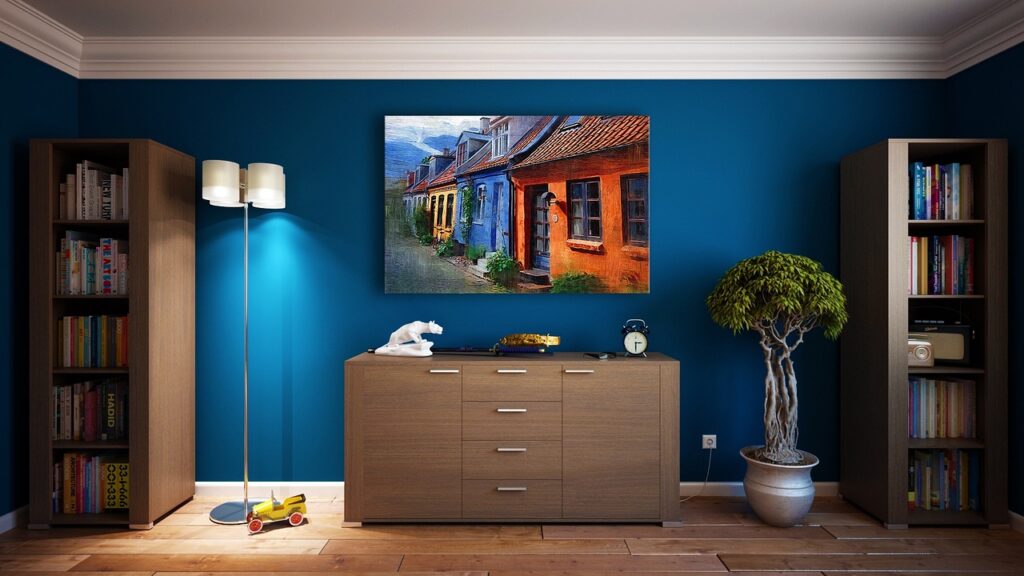
Imagine walking into your art studio, a space that not only inspires but actively supports your creative process. As of October 2026, the demand for dedicated, functional art spaces is higher than ever, whether you’re a painter, sculptor, digital artist, or mixed-media creator. Understanding the fundamental art studio design requirements is your first step toward crafting this sanctuary.
Last updated: October 22, 2026
Latest Update (October 2026)
Recent developments in art spaces highlight evolving design needs. For example, the transformation of a warehouse into an art center in Atlanta, described as glowing like ‘Dan Flavin on steroids’ by Wallpaper (October 21, 2026), showcases innovative lighting and spatial concepts. Architectural Digest also recently emphasized lighting as a paramount design element, noting where to shop for the best options (October 15, 2026). These trends underscore the importance of considering both functionality and aesthetic impact in studio design.
Furthermore, the emergence of luxury home communities, such as the one Toll Brothers announced for Tacoma, Washington (October 20, 2026), suggests a growing interest in dedicated creative spaces integrated into residential areas. This signals a broader societal recognition of the art studio as a vital component of modern living and working.
Key Takeaways for 2026
- Optimal lighting, whether natural or artificial, is paramount for accurate color perception and reducing eye strain, as detailed in recent design publications.
- Effective ventilation is crucial for safely working with paints, solvents, and other materials, a constant concern for artists.
- Smart storage solutions are essential to keep your workspace organized and materials accessible, improving workflow.
- Prioritize ergonomics to ensure comfort and prevent physical strain during long creative sessions.
- Consider soundproofing for focused work or to protect neighbors from noise, creating a more controlled environment.
The Foundation: Space Planning and Layout
Before diving into specific features, the most critical art studio design requirement is effective space planning. This involves understanding the scale of your work, the types of media you use, and how you move through your creative process. A painter might need ample wall space for canvases and a large easel, while a sculptor requires room for large pieces and material storage.
For instance, a digital artist might prioritize a clean, minimalist setup with integrated cable management for their workstation. Conversely, a ceramicist needs dedicated areas for a wheel, kiln, clay storage, and glazing. Your layout should minimize unnecessary movement and allow distinct zones for different activities—creation, drying, cleaning, and storage.
This thoughtful arrangement prevents cross-contamination of materials and keeps your focus sharp. Consider mapping out your ideal workflow on paper first. Where will you receive materials? Where will you prep them? Where does the active creation happen? Where do finished pieces go?
Visualizing this flow helps identify potential bottlenecks before you even start arranging furniture. The Lumber Room in Oregon, recently highlighted by Oregon ArtsWatch (October 21, 2026), exemplifies how a thoughtfully designed space, even if not a traditional studio, can foster creative work through intentional layout and atmosphere.
Illumination: Lighting for Precision and Mood
Light is arguably the most critical element in any art studio. The art studio design requirements for lighting are twofold: functional accuracy and atmospheric enhancement. Accurate color rendering is vital, especially for painters and textile artists.
This means prioritizing light sources that mimic natural daylight. Natural light is often preferred, offering excellent color accuracy. Large windows, skylights, or even a sunroom can transform a studio. However, relying solely on natural light can be problematic due to its variability.
Therefore, a strong artificial lighting system is essential. Look for bulbs with a high Color Rendering Index (CRI) of 90 or above, and a color temperature around 5000K (daylight balanced). According to the International Association of Lighting Designers (IALD) (as of 2025), proper lighting design can significantly impact an artist’s productivity and the quality of their work by reducing visual fatigue and enhancing detail perception.
Consider adjustable lighting solutions. Track lighting allows you to direct beams where needed, while task lamps provide focused illumination for detailed work. Dimmable overhead lights can help adjust the mood for different projects or times of day. Layer your lighting by combining ambient (general overhead), task (focused work), and accent (highlighting art) lighting to create a dynamic and functional environment.
Breathing Room: Ventilation and Air Quality
Many artistic mediums involve materials that can release harmful fumes or dust. Effective ventilation is a non-negotiable art studio design requirement for health and safety. This is particularly true for those working with oil paints, solvents, resins, spray paints, or even certain types of adhesives and inks.
A good ventilation system can involve opening windows and doors, but this is often insufficient, especially in colder climates or for artists working with particularly noxious chemicals. Consider installing an exhaust fan system that directly vents fumes outside. For studios with multiple rooms, a centralized HVAC system with good air filtration can make a difference.
According to the Occupational Safety and Health Administration (OSHA) (as of 2023), adequate ventilation is crucial in preventing the buildup of airborne contaminants, which can lead to respiratory issues and other health problems for artists. Ensure your system is appropriately sized for the square footage of your studio and the types of materials you use.
Regular maintenance of your ventilation system is key. Check filters and ensure exhaust vents are clear. If you’re printing your art, as discussed in recent guides on printers (Creative Bloq, October 15, 2026), ensure any associated ventilation needs, like those for inks or toners, are also addressed.
Order from Chaos: Smart Storage Solutions
A cluttered studio can stifle creativity. Implementing smart storage solutions is a fundamental art studio design requirement that impacts efficiency and organization. This means having a designated place for everything, from raw materials to finished pieces.
Think vertically. Wall-mounted shelving, pegboards, and tall cabinets maximize floor space. For smaller items like brushes, pencils, or tubes of paint, consider drawer organizers, tiered shelves, or custom-built solutions. Mobile storage units on casters offer flexibility, allowing you to reconfigure your space as needed.
For larger works or materials, consider rolling racks or dedicated storage bins. Labeling everything clearly is also essential. This saves time searching for supplies and prevents accidental damage or contamination of your artwork. Organize by project, by material type, or by frequency of use.
Consider specialized storage for different media. For example, paper and prints require flat, acid-free storage to prevent damage and discoloration. Sculptors may need sturdy shelving for heavy materials or finished works. Digital artists benefit from organized cable management systems and dust-free enclosures for sensitive equipment.
Comfort and Health: Ergonomics in the Studio
Long hours spent creating can take a toll on your body. Prioritizing ergonomics is a vital art studio design requirement to ensure comfort and prevent physical strain. This involves choosing furniture and arranging your workspace to support good posture and reduce repetitive stress.
An adjustable easel or work surface can accommodate different heights and working positions. Invest in a supportive chair, especially if you spend a lot of time sitting. Consider a drafting table or standing desk to allow for variation in posture throughout the day. This is particularly relevant for digital artists who spend extended periods at a computer.
Evaluate the height of your work surfaces. Tools and materials should be within easy reach to avoid overstretching or awkward movements. Ensure adequate legroom under tables and desks. Proper lighting, as discussed, also plays a role in reducing eye strain and fatigue, contributing to overall ergonomic comfort.
Pay attention to the placement of heavy items. Store heavier materials closer to the ground to minimize lifting. Use carts or dollies for transporting large or heavy supplies. Regularly stretching and taking short breaks can further mitigate physical stress.
Creating Your Sanctuary: Soundproofing and Ambiance
The auditory environment of your studio can significantly impact your focus and creative flow. Soundproofing is an important art studio design consideration, whether you need to block out external noise or prevent your own activities from disturbing others.
Basic soundproofing can involve sealing gaps around windows and doors with acoustic caulk or weatherstripping. Adding heavy curtains or tapestries can help absorb sound. For more significant sound reduction, consider using mass-loaded vinyl (MLV) or specialized acoustic panels on walls and ceilings.
Beyond sound control, consider the overall ambiance. Music, podcasts, or even silence can be conducive to different creative tasks. Adjustable lighting helps set the mood. Incorporating elements of nature, like plants, can also enhance the feeling of a calm and inspiring space.
The warehouse-turned-art center in Atlanta, noted for its ‘glow’ (Wallpaper, October 21, 2026), suggests that even industrial spaces can be transformed into inspiring creative hubs with thoughtful attention to lighting and atmosphere. This highlights that ambiance can be achieved through creative use of light and sound, not just traditional decor.
Real-World Examples: Studio Setups for Different Disciplines
Painters: Need ample natural light, large wall space for canvases, an easel, good ventilation for solvents, and organized storage for paints, brushes, and mediums. A dedicated drying rack is also beneficial.
Sculptors: Require significant floor space, robust shelving for materials and works-in-progress, good ventilation for dust and fumes (if applicable), and possibly specialized equipment like a kiln or pottery wheel. Easy access for moving large pieces is key.
Digital Artists: Focus on a comfortable, ergonomic workstation with good lighting, ample power outlets, organized cable management, and potentially soundproofing if working in a shared space. Reliable internet and storage solutions are also important.
Printmakers: Need space for presses, paper storage, ink and solvent management, and good ventilation. A washout area with a sink and water supply is often necessary. Consider ease of cleaning surfaces.
Mixed-Media Artists: Often require a flexible space that can accommodate various techniques. This might mean combining elements from different disciplines, with versatile storage and adaptable workstations.
Common Pitfalls and How to Avoid Them
Insufficient Lighting: Artists often underestimate the importance of good light. Always aim for layered lighting and high CRI bulbs. Natural light is great, but never rely on it solely.
Poor Ventilation: Working with toxic materials without adequate airflow is dangerous. Always prioritize ventilation, especially when using sprays, solvents, or resins.
Inadequate Storage: A lack of organized storage leads to clutter and inefficiency. Plan your storage solutions early, thinking vertically and modularly.
Ignoring Ergonomics: Physical discomfort can hinder productivity and lead to injury. Invest in ergonomic furniture and adjust your workspace for comfort.
Overlooking Sound: Noise can be a major distraction. Consider soundproofing measures based on your needs and your neighbors.
Expert Tips for Optimizing Your Art Studio
Flexibility is Key: Design your studio to be adaptable. Use modular furniture and mobile storage that can be reconfigured as your projects or needs change. This is especially important for artists who work across multiple disciplines.
Material Management: Keep frequently used materials easily accessible. Store less-used items or bulk supplies in less prominent areas. Consider a dedicated ‘project bin’ for each ongoing work to keep all related items together.
Cleanliness and Maintenance: Establish a routine for cleaning your studio. This not only keeps the space pleasant but also maintains the longevity of your tools and materials. Regular maintenance of ventilation and lighting systems is also vital.
Personalize Your Space: While functionality is paramount, your studio should also be inspiring. Incorporate elements that reflect your personality and artistic style. This could be artwork, plants, or specific color schemes.
Safety First: Always have a fire extinguisher readily available, especially if working with flammable materials. Know the safety protocols for any chemicals you use. Keep first-aid supplies on hand.
Frequently Asked Questions
What is the most important factor in art studio design?
The most important factor is creating a space that supports your specific creative process. This encompasses adequate lighting for accuracy, effective ventilation for safety, functional layout for workflow, and comfortable ergonomics for extended work periods.
How much space do I really need for an art studio?
The amount of space needed varies greatly. A digital artist might function well in a small corner, while a sculptor working on large pieces might require a converted garage or warehouse. Assess your materials, scale of work, and necessary equipment.
Is natural light or artificial light better for an art studio?
Natural light is ideal for color accuracy but is inconsistent. A combination is best. Use large windows or skylights for daylight, supplemented by high-quality artificial lights (CRI 90+, 5000K) that mimic daylight for consistent, accurate illumination.
How can I improve ventilation in a small art studio?
In a small studio, prioritize an exhaust fan that vents directly outside. Cross-ventilation by opening windows and doors can help, but a dedicated system is more reliable for removing fumes from paints, solvents, or adhesives.
What are the essential ergonomic considerations for an artist’s studio?
Essential ergonomic considerations include an adjustable work surface or easel, a supportive chair, ensuring tools and materials are within easy reach, adequate legroom, and varying your posture throughout the day by alternating between sitting and standing.
Conclusion
Designing your ideal art studio in 2026 is an investment in your creative practice. By carefully considering space planning, lighting, ventilation, storage, ergonomics, and ambiance, you can craft a functional, inspiring, and safe environment. Whether you’re setting up a professional space or a personal creative corner, these art studio design requirements will help you build a sanctuary where your best work can thrive.