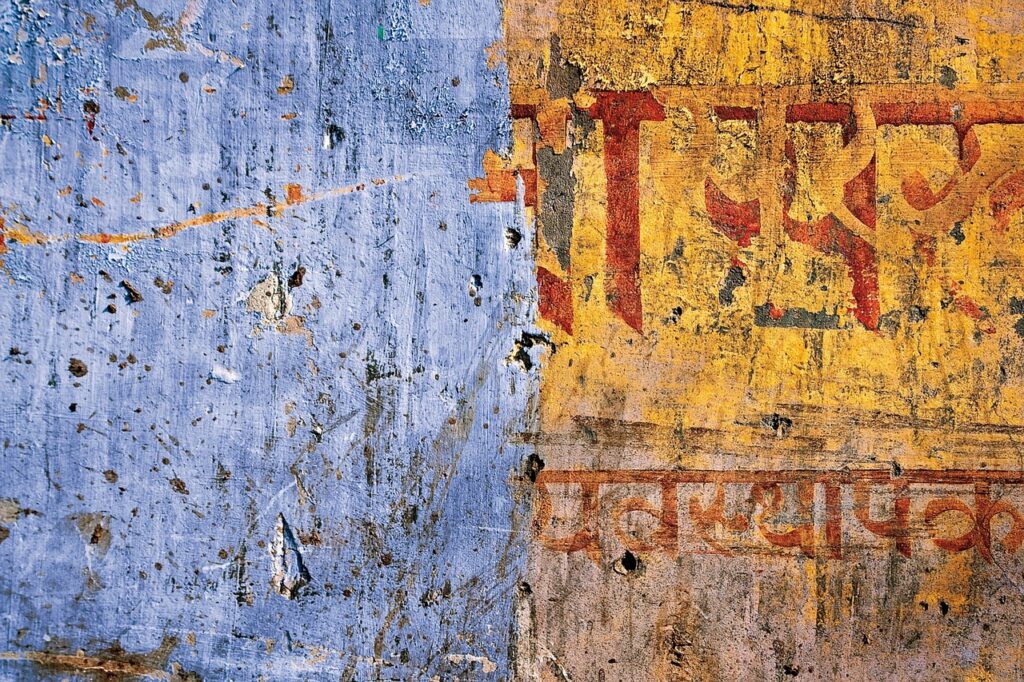
Picture this: You’re wandering through a museum. On one wall hangs a meticulously rendered portrait from the 17th century, every fold of velvet, every glint in the eye captured with breathtaking skill. Then, you turn a corner and find yourself in front of a vast canvas splattered with vibrant, seemingly chaotic colours, or perhaps a room filled with discarded objects arranged in a peculiar way. Your first thought might be, “Okay, but how is contemporary art different from traditional art, really?” It’s a question many of us grapple with, and it’s not just about the dates on the labels. It’s a fundamental shift in what art is, what it can be, and what it’s trying to say.
Last updated: August 11, 2026
Honestly, the distinction can feel blurry because art is always evolving. But if you’ve ever felt a disconnect between a classical masterpiece and a piece that makes you scratch your head, you’re onto something. Traditional art generally refers to art from earlier periods, often characterized by established techniques, representational accuracy, and adherence to aesthetic norms of its time. Contemporary art, on the other hand, is the art of our time – the recent past and the present – and it thrives on experimentation, conceptual depth, and a broader, often more challenging, engagement with the world.
Latest Update (August 2026)
Recent discourse in the art world, as highlighted by publications like Hyperallergic in late 2025, emphasizes a continued dialogue between traditional skills and contemporary artistic exploration. The New York Academy of Art, for instance, is noted for integrating classical techniques into modern artistic conversations, suggesting that the boundary between ‘traditional’ and ‘contemporary’ isn’t always a strict separation but often a point of synthesis. As reported by the South Seattle Emerald on August 6, 2026, artists like Malia Peoples are making Kapa for a new generation, demonstrating a living connection to traditional craft within a contemporary context. Analyses of artistic trends, such as those found in Nature’s comparative studies of color in flower and bird paintings in March 2026, continue to explore how contemporary approaches build upon or diverge from historical methods. The ongoing discussion around ‘Realism Returns,’ noted by observer.com in May 2025, also indicates a persistent fascination with traditional craftsmanship within the digital age. Furthermore, the Native art scene, as seen in happenings during the 2026 Indian Market in Santa Fe, continues to showcase dynamic blends of ancestral practices and modern artistic expressions, according to the Santa Fe New Mexican (August 7, 2026).
A Timeline Isn’t the Whole Story
Sure, time is a factor, but it’s not the only one. Contemporary art is generally considered art produced from the mid-20th century to the present day (2026). This period saw massive shifts in global politics, technology, and culture, and art inevitably reflected and responded to these changes. Traditional art, conversely, spans millennia, encompassing everything from prehistoric cave paintings to the Renaissance, Baroque, and Impressionist eras.
While ‘modern art’ (roughly the 1860s to the 1970s) acts as a bridge, contemporary art takes the departures from tradition even further, pushing boundaries in ways that were unimaginable in earlier epochs. The period of modern art was itself a revolutionary phase, marked by movements like Impressionism, Cubism, Surrealism, and Abstract Expressionism—which began to question academic conventions. Contemporary art, emerging from this fertile ground, has continued this trajectory of questioning and innovation, often reflecting the accelerating pace of change in the late 20th and early 21st centuries.
What Defines Traditional Art’s Boundaries?
Traditional art is often about mastery of established techniques. Think of the incredible draftsmanship required for Leonardo da Vinci’s sketches or the precise brushwork of Vermeer. The focus was frequently on representing the world realistically – whether it was a landscape, a historical event, or a portrait of a patron.
There were also prevailing aesthetic ideals. Beauty, harmony, and proportion were often really important. Think of Greek sculptures or Renaissance paintings – they aimed for a certain idealized perfection. The materials were also more consistent: oils, tempera, marble, bronze, and canvas were the go-to mediums.
The emphasis on realism and representational accuracy in traditional art served various purposes. For patrons, it was a way to immortalize their likeness, their status, or significant moments. For societies, it was a means of recording history, celebrating religious narratives, and reinforcing cultural values. The technical skill involved wasn’t just for aesthetic pleasure but was a testament to the artist’s dedication, knowledge, and ability to translate the three-dimensional world onto a two-dimensional surface or into sculpted form.
The materials themselves were also integral to the tradition. The luminosity of oil paints, the permanence of marble, the tactile quality of bronze – these mediums were chosen for their ability to convey specific textures, depths, and emotional resonances. Artists spent years, often decades, honing their craft in these specific mediums, leading to a high level of sophistication and predictability in the final outcome, within the established styles of their time.
How Contemporary Art Breaks the Mold
Contemporary art is where things get really interesting – and sometimes confusing! It doesn’t adhere to a single style or set of rules. Instead, it prioritizes the idea or concept behind the work, often more than the technical execution. This means an artwork might be visually simple, unconventional, or even challenging to look at, but its meaning or the question it poses is paramount.
This shift towards conceptualism means that traditional notions of beauty and skill are often subverted or reinterpreted. An artist might use everyday objects, digital media, or even performance to convey their message. The focus moves from replicating reality to interpreting it, questioning it, or even creating entirely new realities.
For example, a piece of conceptual art might consist of a list of instructions or a video documenting an ephemeral action. The artwork isn’t just the object, but the idea, the process, and the viewer’s engagement with it. This broadens the definition of what art can be and who can be an artist.
The Role of Concept Over Craft
In traditional art, the skill and craftsmanship of the artist were paramount. The ability to render a lifelike figure, mix pigments perfectly, or carve stone with precision was highly valued. This mastery was often the primary indicator of an artist’s success and talent.
Contemporary art, however, often places the concept or idea at the forefront. While technical skill is still appreciated and utilized by many contemporary artists, it is not always the defining characteristic. The intellectual engagement, the originality of the idea, and the way it prompts viewers to think are often considered more significant.
This doesn’t mean that craft is irrelevant in contemporary art. Many contemporary artists possess exceptional technical skills, but they may choose to use them in service of a concept rather than as an end in themselves. For instance, an artist might employ hyperrealism not just to showcase drawing ability, but to make a powerful statement about perception or artificiality. As noted in recent discussions around Mongolian contemporary art, artists like those featured in the “Nomin Bold Mongolian Art” exhibition (as per Tricycle: The Buddhist Review, August 6, 2026) often engage with traditional motifs and techniques but imbue them with new conceptual layers, complicating established narratives.
Materials and Mediums: From Marble to Pixels
Traditional art largely relied on a specific set of materials. We see oil paints, watercolors, charcoal, marble, bronze, clay, and various types of wood dominating the historical art landscape. The physical properties of these materials – their texture, durability, and how they interact with light – were integral to the artistic process and the final aesthetic.
Contemporary art, by contrast, embraces an almost limitless array of materials and mediums. Artists today work with everything from traditional oils and acrylics to found objects, digital technology, video, sound, performance, and even biological matter. The choice of material is often deeply connected to the concept the artist wishes to explore.
This expansion of mediums reflects the changing world. Digital art, for example, has become a significant field, allowing for new forms of creation, distribution, and interaction. Artists are using software, virtual reality, and artificial intelligence to create works that were impossible just a few decades ago. The accessibility of new technologies, coupled with initiatives like artistic production grant programs (as seen in the US, reported by fundsforNGOs on August 11, 2026), further fuels this innovation.
The use of unconventional materials can also be a deliberate choice to challenge viewers’ perceptions. An artist might use plastic waste to comment on environmental issues, or use ephemeral materials like ice to explore themes of impermanence. This experimentation pushes the boundaries of what we consider art materials.
Subject Matter and Social Commentary
Traditional art often focused on subjects that were deemed important by the ruling powers or the prevailing culture. This included religious scenes, historical events, portraits of royalty or wealthy patrons, mythological narratives, and idealized landscapes.
The purpose was often to glorify, educate, or reinforce societal values. While beauty and aesthetic appeal were important, the subject matter itself usually served a clear cultural or political function within its historical context.
Contemporary art, however, frequently tackles a much wider and more diverse range of subject matter. Artists today are often engaged with social, political, and personal issues. They might address themes like identity, globalization, environmental concerns, inequality, technology’s impact on society, or personal trauma. Social commentary is a significant driver for much contemporary art.
This engagement with contemporary issues means that the subject matter can be provocative, controversial, or deeply personal. Artists use their work to question societal norms, spark dialogue, and offer different perspectives on the world we inhabit. The art of our time reflects the complexities and challenges of living in 2026.
The Spectator’s Role in Contemporary Art
In traditional art, the viewer’s role was often more passive. You were meant to admire the skill, appreciate the beauty, and understand the narrative or religious message being conveyed. The artist’s intention was usually clear, and the viewer’s task was to receive and interpret it within established frameworks.
Contemporary art, especially conceptual art, often demands a more active role from the spectator. The artwork may not have an obvious meaning or a clear narrative. Instead, the viewer is invited to participate in creating the meaning. This might involve interpreting abstract forms, reflecting on the ideas presented, or even physically interacting with the artwork.
This participatory aspect can be challenging, as it requires viewers to engage their intellect and emotions more deeply. It moves beyond simple aesthetic appreciation to a more profound dialogue between the artwork, the artist, and the viewer. The context provided by the artist, galleries, or critics becomes crucial in guiding this interpretation. As seen in community calendars for art events (ABC7 Los Angeles, August 9, 2026), exhibitions often encourage direct audience engagement.
Frequently Asked Questions
Is all art made after 1970 considered contemporary art?
Generally, yes. While the exact cutoff can be debated, art produced from roughly the mid-20th century onwards, and particularly from the 1970s to the present day (2026), is categorized as contemporary. It reflects the art of our current era and its evolving concerns.
Does contemporary art require more education to understand than traditional art?
Not necessarily more education, but often a different kind of engagement. Traditional art relies more on recognizing established iconography and technical skill. Contemporary art often requires an openness to new ideas, a willingness to question, and an understanding of the broader social and cultural context.
Are traditional art skills still relevant in 2026?
Absolutely. Many contemporary artists build upon or engage with traditional skills, reinterpreting them for modern contexts. Institutions like the New York Academy of Art continue to teach classical techniques, fostering a dialogue between past and present artistic practices.
Can traditional art be considered conceptual?
While the emphasis on concept is a hallmark of contemporary art, elements of conceptual thinking can be found in earlier periods. However, the overt prioritizing of the idea over the execution, as seen in much contemporary work, is a more recent development.
What is the primary difference in materials used?
Traditional art typically uses established mediums like oil paint, marble, bronze, and canvas. Contemporary art embraces a vast, often unconventional, range of materials including digital media, found objects, performance, and even ephemeral substances, chosen to serve the artwork’s concept.
Conclusion
The distinction between contemporary and traditional art is not merely a matter of time but a fundamental divergence in philosophy, approach, and purpose. Traditional art often celebrated mastery, realism, and adherence to established aesthetic norms, serving clear cultural or societal functions. Contemporary art, born from a rapidly changing world and an ever-expanding technological and conceptual toolkit, prioritizes ideas, experimentation, and critical engagement. It challenges viewers, questions norms, and reflects the complex realities of our time in 2026.