Manage Stress and Anxiety Naturally: Your 2026 Toolkit
Feeling overwhelmed by the daily grind? You’re not alone. Many of us grapple with stress and anxiety, and finding effective ways to manage them is crucial for our well-being. This article reveals practical, natural strategies to help you regain balance and cultivate a calmer mind. You’ll learn simple, actionable steps you can integrate into your life starting today to manage stress and anxiety naturally.
Table of Contents
- Understanding the Natural Stress Response
- How to Manage Stress and Anxiety Naturally with Mindfulness & Breathing
- Harnessing Movement and Nature for Natural Relief
- Exploring Herbal Remedies and Aromatherapy
- The Role of Sleep and Nutrition in Natural Management
- Strengthening Social Connections for Support
- Essential Natural Tools: Journaling and Cognitive Reframing
Understanding the Natural Stress Response
Our bodies are wired with a natural stress response, often called the ‘fight or flight’ mechanism. When faced with a perceived threat, your brain signals your adrenal glands to release hormones like adrenaline and cortisol. This is a survival instinct. However, in modern life, this system can get triggered by non-life-threatening situations, like a looming deadline or an argument, leading to chronic stress and anxiety. Learning to manage stress and anxiety naturally involves understanding when this system is overactive and how to gently bring it back into balance.
How to Manage Stress and Anxiety Naturally with Mindfulness & Breathing
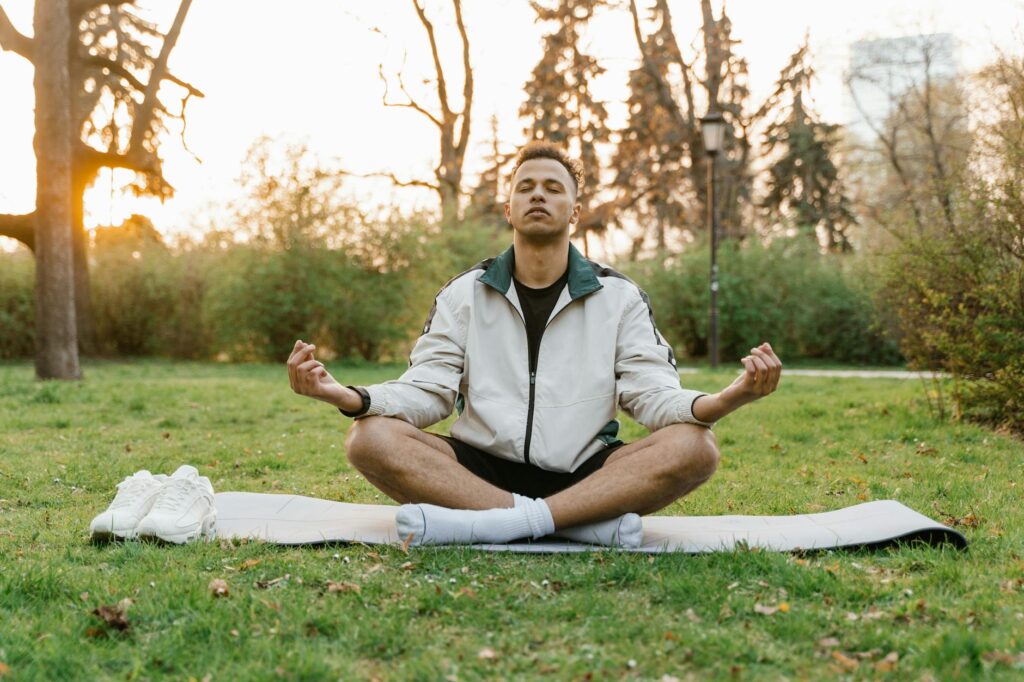
Mindfulness and deep breathing are foundational pillars for managing stress and anxiety naturally. These techniques help shift your focus from anxious thoughts to the present moment, calming your nervous system. Practicing mindfulness means paying attention to your thoughts, feelings, and sensations without judgment. Deep breathing exercises, like diaphragmatic breathing, signal your body to relax.
To practice diaphragmatic breathing, find a comfortable seated or lying position. Place one hand on your chest and the other on your belly. Inhale slowly through your nose, feeling your belly rise more than your chest. Exhale slowly through your mouth, feeling your belly fall. Repeat for several minutes. This simple act can significantly reduce feelings of panic and overwhelm.
Harnessing Movement and Nature for Natural Relief
Physical activity is a powerful, natural stress reliever. When you exercise, your body releases endorphins, which are natural mood boosters. Even a brisk 20-minute walk can make a difference. Consider activities you enjoy, such as dancing, swimming, or cycling. The key is consistent movement, not necessarily intense workouts.
Spending time in nature has also been scientifically linked to reduced stress and improved mood. A study published in the journal Environmental Health and Preventive Medicine in 2010 found that spending at least 20 minutes in a natural environment can significantly lower cortisol levels. Whether it’s a walk in a local park, gardening, or simply sitting by a window with a view of trees, connecting with nature offers a profound sense of calm.
The average person spends over 90% of their time indoors. Reconnecting with nature, even for short periods, can have a measurable impact on stress hormones. (Source: Environmental Health and Preventive Medicine, 2010)
Exploring Herbal Remedies and Aromatherapy
Certain herbs and essential oils have been used for centuries for their calming properties. While research is ongoing, many people find relief through these natural approaches. Lavender, for instance, is widely recognized for its relaxing scent and is often used to promote sleep and reduce anxiety. Chamomile tea is another popular choice for its soothing effects.
Aromatherapy involves using essential oils, like lavender, bergamot, or ylang-ylang, diffused into the air or diluted and applied topically (always with a carrier oil like jojoba or almond oil). These scents can directly influence the limbic system in the brain, which is responsible for emotions and mood. Always ensure you are using high-quality, pure essential oils and follow safe usage guidelines. For example, the National Association for Holistic Aromatherapy (NAHA) provides extensive safety information on their website.
Natural Stress and Anxiety Management: A Comparison
| Method | How it Helps Manage Stress/Anxiety | Ease of Implementation | Potential Considerations |
|---|---|---|---|
| Mindfulness Meditation | Reduces rumination, increases present-moment awareness | Moderate (requires practice) | Can be challenging for beginners; requires consistency |
| Deep Breathing Exercises | Activates parasympathetic nervous system (rest and digest) | Easy | May feel unnatural at first; needs regular practice |
| Physical Activity | Releases endorphins, reduces cortisol, improves sleep | Easy to Moderate (depends on activity) | Requires time commitment; can be difficult if experiencing fatigue |
| Spending Time in Nature | Lowers stress hormones, improves mood, promotes relaxation | Easy (if accessible) | Availability of natural spaces may be limited |
| Aromatherapy (Lavender) | Calms the nervous system, promotes relaxation | Easy | Requires essential oils; potential for skin sensitivity; must be pure oils |
The Role of Sleep and Nutrition in Natural Management
Prioritizing quality sleep is fundamental to managing stress and anxiety naturally. During sleep, your body and mind repair and consolidate information. Chronic sleep deprivation can exacerbate feelings of anxiety and impair your ability to cope with stress. Aim for 7-9 hours of quality sleep per night by establishing a consistent sleep schedule and creating a relaxing bedtime routine.
Your diet also plays a significant role. While there’s no single ‘anxiety diet,’ certain foods can impact mood. Limiting processed foods, excessive sugar, and caffeine can help stabilize energy levels and reduce jitters. Conversely, incorporating nutrient-rich foods like fruits, vegetables, whole grains, and omega-3 fatty acids (found in fish and flaxseeds) can support brain health and overall well-being. The Mayo Clinic offers extensive resources on nutrition and mental health that highlight these connections.
Strengthening Social Connections for Support
Human connection is a powerful antidote to stress and anxiety. Talking about your feelings with trusted friends, family members, or support groups can provide immense relief. Sharing your experiences can make you feel less alone and offer new perspectives. Building and nurturing strong social bonds is a vital, often overlooked, natural coping mechanism.
Consider joining a local club, volunteering, or participating in community events to expand your social circle. Even brief, positive interactions throughout the day can boost your mood. Remember, seeking support is a sign of strength, not weakness. In 2024, many mental health organizations like the Anxiety & Depression Association of America (ADAA) emphasize the role of social support in recovery.
Essential Natural Tools: Journaling and Cognitive Reframing
Journaling is a versatile tool for managing stress and anxiety naturally. Writing down your thoughts and feelings can help you process them, identify negative thought patterns, and gain clarity. You can use a simple notebook or a dedicated journal app like Day One to record your daily experiences, worries, or gratifications.
Cognitive reframing involves challenging and changing negative or unhelpful thought patterns. For example, if you find yourself thinking, ‘I’m going to fail this presentation,’ you can reframe it to something more balanced and realistic, such as, ‘I’ve prepared for this presentation, and I’ll do my best. If I make a mistake, I can recover from it.’ This technique, often used in Cognitive Behavioral Therapy (CBT), helps to shift your perspective and reduce anxiety-inducing thoughts.
Frequently Asked Questions
What are the quickest ways to manage anxiety naturally?
Quick natural anxiety relief often involves immediate grounding techniques. Deep diaphragmatic breathing for 2-5 minutes can calm the nervous system. Focusing intently on your five senses (what you see, hear, smell, taste, touch) also helps bring you back to the present moment and away from anxious thoughts.
Can diet really help manage stress and anxiety naturally?
Yes, diet plays a significant role. A balanced diet rich in fruits, vegetables, and whole grains supports stable mood and energy. Reducing processed foods, excessive sugar, and caffeine can prevent jitters and energy crashes that worsen anxiety. Hydration is also key for optimal brain function.
How does physical activity help manage stress and anxiety naturally?
Exercise releases endorphins, which are natural mood elevators and pain relievers. It also helps reduce stress hormones like cortisol and adrenaline over time. Regular physical activity improves sleep quality and builds resilience, making you better equipped to handle stressors naturally.
Are herbal remedies safe for managing anxiety?
Many herbal remedies, like chamomile and lavender, are generally considered safe for mild to moderate anxiety when used appropriately. However, it’s crucial to consult a healthcare professional before using them, especially if you have existing health conditions or are taking other medications, as interactions can occur.
How can I start managing stress and anxiety naturally today?
Begin with simple steps. Practice 5 minutes of deep breathing or mindfulness. Take a short walk outdoors. Write down one worry and one thing you are grateful for. Make a conscious effort to stay hydrated and choose a healthy snack. Small, consistent actions build momentum.
By integrating these natural strategies into your daily life, you can build a robust toolkit for managing stress and anxiety. Remember that consistency is key, and finding what works best for you may involve some experimentation. Embrace these natural methods to cultivate lasting peace and resilience.