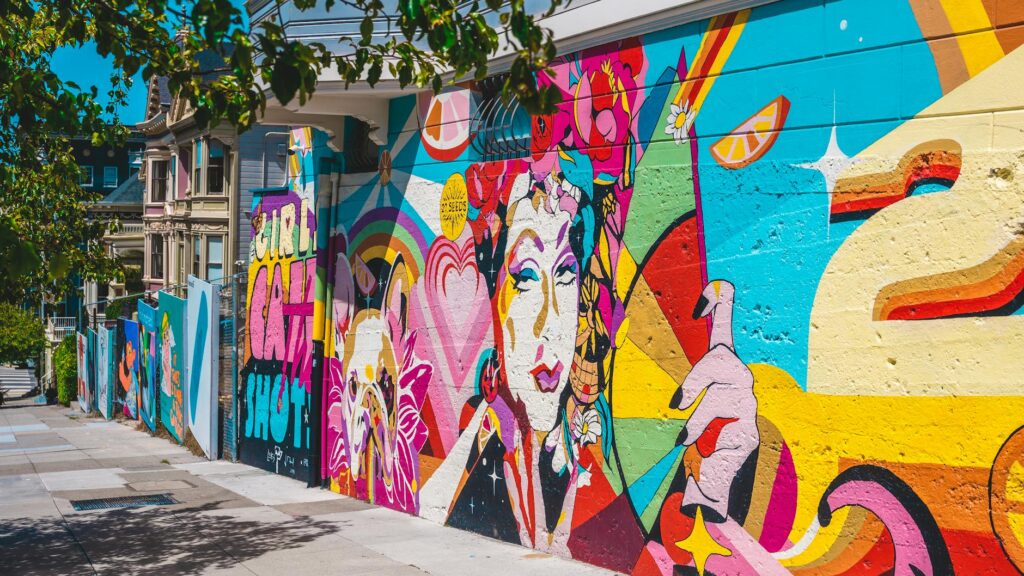
Street Art vs. Gallery Art: The Fierce Debate
The street art vs gallery art debate is a contentious one, fundamentally questioning the definition, value, and accessibility of art itself. While street art thrives in public spaces, often ephemeral and confrontational, gallery art occupies curated, institutional environments, emphasizing permanence and exclusivity. This article dissects the core arguments, historical context, and evolving perspectives that define this ongoing discourse, aimed at those who already understand the basics and seek a deeper, more nuanced understanding of the battle lines.
Table of Contents
- What Defines the Street Art vs Gallery Art Debate Today?
- The Ephemeral vs. The Eternal: Authenticity and Value
- Democratization of Art: Public Space vs. Institutional Walls
- Economic Realities: From Vandalism to Multi-Million Dollar Sales
- Navigating the Art Market: Provenance, Curation, and Perception
- The Future of the Street Art vs Gallery Art Debate
What Defines the Street Art vs Gallery Art Debate Today?
At its heart, the street art vs gallery art debate centers on the perceived legitimacy, purpose, and value of art created outside traditional institutional frameworks. Street art, by its very nature, is often produced without permission, existing in the public domain and subject to the elements, urban development, or immediate removal. Gallery art, conversely, is typically commissioned, curated, and presented within controlled environments like museums and commercial galleries, with established systems for authentication and valuation. The debate intensifies when street artists gain recognition and their work enters the commercial art market, blurring the lines they once so fiercely opposed.
This divergence raises fundamental questions about artistic intent. Is art meant to provoke public discourse and exist freely, or is its value intrinsically linked to its preservation, documentation, and the economic structures that support it? The 2026 art landscape continues to grapple with these distinctions, especially as digital platforms and NFTs further complicate ownership and distribution.
The Ephemeral vs. The Eternal: Authenticity and Value
A core point in the street art vs gallery art debate is the concept of permanence and authenticity. Street art’s inherent transience is often cited as a mark of its raw authenticity – it exists in the moment, a direct response to its environment. Think of Banksy’s works that appear overnight and are often removed or defaced shortly after. This ephemerality can enhance its perceived value for some, as it signifies a unique, unrepeatable experience. However, this also makes its long-term preservation and verifiable provenance challenging.
Gallery art, on the other hand, benefits from established systems of authentication, conservation, and a clear chain of ownership (provenance). Works by artists like Jasper Johns or Georgia O’Keeffe, housed in institutions like the Philadelphia Museum of Art or MoMA, are preserved for posterity. This institutional backing lends them a different kind of value – one tied to historical significance, critical appraisal, and assured longevity. The debate here often pits the ‘realness’ of street art’s fleeting existence against the ‘art historical weight’ of gallery-protected works.
“Street art is art that is created in public locations, usually in public spaces rather than officially recognised artistic institutions. It can be graffiti, stencils, stickers, street installations or murals.” – Tate Modern
Democratization of Art: Public Space vs. Institutional Walls
The street art movement often champions the idea of democratizing art, taking it out of elite institutions and placing it directly into the public consciousness. Proponents argue that art should be accessible to everyone, regardless of their socioeconomic status or willingness to visit a gallery. Street art can spark conversations, beautify neglected areas, and provide a visual dialogue for communities. This perspective fundamentally challenges the exclusivity often associated with the traditional gallery system.
Conversely, galleries and museums, while sometimes perceived as elitist, provide a crucial space for critical engagement, historical context, and in-depth study. They offer controlled environments where artworks can be viewed without distraction, alongside scholarly interpretation and conservation. The debate here questions whether art’s value is diminished when it’s exposed to the unpredictable public sphere versus being carefully preserved and presented within an educational framework. For instance, the Centre Pompidou in Paris actively collects and displays contemporary art, including pieces that originated from or were influenced by street art, attempting to bridge this divide.
Economic Realities: From Vandalism to Multi-Million Dollar Sales
The economic dimension of the street art vs gallery art debate is perhaps the most contentious. Historically, street art was often dismissed as vandalism, punishable by law. However, the rise of artists like Banksy, Shepard Fairey, and JR has seen their work command astonishing prices at auction houses like Sotheby’s and Christie’s. This commercial success has created a paradox: the very artists who often critique capitalist systems and institutional art are now thriving within them.
This transition fuels the debate about commodification. Critics argue that selling street art in galleries or at auction strips it of its rebellious spirit and social relevance, turning potent messages into mere decorative objects for wealthy collectors. Supporters, however, see it as validation of the artists’ talent and a means to fund future projects or support social causes. The ability of street artists to command prices comparable to established ‘fine artists’ forces a re-evaluation of what constitutes artistic and economic value in the contemporary art market.
| Aspect | Street Art (Typical) | Gallery Art (Typical) |
|---|---|---|
| Creation Space | Public spaces, unauthorized | Studio, authorized gallery/museum |
| Audience | General public, spontaneous | Gallery visitors, intentional |
| Permanence | Ephemeral, susceptible to decay/removal | Preserved, conserved for longevity |
| Provenance | Often difficult to establish | Well-documented, verifiable |
| Initial Perception | Vandalism, graffiti | Art, cultural artifact |
| Economic Model | Often non-monetary, community-based, later commercialized | Commercial market, galleries, auctions |
Navigating the Art Market: Provenance, Curation, and Perception
The journey from a spray-painted mural on a city wall to a framed piece in a prestigious gallery involves navigating complex issues of provenance and curation. For street art to be accepted into the mainstream art market, its authenticity must be established. This often involves documentation by the artist themselves, or by reputable organizations that track street art, such as the Museum of Graffiti in Miami. Without clear provenance, the art’s value is significantly diminished in the eyes of collectors and institutions.
Curation plays a vital role. When galleries select street art, they are essentially bestowing institutional validation. This process can elevate an artist’s status but also invites criticism that the art is being co-opted and its original context ignored. The perception of street art shifts dramatically when it moves from the street to the white cube of a gallery. The debate asks whether this transition enhances or compromises the art’s integrity and message. For example, the Tate Modern in London has incorporated street art elements into its exhibitions, acknowledging its significance while still framing it within an institutional context.
The Future of the Street Art vs Gallery Art Debate
The street art vs gallery art debate is far from over; in fact, it’s becoming more dynamic. Technologies like augmented reality (AR) offer new ways to experience digital street art that can be overlaid onto physical spaces, creating ephemeral or interactive public art. NFTs have also introduced a new layer, allowing digital street art to be owned and traded with verifiable blockchain provenance, further blurring the lines between public and private, physical and digital ownership.
We are likely to see continued hybridization. Galleries will increasingly feature street artists, while street artists might explore more institutional collaborations or digital avenues. The core tension between art as a public, democratic force and art as a protected, commodified asset will persist. Ultimately, this ongoing dialogue enriches the art world, pushing boundaries and forcing us to constantly reconsider what art is, who it’s for, and how we value it. The street art vs gallery art debate is a testament to art’s evolving power and relevance in society.
Frequently Asked Questions
Is street art considered real art?
Yes, street art is widely considered real art by many critics, artists, and institutions. Its legitimacy stems from its artistic merit, conceptual depth, and cultural impact, despite its often unauthorized and ephemeral nature. The debate often focuses on its context rather than its artistic validity.
Why do street artists move into galleries?
Street artists move into galleries for various reasons, including increased visibility, financial opportunities to support their practice, and a desire for their work to be preserved and studied. This transition allows them to reach a broader audience and gain institutional recognition, though it can also lead to criticism of commodification.
What is the main difference between street art and gallery art?
The main difference lies in their context and creation. Street art is typically created in public spaces without permission and is often ephemeral, aiming for broad public engagement. Gallery art is created in studios and presented in controlled, institutional settings, emphasizing permanence, provenance, and a curated art market experience.
How is the value of street art determined?
The value of street art is determined by a combination of factors, including the artist’s reputation (e.g., Banksy’s global recognition), the artwork’s condition and documentation, its historical significance, and market demand. When street art enters the commercial market, it’s subject to auction prices and gallery valuations, similar to traditional art.
Can street art be considered vandalism?
While much street art originates as unauthorized markings that can be legally defined as vandalism, the term ‘street art’ itself often implies a more artistic intent than simple graffiti. The perception shifts when the work demonstrates significant skill, aesthetic quality, or conceptual depth, leading to its acceptance by some as legitimate art.
The street art vs gallery art debate continues to evolve, pushing the boundaries of what we consider art and where it belongs. As you’ve seen, the lines are increasingly blurred, offering exciting new possibilities for artists and audiences alike.