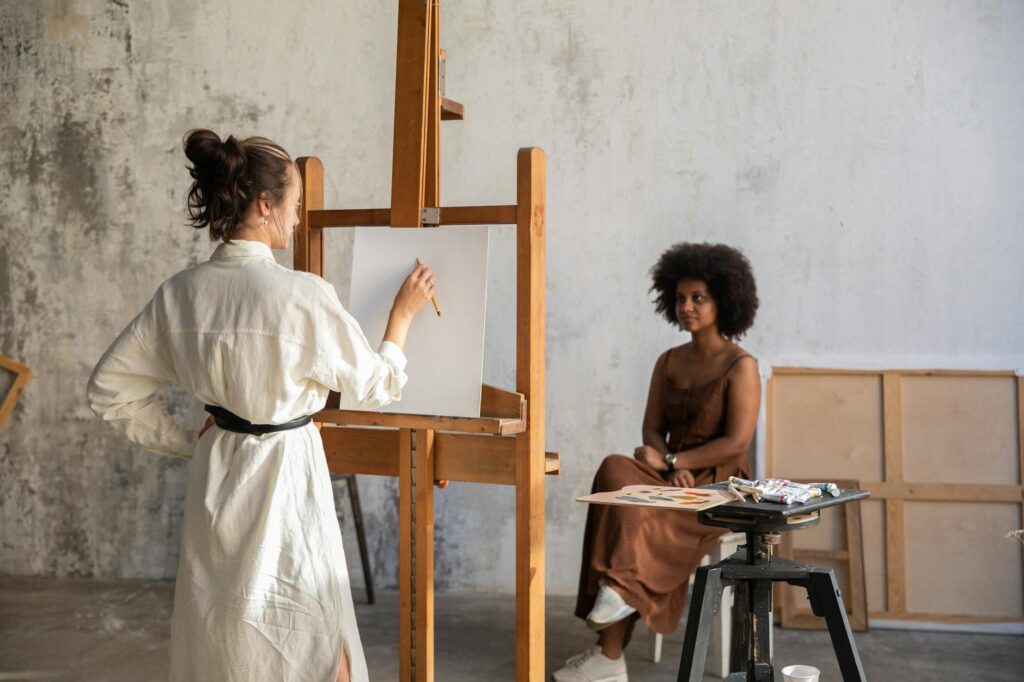
on, and reflect the world around us. Prepare to see art with fresh eyes.
This guide covers everything about different types of art. This guide covers everything about different types of art. This guide covers everything about different types of art. This guide covers everything about different types of art. This guide covers everything about different types of art. This guide covers everything about different types of art. This guide covers everything about different types of art. This guide covers everything about different types of art. Last updated: May 1, 2026
Painting: The Enduring Canvas
Painting is perhaps the most recognized of the visual arts. It involves applying pigment, color, or other media to a solid surface, typically a canvas, paper, or wood panel. Artists use brushes, knives, sponges, or even their hands to create images.
Sculpture: Art in Three Dimensions
Sculpture brings art into physical space, existing in three dimensions. It can be created by carving, modeling, casting, or assembling materials like stone, metal, wood, clay, or even found objects. The tactile nature of sculpture invites interaction and spatial awareness.
Auguste Rodin’s “The Thinker” is a classic bronze sculpture that conveys deep contemplation through its powerful form. Contemporary sculptors often experiment with unconventional materials, like El Anatsui’s vast bottle-cap tapestries.
Drawing: The Foundation of Visual Art
Drawing is a fundamental art form, often serving as a preparatory stage for other visual arts or standing alone as a complete work. It typically uses instruments like pencils, charcoal, pastels, or ink to mark lines and tones on a surface.
Photography: Capturing Moments and Narratives
Photography is the art, application, and practice of creating durable images by recording light, either electronically by means of an image sensor, or chemically by means of a light-sensitive material such as photographic film. It can document reality, tell stories, or create abstract compositions.
The work of Malian photographer Seydou Keïta, known for his striking studio portraits in the mid-20th century, showcases photography’s power in capturing individual identity and cultural heritage.
Printmaking: Reproducing Artistry
Printmaking is a process where an artist creates an image on a matrix (like wood, metal, or stone) which is then inked and transferred to paper or fabric. Common techniques include etching, lithography, screen printing, and woodcuts.
Architecture: Art Meets Function
Architecture is the art and science of designing and constructing buildings. It blends aesthetic considerations with practical requirements, influencing how we live, work, and interact with our environment. Good architecture is both beautiful and functional.
The National Museum of African American History and Culture in Washington, D.C., designed by David Adjaye, is a prime example of modern architecture that incorporates symbolic meaning and cultural narrative into its physical form.
Performing Arts: Live Expression
Performing arts involve live presentations, often involving music, dance, theater, opera, or spoken word. These art forms rely on the artist’s direct presence and the audience’s immediate experience.
Music: The Universal Language
Music is the art of arranging sounds in time through the elements of melody, harmony, rhythm, and timbre. It can be instrumental, vocal, or a combination of both, evoking a vast range of emotions and telling stories without words.
From the complex polyrhythms of West African drumming traditions to the intricate compositions of classical composers, music demonstrates incredible diversity across cultures and eras. The evolution of Afro beats in the 2020s shows new fusions emerging.
Dance: Movement as Art
Dance is the art form of human movement, often considered to be a performance art. It’s a powerful medium for storytelling, expressing emotions, and exploring cultural traditions through choreographed or improvised sequences of steps and gestures.
Theatre: Storytelling on Stage
Theatre combines elements of speech, music, drama, dance, and visual art to tell a story or express an idea through performance. It involves actors embodying characters in front of a live audience.
Plays like Wole Soyinka’s “Death and the King’s Horseman” explore profound themes of tradition, sacrifice, and colonialism, offering a powerful theatrical experience rooted in Nigerian history and culture.
Literary Arts: The Power of Words
Literary arts use written or spoken language as their medium. This broad category includes poetry, novels, short stories, essays, and plays, each employing language to explore human experience, convey ideas, and create imaginative worlds.
Poetry: Concise Expression
Poetry uses aesthetic and rhythmic qualities of language—such aphon aestheticscs, sound symbolism, and meter—to evoke meanings in addition to, or in place of, the prosaic ostensible meaning. It’s about conveying emotion and imagery with precision.
The lyrical intensity of poets like Langston Hughes or the profound storytelling in the works of contemporary writers like Warsan Shire demonstrate poetry’s vast emotional range and cultural relevance.
Fiction (Novels & Short Stories): Narrative Worlds
Fiction, whether in the form of novels or short stories, creates imagined worlds and characters. Authors use plot, character development, setting, and theme to engage readers and explore human nature.
Digital Art: The New Frontier
Digital art encompasses artwork created using digital technologies. This includes digital painting, 3D modeling, animation, video art, and interactive installations. As of 2026, tools like AI-assisted design software are rapidly changing its landscape.
Generative art, created by algorithms, is a growing area where artists program systems to produce unique visual outputs. Platforms like Art Blocks showcase this latest form.
Mixed Media and Collage: Blending Techniques
Mixed media involves combining different artistic materials and techniques within a single work. Collage, a form of mixed media, specifically involves assembling different forms, thus creating a new whole.
Common Mistakes When Appreciating Art
Mistake 1: Believing you need to “get” every piece immediately. Many contemporary or abstract works require contemplation or contextual understanding. Instead: Allow yourself time to observe and feel. Look for elements that draw your eye, and if possible, read the artist’s statement.
Mistake 2: Judging art solely on technical skill. While skill is important, intention, concept, and emotional impact are equally valid measures of an artwork’s success. Instead: Consider what the artist might be trying to communicate beyond just rendering a subject realistically.
Mistake 3: Limiting yourself to “traditional” art forms. The art world is vast and constantly evolving. Instead: Be open to exploring new mediums and styles, including digital art, performance art, and experimental forms.
Expert Tips for Exploring Different Art Forms
Visit Galleries and Museums Regularly: This is the most direct way to encounter a wide range of art. Look for exhibitions that showcase diverse styles and periods. According to the American Alliance of Museums, as of May 2026, museum attendance is seeing a steady increase, indicating a public hunger for cultural experiences.
Read About Art and Artists: Understanding the context behind a piece can dramatically enhance your appreciation. Books, art magazines, and reputable online resources provide invaluable insights. Explore the work of artists like Kehinde Wiley, known for his vibrant, large-scale portraits that reimagine Old Master paintings with contemporary Black subjects.
Engage with Art Online: Platforms like Artsy, Google Arts & Culture, and social media channels dedicated to art offer virtual tours, artist interviews, and high-resolution images. This accessibility makes exploring different types of art easier than ever.
Attend Live Performances: Experiencing theater, dance, or music live offers an unparalleled connection to the art form. Check local listings for performances in your community.
Talk About Art: Discussing art with friends, family, or in art appreciation groups can open up new perspectives. Different interpretations enrich your own understanding.
Frequently Asked Questions
What are the five main categories of art?
The five main categories are typically considered visual arts, performing arts, literary arts, architecture, and culinary arts. However, many contemporary classifications also prominently include digital art and crafts as distinct and important expressions.
Is digital art considered a “real” art form?
Absolutely. As of 2026, digital art is a fully established and respected field, utilizing sophisticated software and hardware to create works ranging from graphic design and animation to immersive virtual reality experiences.
How can I tell the difference between abstract and representational art?
Representational art aims to depict subjects from reality, recognizable to the viewer. Abstract art, conversely, uses visual language of shape, form, color, and line to create a composition that may bear little resemblance to recognizable objects.
What is the difference between fine art and applied art?
Fine art is created primarily for aesthetic or intellectual purposes, such as painting or sculpture. Applied art combines aesthetics with practical function, like graphic design, industrial design, or interior decorating.
Are there new types of art emerging?
Yes, the art world is constantly innovating. Emerging forms include AI-generated art, bio-art (using biological materials), and expanded forms of interactive and immersive installations that blur the lines between art and technology.
How does cultural background influence different art forms?
Cultural background deeply influences art by shaping themes, symbols, materials, and techniques. For instance, traditional African textiles carry rich symbolic meanings specific to their cultural origins and uses.
Exploring the myriad different types of art reveals a universe of human creativity. Each form offers a unique lens through which to view the world, express emotions, and connect with others. Don’t be intimidated by complexity; start with what sparks your curiosity.
Actionable Takeaway: Visit a local art gallery or museum this week and spend at least 30 minutes observing one piece that catches your eye, trying to identify its medium and what it might be communicating beyond the obvious.
Source: Britannica
Editorial Note: This article was researched and written by the Afro Literary Magazine editorial team. We fact-check our content and update it regularly. For questions or corrections, contact us.
Related read: Contemporary African Art: Navigating Trends & Avoiding Pitfalls in 2026. Knowing how to address different types of art early makes the rest of your plan easier to keep on track.