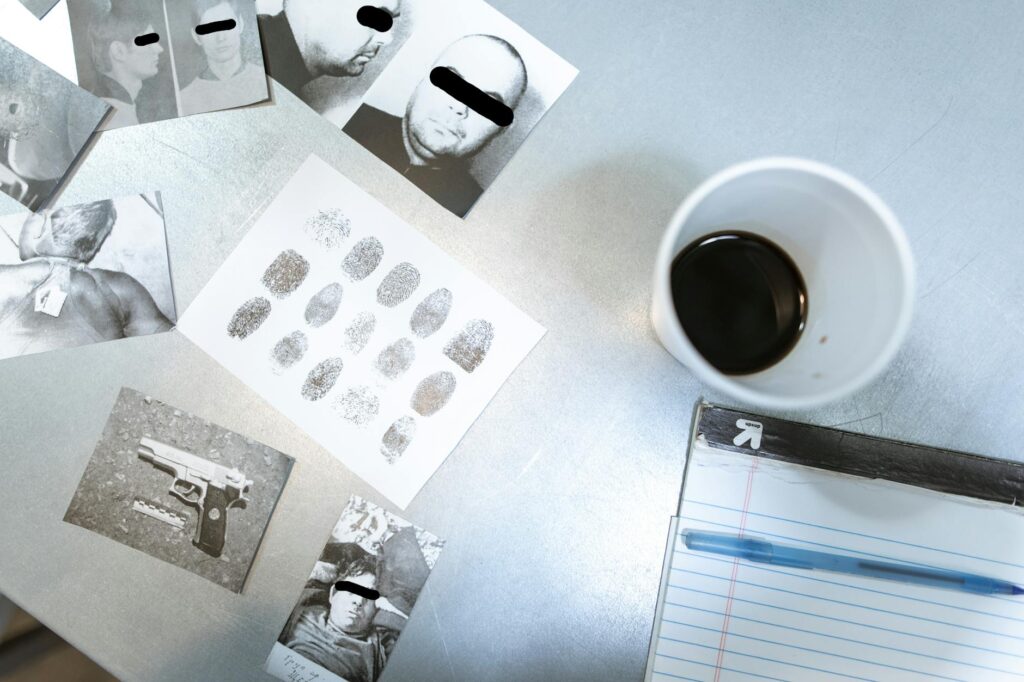
The Double-Edged Sword: Reenactments in True Crime Documentaries
This guide covers everything about Reenactments in True Crime Docs: Ethical Boundaries and Artistic License. Most true crime documentaries aim to shed light on complex cases, but how they choose to do it can spark significant debate. The use of reenactments, in particular, is a recurring flashpoint, forcing us to consider the delicate balance between artistic license and ethical responsibility. As of May 2026, this conversation remains as vital as ever.
Last updated: May 5, 2026
The allure of reenactments is understandable. They can visually represent events that were never filmed, fill narrative gaps, and evoke a stronger emotional connection with the viewer. However, when does dramatic interpretation cross the line into misrepresentation or exploitation? This article dives into the ethical considerations and artistic freedoms that define reenactments in today’s true crime landscape.
Key Takeaways
- Reenactments can enhance viewer engagement but risk distorting facts.
- Ethical filmmaking demands a transparent approach to artistic choices in reenactments.
- Balancing narrative drama with historical accuracy is paramount.
- The portrayal of victims and their families requires immense sensitivity.
- Filmmakers must critically assess the necessity and impact of every reenactment.
Crafting the Narrative: Artistic License vs. Factual Integrity
Filmmakers often face the challenge of translating complex, often fragmented, real-life events into a compelling narrative. Artistic license allows them to make creative choices to enhance storytelling, such as using specific camera angles, dialogue, or pacing. In reenactments, this can mean inferring emotions or reconstructing conversations that weren’t witnessed.
For instance, imagine a documentary covering a decades-old cold case. Key witnesses might be deceased, or their memories faded. A filmmaker might choose to reenact a crucial confrontation, inferring the tension and dialogue based on existing testimonies and evidence. While this can make the story more vivid, it also introduces an element of interpretation that wasn’t part of the original event. The question then becomes: how much inference is acceptable before it becomes fabrication?
According to the Documentary Producers Alliance (DPA), a fictionalized scene within a documentary should ideally be clearly signposted to the audience. This can be done through subtle visual cues or an explicit on-screen disclaimer. The goal is to ensure viewers understand where documented fact ends and dramatic interpretation begins.
The Weight of Portrayal: Ethical Boundaries in Reenactments
The most significant ethical considerations arise when reenactments involve victims, their families, or sensitive events. Portraying real people, especially in moments of extreme distress or trauma, carries immense responsibility. Filmmakers must tread carefully to avoid sensationalizing suffering or perpetuating harmful stereotypes.
Consider a reenactment of a victim’s final moments. If the depiction is overly graphic or speculative, it can be deeply distressing for surviving family members and may be seen as exploiting their pain for entertainment. It’s not just about recounting what happened, but how it’s shown. The DPA also emphasizes the importance of consulting with families where possible, though this is not always feasible or desired by the families themselves.
A 2025 study published in the Journal of Media Ethics highlighted that documentaries using reenactments of traumatic events without explicit consent or sensitive handling were more likely to draw viewer criticism and negatively impact the perception of the individuals involved. This underscores the need for empathy and respect in the creative process.
Accuracy and Authenticity: The Viewer’s Expectation
Viewers of true crime documentaries generally expect a degree of factual accuracy. While they understand that some dramatic liberties might be taken, outright misrepresentation can erode trust. When a reenactment depicts an event that contradicts established facts or official records, it can lead to accusations of bias or sensationalism.
For example, if a reenactment shows a suspect confessing in a way that doesn’t align with their known statement or trial testimony, it can lead to public confusion. This is particularly problematic in cases where legal proceedings are ongoing or have recently concluded, as it can influence public opinion and potentially impact future legal processes. The Society of Professional Journalists’ code of ethics stresses the importance of accuracy and fairness in reporting, principles that extend to documentary filmmaking.
When is a Reenactment Necessary? Purpose and Justification
Not all true crime stories benefit from reenactments. Their inclusion should serve a clear purpose, such as illustrating a key piece of evidence, demonstrating a sequence of events that can’t be shown through archival footage or expert interviews, or providing context that would otherwise be lost.
A documentary about a complex financial fraud, for instance, might use a reenactment to visually explain how the scheme operated, showing characters interacting in a boardroom or at a computer. This can be far more effective than a lengthy verbal explanation. However, if the reenactment adds little to the understanding and primarily serves to increase dramatic tension, its necessity should be questioned.
Filmmakers like Sarah Polley, known for her work on documentaries that blend personal narrative with social commentary, have spoken about the responsibility to be transparent about their methods. In her 2024 documentary, she included clear markers when using speculative reconstructions, distinguishing them from factual accounts.
Navigating the Legal and Ethical Minefield
The use of reenactments can also have legal implications. While artistic license is a recognized defense in copyright and defamation cases, it doesn’t absolve filmmakers of ethical duties. Defamation claims could arise if a reenactment falsely portrays an individual in a negative light, causing damage to their reputation.
And, privacy concerns can arise if reenactments depict private moments or sensitive details about individuals’ lives, especially if those individuals are not public figures and have not consented. Legal experts advise that filmmakers should carefully vet their scripts and ensure that any speculative elements are grounded in substantial evidence or clearly presented as interpretation.
The recent case involving the documentary ‘The Silent Witness’ (2025) brought these issues to the forefront. While lauded for its gripping narrative, critics pointed out that certain reenacted scenes, particularly those involving private conversations, could not be independently verified and potentially painted the primary suspect in an unfairly prejudicial light, despite the filmmaker’s claims of artistic interpretation.
The Viewer’s Role: Critical Consumption of True Crime Content
As viewers, we also play a role in navigating these ethical complexities. It’s important to approach true crime documentaries with a critical eye, recognizing that they are curated narratives, not unvarnished reality. Understanding the techniques used, including reenactments, helps us to better assess the information presented.
When watching a documentary that uses reenactments, consider the following:
- Is the reenactment clearly distinguished from factual footage or interviews?
- Does it seem to add genuine insight, or does it solely serve to sensationalize?
- Is the portrayal of individuals respectful, or does it appear speculative and potentially damaging?
- Is there a clear attempt at factual accuracy in the details of the reenactment?
By asking these questions, we can become more discerning consumers of true crime content, appreciating the art of filmmaking while remaining vigilant about its ethical responsibilities. The rise of interactive documentaries and viewer forums in 2026 has also allowed for more public discussion and critique of these narrative choices.
Best Practices for Ethical Reenactments
For filmmakers aiming to use reenactments responsibly, several best practices can guide their work:
- Transparency is Key: Clearly inform the audience when a scene is a reenactment. This can be achieved through on-screen text, voice-over narration, or a disclaimer at the beginning or end of the film.
- Ground in Evidence: Ensure that reenacted dialogue, actions, and settings are as accurate as possible, based on credible evidence, witness accounts, or expert analysis. Avoid inventing details that can’t be substantiated.
- Respectful Portrayal: Treat real individuals, especially victims and their families, with dignity and empathy. Avoid gratuitous depictions of violence or trauma.
- Purposeful Inclusion: Only use reenactments when they are essential to understanding the story or conveying a crucial aspect of the case. If the narrative can be effectively told through other means, consider those alternatives.
- Consultation: Whenever possible and appropriate, consult with individuals or families directly affected by the events. Their input can be invaluable in ensuring respectful and accurate representation.
- Avoid Sensationalism: Focus on conveying the truth of the event rather than heightening drama through exaggeration or speculation.
The ethical framework for documentary filmmaking is constantly evolving. As technology advances and storytelling techniques become more sophisticated, the conversation around reenactments will undoubtedly continue. The ultimate goal must be to inform and engage audiences without compromising the truth or disrespecting the lives involved.
Frequently Asked Questions
What is artistic license in documentary filmmaking?
Artistic license in documentaries refers to the filmmaker’s freedom to make creative choices in storytelling, which may include speculative reconstructions, narrative structuring, or visual interpretations, to enhance the viewer’s experience or understanding of the subject matter.
When do reenactments become unethical in true crime documentaries?
Reenactments become unethical when they misrepresent facts, sensationalize violence or trauma, exploit victims’ suffering for entertainment, or are presented as factual events without clear disclosure to the audience.
How can filmmakers ensure accuracy in reenactments?
Filmmakers can ensure accuracy by thoroughly researching the events, relying on verifiable evidence, consulting experts and witnesses, and clearly distinguishing speculative elements from documented facts.
What is the impact of reenactments on viewers’ perception of a crime?
Reenactments can make a crime more tangible and emotionally resonant, potentially increasing viewer understanding. However, if inaccurate or biased, they can skew public perception, leading to unfair judgments about suspects or victims.
Should families of victims be consulted about reenactments?
Consulting families is highly recommended as a matter of ethical practice. It shows respect for their experience and can provide crucial insights for accurate and sensitive portrayal, though it may not always be feasible or desired by the families.
Are there legal risks associated with using reenactments?
Yes, filmmakers face potential legal risks such as defamation claims if reenactments falsely portray individuals negatively, or invasion of privacy concerns if private, unverified details are depicted.
How do viewers know if they are watching a reenactment?
Viewers can often identify reenactments through visual cues like actors portraying real people, cinematic filming styles distinct from archival footage, and explicit on-screen disclaimers or narrative explanations provided by the filmmaker.
Conclusion
Reenactments in true crime documentaries are powerful tools that can illuminate complex events but also carry significant ethical weight. As viewers and creators, maintaining a critical awareness of artistic license versus factual integrity is paramount. By prioritizing transparency, accuracy, and respect for all individuals involved, filmmakers can harness the power of reenactments responsibly, ensuring that the pursuit of compelling storytelling never overshadows the pursuit of truth and justice.
Last reviewed: May 2026. Information current as of publication; pricing and product details may change.
Related read: Choosing the Right Music for Your Indie Film: A Composer's Guide 2026. Knowing how to address Reenactments in True Crime Docs: Ethical Boundaries and Artistic License early makes the rest of your plan easier to keep on track.