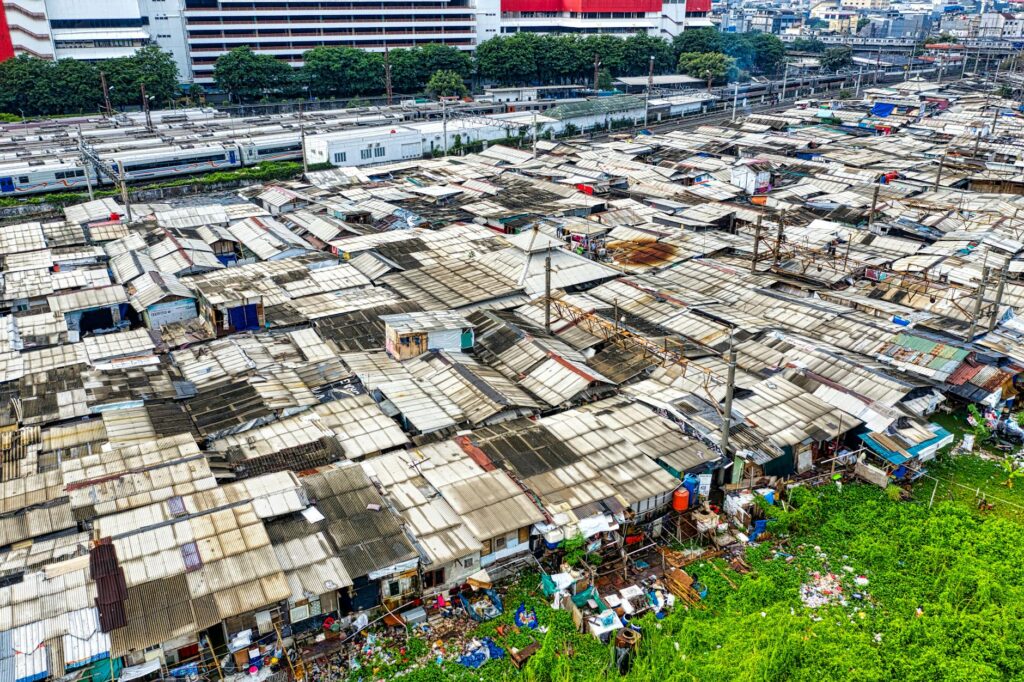
This guide covers everything about Sociological Perspectives on Crime: Poverty, Inequality, and Violence. A common question asked is: why do certain communities experience higher rates of crime than others? The answer, as sociologists have long argued, is deeply intertwined with systemic issues like poverty, inequality, and violence.
Last updated: May 5, 2026
It’s easy to point fingers at individuals, but a sociological lens shifts our focus to the broader societal structures that shape behavior. As of May 2026, these connections are more evident than ever, influencing everything from individual choices to community safety.
Key Takeaways
- Sociological perspectives highlight how poverty and inequality create conditions conducive to crime.
- Social disorganization theory suggests that weak community structures in impoverished areas contribute to higher crime rates.
- Strain theory posits that when individuals can’t achieve societal goals through legitimate means, they may resort to crime.
- Conflict theory views crime as a result of power struggles between different social groups.
- Addressing crime effectively requires tackling its root causes: poverty, inequality, and lack of opportunity.
The Intertwined Roots of Crime: Poverty and Inequality
Sociological Perspectives on Crime: Poverty, Inequality, and Violence are not just academic theories; they reflect real-world struggles. Poverty, characterized by a lack of basic resources, and inequality, the uneven distribution of wealth and opportunity, often go hand-in-hand.
When significant portions of a population lack stable employment, adequate housing, or access to quality education, the social fabric begins to fray. This can lead to desperation, frustration, and a sense of powerlessness. For instance, a young person growing up in a neighborhood with high unemployment and few positive role models might see illegal activities as a more viable path to survival or status than legitimate endeavors.
From a different angle, consider the impact of stark economic disparities. When some live in opulent luxury while others struggle daily for necessities, resentment and social tension can build. This inequality can manifest in various forms of violence, not just street crime, but also exploitation and systemic abuse.
Social Disorganization Theory: When Communities Struggle
One of the foundational sociological perspectives is Social Disorganization Theory. This theory, developed by scholars like Shaw and McKay, suggests that crime rates are higher in neighborhoods with weak social ties, lack of collective efficacy, and high residential mobility.
These are often the very conditions found in areas plagued by poverty and economic instability. When a community struggles with high transience, limited resources for social programs, and a lack of trust among residents, it becomes harder to maintain order and prevent crime. Imagine a neighborhood where people don’t know their neighbors well, businesses close down frequently, and there’s a constant turnover of residents; it’s harder for collective action to form to, say, organize neighborhood watches or support at-risk youth.
What this means in practice is that policies focusing solely on policing without addressing the underlying social disorganization are unlikely to yield lasting results. Investing in community centers, affordable housing, and local job creation can strengthen these social ties, making communities more resilient to crime.
Strain Theory: The Pressure to Succeed
Robert Merton’s Strain Theory offers another critical perspective. It posits that crime occurs when individuals experience a strain between culturally defined goals (like financial success) and the legitimate means available to achieve them.
In societies with high inequality, the pressure to attain wealth and status can be immense, yet opportunities are not equally distributed. For someone born into poverty without access to quality education or well-paying jobs, the conventional path to success is blocked. This strain can lead to various adaptations, including innovation (using illegitimate means to achieve goals), rebellion, or retreatism.
Consider Aisha, a talented artist in a low-income urban area. She dreams of opening her own gallery, but lacks the capital and connections. Faced with mounting student loan debt and the inability to secure business loans due to her neighborhood’s perceived risk, she might feel immense pressure. If legitimate avenues are continually closed off, the temptation to engage in illicit activities to fund her dream, or simply to survive, becomes a real possibility.
Conflict Theory: Power and Crime
Conflict theory, often associated with Karl Marx and later thinkers like Ralf Dahrendorf, views crime as a product of social conflict and power struggles. From this perspective, the laws and the criminal justice system often reflect the interests of the powerful, criminalizing behaviors more common among the less powerful.
Inequality is central to this theory. Those with more economic and political power can shape laws to their advantage, while those with less power may be disproportionately targeted by enforcement. This can create a cycle where marginalized groups are criminalized, further entrenching their disadvantaged status.
For example, certain street-level drug offenses, often associated with impoverished communities, are heavily penalized, while white-collar crimes committed by the wealthy might result in lighter sentences or less severe legal repercussions. This disparity highlights how power dynamics influence what is defined as criminal and how it’s policed.
Common Mistakes in Addressing Crime
When trying to understand and tackle crime, several common mistakes can hinder progress:
- Focusing solely on individual blame: This ignores the systemic factors like poverty and inequality that contribute significantly to criminal behavior. For example, attributing a shoplifting incident solely to an individual’s moral failing without considering their potential desperation due to job loss.
- Ignoring the role of social environment: Failing to recognize that neighborhoods with high unemployment, poor schools, and lack of recreational facilities create different challenges and opportunities than affluent, well-resourced areas. A policy that works in one context might fail in another.
- Implementing one-size-fits-all solutions: Crime prevention strategies need to be tailored to specific community needs and the unique social and economic conditions present. A purely punitive approach might not address the underlying causes of crime in a particular community.
- Underestimating the impact of historical disadvantage: Generations of discrimination and systemic exclusion can create deep-seated issues that require long-term, targeted interventions. Forgetting this can lead to frustration and a lack of progress.
Practical Steps Towards Solutions
Understanding these sociological perspectives is the first step. Practically speaking, addressing crime effectively requires a multi-pronged approach that tackles its root causes:
Strengthening Economic Opportunity
Investing in job creation programs, vocational training, and livable wages can provide legitimate pathways to success. This is particularly crucial in areas with high poverty rates. For example, initiatives like apprenticeships in growing industries offer tangible career prospects.
Reducing Inequality
Policies aimed at reducing income and wealth disparities, such as progressive taxation and increased social welfare programs, can help mitigate the social tensions that fuel crime. Ensuring equitable access to resources, from healthcare to education, is vital.
Investing in Communities
Strengthening social ties through community centers, after-school programs, and support for local organizations can foster collective efficacy. When communities are empowered and cohesive, they are better equipped to prevent and address crime.
Reforming the Criminal Justice System
Moving towards a system that prioritizes rehabilitation and addresses the social factors contributing to recidivism, rather than solely focusing on punishment, is essential. This includes exploring alternatives to incarceration for non-violent offenses and providing re-entry support.
Expert Insights and Future Trends
As of May 2026, criminologists and sociologists are increasingly emphasizing the role of social determinants of crime. The COVID-19 pandemic and its economic fallout have exacerbated existing inequalities, potentially leading to shifts in crime patterns. Experts anticipate a continued focus on community-based interventions and restorative justice practices.
There’s also a growing recognition of the need for intersectional approaches, understanding how factors like race, gender, and sexual orientation intersect with poverty and inequality to shape criminal justice experiences. For instance, research by the [National Association of Sociologists] (2025) highlights how systemic racism contributes to disproportionate policing and sentencing in minority communities.
Looking ahead, the challenge lies in translating these insights into effective public policy. Data-driven approaches that combine sociological understanding with practical implementation are key. The goal is not just to reduce crime, but to build safer, more equitable societies for everyone.
Frequently Asked Questions
What is the primary sociological perspective on crime?
Sociological perspectives view crime not just as individual acts, but as phenomena deeply influenced by social structures, including poverty, inequality, social disorganization, and power dynamics.
How does poverty directly contribute to crime according to sociologists?
Poverty can create desperation, limit opportunities for legitimate success, and foster environments where crime may seem like a viable option for survival or social mobility.
What is Social Disorganization Theory’s link to crime?
This theory suggests that communities with weak social ties, high residential mobility, and lack of collective efficacy, often found in impoverished areas, experience higher crime rates.
How does inequality lead to violence?
Significant disparities in wealth and opportunity can breed resentment, social tension, and a sense of injustice, which can manifest as various forms of violence.
Are there sociological solutions to crime that don’t involve more policing?
Yes, sociological solutions focus on addressing root causes through economic development, reducing inequality, strengthening communities, and reforming the criminal justice system for rehabilitation.
What role does education play in sociological views on crime?
Sociologists emphasize that unequal access to quality education limits opportunities, contributing to strain and social disorganization, thereby increasing the likelihood of crime.
Conclusion
The sociological perspectives on crime, poverty, inequality, and violence offer a powerful framework for understanding why crime occurs and how to address it. By recognizing the systemic nature of these issues, we can move beyond simplistic explanations and implement more effective, equitable solutions.
Actionable Takeaway: Advocate for and support community-based programs that address economic opportunity and social cohesion, as these are critical in building safer societies.
Last reviewed: May 2026. Information current as of publication; pricing and product details may change.
Source: Britannica
Editorial Note: This article was researched and written by the Afro Literary Magazine editorial team. We fact-check our content and update it regularly. For questions or corrections, contact us. Knowing how to address Sociological Perspectives on Crime: Poverty, Inequality, and Violence early makes the rest of your plan easier to keep on track.