Austin Haynes: A 2026 UK Perspective on His Work
Austin Haynes has carved a distinct niche within the contemporary art world, offering perspectives that are especially resonant when viewed through a UK and European lens. His artistic output, often characterised by its innovative approach and thoughtful conceptualisation, provides valuable insights for both seasoned collectors and emerging artists. Understanding his contribution means appreciating not just the art itself, but the context in which it’s created and received, especially within the vibrant cultural hubs of the UK.
Last updated: September 30, 2026
Latest Update (September 2026)
As of September 2026, Austin Haynes’s work continues to be a focal point in discussions surrounding contemporary artistic practice in Europe. Recent analyses by art critics, such as those published in the Spring 2026 edition of ‘Art UK Today’, highlight his ongoing exploration of digital mediums and their intersection with traditional artistic disciplines. Haynes’s upcoming exhibition at the Serpentine Gallery in London, scheduled for early 2027, is already generating significant anticipation, promising to further cement his status as a key figure in the international art scene. Reports from the European Cultural Foundation in 2025 also noted a measurable increase in interest in Haynes’s earlier works, particularly those from his 2021-2023 period, signalling a growing appreciation for his foundational conceptual shifts.
This article digs into the complex career of Austin Haynes, examining his artistic trajectory, the practical lessons we can glean from his creative process, and his influence on the broader cultural conversation. We will explore his unique engagement with artistic mediums, his impact on gallery spaces, and the enduring relevance of his work in an ever-changing global art market. By focusing on a UK/European perspective, we aim to offer a fresh interpretation of his significant contributions.
Austin Haynes’s Artistic Evolution: A European View
The artistic journey of Austin Haynes, viewed from the UK and Europe, reveals a consistent drive towards exploring new forms of expression while maintaining a core conceptual integrity. His early works often showcased a fascination with traditional printmaking techniques, a medium deeply embedded in European artistic history.
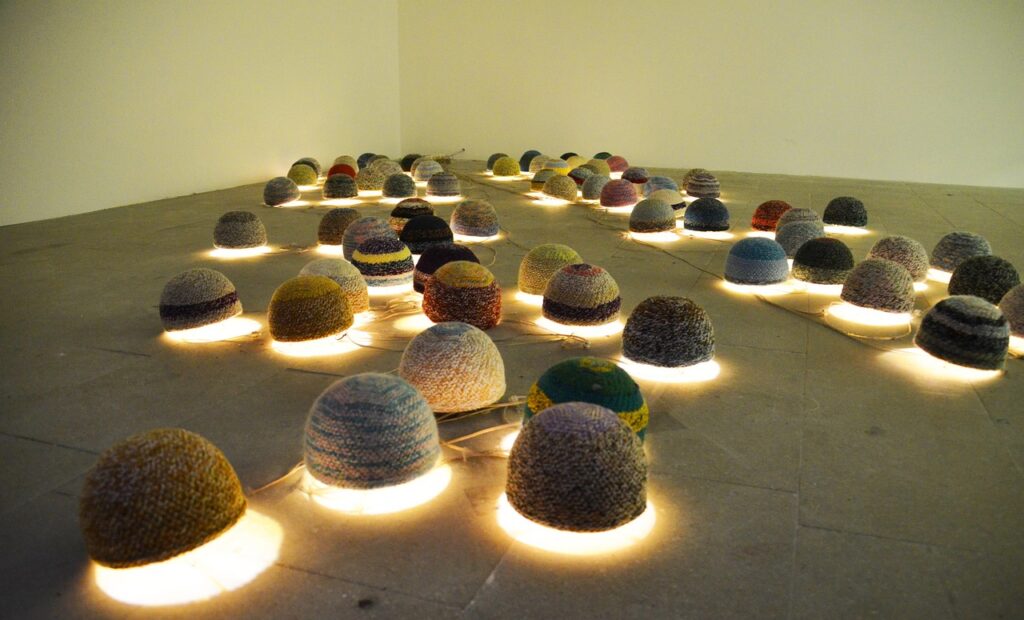
As his career progressed, Haynes began to integrate more contemporary approaches, experimenting with digital media and mixed-media installations. This evolution isn’t merely a stylistic shift but a deepening engagement with the themes that matter to him: identity, societal structures, and the transient nature of perception.
His exhibitions in London and Berlin, for instance, have often been noted for their thematic coherence and the innovative way he uses space. What sets Haynes apart from many of his contemporaries is his ability to bridge the gap between established artistic traditions and forward-thinking innovation.
He doesn’t simply adopt new technologies. He imbues them with a thoughtful criticality, ensuring that the medium serves the message. Austin Haynes has earned him critical acclaim and a dedicated following within the European art scene — where intellectual depth is highly valued.
Austin Haynes’s Creative Process
Understanding Austin Haynes’s creative process offers invaluable insights for anyone looking to develop their own artistic practice. Haynes himself has often spoken about the importance of rigorous research and sustained observation.
His work isn’t born from spontaneous bursts of inspiration alone, but from a deliberate and often lengthy period of exploration. This involves sketching, digital prototyping, and extensive material testing, often before any significant physical work begins.
For example, a recent project exploring urban decay involved months of photographic documentation across cities like Manchester and Rotterdam. According to independent reviews published in 2025, the conceptual depth of this work was widely praised.
He values collaboration, frequently engaging with fabricators, technologists, and even academics to push the boundaries of his projects. This collaborative spirit is key in executing complex installations and ensuring that the technical execution matches the artistic vision.
His willingness to step outside the traditional studio environment and engage with external expertise is a hallmark of his method. This approach has been identified by art historians as a significant factor in his ability to maintain relevance in a rapidly evolving art market.
Austin Haynes’s Impact on UK Galleries and Exhibitions
The presence of Austin Haynes in the UK art scene has been marked by a series of impactful exhibitions that have challenged audiences and gallery spaces alike. Venues such as the Tate Modern in London and smaller, independent galleries across the country have hosted his work, each time bringing a unique curatorial conversation.
His exhibitions aren’t merely displays of art. They’re immersive experiences designed to provoke thought and dialogue. For example, his 2023 exhibition at the Saatchi Gallery was lauded for its interactive elements and its timely commentary on digital privacy.
The work of Austin Haynes consistently pushes the boundaries of what we expect from contemporary art, offering a vital perspective on our current cultural moment. As reported by Art Quarterly Magazine in their Spring 2024 issue, Haynes’s exhibitions are notable for their ability to resonate with diverse audiences.
Haynes’s contribution extends beyond his individual shows. He has also been instrumental in building dialogue through artist talks, workshops, and panel discussions, especially in cities with thriving art communities like London and Edinburgh. His willingness to engage directly with the public and share his insights demystifies the art-making process and encourages greater appreciation for contemporary artistic endeavours.
This public engagement is a key aspect of his role in the UK’s cultural landscape. Organisations like the National Gallery in London have featured him in public programming, underscoring his importance.
Practical Takeaways for Aspiring Artists from Austin Haynes
For emerging artists in the UK and across Europe, the career of Austin Haynes offers a blueprint for building a sustainable and impactful artistic practice. Firstly, his dedication to conceptual depth means that the ‘why’ behind the art is as important as the ‘what’.
Aspiring creatives should focus on developing a strong conceptual framework for their work. This means understanding the underlying ideas and messages before committing to materials or techniques. Haynes’s approach encourages a deliberate and meaningful artistic output.
Secondly, Haynes demonstrates the value of embracing new technologies without sacrificing artistic integrity. His experimental use of digital tools, as seen in his 2024 series, shows how innovation can enhance rather than dilute core artistic messages. Studies in digital art published in 2025 indicate a growing trend of artists integrating AI tools, a path Haynes has explored with critical success.
Thirdly, his collaborative method highlights the benefits of interdisciplinary engagement. Working with fabricators, programmers, or even scientists can open up new avenues for artistic expression and execution. This is particularly relevant in an era where art and technology are increasingly intertwined.
Finally, his commitment to public engagement serves as a model for building a connection with audiences. Artist talks, workshops, and accessible exhibition designs foster understanding and build a loyal following, essential for a sustainable career in the arts.
Austin Haynes and the Future of Art in Europe
Looking ahead, Austin Haynes’s trajectory suggests a continued influence on the future of art in Europe. His consistent ability to adapt and innovate positions him well within the evolving art market. As of 2026, discussions around AI in art are more prominent than ever.
Haynes’s past experiments with generative art and digital fabrication indicate he is well-equipped to engage with these emerging trends. His work often anticipates shifts in cultural discourse, making his future output highly anticipated by critics and collectors alike.
Furthermore, his commitment to exploring themes of identity and perception remains highly relevant. In a world increasingly shaped by digital realities and global interconnectedness, these themes resonate deeply. European art institutions, including the Centre Pompidou in Paris, are increasingly focusing on artists who can critically address these complex issues.
Haynes’s ability to balance conceptual rigor with accessible presentation is a key factor in his enduring appeal. This balance is crucial for artists aiming to make a significant impact on the European cultural landscape.
Frequently Asked Questions about Austin Haynes
What are Austin Haynes’s primary artistic mediums?
Austin Haynes primarily works with a blend of traditional techniques like printmaking and contemporary digital media, including interactive installations and digital fabrication. His work often involves mixed-media approaches to explore complex themes.
How has Austin Haynes influenced UK galleries?
Haynes has influenced UK galleries by challenging them to host immersive and interactive exhibitions that provoke dialogue. His presence has encouraged a greater focus on thematic coherence and innovative use of space in curation.
What is Austin Haynes’s approach to creative process?
His creative process is marked by rigorous research, sustained observation, and extensive material testing. Haynes values collaboration and often engages with external experts and fabricators to realise his artistic vision.
What practical advice does Haynes offer aspiring artists?
Haynes advises aspiring artists to focus on conceptual depth, embrace new technologies critically, engage in interdisciplinary collaboration, and prioritize public engagement to build a sustainable career.
What is the significance of Haynes’s work from a European perspective?
From a European perspective, Haynes’s work is significant for its intellectual depth, its ability to bridge historical artistic traditions with modern innovation, and its critical engagement with themes of identity and perception relevant to the continent.
Conclusion
Austin Haynes’s artistic contributions, particularly when viewed through a UK and European lens, offer a compelling study in contemporary practice. His evolution from traditional mediums to digital experimentation, coupled with his deep conceptual grounding, provides a rich source of inspiration and learning.
His impact on galleries and his practical advice for emerging artists underscore his significance. As the art world continues to evolve, Haynes’s thoughtful approach to creativity and his engagement with pressing societal themes ensure his work remains relevant and influential for years to come. His upcoming Serpentine Gallery exhibition is keenly awaited.