Navigating the Maze: How the Criminal Justice System Works
A common question is: how does the criminal justice system actually work? In essence, it’s a complex network of government agencies and processes designed to control crime, impose penalties on those who break the law, and ensure public safety. As of May 2026, this system remains a cornerstone of societal order, encompassing everything from initial police response to long-term offender rehabilitation.
Last updated: May 16, 2026
But what happens when an alleged crime occurs? The journey through the criminal justice system is often perceived as daunting, involving numerous stages and actors. Understanding these steps isn’t just for legal professionals; it’s vital for any engaged citizen seeking a clearer picture of law and order in our communities.
- The criminal justice system involves law enforcement, courts, and corrections working together to manage crime and ensure justice.
- The process typically begins with an investigation and arrest, moving through prosecution, adjudication, and sentencing.
- Corrections focuses on punishment, deterrence, and rehabilitation of convicted offenders.
- Each stage involves critical decisions and the exercise of discretion by various professionals.
- Understanding this system promotes informed civic participation and awareness of legal rights and responsibilities.
Law Enforcement: The First Responders
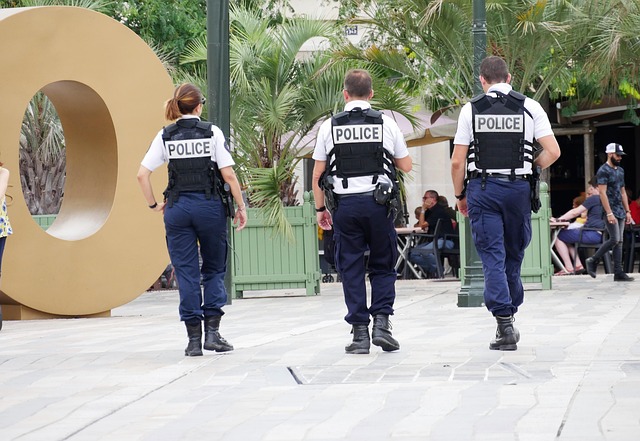
The criminal justice process typically begins with law enforcement agencies. Police officers are tasked with preventing crime, investigating suspected criminal activity, and apprehending individuals believed to have committed offenses. Their role is complex, involving patrol, community engagement, and responding to emergency calls.
When an alleged crime occurs, officers gather initial evidence, interview witnesses, and, if probable cause exists, make an arrest. This arrest is a critical juncture, initiating the formal legal process. The effectiveness of law enforcement directly impacts the subsequent stages of the justice system, influencing the evidence available for prosecution.
The Courts: Adjudication and Trial
Following an arrest, the case proceeds to the court system, which is responsible for determining guilt or innocence and imposing sentences. This phase is often referred to as adjudication. It involves prosecutors, defense attorneys, judges, and sometimes juries.
Prosecutors, representing the state or federal government, decide whether to formally charge the suspect with a crime based on the evidence presented by law enforcement. Defense attorneys represent the accused, ensuring their rights are protected. If a plea agreement isn’t reached, the case may go to trial, where evidence is presented, witnesses testify, and a verdict is rendered.
The trial process can involve several steps, including jury selection, opening statements, presentation of evidence, closing arguments, jury instructions, and the final verdict. This rigorous process is designed to ensure fairness and adherence to due process.
Sentencing and Corrections: Punishment and Rehabilitation
If a defendant is found guilty or pleads guilty, the court moves to sentencing. This stage involves determining an appropriate punishment based on the severity of the crime, the defendant’s criminal history, and other factors. Sentences can range from fines and probation to imprisonment.
The correctional system then takes over the management of convicted offenders. This includes prisons, jails, and probation services. The goals of corrections are varied: punishment, deterrence of future crime, incapacitation of offenders, and, ideally, rehabilitation. As of May 2026, there’s a continued focus on evidence-based rehabilitation programs aimed at reducing recidivism.
These programs can include educational courses, vocational training, substance abuse counseling, and mental health services. The aim is to equip individuals with the skills and support needed to reintegrate successfully into society upon release.
Discretion and Decision-Making Throughout the Process
A crucial, often overlooked, aspect of how the criminal justice system works is the significant role of discretion at every level. From police officers deciding whether to arrest, to prosecutors choosing charges, to judges determining sentences, human judgment plays a vital part.
This discretion allows for flexibility in applying the law to individual circumstances, but it also raises concerns about fairness and potential bias. Different jurisdictions and individuals may exercise discretion differently, leading to varied outcomes for similar offenses. Understanding where discretion is exercised helps explain inconsistencies within the system.
The Role of Prosecution and Defense
At the heart of the court system are the opposing forces of prosecution and defense. Prosecutors, working for the government, bear the burden of proving the defendant’s guilt beyond a reasonable doubt. They review evidence, interview witnesses, and present the state’s case.
Conversely, defense attorneys advocate for the accused. Their primary duty is to protect the defendant’s rights, challenge the prosecution’s evidence, and present a defense. This adversarial system, central to many legal traditions, aims to uncover the truth through competing arguments. For instance, a defense attorney might highlight weaknesses in forensic evidence or present an alibi witness.
Juvenile vs. Adult Justice Systems
remember that the criminal justice system often differentiates between adult and juvenile offenders. The juvenile justice system, generally for individuals under 18, is typically more focused on rehabilitation than punishment. Its procedures and terminology may differ significantly from the adult system.
The goal is to address the needs of young people who have committed offenses, often with less emphasis on formal court proceedings and more on supportive interventions. However, depending on the severity of the crime and the age of the offender, juveniles may sometimes be tried as adults.
Challenges and Reform in 2026
Despite its foundational role, the criminal justice system faces ongoing challenges. Issues such as overcrowding in correctional facilities, concerns about racial disparities, and questions surrounding effective rehabilitation strategies are subjects of continuous debate and reform efforts. According to the Bureau of Justice Statistics, as of 2026, prison populations remain a significant concern, highlighting the need for effective solutions.
As of May 2026, many jurisdictions are exploring reforms aimed at reducing incarceration rates, improving police-community relations, and enhancing re-entry programs. These initiatives reflect a growing understanding that a truly just system must be equitable, effective, and focused on both accountability and restorative outcomes.
Practical Tips for Civic Engagement
Understanding how the criminal justice system works empowers individuals to participate more effectively in their communities. Here are a few practical tips:
- Stay Informed: Follow news and reports on local and national criminal justice developments. Understand the laws in your jurisdiction.
- Engage Locally: Attend town hall meetings or community forums discussing public safety and justice issues.
- Support Reform Efforts: Learn about organizations working on criminal justice reform and consider supporting their initiatives.
- Know Your Rights: Familiarize yourself and others with basic legal rights during police interactions.
- Vote Responsibly: Support candidates and policies that promote fair and effective justice practices.
Practically speaking, informed citizens can advocate for improvements and hold institutions accountable. This engagement is key to fostering a more just society.
Frequently Asked Questions
What are the main components of the criminal justice system?
The three primary components are law enforcement (police), the courts (judiciary), and corrections (prisons, probation, parole). These work in conjunction to address crime and administer justice.
How does the criminal justice process typically begin?
The process usually starts with an investigation by law enforcement, leading to an arrest if probable cause is established for a suspected crime.
What is the role of a prosecutor?
Prosecutors represent the government and are responsible for deciding whether to bring charges against a suspect and presenting the case in court.
What is the main goal of the correctional system?
The correctional system aims to punish convicted offenders, deter future crime, incapacitate dangerous individuals, and facilitate offender rehabilitation.
How are juveniles treated differently in the justice system?
The juvenile justice system typically emphasizes rehabilitation over punishment, with different procedures and goals compared to the adult system.
What does ‘recidivism’ mean in the context of criminal justice?
Recidivism refers to the rate at which convicted offenders re-offend after release from incarceration or completion of their sentence.
Moving Forward with Understanding
Understanding how the criminal justice system works is essential for a functioning democracy. It’s a dynamic system, constantly evolving in response to societal needs and challenges. By grasping the roles of law enforcement, the courts, and corrections, citizens can better engage with issues of public safety and legal fairness.
Actionable Takeaway: Educate yourself on the specific criminal justice processes in your local community and support initiatives that promote fairness and effectiveness within the system.
Last reviewed: May 2026. Information current as of publication; specific details and policies may change.
Editorial Note: This article was researched and written by the Afro Literary Magazine editorial team. We fact-check our content and update it regularly. For questions or corrections, contact us. For readers asking “How the criminal justice system works”, the answer comes down to the specific factors covered above.