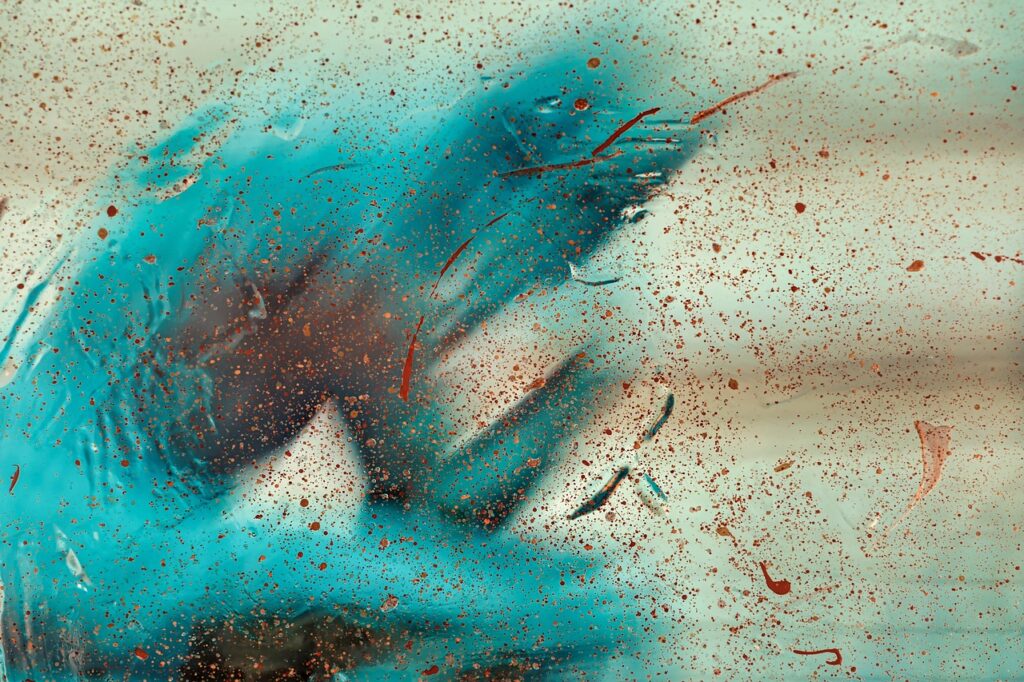
Action Painting vs. Color Field: Abstract Expressionism’s Core Techniques
Abstract Expressionism, a post-World War II art movement, encompasses a wide spectrum of styles, but two dominant branches stand out: Action Painting and Color Field painting. While both emerged from the same artistic milieu and shared a desire to express profound emotion, their approaches and visual outcomes differ significantly. Action Painting is characterized by its gestural and dynamic nature, emphasizing the physical act of creation. In contrast, Color Field painting offers an expansive and meditative experience, focusing on the impact of large, flat areas of color. Understanding these techniques enriches your appreciation of Abstract Expressionism’s breadth and its artists’ diverse explorations of the human psyche.
Last updated: August 26, 2026
The year 2026 continues to see renewed interest in these pivotal movements, with retrospectives and scholarly analyses shedding new light on their enduring impact. Experts highlight the raw energy of Action Painting and the contemplative depth of Color Field as crucial pillars of modern art.
Latest Update (August 2026)
Recent art world discussions, as noted by publications like the California Review of Books, continue to explore the legacy of Abstract Expressionism. A recent review edited by Nicholas Serota and Dieter Schwarz highlights the ongoing relevance of Gerhard Richter’s work, a contemporary artist whose diverse practice often engages with the philosophical underpinnings of abstract art, including elements reminiscent of both gestural abstraction and minimalist color exploration. While Richter’s output is distinct, his engagement with paint and surface invites viewers to consider the dialogues between process and perception that defined Abstract Expressionism. As of August 2026, the market for seminal Abstract Expressionist works remains robust, with auctions consistently drawing significant attention from collectors and institutions.
Furthermore, the art market continues to feature a broad range of historical and contemporary abstract works. For instance, Artsy recently listed a 2019 piece by Katherine Bernhardt, “Guadalajara – Birds – Graz (Austria) Solo Show 2026-…,” showcasing a contemporary artist whose vibrant, often process-driven approach can be seen as echoing some of the spontaneous energy found in Action Painting, albeit in a distinctly modern context. This highlights how the fundamental impulses of Abstract Expressionism continue to inform artistic practice today.
The Energetic Heartbeat: What Is Action Painting?
Action Painting is defined by the intensity of its creation process. The canvas becomes an arena for spontaneous, often vigorous, physical movement. Artists aren’t just applying paint; they are engaged in a performance. The final artwork serves as a trace of that dynamic process. Think of it as a dance between the artist, the materials, and the canvas.
The process is often improvisational. Drips, splashes, smears, and bold brushstrokes are not accidental but deliberate manifestations of the artist’s inner state. This approach seeks to capture raw emotion, energy, and the unconscious mind directly onto the surface. The resulting works are often complex, layered, and visually arresting.
A quintessential example is Jackson Pollock’s drip technique. He would lay his canvas on the floor and move around it, dripping, pouring, and flinging paint from cans or sticks. The sheer physicality of his method, often involving large canvases, transformed painting into a full-body experience. According to the Tate Museum, Pollock’s work embodies the idea that “the finished work is only the evidence of the artist’s encounter with the materials.”
Practically speaking, the viewer is invited to feel the energy and intensity of the creative moment. The texture, the apparent spontaneity, and the visible traces of the artist’s hand all contribute to this visceral experience. It’s about the journey of creation as much as the destination.
The Meditative Soul: Exploring Color Field Painting
Color Field painting, in contrast, seeks a more contemplative and immersive experience. Instead of gestural marks, artists use large, flat areas of solid color. The focus shifts from the artist’s physical action to the pure, unadulterated impact of color itself on the viewer’s psyche.
These works often feature vast expanses of a single hue or carefully orchestrated juxtapositions of color. The flatness of the surface is crucial, eliminating any illusionistic depth and emphasizing the painting as a physical object. This direct confrontation with color aims to evoke profound emotional and spiritual responses, often described as sublime or transcendental.
Mark Rothko is perhaps the most renowned Color Field painter. His signature style involves creating soft-edged rectangular forms that appear to float on their colored backgrounds. These works are not about depicting anything recognizable; they are intended to envelop the viewer, prompting introspection and emotional connection. As Rothko himself stated, “I am interested in expressing the basic human emotions—tragedy, ecstasy, doom, and so on.”
His large-scale canvases, often around 8 by 10 feet as of 2026, are designed to be experienced up close, creating an overwhelming sensory and emotional impact. What this means in practice is that Color Field art invites a slower, more internal engagement. Instead of feeling the artist’s energy, the viewer is meant to absorb the color’s resonance.
The scale and simplicity of the compositions allow for a deeply personal encounter with the artwork, where individual emotions and associations come to the fore. The power of Color Field lies in its ability to create an environment that envelops the viewer, fostering a sense of calm or awe.
Action Painting vs. Color Field: Key Distinctions
The fundamental divergence between Action Painting and Color Field lies in their primary focus: the process versus the outcome, the gesture versus the hue. However, many other differences emerge from this core distinction.
Technique: Action Painting is characterized by drips, splatters, impasto (thickly applied paint), and visible brushwork. Color Field relies on large, unmodulated areas of color, often applied with thin washes or staining techniques that soak into the canvas, creating a sense of flatness.
Energy and Emotion: Action Painting often conveys a sense of raw, dynamic energy, anxiety, or explosive feeling. Color Field typically evokes a more serene, meditative, or sublime emotional state, aiming for profound but often quieter psychological impact.
Composition: Action Painting compositions can appear chaotic or complex, with multiple layers and intersecting lines. Color Field compositions are typically minimalist, dominated by large, simple shapes of color that define the visual field.
Artist’s Role: In Action Painting, the artist’s physical action and performance are central to the artwork’s meaning. In Color Field, the artist’s intention is to create an environment of color that the viewer can enter, with the artist’s physical presence less emphasized in the final work.
| Feature | Action Painting | Color Field Painting |
|---|---|---|
| Primary Focus | The act of painting, physical process | The impact of color, the finished surface |
| Technique | Drips, splashes, gestural brushwork, impasto | Large, flat areas of color, staining, thin washes |
| Visual Feel | Energetic, dynamic, complex, textured | Calm, expansive, meditative, flat |
| Emotional Evocation | Raw emotion, intensity, subconscious expression | Sublime, spiritual, introspective, contemplative |
| Key Artists | Jackson Pollock, Willem de Kooning, Lee Krasner | Mark Rothko, Barnett Newman, Clyfford Still, Helen Frankenthaler |
Masters of the Medium: Iconic Artists and Their Contributions
The Abstract Expressionist movement produced artists whose distinct styles defined these two major tendencies. Understanding their contributions is key to appreciating the nuances of Action Painting and Color Field.
Action Painting Masters
Jackson Pollock (1912-1956) is the undisputed icon of Action Painting. His “drip paintings,” created between 1947 and 1950, exemplify the energetic, all-over composition where paint is poured, dripped, and flung onto the canvas. His work is a testament to the physical and psychological intensity of the creative process.
Willem de Kooning (1904-1997) also embodied the gestural spirit, though with a more recognizable figurative element often present in his “Woman” series. His powerful brushwork and dynamic compositions showcase a raw, often confrontational energy. His 2026 exhibitions continue to draw crowds, underscoring his lasting influence.
Lee Krasner (1908-1984), married to Pollock, was a formidable artist in her own right. Her work evolved through various styles, but many pieces showcase bold brushwork, rhythmic patterns, and an intense engagement with the canvas. Her recognition has grown significantly in recent decades, with major museum retrospectives in 2024 and ongoing scholarly attention in 2026.
Color Field Masters
Mark Rothko (1903-1970) is synonymous with Color Field painting. His luminous, soft-edged rectangles of color invite viewers into a contemplative space. His aim was to create an intimate, almost spiritual encounter with his large-scale works, as seen in his chapel series completed in the late 1960s.
Barnett Newman (1905-1970) is known for his “zips” – vertical lines of color that punctuate vast fields of solid hues. These zips, as reported by art historians in 2026, are not merely decorative but serve as gateways or pathways within the expansive color planes, creating a sense of the sublime.
Clyfford Still (1904-1980) developed a unique style characterized by jagged, flame-like shapes and intense color contrasts. His monumental canvases possess a raw, elemental power, intended to convey a sense of awe and the primal forces of nature.
Helen Frankenthaler (1928-2011) pioneered the soak-stain technique, applying thinned paint directly onto unprimed canvas. This method allowed the color to permeate the fabric, creating luminous, translucent effects. Her work, celebrated in numerous exhibitions as of 2026, bridged the gap between Action Painting’s energy and Color Field’s expansiveness.
Practical Tips for Appreciating Action Painting and Color Field
To truly appreciate the depth of Abstract Expressionism, engage with these works actively. For Action Painting, stand close enough to observe the texture and the direction of the paint application. Consider the physical energy involved in its creation. Imagine the artist’s movements.
For Color Field, step back to take in the full scale and impact of the color. Then, move closer to appreciate the subtle variations within the hues and the way the paint interacts with the canvas surface. Allow yourself to be absorbed by the color and its emotional resonance. Remember that these works are often designed for specific viewing distances.
Consider the context of the time. These artists were responding to a post-war world, seeking new forms of expression. Their work reflects a search for meaning and individual freedom. Understanding the historical backdrop enhances your viewing experience.
Common Pitfalls When Viewing Abstract Expressionism
A common mistake is dismissing these works as random or accidental. Action Painting, while spontaneous, involves deliberate choices about color, composition, and application. The “action” is guided by the artist’s intent and subconscious.
Another pitfall is expecting representation. Abstract Expressionism is not about depicting the visible world. It’s about conveying emotions, ideas, and experiences through non-representational means. Looking for recognizable objects will detract from the intended impact.
Furthermore, viewers sometimes fail to appreciate the scale. Many of these works are monumental, designed to envelop the viewer. Trying to view them as if they were small easel paintings misses their immersive quality.
Finally, judging the art based on personal taste alone can be limiting. While personal connection is important, understanding the artist’s intent, the techniques employed, and the historical context provides a more informed appreciation. As reported by art critics in 2026, a deeper understanding of the techniques leads to a richer viewing experience.
Beyond the Canvas: The Enduring Legacy
The influence of Abstract Expressionism, particularly Action Painting and Color Field, extends far beyond the mid-20th century. It laid the groundwork for subsequent movements in abstract art and continues to inspire contemporary artists.
The emphasis on process in Action Painting can be seen in performance art and process-based sculpture. The focus on pure color and its psychological impact in Color Field painting continues to resonate in minimalist art, installation art, and even digital art. The raw emotionality and bold experimentation of Abstract Expressionism remain a benchmark for artistic innovation.
The critical reception and market value of these works, as consistently demonstrated in 2026 auctions, attest to their enduring power. Major institutions like the Museum of Modern Art (MoMA) and the Metropolitan Museum of Art continue to showcase these masterpieces, ensuring their relevance for future generations. The dialogue these paintings initiate—between artist, medium, and viewer—remains as potent today as it was in the 1950s.
Frequently Asked Questions
What is the main difference between Action Painting and Color Field?
Action Painting emphasizes the physical act of painting, using gestural marks like drips and splashes to convey energy and emotion. Color Field painting focuses on large, flat areas of color to create immersive, contemplative experiences, prioritizing the impact of hue itself.
Are all Abstract Expressionists either Action Painters or Color Field artists?
No, Abstract Expressionism is a broad movement. While Action Painting and Color Field are two major branches, artists like Arshile Gorky and Robert Motherwell explored different pathways within the movement, sometimes blending elements or developing unique styles.
Why are Rothko’s paintings so large?
Rothko intended his large canvases to envelop the viewer, creating an intimate and overwhelming sensory experience. He wanted viewers to feel immersed in the color, fostering deep emotional and spiritual introspection. This scale is crucial to the intended impact of his work as of 2026.
Is Action Painting considered chaotic?
While Action Painting can appear chaotic, it is typically guided by the artist’s deliberate choices and subconscious impulses. The perceived spontaneity is a key element, but it stems from a controlled, albeit energetic, process rather than pure randomness.
What does “all-over” composition mean in Action Painting?
An “all-over” composition means that the painting lacks a central focus or hierarchy. The energy, color, and form are distributed relatively evenly across the entire canvas, creating a sense of continuous activity and eliminating traditional compositional structures.
Conclusion
Action Painting and Color Field painting represent two powerful, yet distinct, facets of Abstract Expressionism. One celebrates the raw dynamism of the creative act, while the other explores the profound psychological and emotional impact of pure color. As of August 2026, both styles continue to captivate audiences and artists alike, offering enduring insights into the expressive potential of abstraction. By understanding their unique characteristics and the contributions of their masters, viewers can gain a deeper appreciation for the rich and varied legacy of this seminal art movement.