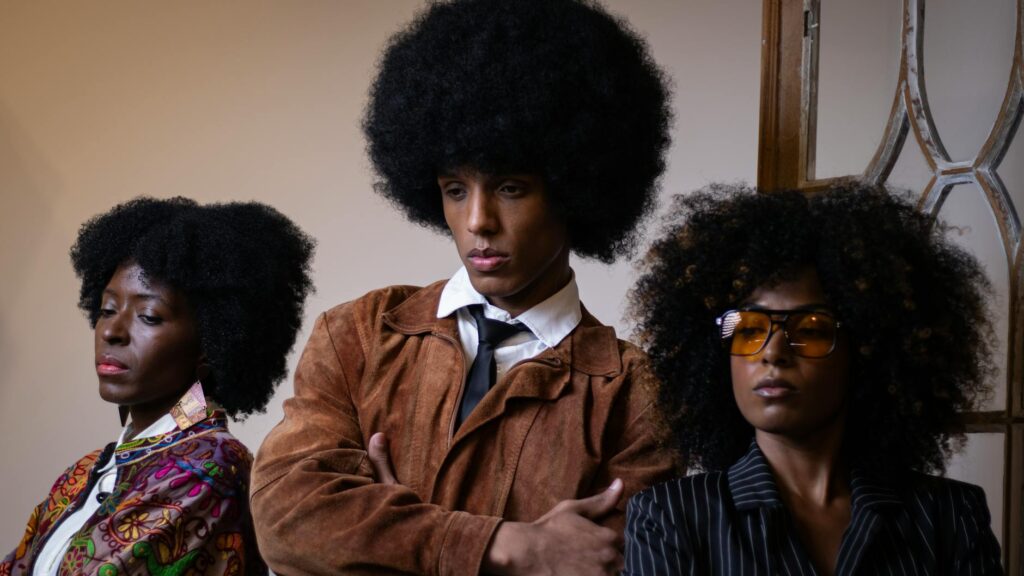
Afro Fashion Trends 2026: What’s Next?
Okay, let’s cut the fluff. Afro fashion trends 2026 aren’t just about pretty patterns. They’re a powerful narrative. We’re talking about a deliberate fusion of ancestral pride and forward-thinking design that’s set to redefine closets globally.
Forget fleeting fads. Here’s about enduring style with soul. If you’re anything like me, you’ve seen trends come and go, often leaving a trail of fast-fashion waste. But the movement happening in Afrocentric fashion?
It’s different. It’s rooted, it’s conscious, and honestly, it’s about time it got the spotlight it deserves. This year, we’re seeing a surge in designers who aren’t just creating clothes. They’re weaving stories of heritage, resilience, and unapologetic self-expression into every stitch.
Last updated: April 18, 2026
I’ve spent years watching this space evolve, and 2026 feels like a tipping point. It’s not just about wearing African prints. It’s about understanding their significance, the craftsmanship behind them, and how they can be integrated into a modern, dynamic wardrobe. We’re moving beyond the ‘one-size-fits-all’ approach to African-inspired fashion and diving deep into regional nuances, sustainable practices, and truly unique silhouettes. Grab your coffee (or your preferred beverage), and let’s talk about what’s really going to matter in Afro fashion for 2026.
Table of Contents
- Why 2026 is a Landmark Year for Afro Fashion
- The Rise of Hyper-Regionalism: Beyond the Generic Print
- Sustainable Threads: Conscious Choices Driving Afro Fashion
- Bold Silhouettes & Modern Mystique
- Accessorizing with Intent: The Finishing Touches
- Styling Afro Fashion Trends 2026: Practical Tips
- Frequently Asked Questions
Why 2026 is a Landmark Year for Afro Fashion
2026 marks a significant shift because the conversation around Afro fashion has matured. It’s less about appropriation and more about authentic appreciation and elevation. We’re seeing established and emerging designers like Iman and Victor Glemaud (whose work often features vibrant colors and nods to African aesthetics) push boundaries. This isn’t just a trend.
It’s a cultural movement gaining global traction, fueled by social media and a desire for authenticity. Brands are investing in ethical sourcing and production, making Afro fashion a more accessible and responsible choice than ever before. The digital space has amplified voices, allowing designers from Lagos to London to connect directly with a global audience eager for something fresh and meaningful.
The Rise of Hyper-Regionalism: Beyond the Generic Print
Honestly, the days of slapping any African-inspired print on a garment and calling it a day are fading. What I’m seeing more of in 2026 is hyper-regionalism. This means celebrating the specific patterns, motifs, and weaving techniques unique to particular cultures within the continent. Think less generic ‘tribal print’ and more specific nods to Nigerian Adire, Ghanaian Kente cloth, or Rwandan Agaseke weaving. Designers are collaborating directly with artisans in places like Addis Ababa and Dakar, ensuring that the stories and techniques behind the textiles are respected and preserved.
This approach offers incredible depth and authenticity. It allows wearers to connect with the garment on a more profound level, understanding its origins and cultural significance. It’s about telling a specific story, not just wearing a pretty design. For example, a designer might focus solely on the symbolism of patterns found in Maasai beadwork or the intricate geometric designs of Moroccan Zellij tiles, translating them into modern silhouettes.
- Deep cultural authenticity and storytelling.
- Supports traditional artisans and preserves heritage crafts.
- Offers unique, stand-out pieces.
- Educates consumers about diverse African cultures.
- Can be harder to source and produce at scale.
- Requires significant research and cultural sensitivity.
- May appeal to a more niche market initially.
Sustainable Threads: Conscious Choices Driving Afro Fashion
Here’s HUGE. The fashion industry, as a whole, is waking up to its environmental impact, and Afro fashion is leading the charge in many ways. By 2026, sustainability isn’t just a buzzword. It’s a core tenet. We’re seeing a massive push towards using natural, locally sourced fibers like organic cotton, bamboo, and even innovative materials derived from agricultural waste in Africa. Brands are focusing on slow fashion principles: creating durable, timeless pieces designed to last, rather than chasing fleeting trends.
Upcycling and repurposing are also gaining serious traction. Designers are reimagining vintage textiles, creating unique one-off pieces that have a story. Look at the work coming out of platforms like Afri-yoga (which often highlights sustainable practices in activewear) or designers who openly share their commitment to ethical production. This focus on sustainability resonates deeply with consumers who want their fashion choices to align with their values. It’s about respecting the planet as much as honoring heritage. Think natural dyes, minimal waste patterns, and transparent supply chains.
“By 2026, the most desirable Afro fashion will be that which tells a story of both culture and conscience.”
Bold Silhouettes & Modern Mystique
2026 is all about making a statement, but with an elevated, modern twist. We’re moving beyond the basic maxi dress (though there’s always a place for a killer one!). Expect to see architectural shapes, exaggerated sleeves, and clever layering that plays with volume and texture. Think dramatic capes, wide-leg trousers with intricate waist details, and structured tops that juxtapose beautifully with flowing skirts. It’s a blend of regal confidence and contemporary cool.
The key here’s versatility. Many of these statement pieces are designed to be worn in multiple ways, transitioning smoothly from a formal event to a more casual setting. It’s about investing in pieces that are as dynamic as the person wearing them. This also includes a resurgence of tailored pieces – sharp blazers with African-inspired prints, perfectly fitted ankara suits, and flowing kaftans that feel both comfortable and incredibly chic. The aesthetic is about power, grace, and a touch of the unexpected.
Accessorizing with Intent: The Finishing Touches
Accessories are where you can really amp up your Afro fashion game in 2026. We’re seeing a move towards bold, handcrafted pieces that tell a story. Forget mass-produced trinkets. Think statement necklaces made from recycled materials, intricately carved wooden earrings, or bold leather cuffs inspired by traditional West African designs. Brands like Bilongo often showcase this kind of artisanal quality.
Headwraps are also having a major moment, but with a more sophisticated edge. It’s not just about tying a scarf. It’s about intricate folding techniques, incorporating embellishments, or using luxurious fabrics like silk or velvet alongside traditional prints. Shoes are following suit, with embellished sandals, stylish wedges featuring African prints, and even reimagined traditional footwear making a comeback. The goal is to complement the outfit without overpowering it, adding that perfect final touch of cultural flair and personal style.
Styling Afro Fashion Trends 2026: Practical Tips
Alright, so you’re inspired. But how do you actually wear these trends without feeling like you’re wearing a costume? Here’s what I’d recommend:
- Start Small: If you’re new to Afro fashion, begin with accessories. A vibrant scarf, a statement necklace, or a printed clutch can add a pop of color and personality to a neutral outfit.
- Mix and Match: Don’t be afraid to pair an African print piece with solid, modern garments. A bold Ankara skirt looks stunning with a simple white tee or a black turtleneck. A Kente-patterned blazer works wonders over a plain black dress.
- Focus on Fit: Regardless of the print or style, ensure your clothes fit well. Tailoring makes a huge difference in how polished and intentional your outfit looks. A well-fitting Dashiki is infinitely more stylish than a baggy, ill-fitting one.
- Embrace Color: Afro fashion is known for its vibrancy. Don’t shy away from bold colors! Experiment with color blocking or monochromatic looks in rich jewel tones.
- Consider the Occasion: While many Afro fashion pieces are versatile, some are definitely more suited for specific events. A heavily beaded gown is perfect for a gala, while a simple cotton print dress is ideal for daytime.
- Authenticity Over Everything: Wear what makes you feel confident and proud. The best trend is the one that truly reflects your personal style and celebrates your heritage.
Thing is, these trends aren’t rigid rules. They’re guidelines to help you express yourself. Play around, experiment, and find what resonates with you. The most important thing is to wear it with confidence.
The Afro fashion landscape in 2026 is rich, dynamic, and deeply meaningful. It’s a celebration of culture, a commitment to sustainability, and a powerful form of self-expression. By embracing these trends, you’re not just updating your wardrobe. You’re participating in a global movement that honors heritage while looking boldly towards the future.
Frequently Asked Questions
What are the most popular African print fabrics for 2026?
Ankara and Dutch wax prints will remain dominant, but expect increased popularity for unique regional textiles like Nigerian Adire, Ghanaian Kente, and Ethiopian Shamma. Interest in sustainable options like organic cotton and bamboo blends will also grow significantly.
How can I incorporate Afro fashion into a minimalist wardrobe?
Start with accessories: a single statement necklace, printed headwrap, or patterned clutch. Alternatively, opt for one well-tailored garment like a sharp Ankara blazer or a geometric-print midi skirt paired with solid, neutral pieces.
Are there specific colors trending in Afro fashion for 2026?
Vibrant jewel tones like emerald green, sapphire blue, and ruby red will be prominent, alongside earthy tones like ochre, terracotta, and deep browns. Expect bold contrasts and striking color combinations that reflect African landscapes and traditions.
What does ‘hyper-regionalism’ mean in Afro fashion?
Hyper-regionalism refers to the focus on specific textile patterns, weaving techniques, and styles unique to particular ethnic groups or regions within Africa, moving beyond generic ‘African prints’ to celebrate distinct cultural heritage.
How can I ensure my Afro fashion purchases are sustainable?
Look for brands that openly share their sourcing and production methods, prioritize natural or recycled materials, use eco-friendly dyes, and support ethical labor practices. Slow fashion principles and artisan collaborations are good indicators.
Source: Vogue
Editorial Note: This article was researched and written by the Afro Literary Magazine editorial team. We fact-check our content and update it regularly. For questions or corrections, contact us.
Related read: Sustainable Fashion Design: Crafting Your Eco-Conscious Wardrobe in 2026. Knowing how to address afro fashion trends 2026 early makes the rest of your plan easier to keep on track.