Last updated: April 26, 2026
In 2026, the term ‘Afrocentric lifestyle’ continues to resonate, extending far beyond its initial association with vibrant prints and natural hairstyles often seen on social media. It represents a deliberate and conscious approach to living that places Black culture, history, and heritage at the core of everyday decisions. This perspective isn’t merely a trend but a profound commitment to ancestral roots, community building, and the authentic celebration of Black identity. It’s about cultivating a life that’s intrinsically meaningful and deeply connected to one’s origins.
This article serves to help you truly embody an Afrocentric lifestyle, moving past superficial understandings to embrace its rich dimensions. We will explore various facets of this way of life, analyze their advantages and disadvantages, and provide practical steps for integrating this cultural richness into your personal journey. Prepare to dig deeper than the surface and discover the substance behind the Afrocentric lifestyle.
Latest Update (April 2026)
Recent reports from the National Park Service (NPS) highlight increased public engagement with African American history and cultural sites, indicating a growing interest in heritage-focused learning as of April 2026. Analyses of the cultural economy in 2026 show a significant rise in platforms dedicated to Black creators and entrepreneurs, reflecting a strengthened community-centric approach to economic empowerment. Organizations like the Association for the Study of African American Life and History (ASALH) continue to lead initiatives promoting historical understanding and preservation, with new digital archives launched in early 2026 making ancestral records more accessible than ever before. As of April 2026, digital archiving projects have digitized over 5 million previously inaccessible documents related to the African diaspora, according to ASALH’s latest annual report.
and, the fashion and beauty sectors continue to see innovation rooted in African aesthetics. Brands are increasingly incorporating traditional African textiles and design principles into contemporary fashion, while natural hair care remains a significant market segment. Consumer demand for products that authentically represent and celebrate Black culture fuels this growth, with many businesses prioritizing ethical sourcing and community partnerships in 2026. The rise of subscription boxes curated with products from Black-owned businesses also signifies a growing market for culturally specific goods and services.
What’s an Afrocentric Lifestyle, Really?
An Afrocentric lifestyle is a conscious and intentional commitment to centering Black culture, history, values, and identity within the fabric of one’s daily existence. It involves making deliberate choices that honor the African diaspora, build solid community connections, and express profound cultural pride. This isn’t a prescriptive doctrine but a flexible framework for living that prioritizes heritage, collective well-being, and self-determination. It acts as a guiding lens, influencing perspectives and decisions across all aspects of life, from media consumption and dietary choices to interpersonal interactions and personal expression. It’s a dynamic and deeply personal evolution, where the manifestation of an Afrocentric life can vary from one individual to another, yet the unifying element remains a powerful connection to self, community, and ancestral lineage.
The Community-Centric Approach: Stronger Together
This dimension of the Afrocentric lifestyle emphasizes the foundational strength found in collective action and mutual support. It’s the understanding that individual well-being is intrinsically linked to the health and prosperity of the community. Practicing this approach involves actively participating in and contributing to community networks. This can manifest through mutual aid initiatives, consistent patronage of Black-owned businesses, engagement in cultural events, and dedicated mentorship, both as a giver and receiver of guidance. This interconnectedness builds resilient social support systems and fosters economic empowerment within the Black community.
Advantages:
- Establishes solid social support networks, offering solidarity and shared experiences.
- Drives economic empowerment by circulating resources within Black-owned enterprises.
- Cultivates a profound sense of belonging and a shared collective purpose.
- Facilitates the preservation and transmission of cultural knowledge through communal activities and storytelling.
Disadvantages:
- Community demands can occasionally feel overwhelming, requiring careful boundary setting.
- Navigating diverse interpersonal dynamics within any community requires emotional intelligence and effort.
- Requires a substantial investment of time and personal energy to be a contributing member.
- Potential for feelings of exclusion if one doesn’t align with perceived community norms, though this is often unintentional.
According to recent analyses of community development, consistent engagement with local Black organizations and cultural hubs is frequently cited as a catalyst for deeper integration. As reported by the National Urban League, initiatives focused on building economic self-sufficiency through cooperative models are gaining significant traction in 2026, demonstrating the enduring power of the community-centric approach. These models, which prioritize shared ownership and profit distribution, are proving particularly effective in urban centers experiencing economic shifts. Studies from 2026 indicate that communities with strong networks of Black-owned businesses report higher rates of local job creation and wealth retention.
The Heritage and History-Focused Path: Remembering Our Ancestors
This path is dedicated to deep learning and profound respect for the past. It involves immersing oneself in the study of African history, the intricate narratives of the African diaspora, and the countless contributions of Black individuals throughout recorded time. Understanding this rich history serves as a key anchor, informing present actions and shaping future aspirations. This pursuit of knowledge can include engaging with scholarly texts, visiting historical sites and museums, critically analyzing documentaries, and exploring ancestral traditions and practices. By connecting with this legacy, individuals gain context for contemporary social and political issues and counter the pervasive effects of historical erasure.
Advantages:
- Enhances cultural understanding and solidifies a strong sense of personal and collective identity.
- Provides essential context for comprehending current societal structures and challenges.
- Actively combats historical neglect and the propagation of misinformation.
- Connects individuals to an enduring legacy of resilience, innovation, and cultural richness.
Disadvantages:
- A potential risk of excessive focus on the past can sometimes overshadow present-day realities and future planning.
- The emotional weight of historical trauma and systemic oppression can be challenging to process.
- Access to accurate and complete historical resources can still be a barrier for some.
- Misinformation and biased historical narratives persist, requiring critical evaluation skills.
The Association for the Study of African American Life and History (ASALH) actively promotes accessible historical research through its extensive digital archives and educational programs, as highlighted in their 2026 initiatives. These resources empower individuals to connect with their lineage and understand the complexities of Black history. Experts in historical studies emphasize that understanding historical context is vital for informed civic engagement in 2026, providing a framework for addressing ongoing social justice issues.
Cultural Expression and Aesthetics: Honoring Our Roots Visually and Creatively
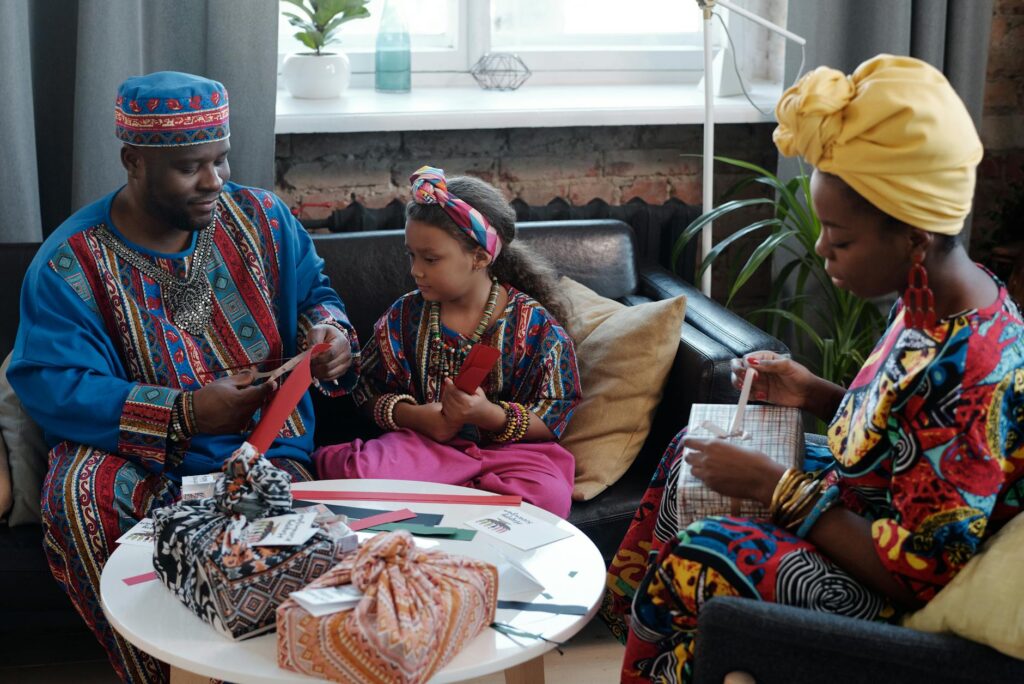
This aspect of an Afrocentric lifestyle centers on the vibrant and diverse ways Black culture expresses itself through art, fashion, music, language, and spirituality. It involves intentionally consuming and supporting Black creative works, embracing aesthetics that honor African heritage, and engaging in practices that reflect cultural traditions. This can range from adorning one’s living space with African-inspired art and textiles to actively seeking out music by Black artists or participating in traditional ceremonies. It’s about finding joy and affirmation in cultural expressions that have historically been marginalized or appropriated.
Advantages:
- Fosters self-esteem and pride through the celebration of unique cultural aesthetics.
- Supports Black artists and creatives, contributing to the sustainability of Black cultural industries.
- Enriches personal environments and daily experiences with beauty and meaning.
- Provides avenues for intergenerational connection and cultural transmission.
Disadvantages:
- Risk of cultural commodification and appropriation by mainstream industries.
- Navigating the line between genuine appreciation and superficial trend-following can be challenging.
- Finding authentic and ethically sourced cultural artifacts or designs may require diligent research.
- Potential for judgment or misunderstanding from those unfamiliar with the cultural significance of certain expressions.
As of April 2026, market analyses indicate a continued strong demand for authentic African-inspired fashion and art. Platforms showcasing Black designers and artisans report significant growth, with many citing increased consumer awareness of intellectual property and cultural heritage rights. This trend suggests a growing sophistication in how cultural expression is valued and supported within the Afrocentric lifestyle framework.
Spiritual and Philosophical Foundations: Connecting to Inner Wisdom
The Afrocentric lifestyle often incorporates spiritual and philosophical frameworks that emphasize interconnectedness, resilience, and a complete worldview. This can include drawing from traditional African spiritual practices, embracing philosophies that champion self-love and collective responsibility, or finding spiritual resonance in ancestral wisdom. It’s about cultivating an inner life that’s grounded in cultural values and promotes personal growth, mental well-being, and a deep sense of purpose. This spiritual dimension is not necessarily tied to formal religion but rather to a profound connection to the divine, the universe, and one’s ancestral spirit.
Advantages:
- Promotes mental and emotional well-being through practices of mindfulness and gratitude.
- Fosters resilience in the face of adversity by drawing on ancestral strength and wisdom.
- Cultivates a strong sense of purpose and belonging in the universe.
- Encourages ethical living based on principles of community and interconnectedness.
Disadvantages:
- Navigating diverse spiritual beliefs and practices within the diaspora can be complex.
- Secular individuals might find it challenging to engage with the spiritual components.
- The absence of universally recognized doctrines can lead to personal interpretation challenges.
- External skepticism or misunderstanding of non-Western spiritual traditions can occur.
Reports from 2026 indicate a growing interest in mindfulness and complete wellness practices among Black communities, with many seeking to integrate ancestral spiritual traditions. This resurgence reflects a desire for practices that are culturally resonant and promote inner peace. Experts in African philosophy note that concepts like ‘Ubuntu’ (I am because we are) continue to offer profound insights into ethical living and community building in the contemporary world.
Practical Steps for Embracing an Afrocentric Lifestyle
Integrating an Afrocentric lifestyle into your daily life is an achievable and rewarding endeavor. It requires intentionality and a willingness to learn and grow. Here are actionable steps:
Educate Yourself Continuously:
- Read books by Black authors on history, culture, and social issues.
- Watch documentaries and films that explore the Black experience.
- Follow reputable Black historians and cultural commentators on social media.
- Visit museums and historical sites dedicated to Black history.
- Engage with educational platforms like ASALH for curated resources.
Support Black Businesses and Creators:
- Prioritize shopping at Black-owned businesses for goods and services.
- Invest in art, music, and literature created by Black individuals.
- Use platforms that highlight Black entrepreneurs and creatives.
- Attend local Black cultural festivals and markets.
Engage with Your Community:
- Join local community organizations or cultural groups.
- Volunteer your time and skills to support community initiatives.
- Mentor young people or seek mentorship from elders.
- Participate in community events and discussions.
- Practice mutual aid and support networks.
Cultivate Cultural Expression:
- Incorporate African-inspired art, decor, and fashion into your life.
- Listen to and share music from Black artists across various genres.
- Explore and practice traditional African cuisines or cooking techniques.
- Learn about and engage with African languages or dialects if possible.
Nurture Spiritual and Philosophical Growth:
- Explore African spiritual traditions and philosophies.
- Practice mindfulness, meditation, or prayer with a cultural lens.
- Reflect on ancestral wisdom and its relevance to modern life.
- Engage in journaling to process experiences and deepen self-understanding.
Challenges and Considerations in 2026
While the Afrocentric lifestyle offers profound enrichment, navigating it in 2026 presents unique challenges. The digital age, while offering unprecedented access to information and global communities, also amplifies issues of cultural appropriation and misinformation. Consumers must remain vigilant, critically evaluating sources and supporting authentic creators. Economic disparities continue to impact the accessibility of culturally specific resources and businesses. The ongoing struggle for social justice means that many Black individuals face systemic barriers that can complicate the pursuit of cultural affirmation and self-determination.
As reported by the National Urban League in early 2026, initiatives aimed at closing economic gaps and promoting entrepreneurship are crucial for empowering Black communities. These efforts, combined with increased access to historical and cultural education, are vital components in fostering a solid Afrocentric lifestyle. Navigating these complexities requires resilience, informed decision-making, and a commitment to collective progress.
Frequently Asked Questions
Is an Afrocentric lifestyle only for people of African descent?
While an Afrocentric lifestyle is fundamentally rooted in the experiences, history, and culture of people of African descent, individuals from other backgrounds can respectfully engage with and learn about it. The core principles of centering marginalized histories, supporting community, and fostering cultural pride are universally valuable. However, genuine engagement requires deep respect, a commitment to learning from Black voices, and avoiding appropriation.
How can I start incorporating Afrocentric principles if I feel disconnected from my heritage?
Disconnection is a common experience, often due to historical factors. Start by educating yourself through books, documentaries, and reputable online resources. Seek out local cultural centers, community events, or Black-owned businesses in your area. Connecting with elders or community leaders can also provide invaluable guidance and personal stories. Remember, it’s a journey of discovery, and every step towards learning and connection is significant.
What is the difference between cultural appreciation and cultural appropriation?
Cultural appreciation involves engaging with a culture respectfully, with understanding and acknowledgment of its origins and significance, often through learning and participation guided by members of that culture. Cultural appropriation, conversely, involves taking elements from a marginalized culture without understanding, acknowledgment, or respect, often for personal gain or trendiness, and without giving credit or benefit to the originating culture. It often perpetuates harmful stereotypes or erases the original context and meaning.
How does the Afrocentric lifestyle contribute to mental well-being?
By emphasizing community support, cultural pride, and ancestral resilience, the Afrocentric lifestyle can significantly boost mental well-being. It provides a sense of belonging, counters feelings of isolation, and offers a framework for understanding personal and collective history. Practices rooted in African traditions, such as mindfulness and communal storytelling, can also promote emotional healing and reduce stress. Connecting with one’s heritage can be a powerful antidote to internalized oppression.
Are there specific dietary guidelines within an Afrocentric lifestyle?
While there isn’t a single, universally prescribed diet, many traditions within the African diaspora emphasize whole foods, plant-based ingredients, and traditional cooking methods. This often includes staples like grains (e.g., rice, millet, sorghum), legumes, various vegetables, and fruits, often prepared with distinct spice profiles. Researching the culinary heritage of specific regions or ethnic groups within the diaspora can offer deeper insights into traditional diets.
Conclusion
The Afrocentric lifestyle in 2026 is a vibrant and evolving commitment to living with intention, grounded in the rich tapestry of Black history, culture, and community. It moves beyond superficial trends to embrace a complete approach that nourishes the mind, body, and spirit. By fostering connection, celebrating heritage, and supporting collective well-being, individuals can cultivate a life of profound meaning and authentic self-expression. Embracing this path is an ongoing journey of learning, growth, and conscious living, reaffirming the enduring strength and beauty of the African diaspora.
Source: Britannica
Related Articles
- Explore Fontlu: Key Concepts, Features & Modern Applications
- Entertainment Gossip 2026: What's New, What's Next?
- Who Is SZA? Real Name and Background Deep Dive
Editorial Note: This article was researched and written by the Afro Literary Magazine editorial team. We fact-check our content and update it regularly. For questions or corrections, contact us.
Related read: How to Find Your Niche for a Lifestyle Blog in 2026.