Creative Art Design Ideas for 2026
As of October 2026, the world of art and design is a dynamic space, constantly evolving with new technologies, cultural shifts, and artistic breakthroughs. Finding fresh creative art design ideas can feel like searching for a unique melody in a symphony of existing sounds. Yet, the pursuit is essential for any artist or designer aiming to stand out and connect with audiences in meaningful ways.
Last updated: October 23, 2026
Latest Update (October 2026)
Recent developments highlight the enduring impact of influential artists and the evolving role of art in public spaces. Nike honored Virgil Abloh’s creative legacy at ‘The Codes’ Exhibit in New York City, as reported by NIKE, Inc. on October 19, 2026. This event underscores how artistic vision continues to inspire across industries. Meanwhile, discussions are underway about transforming old mills into artists’ hubs, potentially offering new models for creative spaces, as explored by The Boston Globe on October 20, 2026. The search for inspiration remains a constant, with sources like Abbey Road’s ‘Transmission Five’ on October 22, 2026, sharing surprising ways artists find their next big idea. These real-world examples show that innovation in art design in 2026 is fueled by both established legacies and emerging opportunities.
Key Takeaways
- Innovative art design ideas in 2026 blend digital tools with traditional techniques for unique outputs.
- Using diverse cultural influences and personal experiences is key to original artistic expression.
- Understanding core design elements like color, texture, and form provides a strong foundation for creative exploration.
- Sustainable practices are increasingly integrated into art design, influencing material choices and concepts.
- Experimentation with unconventional materials and digital mediums opens new avenues for creative art design.
Embracing Digital Collage and Mixed Media
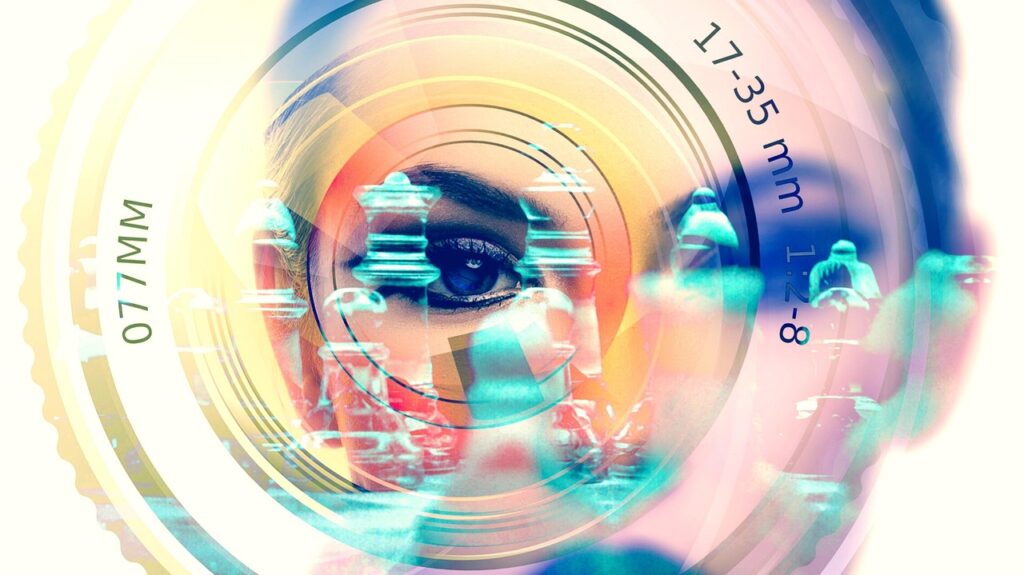
Digital tools have revolutionized collage, allowing for smooth integration with traditional media. Scan textured papers, fabrics, or found objects. Then, layer them digitally with photographic elements or digital paintings. This approach offers endless possibilities for depth and complexity.
For instance, an artist might start with a watercolor wash, scan it, and then digitally overlay photographic portraits and graphic elements. According to Adobe, tools like Photoshop and Illustrator continue to expand their capabilities for mixed-media manipulation as of 2026. These advancements enable artists to achieve results previously unimaginable, pushing the boundaries of what collage can be.
Exploring Algorithmic and Generative Art
Generative art, created using algorithms and code, is a significant avenue for creative art design ideas in 2026. Artists input parameters, and the algorithm generates unique visual outputs. This process often surprises the creator, introducing an element of controlled randomness and democratizing creation.
Tools like Processing or p5.js allow artists to experiment with code-based art. A compelling example is the work of Refik Anadol, who uses vast datasets and AI to create immersive, ever-changing data sculptures and visualizations. His projects highlight how algorithms can translate complex information into stunning visual experiences, a trend gaining momentum in 2026.
Drawing Inspiration from Global Cultures and Heritage
As global interconnectedness deepens, so does the cross-pollination of artistic ideas. Incorporating motifs, color palettes, and narrative structures from diverse cultural heritages offers a rich source for creative art design ideas. This approach leads to original work and fosters cultural appreciation and understanding.
Consider the vibrant patterns of West African textiles, the intricate calligraphy of East Asian art, or the symbolic imagery found in Indigenous Australian dot painting. When respectfully reinterpreted, these elements can infuse a design with depth, history, and a unique aesthetic identity. Artists are increasingly looking to these global traditions for authentic expression.
The integration of cultural elements is not merely aesthetic; it’s about storytelling and connection. As North Gwinnett Voice reported on October 19, 2026, new public art installations, like the Nicole Love Hendrickson Artway in Gwinnett, often seek to reflect and celebrate community heritage. This reflects a broader trend where art design aims to be inclusive and representative of diverse backgrounds.
Sustainable Art Design: Materials and Concepts
Environmental consciousness is a driving force in design as of October 2026. Sustainable art design ideas often involve using recycled, upcycled, or biodegradable materials. The concept of sustainability can also be embedded within the artwork’s message, prompting viewers to consider their ecological impact.
Artists are experimenting with materials like recycled plastics, reclaimed wood, mushroom-based composites, and even bio-inks. The Ellen MacArthur Foundation highlights the growing circular economy movement, which directly influences design thinking towards minimal waste and maximum resourcefulness. This shift is becoming standard practice for environmentally conscious creators.
Biophilic Design: Nature-Infused Aesthetics
Biophilic design, the practice of connecting humans with nature through design, influences more than just architecture. It’s a powerful trend in visual art design as of 2026. Incorporating natural forms, organic textures, and nature-inspired color palettes creates calming and engaging artworks.
This can manifest as abstract pieces mimicking natural patterns like fractals or cellular structures. It can also be more literal depictions of flora and fauna rendered in innovative ways. The aim is to evoke the restorative qualities of nature within the art itself, offering viewers a sense of peace and connection.
Interactive and Immersive Art Experiences
The demand for engaging, interactive art experiences is growing. It’s moving beyond static visuals to incorporate elements that respond to the viewer, the environment, or data streams. This blurs the lines between art, technology, and audience participation.
Consider installations that change color based on ambient sound or sculptures that react to touch. Digital art that evolves based on real-time weather data also captivates audiences. Such works foster a deeper connection by making the viewer an active participant rather than a passive observer.
Narrative-Driven Visual Storytelling
At its core, art often tells a story. In 2026, there’s a strong emphasis on visual storytelling as a powerful tool for creative art design. Artworks that convey a narrative, evoke emotion, or pose a question tend to resonate more deeply, whether abstract or representational.
This can be achieved through strategic use of symbolism, character development within a series, or sequential art. For example, a series of illustrations might depict the journey of an idea from conception to realization, using visual metaphors to communicate complex concepts. This approach makes art accessible and memorable.
Typographic Art and Experimental Letterforms
Typography is evolving beyond its functional role into a primary artistic medium. In 2026, designers are pushing the boundaries of letterforms, exploring their potential for expressive and conceptual impact. Experimental typography can transform words into visual art.
This involves manipulating letter shapes, exploring unconventional layouts, or integrating text with imagery in novel ways. The goal is to make the visual presentation of text as meaningful as its semantic content. This can add layers of interpretation and aesthetic appeal to any design project.
Real-World Examples in Action
The art and design world is rich with examples of these trends. The ongoing influence of figures like Virgil Abloh, as celebrated by Nike, demonstrates the lasting power of innovative design thinking. His work continues to inspire new approaches to merging art, fashion, and culture.
Public art projects, like those discussed for potential artist hubs in repurposed spaces, as noted by The Boston Globe, showcase how art can revitalize communities. These initiatives often integrate local culture and sustainable practices, reflecting the broader artistic dialogue of 2026.
Common Mistakes to Avoid in Creative Art Design
One common pitfall is relying too heavily on trends without developing a unique voice. While it’s important to be aware of current movements, originality stems from personal perspective and authentic expression.
Another mistake is neglecting the fundamentals. Strong foundations in color theory, composition, and form are essential, even when experimenting with avant-garde techniques. Overlooking the audience or context can also lead to disconnects. Art that fails to communicate or engage its intended viewers misses its mark.
Tips for Cultivating Your Creative Design Ideas
Actively seek out diverse sources of inspiration. Visit galleries, museums, and cultural events. Read widely across different disciplines—science, history, literature. Engage with nature and observe the world around you with a curious eye.
Embrace experimentation and don’t fear failure. Some of the most interesting discoveries happen when you step outside your comfort zone. Allow yourself the freedom to play with materials, techniques, and concepts without immediate judgment.
Develop a consistent practice. Dedicate regular time to creating, sketching, or conceptualizing. Even short, focused sessions can build momentum and foster a continuous flow of ideas. Consistent effort is key to sustained creativity.
Seek feedback from peers and mentors. Constructive criticism can offer valuable insights and help you identify areas for growth. A supportive community can also provide encouragement and new perspectives on your work.
Frequently Asked Questions
What are the most popular digital art tools for 2026?
As of October 2026, popular digital art tools include Adobe Creative Suite (Photoshop, Illustrator), Procreate for iPad, Clip Studio Paint, and Blender for 3D work. Generative art platforms like Processing and p5.js are also gaining traction among artists exploring algorithmic creation.
How can artists incorporate global cultural influences ethically?
Ethical incorporation involves deep research, understanding context, and giving credit. Artists should engage with cultural traditions respectfully, avoiding appropriation. Collaboration with artists from those cultures is an excellent way to ensure authenticity and mutual respect.
What is the role of AI in art design in 2026?
AI is increasingly used as a tool for generating ideas, creating complex patterns, and producing unique visual outputs through generative algorithms. Artists like Refik Anadol utilize AI to transform data into art, pushing creative boundaries and exploring new aesthetic possibilities.
How important is sustainability in art design today?
Sustainability is highly important in 2026, influencing material choices, production methods, and the artwork’s message. Designers and artists are actively seeking eco-friendly alternatives and embracing circular economy principles to minimize environmental impact.
Where can artists find inspiration for new projects in 2026?
Inspiration can be found everywhere: nature, global cultures, historical archives, scientific discoveries, and everyday life. Platforms like Abbey Road’s ‘Transmission Five’ offer insights into unexpected sources artists tap into, emphasizing that inspiration often comes from diverse and surprising places.
Conclusion
Creative art design in 2026 is a vibrant fusion of technology, culture, and conscious practice. By embracing digital tools, drawing from global heritage, prioritizing sustainability, and fostering experimental mindsets, artists can generate truly innovative work. The key lies in continuous exploration, thoughtful integration, and a commitment to originality.