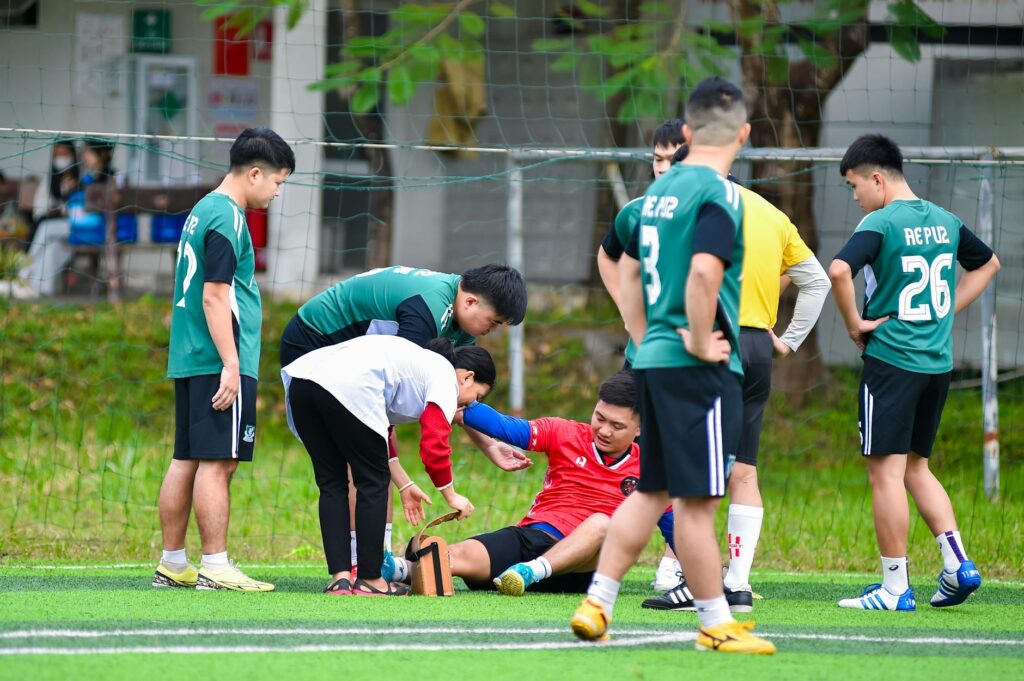
The Unseen Guardian: Injury Surveillance Systems in Professional Sports Organizations in 2026
Most professional sports organizations, as of May 2026, invest heavily in player talent and training. But what about the unseen battles – the constant vigilance against injury? Injury surveillance systems in professional sports organizations are the silent guardians, working tirelessly behind the scenes to protect athletes and enhance their longevity and performance.
Last updated: May 5, 2026
Key Takeaways
- Injury surveillance systems are vital for tracking, analyzing, and preventing athletic injuries in professional sports.
- These systems use data collection, risk assessment, and performance metrics to inform proactive health strategies.
- Key components include data management, injury epidemiology, and feedback loops for continuous improvement.
- Implementing such systems requires buy-in from stakeholders, strong technology, and clear protocols.
- As of 2026, advancements in wearable tech and AI are revolutionizing sports injury surveillance.
Why does a star quarterback suddenly miss crucial games, or a championship-contending basketball team face a season-ending injury wave? While some injuries are unavoidable, many can be foreseen and mitigated. This is where sophisticated injury surveillance systems come into play, transforming raw data into actionable intelligence.
What Exactly Are Injury Surveillance Systems?
At its core, an injury surveillance system is a structured process for collecting, analyzing, and interpreting health-related data on athletes. Think of it as a high-tech detective agency for athlete well-being. It’s not just about recording when an injury happens; it’s about understanding the ‘why,’ ‘how,’ and ‘when’ to prevent future occurrences.
These systems aim to identify injury trends, evaluate the effectiveness of prevention programs, and provide crucial insights for medical staff, coaches, and management. For instance, a team might notice a spike in hamstring strains during pre-season conditioning. The surveillance system would flag this, prompting an investigation into training loads, recovery protocols, or even player nutrition.
The Pillars of Effective Injury Surveillance
Building a strong injury surveillance system relies on several critical components working in harmony. These aren’t just technological add-ons; they represent a fundamental shift in how sports organizations prioritize athlete health.
1. Complete Data Collection
The foundation of any surveillance system is accurate and complete data. This includes not only documented injuries – detailing the type, severity, mechanism, and date – but also extensive athlete information.
This broader dataset can encompass training loads (distance run, weight lifted, intensity), sleep patterns, nutrition logs, biomechanical data from motion capture, and even psychological well-being questionnaires. As of May 2026, many elite clubs are integrating data from wearable devices, capturing real-time physiological responses during training and competition. For example, a rugby union club might use sensors to track tackle forces and player fatigue levels.
2. Injury Epidemiology and Analysis
Collecting data is only half the battle. The real power lies in analyzing it to uncover patterns and risk factors. Injury epidemiology, the study of the distribution and determinants of injuries in defined populations, is central here.
This involves statistical analysis to determine injury incidence rates, identify high-risk positions or movements, and assess the impact of external factors like playing surfaces or travel schedules. According to research from the American College of Sports Medicine (ACSM) (2025), understanding these epidemiological trends allows organizations to tailor their prevention efforts more effectively.
3. Risk Assessment and Prediction
using the collected data and epidemiological insights, organizations can move towards proactive risk assessment. This involves identifying individual athletes or specific situations that carry a higher likelihood of injury.
Sophisticated algorithms, increasingly powered by artificial intelligence and machine learning as of 2026, can help predict potential injury risks before they occur. For instance, a basketball team’s system might flag a player whose jump mechanics show increased asymmetry during fatigue, indicating a higher risk of knee injury. Injury Surveillance Systems in Professional Sports Organizations allows trainers to intervene with targeted exercises or rest.
4. Feedback Loops and Intervention Strategies
An effective surveillance system isn’t static; it’s dynamic. The insights generated must feed back into the athlete development and management processes. This creates a continuous improvement cycle.
When a risk is identified or an injury trend emerges, the system prompts the medical and coaching staff to adjust training regimens, implement specific rehabilitation protocols, or modify playing strategies. A football club might alter its defensive drills based on data showing a higher incidence of ankle sprains during certain types of plays.
Practical Implementation: Making it Work
Putting an injury surveillance system into practice requires more than just buying software. It demands a strategic approach and buy-in from all levels of the organization.
Choosing the Right Technology
The market offers a range of solutions, from integrated sports science platforms to bespoke data management tools. The choice depends on the organization’s size, budget, and specific needs. As of May 2026, leading systems often feature cloud-based data storage, advanced analytics dashboards, and user-friendly interfaces for medical staff, coaches, and even athletes.
Companies like Catapult Sports, Hudl, and STATSports offer complete athlete monitoring platforms that can be integrated into broader surveillance frameworks. These platforms track metrics like GPS data, heart rate, and accelerometry, providing rich datasets. However, it’s crucial to ensure the chosen technology aligns with data privacy regulations, especially within European contexts.
Training and Protocol Development
Staff must be thoroughly trained on how to use the system, collect data accurately, and interpret the results. Clear protocols for reporting injuries, escalating concerns, and implementing interventions are essential. This ensures consistency and reliability across the entire organization.
For example, a protocol might dictate that all injuries, no matter how minor, must be reported within 24 hours via a dedicated app. This detailed approach helps capture even subtle issues before they become serious. The Chartered Institute for the Management of Sport and Physical Activity (CIM SPA) (2025) emphasizes the need for standardized procedures in sports data management.
Stakeholder Buy-In
Crucially, coaches, athletes, and management must understand the value of the system. Open communication about how data is used – focusing on athlete welfare and performance enhancement, not punitive measures – fosters trust and encourages participation. Athletes need to feel empowered by the data, not scrutinized.
The Evolution of Sports Injury Surveillance in 2026
The field is rapidly evolving, driven by technological advancements and a deeper understanding of athlete physiology and biomechanics.
Wearable Technology and IoT
Wearable sensors are becoming ubiquitous. These devices provide a continuous stream of physiological and biomechanical data, offering unprecedented granularity. From GPS trackers that monitor movement patterns to accelerometers that detect impact forces, the data generated is invaluable.
As of May 2026, advancements in miniaturization and battery life mean these devices can be worn comfortably for extended periods, capturing data during training, travel, and even sleep. Injury Surveillance Systems in Professional Sports Organizations allows for a more complete view of an athlete’s physical state. For example, a cyclist’s power output and heart rate variability can be monitored to adjust training intensity and prevent overtraining.
Artificial Intelligence and Machine Learning
AI and ML are transforming raw data into predictive insights. Algorithms can now identify complex injury patterns that might be missed by human analysts.
These technologies can predict injury risk with increasing accuracy, personalize rehabilitation plans based on individual recovery trajectories, and even optimize game strategies by understanding player fatigue levels. A study published in the Journal of Sports Analytics (2024) highlighted AI’s success in predicting ACL injury risk in female athletes based on gait analysis.
Genomics and Personalized Medicine
While still emerging, the integration of genetic information holds promise. Understanding an athlete’s genetic predisposition to certain injuries could lead to highly personalized prevention strategies. This is part of a broader trend towards precision medicine in sports.
Challenges and Considersations
Despite the benefits, implementing and maintaining effective injury surveillance systems isn’t without its hurdles.
Data Privacy and Security
Athlete health data is highly sensitive. Organizations must ensure strong data security measures and comply with privacy regulations like GDPR in Europe. This means secure storage, access controls, and clear policies on data usage.
A breach could not only have legal ramifications but also severely damage trust between athletes and the organization. The ethical implications of collecting such detailed personal data are also a constant consideration.
Cost and Resource Allocation
Implementing sophisticated systems can be expensive, involving software, hardware, data analysts, and training. Smaller organizations might struggle to afford the upfront investment and ongoing maintenance required for latest solutions.
Integration and Interoperability
Many sports organizations use multiple systems for different purposes (performance tracking, medical records, etc.). Ensuring these systems can communicate and share data seamlessly is a significant technical challenge. Lack of interoperability can create data silos, hindering complete analysis.
Interpretation and Actionability
Having data is one thing; knowing what to do with it’s another. Medical staff and coaches need the expertise to interpret the complex outputs from these systems and translate them into practical, evidence-based interventions. Without this human element, the data remains just numbers.
Real-World Impact: A Football Example
Consider a professional football (soccer) club in the UK. As of May 2026, their injury surveillance system tracks daily wellness questionnaires from players, GPS data from training sessions (distance, acceleration, deceleration), and detailed match injury reports. The system might identify that players who accumulate over 10km of high-intensity running in a single week, coupled with less than 7 hours of sleep, show a 40% increased risk of muscle strains in the following 48 hours.
Based on this insight, the coaching staff, in consultation with the sports scientists, might adjust training loads mid-week, ensure better recovery resources are available, or even reduce a player’s minutes in an upcoming match. This proactive approach, driven by data from the injury surveillance system, directly contributes to keeping key players on the field and improving the team’s overall performance and chances of success.
The Future Outlook
As technology continues to advance, injury surveillance systems will become even more integrated and predictive. We can expect greater use of AI for real-time injury diagnosis support, more sophisticated biomechanical analysis tools, and a deeper understanding of the complex interplay between physical load, mental state, and injury risk.
The focus will remain on using data to create a safer, more sustainable environment for athletes, allowing them to perform at their peak for longer. For professional sports organizations in 2026 and beyond, a strong injury surveillance system isn’t just a nice-to-have; it’s a fundamental necessity for competitive advantage and athlete welfare.
Frequently Asked Questions
What is the primary goal of injury surveillance in professional sports?
The primary goal is to systematically collect and analyze data on athlete injuries to identify trends, understand risk factors, and implement effective prevention and management strategies, ultimately enhancing athlete health and performance.
How do wearable devices contribute to injury surveillance?
Wearable devices provide continuous, real-time data on physiological and biomechanical metrics like heart rate, load, and movement patterns. This granular data helps in assessing fatigue, identifying biomechanical anomalies, and predicting injury risk more accurately.
What are the main challenges in implementing these systems?
Key challenges include ensuring data privacy and security, the high cost of technology and specialized personnel, achieving interoperability between different data systems, and effectively translating data insights into actionable interventions.
Can injury surveillance systems predict injuries with certainty?
While systems can significantly improve prediction accuracy and identify high-risk individuals or situations, they can’t guarantee certainty. Injuries are multifactorial, involving elements like luck and acute events that are difficult to predict.
How does injury surveillance impact athlete performance?
By reducing the incidence and severity of injuries, surveillance systems allow athletes to train and compete more consistently. Data insights also inform optimal load management and recovery, enabling athletes to perform at their peak more often.
What is the role of data analysts in sports injury surveillance?
Data analysts are crucial for cleaning, processing, and interpreting the vast amounts of data collected. They use statistical methods and machine learning to identify patterns, generate reports, and provide actionable insights to medical and coaching staff.
Is injury surveillance only for elite professional athletes?
While highly sophisticated systems are most prevalent in elite professional sports, the principles of injury surveillance are increasingly being adopted at collegiate, youth, and even amateur levels to improve athlete safety and long-term health.
Last reviewed: May 2026. Information current as of publication; pricing and product details may change.
Source: ESPN
Editorial Note: This article was researched and written by the Afro Literary Magazine editorial team. We fact-check our content and update it regularly. For questions or corrections, contact us. Knowing how to address Injury Surveillance Systems in Professional Sports Organizations early makes the rest of your plan easier to keep on track.
Related read: How to Baseball Pitch: A 2026 Guide to Mechanics and Mastery.