The 2026 Creative Art Design Ideas
As of May 2026, the world of art and design is a dynamic space, it’s constantly evolving with new technologies, cultural shifts, and artistic breakthroughs. Finding fresh creative art design ideas can feel like searching for a unique melody in a symphony of existing sounds. Yet, the pursuit is essential for any artist or designer aiming to stand out and connect with audiences in meaningful ways.
Last updated: May 2, 2026
- Innovative art design ideas in 2026 blend digital tools with traditional techniques for unique outputs.
- using diverse cultural influences and personal experiences is key to original artistic expression.
- Understanding core design elements like color, texture, and form provides a strong foundation for creative exploration.
- Sustainable practices are increasingly integrated into art design, influencing material choices and concepts.
- Experimentation with unconventional materials and digital mediums opens new avenues for creative art design.
Embracing Digital Collage and Mixed Media
Digital tools have revolutionized collage, allowing for smooth integration with traditional media. Think of scanning textured papers, fabrics, or found objects and then layering them digitally with photographic elements or digital paintings. This approach offers endless possibilities for depth and complexity.
For instance, an artist might start with a watercolor wash, scan it, then digitally overlay photographic portraits and graphic elements. According to Adobe (2024), tools like Photoshop and Illustrator continue to expand their capabilities for mixed-media manipulation, enabling artists to achieve results previously unimaginable.
Exploring Algorithmic and Generative Art
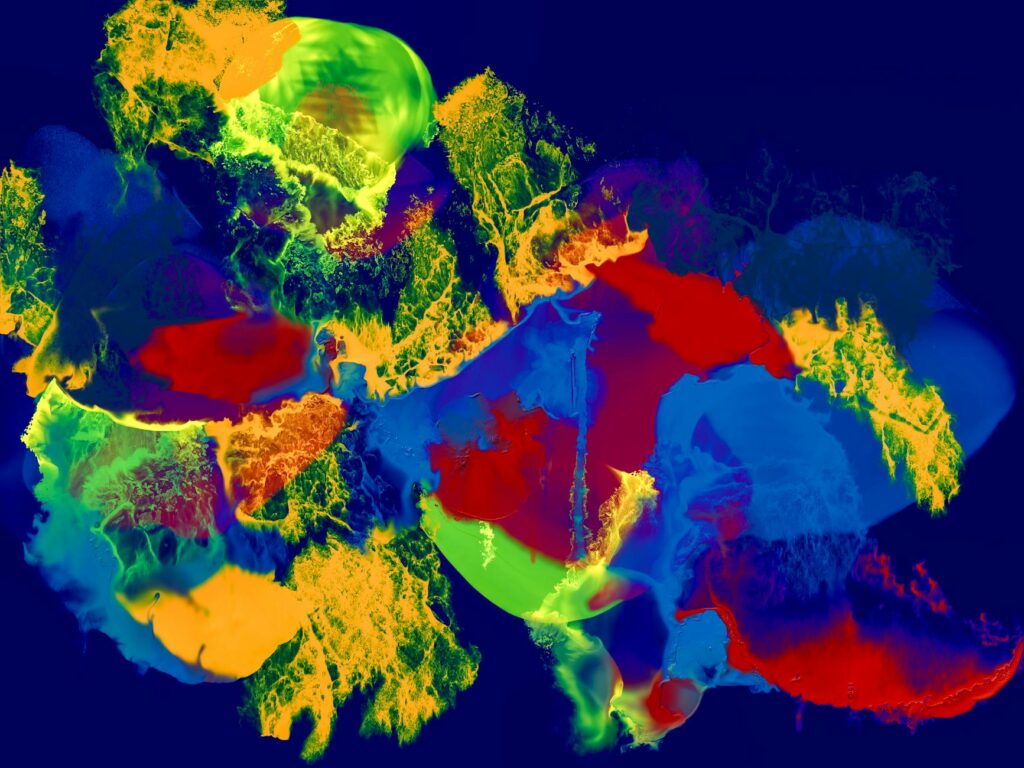
Generative art, created using algorithms and code, is no longer a niche interest but a significant avenue for creative art design ideas in 2026. Artists input parameters, and the algorithm generates unique visual outputs, often surprising the creator themselves. This process democratizes creation and introduces an element of controlled randomness.
Tools like Processing or p5.js allow artists to experiment with code-based art. A compelling example is the work of Refik Anadol, who uses vast datasets and AI to create immersive, ever-changing data sculptures and visualizations. His projects highlight how algorithms can translate complex information into stunning visual experiences.
Drawing Inspiration from Global Cultures and Heritage
As global interconnectedness deepens, so does the cross-pollination of artistic ideas. Incorporating motifs, color palettes, and narrative structures from diverse cultural heritages offers a rich source for creative art design ideas. This approach not only leads to original work but also fosters cultural appreciation and understanding.
Consider the vibrant patterns of West African textiles, the intricate calligraphy of East Asian art, or the symbolic imagery found in Indigenous Australian dot painting. These elements, when respectfully reinterpreted, can infuse a design with depth, history, and a unique aesthetic identity.
Sustainable Art Design: Materials and Concepts
Environmental consciousness is a driving force in design as of May 2026. Sustainable art design ideas often involve using recycled, upcycled, or biodegradable materials. Beyond materials, the concept of sustainability can also be embedded within the artwork s message, prompting viewers to consider their ecological impact.
Artists are experimenting with materials like recycled plastics, reclaimed wood, mushroom-based composites, and even bio-inks. The Ellen MacArthur Foundation (2023) highlights the growing circular economy movement, which directly influences design thinking towards minimal waste and maximum resourcefulness.
Biophilic Design: Nature-Infused Aesthetics
Biophilic design, the practice of connecting humans with nature through design, is influencing more than just architecture and interior spaces. It’s a powerful trend in visual art design. Incorporating natural forms, organic textures, and nature-inspired color palettes can create calming and engaging artworks. This could manifest as abstract pieces mimicking natural patterns like fractals or cellular structures, or more literal depictions of flora and fauna rendered in innovative ways. The aim is to evoke the restorative qualities of nature within the art itself.
Interactive and Immersive Art Experiences
The demand for engaging, interactive art experiences is growing. It’s moving beyond static visuals to incorporate elements that respond to the viewer, the environment, or even data streams. This blurs the lines between art, technology, and audience participation.
Consider installations that change color based on ambient sound, sculptures that react to touch, or digital art that evolves based on real-time weather data. Such works foster a deeper connection by making the viewer an active participant rather than a passive observer.
Narrative-Driven Visual Storytelling
At its core, art often tells a story. In 2026, there’s a strong emphasis on visual storytelling as a powerful tool for creative art design. Whether abstract or representational, artworks that convey a narrative, evoke an emotion, or pose a question tend to resonate more deeply.
This can be achieved through the strategic use of symbolism, character development within a series, or sequential art. For example, a series of illustrations might depict a journey, using evolving color palettes and compositional elements to convey the protagonist s emotional arc.
Typographic Art and Experimental Letterforms
Typography is a fundamental design element that can also be the art itself. Experimental typography and hand-drawn letterforms are gaining traction as creative art design ideas, moving beyond functional communication to aesthetic expression. Unique fonts and letter arrangements can convey mood and personality.
This can range from elaborately decorated initial caps to entire pieces composed solely of words arranged in striking visual patterns. Many graphic designers and artists are exploring custom lettering that carries a distinct artistic signature, pushing the boundaries of what letters can communicate visually.
Real-World Examples in Action
The principles of creative art design ideas are visibly at play across various sectors. In London, the Tate Modern’s Turbine Hall often features large-scale, immersive installations that exemplify interactive art and the use of unconventional materials. As of May 2026, their commitment to showcasing contemporary artistic innovation continues to inspire global audiences.
In graphic design, agencies like Pentagram consistently demonstrate how cultural influences and strong narrative elements can elevate branding. Their work often showcases sophisticated typographic art and a deep understanding of visual storytelling, providing tangible examples of these trends in practice. For those interested in digital art, platforms like Art Blocks showcase generative art created by a global community, offering a real-time look at algorithmic design possibilities.
Common Mistakes to Avoid in Creative Art Design
One common pitfall is the fear of experimentation. Many artists stick to familiar techniques, missing opportunities for breakthrough creative art design ideas. Over-reliance on trends without personal interpretation can also lead to derivative work. Plus, neglecting the foundational elements of design balance, contrast, rhythm, and unity can result in compositions that lack impact. Another mistake is the misunderstanding of appropriation versus appreciation; while cultural inspiration is valuable, using elements without understanding their context or giving credit can be problematic. Finally, focusing solely on aesthetics without considering the message or intended impact can lead to art that feels superficial.
Tips for Cultivating Your Creative Design Ideas
Seek Diverse Inputs: Regularly visit galleries, museums, and online art platforms. Read books on art history, design, and culture. Expose yourself to different disciplines science, philosophy, music as inspiration can strike from unexpected places. For example, principles from quantum physics might inspire abstract digital art.
Embrace Constraints: Sometimes, limitations foster creativity. Working with a restricted color palette, a specific material, or a tight deadline can force you to think more resourcefully and find innovative solutions. This is a common practice in product design, where material costs and manufacturing processes dictate design choices.
Document Your Process: Keep a sketchbook, digital journal, or mood board. Documenting your ideas, experiments, and inspirations, even the seemingly small ones, provides a valuable resource to revisit. According to a study by the American Psychological Association (2025), regularly engaging in creative practice, including documentation, boosts idea generation and problem-solving skills.
Collaborate and Share: Engage with other artists and designers. Feedback, critique, and collaborative projects can offer new perspectives and spark ideas you wouldn’t have discovered alone. Online communities and local art groups are excellent places to connect.
Frequently Asked Questions
What is the most important element in art design?
The most crucial element depends on the specific artwork and its purpose, but foundational elements like composition, colour theory, and balance are consistently vital for creating visually appealing and impactful designs that communicate effectively.
How can I generate unique art design ideas?
Generate unique ideas by combining disparate concepts, exploring cross-cultural influences, experimenting with new digital or traditional mediums, and deeply observing the world around you. Personal experiences and emotions also serve as powerful wellsprings for originality.
Are AI art generators a valid source for creative ideas?
Yes, AI art generators can be a valuable tool for brainstorming and exploring novel visual concepts. However, it’s essential to use them as a springboard for your own creativity, rather than a replacement for human artistic input and critical judgment.
What are some emerging trends in art design for 2026?
Emerging trends include interactive and immersive art, sustainable design practices, biophilic aesthetics, generative art, and a renewed focus on narrative visual storytelling, all enhanced by digital technologies.
How do I overcome creative blocks in art design?
To overcome creative blocks, try changing your environment, engaging in physical activity, exploring a different artistic medium, revisiting old sketchbooks for inspiration, or collaborating with others. Sometimes a short break is all that s needed.
What is the role of sustainability in modern art design?
Sustainability plays an increasingly significant role, influencing the choice of eco-friendly materials, promoting upcycling and recycling, and embedding environmental messages within the artwork itself, encouraging a more conscious approach to creation and consumption.
The world of creative art design ideas in 2026 is rich with opportunity for innovation and personal expression. By embracing new technologies, drawing from diverse inspirations, and staying mindful of current trends like sustainability and interactivity, artists can craft compelling works that resonate deeply. The key takeaway is to approach your practice with curiosity, a willingness to experiment, and a commitment to developing a unique voice that speaks to the contemporary world.
Editorial Note: This article was researched and written by the Afro Literary Magazine editorial team. We fact-check our content and update it regularly. For questions or corrections, contact us. Knowing how to address creative art design ideas early makes the rest of your plan easier to keep on track.