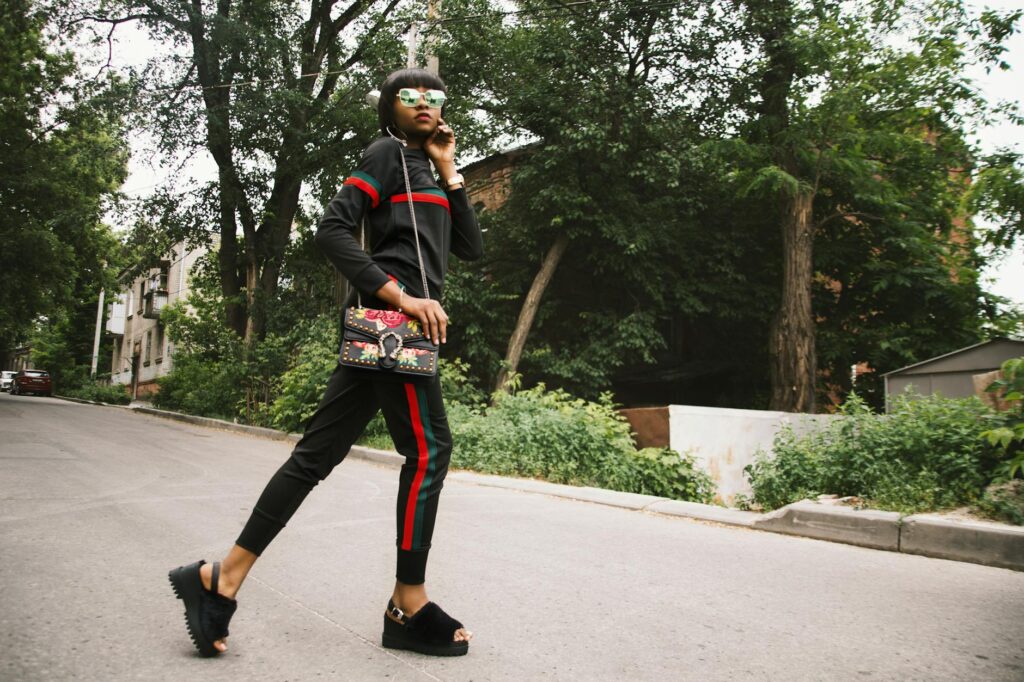
Youth Fashion Trends 2026: What Gen Z is Wearing and Why
A common question asked is: what are the defining youth fashion trends for 2026? As of May 2026, Gen Z is redefining style with a potent blend of nostalgia, practicality, and a strong ethical compass. They’re not just wearing clothes; they’re making statements about identity, sustainability, and the digital world they inhabit. This generation, born roughly between 1997 and 2012, is driving innovation and influence in the fashion landscape like never before.
Last updated: May 6, 2026
Key Takeaways
- Gen Z fashion in 2026 is heavily influenced by Y2K nostalgia, sustainable practices, and comfort.
- Social media, particularly TikTok, dictates micro-trends and aesthetic movements at an unprecedented speed.
- Personal expression and individuality are paramount, leading to eclectic mixes of vintage, streetwear, and unique DIY elements.
- Conscious consumerism drives demand for ethical brands and second-hand shopping.
- Comfort remains a non-negotiable, with athleisure and relaxed silhouettes dominating.
The Resurgence of Y2K and 90s Aesthetics
Step into 2026, and you’ll notice a powerful echo of the late 1990s and early 2000s. Gen Z has embraced the Y2K revival with open arms, reinterpreting its bold colors, low-rise bottoms, and playful accessories for a modern audience. Think baguette bags, chunky sneakers, cargo pants, and vibrant graphic tees. This trend is less about direct replication and more about capturing the carefree, experimental spirit of those eras. It’s a way for them to connect with a pre-digital or early-digital past, offering a sense of tangible nostalgia.
What this means in practice is a surge in popularity for vintage stores and online resale platforms. Sarah, a 20-year-old graphic design student, frequently scouts thrift shops for authentic 90s denim jackets and colorful, slightly quirky tops. “It’s about finding unique pieces that tell a story, not just buying something mass-produced,” she explains.
Comfort Reigns Supreme: The Athleisure Evolution
The pandemic irrevocably shifted fashion priorities, and as of May 2026, comfort is still king. Athleisure, which exploded in the previous decade, has matured into a sophisticated staple. Gen Z seamlessly integrates athletic wear into everyday outfits, prioritizing ease of movement and a relaxed aesthetic. Oversized hoodies, well-fitting joggers, stylish leggings, and comfortable, supportive sneakers are no longer just for the gym; they’re wardrobe mainstays.
Brands that excel in blending style with comfort, offering breathable fabrics and functional designs, are winning. From a different angle, this focus on comfort also extends to the materials used. Gen Z is increasingly aware of fabric sourcing and the environmental impact of textiles. This has led to a preference for natural, recycled, or innovative performance fabrics that feel good against the skin and tread lighter on the planet.
Sustainability and Ethical Consumption
For Gen Z, fashion is deeply intertwined with values. Sustainability isn’t a trend; it’s an expectation. As of 2026, this generation is more informed and vocal about the environmental and social impact of the fashion industry than any before. They actively seek out brands committed to ethical production, fair labor practices, and eco-friendly materials. This has fueled the growth of the second-hand market, with platforms like Depop and Vinted becoming essential shopping destinations.
The rise of “conscious consumerism” means Gen Z is more likely to invest in fewer, higher-quality pieces that will last, or to prioritize pre-loved items. According to a recent survey, over 65% of Gen Z consumers actively look for sustainable options when shopping for clothing. This shift is pressuring mainstream brands to adopt more transparent and responsible supply chains.
Pros and Cons of Sustainable Fashion Choices
- Pros
- Reduced environmental footprint.
- Support for ethical labor practices.
- Often higher quality, longer-lasting garments.
- Unique vintage finds.
- Cons
- Can sometimes be more expensive upfront.
- Availability of specific styles or sizes can be limited.
- Requires more research to verify brand claims.
The Influence of Social Media and Micro-Trends
TikTok, Instagram, and YouTube are the digital runways of 2026. Social media platforms are not just channels for inspiration; they are engines for rapid trend cycles, often referred to as “micro-trends.” These are fleeting aesthetics or specific items that gain massive popularity for a short period before fading. From “cottage core” to “dark academia” and countless others, Gen Z navigates these evolving aesthetics with agility.
What this means in practice is that personal style is highly individualized, yet also influenced by viral content. A single TikTok video can catapult a specific item or look into widespread demand overnight. This fast-paced environment encourages experimentation but also raises concerns about fast fashion’s impact and the pressure to constantly consume new trends. As reported by Vogue Business in April 2026, the TikTok Trend Tracker highlights how quickly these micro-trends emerge and dissipate, challenging traditional fashion calendars.
Streetwear and Individual Expression
Streetwear continues its dominance, but with an elevated focus on personalization. Gen Z uses streetwear staples like graphic tees, hoodies, sneakers, and unique outerwear to express their individuality. It’s less about brand names (though certain brands remain iconic) and more about how pieces are styled and combined. Customization, DIY elements, and upcycling are key components of this trend, allowing individuals to put their unique stamp on their outfits.
For instance, a popular trend involves layering oversized graphic tees from lesser-known artists or vintage bands under unique utility vests or custom-painted denim jackets. The “fit” is paramount, with attention paid to silhouettes, proportions, and the interplay of textures and colors. This emphasis on personal narrative through clothing sets Gen Z apart.
Retro Sneakers and Footwear Faves
Footwear remains a critical element of any Gen Z ensemble. As of May 2026, the love for retro sneakers continues unabated. Classic silhouettes from brands like Nike, Adidas, and New Balance, particularly those from the 80s and 90s, are highly sought after. However, there’s also a growing appreciation for independent or niche sneaker brands that offer unique designs and sustainable credentials. Chunky “dad” sneakers, sleek retro runners, and comfortable lifestyle trainers are all part of the mix.
Instyle.com noted in late April 2026 that even established figures like Martha Stewart are observing these trends, sometimes juxtaposing them with more traditional styles. This shows how Gen Z’s footwear choices are influencing broader fashion conversations, even if their preferred styles are sometimes considered divisive by older generations.
How to Incorporate Gen Z Fashion Trends
Ready to inject some Gen Z flair into your wardrobe? It’s less about chasing every micro-trend and more about adopting the underlying principles:
- Embrace Nostalgia: Look for vintage pieces from the 90s and early 2000s. Think denim, playful prints, and relaxed silhouettes.
- Prioritize Comfort: Invest in high-quality athleisure wear or pieces that offer ease of movement and a relaxed feel.
- Shop Sustainably: Explore thrift stores, vintage shops, and brands committed to ethical and eco-friendly practices.
- Personalize Your Style: Don’t be afraid to mix and match. Add DIY elements, custom accessories, or unique upcycled items to your outfits.
- Stay Informed (But Not Obsessed): Follow relevant social media accounts for inspiration, but focus on what genuinely resonates with your personal aesthetic.
Common Mistakes to Avoid
While adopting new trends, Gen Z also navigates potential pitfalls. A common mistake is getting caught up in the fast cycle of micro-trends, leading to excessive consumption and wardrobe clutter. This can also result in a style that feels inauthentic or constantly changing. Another pitfall is relying too heavily on specific brands or influencers, stifling personal creativity and expression. Finally, while sustainability is key, it’s important to research brands thoroughly to avoid “greenwashing” – misleading marketing about environmental practices.
Expert Insights: The ‘Why’ Behind the ‘What’
The driving force behind Gen Z’s fashion choices in 2026 is a desire for authenticity and self-expression, informed by a heightened awareness of the world. They grew up with the internet, social media, and a global consciousness. Fashion, for them, is a powerful tool to communicate who they are, what they believe in, and how they connect with culture and community. According to the Pew Research Center, Gen Z is the most diverse generation yet, and their fashion reflects this desire to celebrate individuality and belonging simultaneously.
From a different angle, their engagement with fashion is also a response to societal shifts. The emphasis on comfort and practicality stems from a more flexible lifestyle, often balancing remote work or study with social life. The commitment to sustainability is a direct reaction to the climate crisis and a demand for corporate accountability. They are using their purchasing power to advocate for change, making fashion a form of activism.
Frequently Asked Questions
What is the main fashion influence for Gen Z in 2026?
The primary influences for Gen Z fashion in 2026 are Y2K and 90s nostalgia, coupled with a strong emphasis on comfort and sustainable consumption, all amplified by social media trends.
Are ripped jeans still in style for Gen Z in 2026?
While specific denim styles evolve, relaxed-fit, baggy, and carpenter-style jeans are very popular. Ripped elements can still be present, but the overall silhouette often leans towards comfort and a vintage aesthetic rather than ultra-skinny fits.
What are considered sustainable fashion brands for Gen Z?
Brands like Patagonia, Ever lane, Girlfriend Collective, and Reformation are often cited. Additionally, Gen Z heavily patronizes second-hand platforms like Depop, Poshmark, and Vinted for sustainable fashion choices.
How important is individuality in Gen Z fashion?
Individuality is paramount. Gen Z uses fashion as a primary tool for self-expression, blending various influences to create unique personal styles that stand out from mass trends.
What role does TikTok play in Gen Z fashion trends?
TikTok is a major driver of micro-trends and aesthetics. Its algorithm quickly disseminates styles, challenges, and influencer recommendations, shaping what becomes popular very rapidly among Gen Z.
Is fast fashion still relevant for Gen Z?
While fast fashion items are sometimes consumed due to affordability and trend accessibility, there’s a growing backlash. Gen Z increasingly favors sustainable options and is critical of fast fashion’s ethical and environmental impacts.
The fashion world of 2026 is dynamic and deeply reflective of Gen Z’s values and experiences. They are a generation that seeks authenticity, champions sustainability, and uses clothing as a powerful form of personal and collective expression. The key takeaway for anyone looking to understand or adopt these trends is to focus on personal narrative, ethical choices, and the joy of mixing the old with the new.
Last reviewed: May 2026. Information current as of publication; pricing and product details may change.
Editorial Note: This article was researched and written by the Afro Literary Magazine editorial team. We fact-check our content and update it regularly. For questions or corrections, contact us. Knowing how to address Youth Fashion Trends 2026: What Gen Z is Wearing and Why early makes the rest of your plan easier to keep on track.