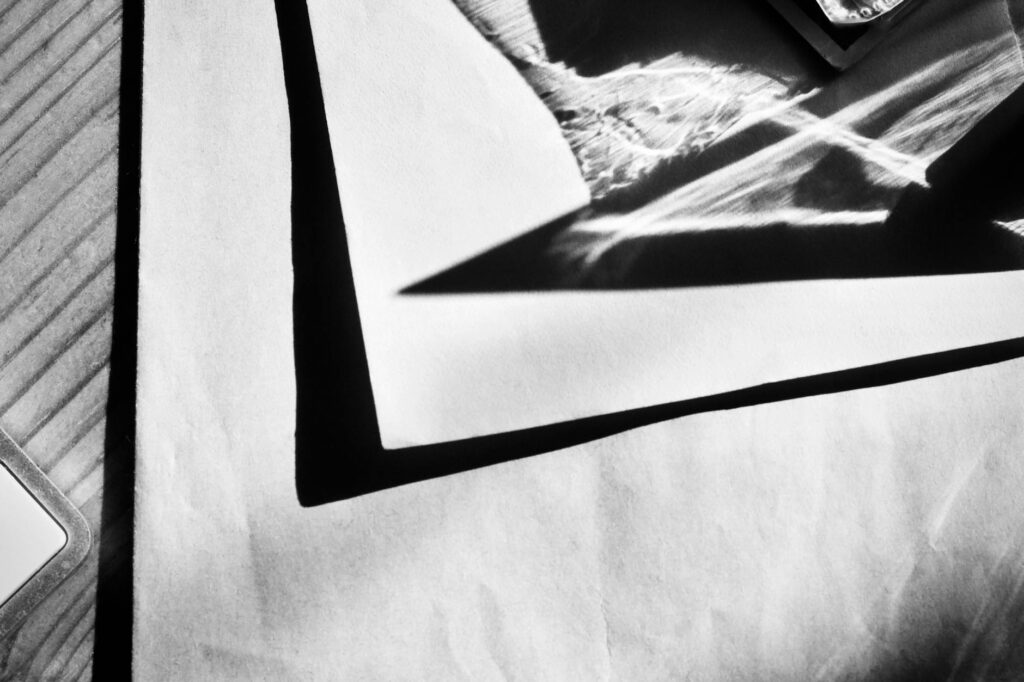
Key Takeaways
- Light and shadow are fundamental tools, shaping mood, depth, and form in photography.
- Understanding light direction, quality (hard/soft), and intensity is key to creative control.
- Mastering contrast and exposure balances highlight and shadow for impactful images.
- Experimentation with natural and artificial light sources unlocks new visual possibilities.
This guide covers everything about Light and Shadow in Photography: A Masterclass for 2026. Most photographers chase perfect light, but understanding how to use light and shadow is the real major shift. As of May 2026, the digital landscape is flooded with images, making impactful composition and mood more vital than ever. This masterclass dives deep into how light and shadow work together, transforming ordinary shots into extraordinary visual stories. Let’s explore how you can harness these elements to elevate your photography.
A common question is how to move beyond simply capturing a scene to actively shaping it. The answer lies in a profound understanding of light and shadow. They aren’t just byproducts of illumination; they are active participants in defining form, conveying emotion, and guiding the viewer’s eye. Think of them as the painter’s brushstrokes, but made of light itself.
The Essential Roles of Light and Shadow
Light is the primary ingredient, but shadow is its equally important partner. Without shadow, light has no context; forms appear flat and uninteresting. Shadow defines edges, creates depth, and adds a sense of volume to subjects. It can evoke mystery, drama, or tranquility, depending on how it’s employed. Understanding their interplay is the foundation of great photography.
For instance, imagine a portrait. Hard light might create strong, defined shadows that emphasize the contours of a face, lending a dramatic or rugged feel. Soft light, conversely, wraps around the subject, creating gentler transitions between light and shadow, often resulting in a more flattering and serene portrayal. The choice dictates the mood.
Anya, a portrait photographer, wanted to capture the resilience of a seasoned jazz musician. She used a single, hard spotlight from the side to cast deep shadows across his face, highlighting the lines etched by years of passion and performance. This deliberate use of shadow amplified the story of his life.
Practically speaking, light and shadow influence our perception of texture and form. A rough surface appears more textured under directional light that casts small shadows across its imperfections, while smooth surfaces benefit from even illumination that minimizes harsh shadow play.
Understanding Light Direction: The Photographer’s Compass
The direction from which light strikes your subject is perhaps the most critical factor in shaping its appearance. Each direction casts shadows in a unique way, offering distinct visual outcomes. Mastering these directions provides a powerful toolkit for controlling your image’s narrative.
Frontal Lighting: When the light source is directly in front of Light and Shadow in Photography: A Masterclass for 2026, shadows are minimized. This can flatten Light and Shadow in Photography: A Masterclass for 2026, reducing its three-dimensional feel. It’s often used for straightforward product shots or ID photos where detail clarity is paramount, but can lack depth for artistic expression.
Side Lighting: Light coming from the side (90 degrees to Light and Shadow in Photography: A Masterclass for 2026) creates strong contrast, with one side well-lit and the other in shadow. This is excellent for revealing texture and form, adding drama and dimension. It’s a go-to for creating moody portraits and emphasizing the contours of objects.
Backlighting: Light originating from behind Light and Shadow in Photography: A Masterclass for 2026 can create dramatic silhouettes or a beautiful rim light effect around Light and Shadow in Photography: A Masterclass for 2026’s edges. This technique requires careful exposure management to avoid losing detail in the foreground. It’s fantastic for isolating subjects against bright backgrounds or creating ethereal glows.
Top Lighting: Light from directly above can create harsh shadows under the eyes and nose, often unflattering for portraits. However, it can be effective for still life or architectural photography, emphasizing geometric shapes and creating a sense of grandeur or starkness.
Undelighting: Light from below is less common but can produce a spooky or unsettling effect, as it mimics candlelight or firelight. It’s a niche technique that can add a unique, dramatic flair when used intentionally.
What this means in practice: by simply moving your light source or your subject, you can drastically alter the mood and perception of your image, from flat and mundane to dynamic and captivating. According to the Professional Photographers of America (PPA) (2024), understanding light direction is a core competency for all photographers, regardless of genre.
The Quality of Light: Hard vs. Soft
Beyond direction, the quality of light—whether it’s hard or soft—profoundly impacts the shadows it creates. This refers to the size of the light source relative to Light and Shadow in Photography: A Masterclass for 2026. A small, distant light source produces hard light; a large, close one produces soft light.
Hard Light: This creates sharp, well-defined shadows with abrupt transitions from light to dark. It’s often associated with direct sunlight on a clear day or a bare studio flash. Hard light emphasizes texture and detail, can add drama, but can also be unforgiving, highlighting imperfections and potentially creating blown-out highlights or deep, featureless shadows.
Soft Light: This produces gentle, diffused shadows with gradual transitions. Think of an overcast day, light filtering through a sheer curtain, or light from a large soft box. Soft light is generally flattering for portraits, creates a sense of calm, and can make subjects appear smoother and more ethereal. It reduces contrast and can make it harder to discern fine textures.
Kenji wanted to photograph a delicate flower. He waited for an overcast morning. The diffused light created soft shadows, revealing the subtle gradients in the petals without harsh lines, making the bloom appear more fragile and luminous.
From a different angle, consider the impact on mood. Hard light often feels more energetic, stark, or even aggressive, while soft light suggests peace, subtlety, or a dreamlike quality. As of May 2026, many photographers are exploring hybrid approaches, using modifiers to control the hardness or softness of their light for precise creative effect.
Controlling Contrast and Exposure
Contrast is the difference between the lightest and darkest areas in your image. Light and shadow are the very elements that create contrast. Mastering exposure—how much light reaches your sensor—allows you to control this difference and tell your story effectively.
High Contrast: Achieved with strong light sources and deep shadows. This creates a dramatic, bold look. It can be used to highlight form and texture, or to create a sense of tension and power. However, it can also lead to clipped highlights (pure white, no detail) or crushed blacks (pure black, no detail) if not managed carefully.
Low Contrast: Achieved with softer, more even lighting. This creates a subtle, harmonious look. It’s often used for serene landscapes or flattering portraits. The challenge here is to avoid images that look flat or lack punch; subtle variations in tone become crucial.
Maria’s goal was to convey the quiet solitude of a foggy morning. She intentionally used a low-contrast approach, ensuring minimal difference between light and shadow. This minimized the definition of objects, enhancing the feeling of quiet stillness and mystery.
A key insight from many professional photographers is that the histogram on your camera is your best friend for managing exposure and contrast. It provides a visual representation of the tonal distribution in your image, helping you avoid losing detail in the extreme highlights or shadows. According to Adobe’s photography tutorials (2025), understanding your histogram is as fundamental as understanding your aperture.
Creative Applications: Chiaroscuro and Beyond
The artistic application of strong contrasts between light and dark, often producing a dramatic effect, is famously known as chiaroscuro. Originating in Renaissance painting, this technique has been powerfully translated into photography.
Chiaroscuro in photography uses light and shadow to sculpt subjects, create a sense of depth, and evoke strong emotions. It’s about selective illumination – letting certain parts of your subject emerge from darkness, drawing the viewer’s attention to key details while obscuring others.
Low-Key Lighting: This style relies heavily on shadow and minimal light to create a dark, moody, and dramatic image. It’s perfect for creating suspense, mystery, or highlighting the intensity of a subject’s expression. Often, only a small portion of Light and Shadow in Photography: A Masterclass for 2026 is illuminated.
High-Key Lighting: The opposite of low-key, this style uses bright, even lighting with minimal shadows. It creates an airy, optimistic, and clean aesthetic. While it seems simple, achieving a high-key look without making the image feel flat requires careful control over light placement and exposure.
What this means in practice: When aiming for a chiaroscuro effect, think about what you want the viewer to focus on. Use your light source to draw attention there, allowing the surrounding areas to fall into shadow. This selective visibility creates a powerful narrative and guides the viewer’s emotional response.
For a series on urban isolation, photographer Benjy used undelighting on subjects in dark alleyways. The stark, unnatural light carved out their features from the oppressive darkness, creating unsettling and memorable images that spoke volumes about their environment.
Using Light and Shadow for Visual Storytelling
Every photograph tells a story, and light and shadow are your primary narrative tools. They can set the scene, reveal character, and dictate the emotional tone of your image.
Consider how light can highlight a specific detail—a tear rolling down a cheek, the worn texture of a craftsman’s hands, or a glimmer of hope in a challenging situation. Conversely, shadows can conceal, suggest, or create anticipation. What is left unseen can be as powerful as what is visible.
Using Shadows to Imply Presence: Sometimes, showing a shadow of a person or object can be more evocative than showing Light and Shadow in Photography: A Masterclass for 2026 itself, hinting at their presence or absence. This is a powerful technique for conveying emotion or a sense of mystery. The International Center of Photography (ICP) (2023) often features work that masterfully uses negative space and shadow to enhance narrative.
Highlighting Emotion: In portraits, the way light falls on a face can reveal a wealth of emotion. Catch lights in the eyes add life, while shadows can suggest introspection, sadness, or contemplation. The subtle interplay of light and shadow on facial features is fundamental to conveying personality.
Creating Depth and Dimension: Even in flat scenes, thoughtful use of light and shadow can create a perception of depth. Shadows cast by foreground objects can lead the eye into the scene, while highlights on receding planes can suggest distance. This is crucial for making a 2D image feel more immersive.
The key is intentionality. Don’t just accept the light as it’s; shape it, control it, and use it to reinforce the message you want to convey. As of May 2026, advanced HDR (High Dynamic Range) techniques also allow photographers to capture and blend exposures to retain detail in both the brightest highlights and deepest shadows, offering even more control.
Practical Tips for Mastering Light and Shadow
Putting theory into practice requires conscious effort and experimentation. Here are some actionable tips to help you harness light and shadow more effectively:
- Observe Light Constantly: Pay attention to how light falls in everyday situations—the shadows cast by buildings, the way light enters a room. This builds your visual library.
- Shoot at Different Times of Day: ‘Golden hour’ (shortly after sunrise and before sunset) offers warm, soft light and long shadows. Midday sun is harsh and creates strong shadows. Overcast days provide soft, diffused light.
- Experiment with Light Modifiers: If using artificial light, use soft boxes, umbrellas, or diffusers to soften hard light, and grids or snoots to direct hard light precisely.
- Use Reflectors and Flags: Reflectors bounce light into shadows to fill them in, while flags (black cards or panels) absorb light and deepen shadows.
- Embrace the Shadow: Don’t be afraid of dark areas. They provide contrast, guide the eye, and add mood. Learn to work with the shadows, not just against them.
- Understand Your Camera’s Metering: Learn how your camera’s light meter works and how to use exposure compensation to intentionally over- or underexpose for creative effect, particularly when dealing with high contrast scenes.
- Post-Processing Power: Editing software allows you to fine-tune contrast, selectively brighten or darken areas (dodging and burning), and enhance the overall impact of your light and shadow play.
A genuine drawback: While post-processing offers great control, relying too heavily on it can lead to unnatural-looking images. The most compelling results come from understanding and shaping light at the capture stage.
Common Mistakes to Avoid
Many photographers fall into predictable traps when working with light and shadow. Being aware of these can help you steer clear:
- Ignoring the Shadow: Often, photographers focus only on the lit areas and neglect the crucial role shadows play in defining form and mood. This leads to flat images.
- Over-Reliance on Direct Flash: A direct, on-camera flash creates harsh light and unflattering shadows. Diffusing or bouncing flash is almost always a better approach.
- Assuming More Light is Better: Sometimes, less light, strategically placed, creates a far more compelling image than an overly bright scene.
- Not Balancing Exposure: In high-contrast scenes, failing to manage exposure can lead to loss of detail in either the highlights or shadows, making the image difficult to interpret.
- Forgetting Light and Shadow in Photography: A Masterclass for 2026: Always remember that light and shadow are tools to serve Light and Shadow in Photography: A Masterclass for 2026 and the story, not ends in themselves. Overly dramatic lighting can distract from a compelling subject.
Practically speaking, the solution to these mistakes is conscious observation and practice. Reviewing your images critically, paying attention to the histogram, and consciously experimenting with different lighting scenarios will accelerate your learning curve.
Conclusion
Understanding light and shadow in photography is a continuous journey, not a destination. By observing the world around you, experimenting with different light sources and directions, and consciously controlling contrast and exposure, you can imbue your images with depth, emotion, and visual power. Embrace the shadows as much as you embrace the light, and you’ll find your photography transformed.
Your actionable takeaway: This week, try a simple portrait session using only natural window light. Move your subject to different positions relative to the window (front, side, back) and observe how the light and shadow change the mood and form. Review the results and see which lighting angle best tells the story you want to convey.
Last reviewed: May 2026. Information current as of publication; pricing and product details may change.
Frequently Asked Questions
What is Light and Shadow in Photography: A Masterclass for 2026?
Light and Shadow in Photography: A Masterclass for 2026 is a topic that many people search for. This article provides a thorough overview based on current information and expert analysis available in 2026.
Why does Light and Shadow in Photography: A Masterclass for 2026 matter?
Understanding Light and Shadow in Photography: A Masterclass for 2026 helps you make better decisions. Whether you’re a beginner or have some experience, staying informed on Light and Shadow in Photography: A Masterclass for 2026 is genuinely useful.
Where can I learn more about Light and Shadow in Photography: A Masterclass for 2026?
We recommend checking authoritative sources and official websites for the most current information. This article is regularly updated to reflect new developments.
Source: Britannica
Editorial Note: This article was researched and written by the Afro Literary Magazine editorial team. We fact-check our content and update it regularly. For questions or corrections, contact us.


