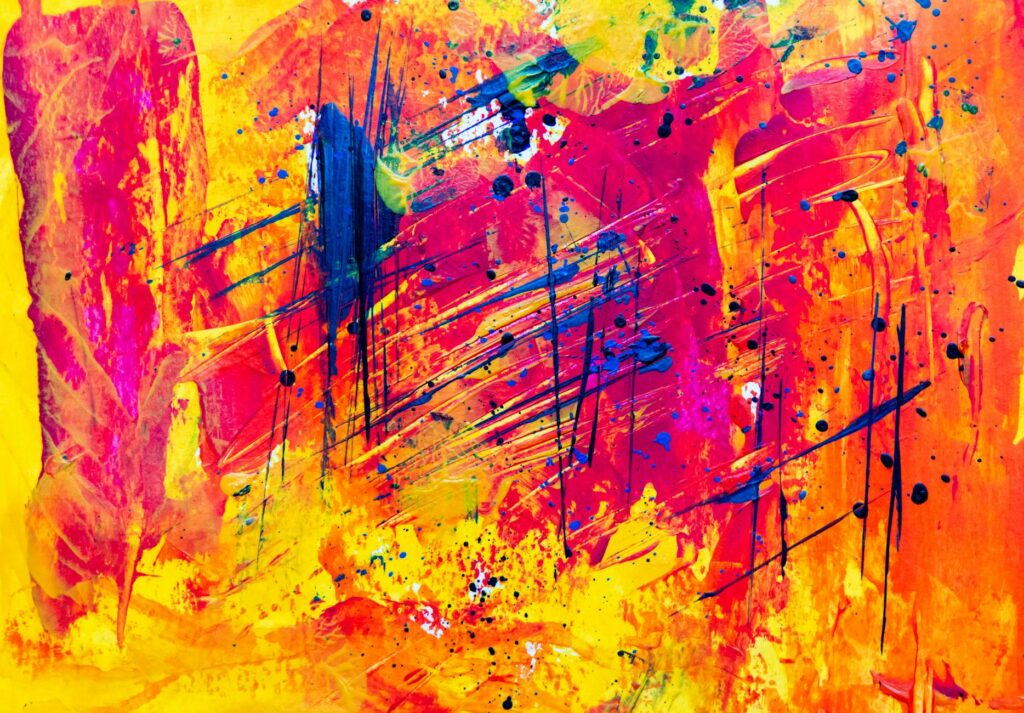
🎯 Quick AnswerAction Painting and Color Field are two distinct styles within Abstract Expressionism. Action Painting, exemplified by Jackson Pollock, emphasizes the physical act of creation with dynamic gestures like drips and splashes. Color Field painting, seen in Mark Rothko's work, uses large, flat areas of color to evoke deep emotional and contemplative responses.
: gestural and dynamic for Action Painting, expansive and meditative for Color Field.
Both styles aim to convey profound emotion and psychological depth, but through contrasting visual languages.
Understanding these techniques enriches your appreciation of Abstract Expressionism’s breadth.
The Energetic Heartbeat: What Is Action Painting?
This guide covers everything about Action Painting vs. Color Field: A Deep Dive into Abstract Expressionist Techniques. Its emphasis on the characterizs action Painting act of painting itself. The canvas becomes an arena for spontaneous, often vigorous, physical movement. Artists aren’t just applying paint; they are engaged in a performance, with the final artwork serving as a trace of that dynamic process. Think of it as a dance between the artist, the materials, and the canvas.
Last updated: May 6, 2026
The process is often improvisational. Drips, splashes, smears, and bold brushstrokes are not accidents but deliberate manifestations of the artist’s inner state. This approach seeks to capture raw emotion, energy, and the unconscious mind directly onto the surface. The resulting works are often complex, layered, and visually arresting.
A quintessential example is Jackson Pollock‘s drip technique. He would lay his canvas on the floor and move around it, dripping, pouring, and flinging paint from cans or sticks. The sheer physicality of his method, often involving large canvases, transformed painting into a full-body experience. According to the Tate Museum, Pollock’s work embodies the idea that “the finished work is only the evidence of the artist’s encounter with the materials.”
Practically speaking, the viewer is invited to feel the energy and intensity of the creative moment. The texture, the apparent spontaneity, and the visible traces of the artist’s hand all contribute to this visceral experience. It’s about the journey of creation as much as the destination.
The Meditative Soul: Exploring Color Field Painting
Color Field painting, in contrast, seeks a more contemplative and immersive experience. Instead of gestural marks, artists use large, flat areas of solid color. The focus shifts from the artist’s physical action to the pure, unadulterated impact of color itself on the viewer’s psyche.
These works often feature vast expanses of a single hue or carefully orchestrated juxtapositions of color. The flatness of the surface is crucial, eliminating any illusionistic depth and emphasizing the painting as a physical object. This direct confrontation with color aims to evoke profound emotional and spiritual responses, often described as sublime or transcendental.
Mark Rothko is perhaps the most renowned Color Field painter. His signature style involves creating soft-edged rectangular forms that appear to float on their colored backgrounds. These works are not about depicting anything recognizable; they are intended to envelop the viewer, prompting introspection and emotional connection. As Rothko himself stated, “I am interested in expressing the basic human emotions—tragedy, ecstasy, doom, and so on.” His large-scale canvases, often around 8 by 10 feet, are designed to be experienced up close, creating an overwhelming sensory and emotional impact.
What this means in practice is that Color Field art invites a slower, more internal engagement. Instead of feeling the artist’s energy, the viewer is meant to absorb the color’s resonance. The scale and simplicity of the compositions allow for a deeply personal encounter with the artwork, where individual emotions and associations come to the fore.
Action Painting vs. Color Field: Key Distinctions
The fundamental divergence between Action Painting and Color Field lies in their primary focus: the process versus the outcome, the gesture versus the hue. However, many other differences emerge from this core distinction.
Technique: Action Painting is characterized by drips, splatters, impasto (thickly applied paint), and visible brushwork. Color Field relies on large, unmodulated areas of color, often applied with thin washes or staining techniques that soak into the canvas, creating a sense of flatness.
Energy and Emotion: Action Painting often conveys a sense of raw, dynamic energy, anxiety, or explosive feeling. Color Field typically evokes a more serene, meditative, or sublime emotional state, aiming for profound but often quieter psychological impact.
Composition: Action Painting compositions can appear chaotic or complex, with multiple layers and intersecting lines. Color Field compositions are typically minimalist, dominated by large, simple shapes of color that define the visual field.
Artist’s Role: In Action Painting, the artist’s physical action and performance are central to the artwork’s meaning. In Color Field, the artist’s intention is to create an environment of color that the viewer can enter, with the artist’s physical presence less emphasized in the final work.
Action Painting vs. Color Field Comparison Table
Feature
Action Painting
Color Field Painting
Primary Focus
The act of painting, physical process
The impact of color, the finished surface
Technique
Drips, splashes, gestural brushwork, impasto
Large, flat areas of color, staining, thin washes
Visual Feel
Energetic, dynamic, complex, textured
Calm, expansive, meditative, flat
Emotional Evocation
Raw emotion, intensity, subconscious expression
Sublime, spiritual, introspective, contemplative
Key Artists
Jackson Pollock, Willem de Kooning, Lee Krasner
Mark Rothko, Barnett Newman, Clyfford Still, Helen Frankenthaler
Masters of the Medium: Iconic Artists and Their Contributions
The Abstract Expressionist movement produced legendary figures who defined these distinct approaches. Understanding their contributions is key to appreciating the movement’s richness.
Jackson Pollock (1912-1956) is the undisputed icon of Action Painting. His “drip paintings” from the late 1940s and early 1950s, like ‘Convergence’ (1952), are prime examples of his revolutionary technique. His work demonstrated that art could be born from pure gesture and an engagement with the material itself, pushing the boundaries of what a painting could be.
Willem de Kooning (1904-1997) also embodied Action Painting, though with a more deliberate, yet still intensely gestural, approach. His ‘Woman’ series, particularly ‘Woman I’ (1950-52), showcases a powerful, often brutal, application of paint that conveyed raw emotion and psychological intensity. His work highlights the expressive potential of the brushstroke.
Lee Krasner (1908-1984), married to Pollock, was a formidable artist in her own right, contributing significantly to Action Painting. Her work evolved through various styles, but often retained a powerful gestural quality and bold use of color, seen in pieces like ‘Gothic’ (1961). She explored themes of identity and abstraction with fierce energy.
On the Color Field side, Mark Rothko‘s contributions are monumental. His chapel commissions and museum installations sought to create immersive spiritual environments. His works are less about individual paintings and more about the cumulative effect of color fields on the viewer’s perception and emotional state. According to the Rothko Chapel’s own statements, the works are designed to foster contemplation and a connection to the universal.
Barnett Newman (1905-1970) is known for his “zips”—vertical lines of color that bisect large fields of flat pigment. These zips, as seen in ‘Vir Heroicus Sublimes’ (1950-51), create a sense of awe and the sublime, dividing and connecting the vast color planes. Newman believed these zips were pathways to the infinite.
Helen Frankenthaler (1928-2011) pioneered the “soak-stain” technique, where diluted paint was poured or brushed onto unprimed canvas, allowing the color to seep into the fabric. This created translucent, luminous fields of color, as in ‘Mountains and Sea’ (1952), a seminal work in the development of Color Field painting. This technique further dissolved the boundary between the paint and the canvas.
Practical Tips for Appreciating Action Painting and Color Field
Whether you’re visiting a gallery or exploring art online, here’s how to get more from these powerful styles:
For Action Painting:
Look for the energy: Notice the directionality of the strokes, the layering, and the texture. Imagine the artist’s movements.
Consider the scale: Many action paintings are large. Stand back to take in the overall composition, then move closer to examine the details and textures.
Embrace the chaos: Don’t look for literal representation. Instead, try to feel the emotion and dynamism the artist has conveyed through their physical engagement with the canvas.
For Color Field Painting:
Allow time: These works reward patience. Sit with them. Let the colors wash over you and see what feelings or thoughts arise.
Observe the nuances: Even in seemingly simple fields of color, there are subtle shifts in tone, hue, and saturation. Notice how the edges of forms interact.
Focus on the atmosphere: Color Field paintings create an environment. Try to absorb the mood and emotional resonance the artist has crafted.
Common Pitfalls When Viewing Abstract Expressionism
Many viewers struggle with Abstract Expressionism because they approach it with the wrong expectations. Here are common mistakes and how to avoid them:
Mistake: Expecting to “understand” the painting literally. Solution: Shift your focus from narrative to emotion and sensation. Abstract art communicates through visual elements like color, line, and form, not through storytelling.
Mistake: Dismissing it as “my child could do that.” Solution: Recognize the intentionality, skill, and deep conceptual underpinnings. Action painting requires mastery of gesture and material, while Color Field demands profound understanding of color theory and psychological impact. The apparent simplicity often belies complex artistic decisions.
Mistake: Only looking at the most famous artists. Solution: Explore lesser-known artists within both Action Painting and Color Field. Many talented individuals contributed to these movements, and their unique perspectives enrich our understanding. For instance, exploring artists like Joan Mitchell (Action Painting) or Sam Gilliam (Color Field) offers fresh insights.
Beyond the Canvas: The Enduring Legacy
The impact of Action Painting and Color Field extends far beyond the mid-20th century. Their influence can be seen in contemporary art, graphic design, and even digital art. The exploration of pure color and the emphasis on process continue to inspire artists today.
As of May 2026, galleries and museums worldwide continue to feature these works prominently, attracting new generations of viewers. The raw emotional power of Action Painting and the contemplative depth of Color Field remain potent forces in the art world, proving their timeless appeal. Understanding their distinct approaches allows for a richer, more nuanced appreciation of this key moment in art history.
Frequently Asked Questions
What is the main difference between Action Painting and Color Field?
The primary difference lies in technique and focus: Action Painting emphasizes the physical act of applying paint with energetic gestures, while Color Field focuses on large, flat areas of color to create immersive emotional experiences.
Who are the most famous Action Painters?
Jackson Pollock, Willem de Kooning, and Lee Krasner are among the most celebrated Action Painters. Their works are renowned for their dynamism, gestural energy, and raw emotional expression.
Who are the most famous Color Field Painters?
Mark Rothko, Barnett Newman, Clyfford Still, and Helen Frankenthaler are key figures in Color Field painting. They are known for their use of expansive, flat areas of color to evoke profound emotional and spiritual responses.
Can a single artist practice both Action Painting and Color Field?
While artists often have a primary style, some, like Helen Frankenthaler, bridged approaches. Her early work leaned towards Color Field with soak-stain techniques, but her later pieces sometimes incorporated more gestural elements, showing an evolution in her practice.
What is the emotional impact of Action Painting?
Action Painting typically elicits feelings of intensity, energy, excitement, or even anxiety. The viewer is invited to connect with the raw emotion and physical dynamism present in the artist’s creative process.
What is the emotional impact of Color Field painting?
Color Field painting often aims for a more sublime, contemplative, or spiritual experience. The large expanses of color can evoke feelings of peace, awe, transcendence, or deep introspection.
Last reviewed: May 2026. Information current as of publication; details may change.
Editorial Note: This article was researched and written by the Afro Literary Magazine editorial team. We fact-check our content and update it regularly. For questions or corrections, contact us. Knowing how to address Action Painting vs. Color Field: A Deep Dive into Abstract Expressionist Techniques early makes the rest of your plan easier to keep on track.
A
Afro Literary Magazine Editorial TeamOur team creates thoroughly researched, helpful content. Every article is fact-checked and updated regularly.