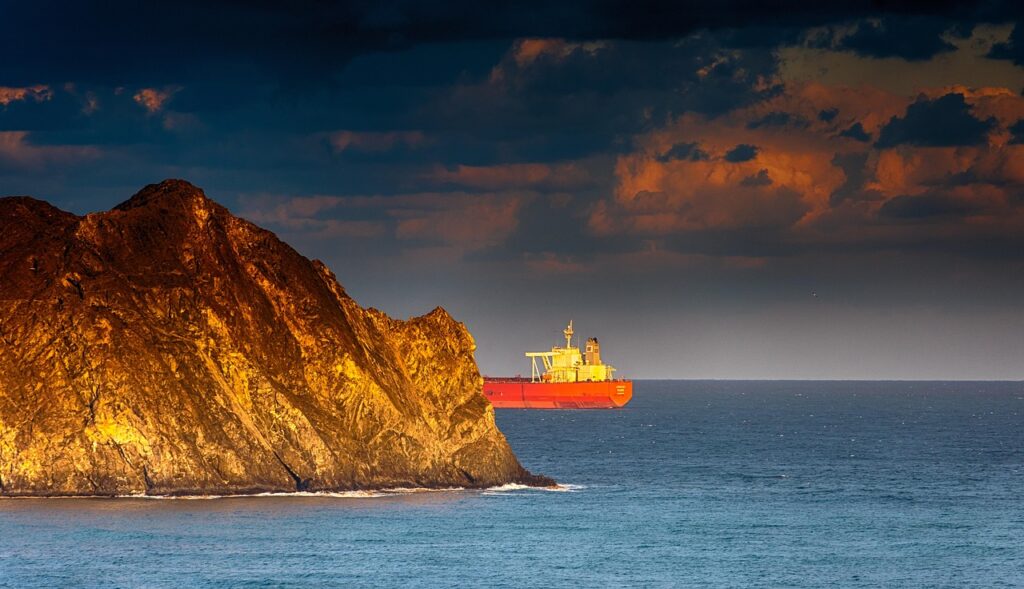
Energy Security 2026: Maritime Chokepoints & Global Oil/Gas
Energy security remains a paramount concern for nations worldwide, with maritime chokepoints playing an indispensable role in the global flow of oil and natural gas. These narrow, strategically vital waterways act as critical arteries for international trade, particularly for energy commodities.
Last updated: August 30, 2026
Maintaining the stability and accessibility of these chokepoints is essential for preventing price volatility and ensuring a consistent supply of energy to meet global demand. Disruptions can have far-reaching economic and geopolitical consequences.
Latest Update (August 2026)
Recent analyses highlight a shifting geography of energy security, extending beyond traditional maritime chokepoints to include overland routes and regional dynamics, as noted by War on the Rocks on August 26, 2026. Concurrently, the persistent underpricing of risks associated with maritime trade routes remains a concern for global markets, according to the Atlantic Council on August 25, 2026.
A new Maritime Nuclear Energy Initiative was launched, underscoring a growing focus on diverse energy solutions and security strategies, as announced by C-SPAN on August 27, 2026. Saudi Arabia’s strategic recalibration in regions like the Red Sea also impacts energy flow and security considerations, as reported by horn review on August 30, 2026.
Furthermore, calls for international cooperation, even between geopolitical rivals like the US and China, are emerging to ensure the safety and freedom of maritime trade routes, as suggested by the South China Morning Post on August 28, 2026.
What Exactly Are Maritime Chokepoints?
Maritime chokepoints are defined as narrow passages where sea traffic must converge. These are typically straits or man-made canals connecting larger bodies of water. They are indispensable for a vast majority of the world’s international trade, especially for energy resources.
Think of them as the planet’s critical bottlenecks for shipping. Their strategic importance means that control or disruption of these points can significantly influence global supply chains and commodity prices.
The ‘Why It Matters’ for Oil and Gas
The influence of these chokepoints on global oil and gas markets is profound. Energy commodities are bulky and predominantly transported via tankers or pipelines. These chokepoints often represent the most practical or cost-effective routes for moving vast quantities of crude oil and liquefied natural gas (LNG) from producing regions to consuming nations.
When these passages are clear, oil flows smoothly, and prices tend to remain stable. However, when they face threats, congestion, or outright closure, the immediate impact is a surge in prices and a scramble for alternative, often more expensive, supply routes.
This dynamic is particularly pronounced for crude oil. Rerouting tankers can add weeks to transit times, substantially increasing shipping costs and impacting final delivery prices. The fragility of these systems underscores the need for robust energy security strategies.
The Big Players: Key Maritime Chokepoints
Several chokepoints disproportionately affect global energy security. Understanding their specific roles is crucial for grasping market dynamics and potential vulnerabilities.
The Strait of Hormuz: The Middle East’s Lifeline
This strait is arguably the most critical chokepoint for global oil trade. Its location between Iran and Oman means that any significant tension or conflict in the Persian Gulf region directly impacts the flow of oil from major producers like Saudi Arabia, Iran, Iraq, and the UAE.
As of August 2026, approximately 20.5 million barrels per day (bpd) of oil passed through Hormuz, according to data from the U.S. Energy Information Administration (EIA) (2023 data used for projection). A blockade or even a perceived threat here can send Brent crude oil prices soaring by several dollars per barrel within hours.
Major energy companies like Chevron and ExxonMobil, deeply involved in the region’s energy sector, constantly monitor the geopolitical situation surrounding the Strait. As reported by horn review on August 30, 2026, Saudi Arabia’s engagement in the Red Sea region also has broader implications for energy security, indirectly affecting routes that might otherwise be considered alternatives or complements to Hormuz traffic.
The Suez Canal: Connecting Continents
The Suez Canal is a vital conduit for oil and LNG shipments moving between Asia and Europe. The grounding of the container ship Ever Given in 2026, which blocked the canal for six days, vividly demonstrated the fragility of this essential route.
That incident caused significant delays for dozens of oil tankers and LNG carriers, leading to temporary price increases and widespread supply chain chaos. The event served as a stark reminder of the interconnectedness of global trade and energy markets.
The Suez Canal Authority (SCA) continues to invest in expanding and deepening the canal to accommodate more traffic and larger vessels. These ongoing upgrades, noted in project announcements from late 2025, aim to bolster its role in global energy transit and enhance its resilience against future disruptions.
The Strait of Malacca: Asia’s Energy Highway
Connecting the Pacific and Indian Oceans, the Strait of Malacca is a crucial route for oil and LNG destined for major Asian economies like China, Japan, and South Korea. It ranks among the world’s busiest shipping lanes, handling a significant portion of global energy flows.
Piracy and security concerns, though reduced in recent years, remain latent risks in this vital waterway. Disruptions here could impact not only energy supplies but also the flow of manufactured goods essential to the region’s economy.
The Panama Canal: A Pacific-to-Atlantic Connector
While historically known for general cargo, the Panama Canal has gained increasing importance for LNG shipments, particularly from the U.S. Gulf Coast to Asian markets. Recent expansions have enabled larger LNG carriers to transit.
However, drought conditions have emerged as a significant concern, leading to transit restrictions and delays as of early 2026. These water-level issues can force LNG shippers to opt for longer, more expensive routes around South America, adding to shipping costs and potentially affecting regional gas prices.
Geopolitical Flashpoints and Security Risks
Maritime chokepoints are frequently situated in politically volatile regions. This inherent geopolitical risk is arguably the most significant factor influencing their impact on energy security.
Tensions between Iran and its neighbors, for instance, directly threaten the Strait of Hormuz. Conflicts in the Red Sea or the broader Middle East can escalate shipping insurance premiums or necessitate outright rerouting, as seen with naval security concerns impacting routes near the Bab el-Mandeb strait.
According to the International Maritime Organization (IMO) (2024 data), maritime security threats like piracy, terrorism, and state-sponsored interdiction remain persistent concerns at many choke points. These necessitate increased naval presence and robust security protocols to ensure safe passage.
As highlighted by the Atlantic Council on August 25, 2026, global markets continue to underprice the substantial risks posed by these maritime threats. This disconnect suggests a potential for future market shocks if geopolitical events escalate.
Common Mistakes in Managing Chokepoint Risks
Many nations and energy companies err when assessing and mitigating risks associated with maritime chokepoints. Avoiding these pitfalls is essential for robust energy security.
One common mistake is focusing solely on physical blockades, neglecting the impact of political instability, sanctions, or cyber threats that can disrupt flow without a single shot fired. Another error is underestimating the cascading effects of a disruption; a problem at one chokepoint can quickly strain alternative routes and markets.
A further oversight involves insufficient investment in intelligence gathering and diplomatic solutions. Proactive engagement and understanding of regional dynamics can often prevent crises before they materialize, making it a more effective strategy than reactive measures.
Strategies for Enhancing Energy Security Through Chokepoints
Enhancing energy security requires a multi-faceted approach to managing maritime chokepoints. This involves a combination of diplomatic, economic, and security measures.
International cooperation is paramount. Agreements and partnerships among nations that rely on these chokepoints can foster stability and facilitate coordinated responses to threats. The call for US and China to team up on maritime trade security, as reported by the South China Morning Post on August 28, 2026, exemplifies this need for collaboration.
Investing in diversified energy sources and transportation infrastructure reduces reliance on any single chokepoint. This includes developing alternative pipeline routes, increasing domestic production where feasible, and expanding the capacity of LNG terminals.
Enhanced maritime surveillance and naval presence in critical areas can deter piracy and other illicit activities. Technological advancements in monitoring and communication also play a role in improving situational awareness and response times.
The recent launch of the Maritime Nuclear Energy Initiative (C-SPAN, August 27, 2026) signals a potential long-term strategy to diversify energy generation and potentially reduce reliance on fossil fuel transport through chokepoints, contributing to overall energy security.
The Future of Chokepoints in Energy Security
The future role of maritime chokepoints in energy security will likely be shaped by several evolving trends. Geopolitical competition, the global energy transition, and technological advancements will all play significant parts.
As demand for energy, particularly LNG, continues to grow in emerging economies, the importance of these waterways will persist. Simultaneously, the increasing frequency of extreme weather events, exacerbated by climate change, poses new threats to infrastructure like the Panama Canal, as seen with recent drought conditions.
Furthermore, the development of new energy resources and trade routes, such as those discussed in the context of the Caucasus and Middle East by War on the Rocks (August 26, 2026), could alter traditional energy flow patterns, potentially shifting the strategic importance of certain chokepoints over time.
Frequently Asked Questions
What is the most critical maritime chokepoint for global oil supply?
The Strait of Hormuz is widely considered the most critical maritime chokepoint for global oil supply. It facilitates the transit of approximately 30% of the world’s seaborne crude oil and refined products, making it highly susceptible to geopolitical tensions in the Persian Gulf region.
How do chokepoint disruptions affect oil prices?
Disruptions at maritime chokepoints can cause oil prices to surge rapidly. Traders and markets react to the perceived or actual reduction in supply, leading to immediate price increases due to fears of shortages and the higher costs associated with rerouting or securing alternative supplies.
What are the main security threats at maritime chokepoints?
Main security threats include piracy, terrorism, state-sponsored interdiction (blockades or seizures), and geopolitical conflicts. Natural factors like extreme weather and the risk of accidents involving large vessels also pose significant threats to continued transit.
How is the Panama Canal’s drought affecting LNG shipments?
Drought conditions in Panama have led to restrictions on vessel size and draft, causing delays and forcing some LNG carriers to take longer, more expensive routes around South America. This impacts delivery schedules and can increase shipping costs for natural gas.
What role does international cooperation play in securing chokepoints?
International cooperation is vital for sharing intelligence, coordinating naval patrols, and developing diplomatic solutions to disputes. Collaborative efforts help deter threats, ensure freedom of navigation, and facilitate rapid responses to incidents, thereby enhancing overall energy security.
Conclusion
Maritime chokepoints remain central to global energy security in 2026. Their strategic importance for the flow of oil and gas necessitates constant vigilance and proactive management of the inherent geopolitical and security risks. As the global energy landscape evolves, a combination of international cooperation, infrastructure investment, and adaptive strategies will be essential to ensure the uninterrupted flow of energy resources.