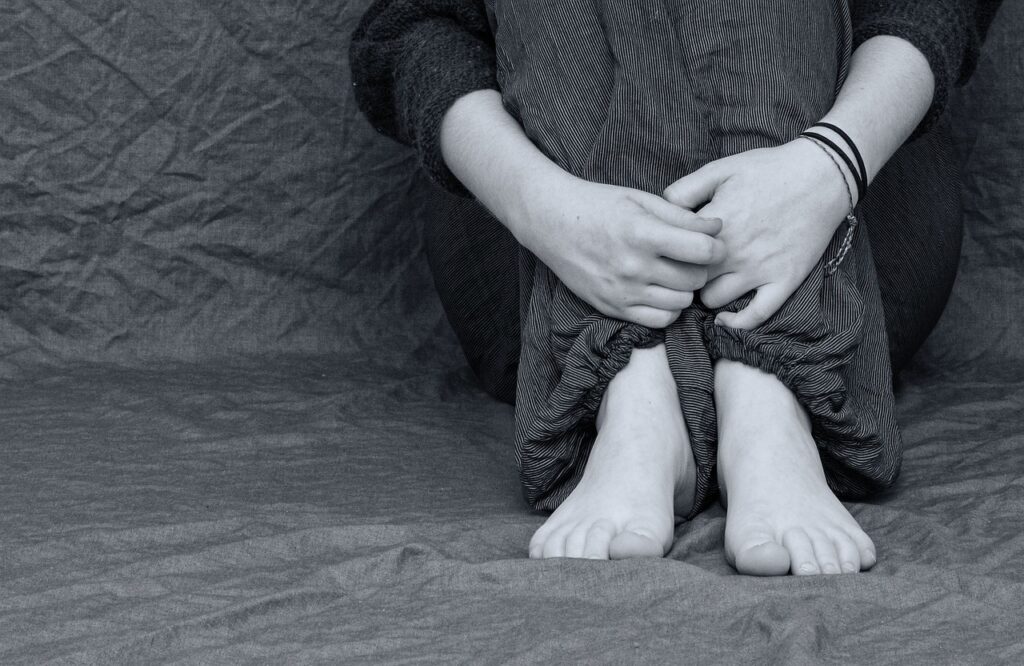
When the Weight Feels Heavy: Finding Your Anchor
Imagine Sarah, a young professional, feeling overwhelmed by work deadlines, family expectations, and the persistent hum of microaggressions she experiences daily. She knows she needs support, but the thought of explaining her unique experiences to someone who might not understand feels exhausting. This is a reality many in the Black community face, highlighting the critical need for accessible and culturally relevant Afro mental health resources.
Last updated: October 19, 2026
Latest Update (October 2026)
As of October 2026, mental health awareness and resource accessibility continue to evolve. Recent reports from the World Health Organization (WHO) Regional Office for Africa, such as the one titled ‘Seeing the Mother, Not Just the Pregnancy’ published on October 14, 2026, underscore the importance of culturally sensitive approaches to health, including mental well-being, particularly within the African continent. Additionally, advocacy groups like the National Human Rights Commission (NHRC) are urging governments to prioritize mental health, as reported by The Gazelle News on October 12, 2026, warning against the potential for rights abuses when mental health needs are neglected. These developments reinforce the ongoing need for specialized Afro mental health resources.
Why Culturally Specific Resources Matter
Mental health is not one-size-fits-all. For individuals of African descent, cultural nuances, historical trauma, and societal pressures play a profound role in shaping their mental health experiences. Generic approaches often fall short because they may not acknowledge the impact of racism, the strength found in community, or the unique healing modalities that resonate deeply within the diaspora.
Culturally specific resources understand these complexities. They offer a space where individuals feel seen, heard, and validated, building a more effective path to healing and resilience. According to the World Health Organization, mental health services need to be adapted to cultural contexts to be truly effective, a principle that remains paramount in 2026.
Finding Culturally Competent Therapists
Access to therapists who possess cultural competence is one of the most impactful Afro mental health resources available. This means they understand the cultural background, experiences, and challenges faced by Black individuals. They can navigate conversations about race, identity, and systemic issues with sensitivity and expertise.
When searching for a therapist, look for those who explicitly state their experience with the Black community or specialize in racial trauma. Directories like Therapy for Black Girls, Black Mental Health Professionals, and Inclusive Therapists are invaluable starting points as of 2026. These platforms often allow filtering by specialization, insurance, and location.
Don’t hesitate to ask potential therapists about their approach to cultural issues during an initial consultation. A therapist who understands your lived experience can make a profound difference in your healing journey.
Community Support and Healing Circles
Beyond individual therapy, community plays a vital role in collective well-being. Many organizations offer group support, healing circles, and workshops designed for the Black community. These spaces provide a sense of belonging and shared understanding, reducing feelings of isolation.
These groups can address specific issues like generational trauma, navigating racial stress, or simply offer a safe haven for open discussion. Organizations such as Nathaniel Group in the UK focus on providing mental health support and resources tailored to Black men. Participating in these programs can build connection and foster shared healing.
Self-Care Strategies Tailored for You
Self-care is not selfish; it’s a necessity, especially when dealing with the unique stressors faced by the Black community. Afro mental health resources often emphasize self-care practices rooted in cultural traditions and personal well-being.
Consider incorporating practices like:
- Mindfulness and Meditation: Apps like Calm or Headspace offer guided meditations, but exploring mindfulness practices rooted in African traditions can be even more impactful.
- Creative Expression: Engaging in art, music, writing, or dance can be a powerful outlet for processing emotions.
- Connecting with Nature: Spending time outdoors, perhaps in a community garden or local park, can be grounding.
- Setting Boundaries: Learning to say no to demands that deplete your energy, especially in work or social settings, is key.
- Nourishing Your Body: Focusing on nutritious food, as recommended by resources like the CDC’s National Center for Health Statistics on nutrition, supports overall mental function.
Addressing Generational Trauma and Systemic Issues
Generational trauma, the transmission of historical trauma and its psychological effects from one generation to the next, is a significant factor in Black mental health. Understanding its impact is the first step towards healing.
Resources that focus on trauma-informed care are essential. These approaches recognize the widespread impact of trauma and understand potential paths for recovery. Therapists trained in modalities like EMDR (Eye Movement Desensitization and Reprocessing) or Somatic Experiencing can be especially helpful.
Historical context, such as the legacy of slavery and its ongoing effects, is key for processing and overcoming these deep-seated issues. As of 2026, research continues to illuminate the long-term psychological impacts of historical injustices, underscoring the need for culturally specific therapeutic interventions.
Using Digital Platforms and Apps
The digital age has brought Afro mental health resources directly to our fingertips. Numerous apps and online platforms offer support, education, and connection in 2026.
Some notable examples include:
- Therapy for Black Girls: Offers a podcast, directory, and online community.
- Black Emotional and Mental Health (BEAM): Provides resources, advocacy, and a crisis text line.
- The Loveland Foundation: Offers financial assistance for mental health services for Black women and girls.
- Liberate Meditation: A meditation app specifically for the Black community.
- My Strength: A mental wellness app designed with Black women in mind, offering resources and community features.
These digital tools democratize access, making support available regardless of geographical limitations. Users report that the convenience and anonymity offered by apps can lower the barrier to seeking help.
Advocacy and Policy Change
Individual healing is vital, but systemic change is also necessary. Advocacy efforts are pushing for greater mental health parity and culturally competent care within healthcare systems. Organizations are working to influence policy, increase funding for community-based programs, and combat mental health stigma within the Black community.
As The Gazelle News reported in October 2026, human rights commissions are urging governments to prioritize mental health, highlighting the link between neglect and rights abuses. This advocacy is essential for ensuring that mental health is treated with the seriousness it deserves at policy levels.
Supporting organizations that engage in this advocacy, whether through donations or by raising awareness, contributes to a broader movement for mental health equity. efforts are crucial for long-term impact.
Frequently Asked Questions
What are the biggest barriers to mental health care for Black individuals in 2026?
Barriers include the cost of therapy, lack of insurance coverage, a shortage of culturally competent providers, stigma within the community, and the emotional labor of explaining one’s experiences to those who may not understand.
How can I find a therapist who understands Black experiences?
Utilize specialized directories like Therapy for Black Girls, search for therapists who list racial trauma or cultural competence in their specialties, and ask direct questions about their experience with the Black community during initial consultations.
Are there mental health resources specifically for Black men?
Yes, organizations like Nathaniel Group in the UK and initiatives focused on Black men’s mental health offer targeted support, community groups, and resources designed to address their unique challenges and experiences.
What is generational trauma and how does it affect mental health?
Generational trauma refers to the psychological and emotional effects of historical trauma passed down through generations. It can manifest as anxiety, depression, difficulty with relationships, and an increased susceptibility to mental health conditions within affected communities.
How can I support the mental well-being of someone in the Black community?
Listen without judgment, validate their experiences, encourage them to seek professional help if needed, educate yourself about the unique challenges they may face, and share culturally relevant resources that offer support and understanding.
Conclusion
The journey toward mental well-being is personal, but no one has to walk it alone. The growing availability of Afro mental health resources in 2026 offers vital pathways to healing, resilience, and wholeness. By seeking out culturally competent care, engaging with community support, practicing intentional self-care, and advocating for systemic change, individuals can find their anchor and navigate life’s challenges with greater strength.