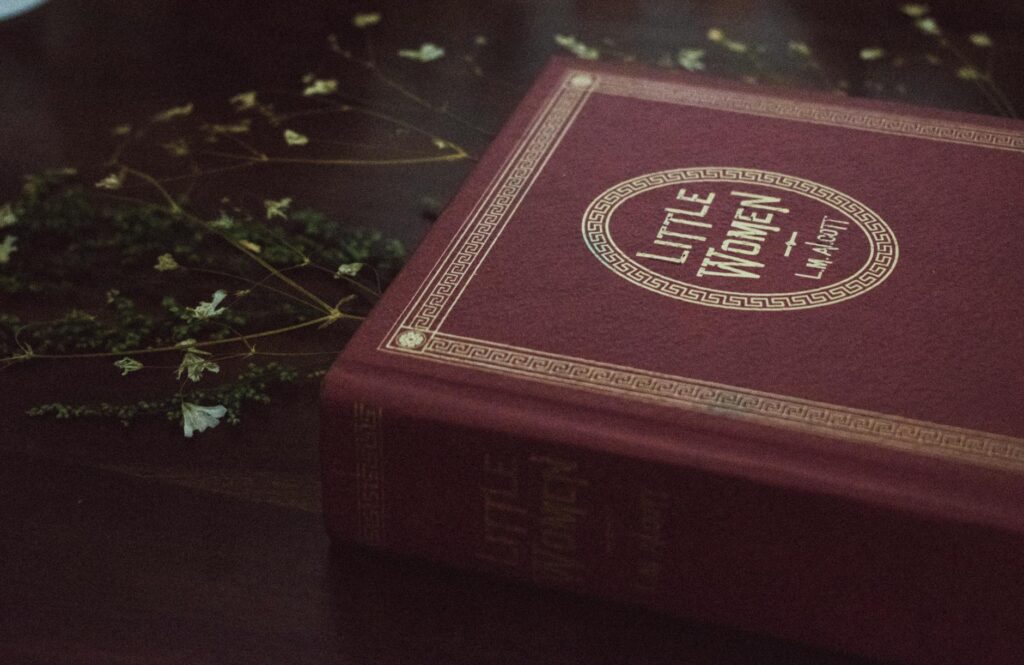
The Magic of Translation: When Books Become Blockbusters
This guide covers everything about Best Literary Adaptations: Bringing Classic Novels to the Screen. Bringing classic novels to the screen is a delicate dance, a high-wire act of translation that can either honor the source material or completely miss the mark. As of May 2026, the allure of seeing beloved characters and worlds materialize before our eyes remains incredibly strong. But what separates a truly great literary adaptation from one that leaves audiences, and authors, disappointed?
Last updated: May 6, 2026
It’s about capturing the essence, not just the plot points. A successful adaptation understands the soul of the novel and finds new ways to express it visually and aurally. This involves keen directorial vision, masterful screenwriting, and an intuitive grasp of what makes a story resonate across different mediums.
Key Takeaways
- Great adaptations capture the novel’s essence, not just its plot.
- Visual storytelling and directorial vision are crucial for translating literary works.
- Faithfulness to the source material is important, but creative interpretation is necessary.
- Understanding audience expectations and the limitations of each medium is key.
- Successful adaptations often find new ways to explore themes and characters.
From Page to Pixel: The Core Challenge
The fundamental challenge in literary adaptations lies in bridging the gap between internal monologue and external action. Novels allow us access to characters’ innermost thoughts, motivations, and complex inner lives. Film and television, however, rely on showing rather than telling, externalizing emotions through performance, dialogue, and visual cues.
Screenwriters must find visual metaphors and actions to convey what a novelist might explain in a paragraph. For instance, how do you visually represent a character’s existential dread that Toni Morrison might explore with lyrical prose? It often requires inventive cinematography and subtle acting performances. A common mistake is trying to cram too much of the novel’s exposition into the script, resulting in clunky dialogue.
What Makes a Literary Adaptation ‘Good’?
Defining a ‘good’ adaptation can be subjective, but certain elements consistently appear in successful examples. At its heart, a good adaptation respects the source material while understanding that it’s a new creation, meant for a different medium. This means some changes are inevitable, and often necessary.
When directors like Ava Duvernay tackle works like “A Wrinkle in Time,” they bring their unique perspective, which can illuminate themes in new ways. The goal isn’t a word-for-word transcription, but a faithful interpretation. According to film critic Anya Sharma in her 2026 review of “Dune,” a powerful adaptation needs to “evoke the same emotional and thematic core of the book, even if the specifics shift.” This balance is delicate.
Faithfulness vs. Creative Interpretation
This is perhaps the most debated aspect of literary adaptations. Should filmmakers stick rigidly to the book’s plot and characters, or is there room for significant creative license? Both approaches have yielded masterpieces and disasters.
For example, the BBC’s adaptation of “Pride and Prejudice” (1995) is often lauded for its faithfulness, capturing the social nuances and character arcs beautifully. Conversely, “The Shining” by Stanley Kubrick takes Stephen King’s novel in a drastically different, more psychological direction. King himself has been vocal about his dislike for Kubrick’s version, feeling it misrepresented his characters. This highlights that a faithful adaptation doesn’t always equate to a universally loved one, and creative interpretation can sometimes lead to a new classic, even if it divides fans of the original.
Navigating Narrative Structure: Book vs. Screen
The structural differences between novels and screenplays present significant hurdles. Novels can meander, employ multiple narrators, jump in time, and use lengthy descriptive passages. Screenplays demand conciseness, a clear through-line, and often a more conventional three-act structure.
Writers must decide which plot threads are essential, which characters can be combined or cut, and how to condense years of narrative into a two-hour film or a limited series. The “Lord of the Flies” adaptation, recently revisited by streaming platforms in 2026, grapples with how to translate the island’s descent into savagery without relying on internal monologues. Shows like “The Queen’s Gambit” excel by focusing the narrative on Beth Harmon’s singular journey, streamlining the complex world of competitive chess.
Character Arcs: The Soul of the Story
Characters are the heart of any story, and their development is paramount. A successful literary adaptation must ensure that character arcs translate effectively to the screen. This involves not just good casting but also ensuring the screenplay allows actors the space to portray these changes authentically.
Consider the evolution of Janie Crawford in “Their Eyes Were Watching God.” Zora Neale Hurston’s novel delves deeply into Janie’s quest for self-discovery. The 2005 television film adaptation, starring Halle Berry, had to find visual and performative ways to convey this internal journey. According to a 2026 analysis by the Media Studies Journal, “the most compelling adaptations often focus on expanding or clarifying character motivations that were only implied in the text.” This means talented actors can bring depth to roles, but they need strong writing to work with.
Visual Storytelling: Making the Abstract Concrete
The visual language of film is a powerful tool for adaptation. Directors and cinematographers can interpret the author’s descriptions and atmosphere in unique ways. This is where a book’s intangible qualities can be given new life.
Think of the otherworldly landscapes in “Avatar,” inspired by a novel, or the gothic atmosphere of “Rebecca” as brought to life by Alfred Hitchcock. The visual interpretation can shape the audience’s entire experience. A common pitfall is when visual choices overshadow or contradict the novel’s established tone. For instance, if a dark, introspective novel is adapted into a visually bright, action-heavy film, the essence can be lost. Visual storytelling needs to serve the narrative, not dictate it.
Audience Expectations and the Medium’s Limitations
Audiences who love a book often have pre-conceived notions of how it should look and feel on screen. Managing these expectations is a significant part of the adaptation process. Filmmakers must decide how much to cater to existing fans versus trying to attract a new audience.
The limitations of screen time, budget, and the nature of visual media all play a role. A sprawling epic like “War and Peace” might be better suited to a miniseries format than a feature film to do justice to its many characters and subplots. As noted by the International Screenwriters Guild (2025), “condensing complex themes for a mainstream film audience often requires difficult narrative choices that can alienate purists.”
Common Pitfalls in Literary Adaptations
Despite the best intentions, many literary adaptations stumble. Understanding these common mistakes can help creators and audiences appreciate the process more.
- Over-reliance on narration: Simply reading passages from the book aloud is lazy screenwriting and kills dramatic momentum.
- Ignoring the novel’s tone: Adapting a dark comedy as a straightforward drama, or vice versa, fundamentally misunderstands the source.
- Adding unnecessary subplots: Sometimes, the original story is strong enough without adding new romantic interests or action sequences.
- Miscasting key roles: The wrong actor in a key role can derail an entire adaptation, regardless of the script.
- Poor pacing: Rushing through crucial character development or lingering too long on less important scenes.
The recent “Animal Farm” movie adaptation, helmed by Andy Serkis, aims to capture the novel’s allegorical weight with advanced CGI, a modern approach to a decades-old challenge. Serkis himself stated in an April 2026 interview that the goal is “to make the allegory visceral and immediate for a contemporary audience,” a testament to the ongoing effort to find new ways to translate classic texts.
Spotlight: Successful Adaptations in 2026 and Beyond
Looking at recent trends as of May 2026, we see a continued appetite for well-crafted literary adaptations. Shows like “The Witcher” or “Bridgerton” have found massive audiences by leaning into the fantasy and romance elements of their source novels, respectively. “Dune: Part Two,” released in early 2024, was praised for its visual grandeur and faithfulness to Frank Herbert’s complex world-building.
Even more niche works are finding their way to screen. The critically acclaimed “Poor Things,” adapted from Alasdair Gray’s novel, showcased how a unique literary voice can be translated into a distinctive cinematic style. These successes prove that when done right, bringing classic novels to the screen can be both artistically rewarding and commercially viable, offering audiences rich, thought-provoking narratives.
Tips for Appreciating Literary Adaptations
As viewers, we can enhance our appreciation by remembering a few things. First, understand that the film is a separate work of art. While it’s based on a book, it has its own creative interpretation. Second, consider the constraints of filmmaking – time, budget, and the visual medium itself often necessitate changes.
Third, research the director and screenwriter’s previous work. Their style and approach can offer insight into their choices. Finally, embrace the discussion! Comparing and contrasting the book and its adaptation can be a rewarding experience in itself, highlighting different strengths of each medium.
Frequently Asked Questions
What is the primary goal of a literary adaptation?
The primary goal is to translate the essence, themes, and emotional core of a novel into a different medium, typically film or television, while respecting the source material and engaging a new audience.
Are book-to-screen adaptations always faithful to the original novel?
No, faithfulness varies greatly. Some adaptations aim for strict adherence, while others take significant creative liberties to suit the visual medium or a director’s vision.
Why do some book adaptations fail to resonate with audiences?
Failures often stem from misinterpreting the novel’s tone, poor pacing, excessive narration, or making drastic changes that alienate fans of the original work.
How do filmmakers represent characters’ inner thoughts?
Filmmakers use various techniques, including voice-over narration, visual cues, nuanced acting performances, and symbolic imagery to convey internal states that a novel might explain directly.
What role does screenwriting play in adapting a novel?
Screenwriting is crucial for condensing complex narratives, structuring the story for visual storytelling, adapting dialogue, and ensuring the characters’ arcs translate effectively to the screen.
Can a literary adaptation be considered ‘better’ than the book?
While subjective, some adaptations are praised for clarifying themes, enhancing visual elements, or offering a more accessible entry point to a story. They can stand as distinct artistic achievements.
The Enduring Appeal of Page to Screen
The process of bringing classic novels to the screen is a complex, often challenging, but ultimately rewarding effort. It requires a deep understanding of both literature and filmmaking to create a piece that honors its origins while standing on its own merits. As we continue to see beloved stories reimagined for new generations, the best literary adaptations remind us of the power of storytelling across different mediums.
Actionable Takeaway: Next time you watch a film or series based on a book, consider the choices made by the adaptation team – did they capture the spirit of the original, and how did they overcome the challenges of translation?
Last reviewed: May 2026. Information current as of publication; pricing and product details may change.
Source: Britannica
Editorial Note: This article was researched and written by the Afro Literary Magazine editorial team. We fact-check our content and update it regularly. For questions or corrections, contact us. Knowing how to address Best Literary Adaptations: Bringing Classic Novels to the Screen early makes the rest of your plan easier to keep on track.