This guide covers everything about How to Build a Professional Network in the Art World: Your 2026 Guide. Why does it feel like some artists effortlessly glide through the art world, landing prestigious shows and commissions, while others struggle to get noticed? Often, the secret isn’t just talent, but a well-cultivated professional network. Building these crucial connections is less about luck and more about strategy, especially in the dynamic art scene of 2026.
Last updated: May 6, 2026
Key Takeaways
- Attend industry events like openings, fairs, and conferences to meet peers and professionals.
- Use online platforms and social media to connect with artists, curators, and collectors globally.
- Cultivate genuine relationships by offering value and showing authentic interest in others’ work.
- Follow up consistently and professionally to nurture connections into lasting professional bonds.
- Seek out mentors and sponsors who can offer guidance and open doors within the art world.
Why Your Art World Network Matters
In today’s art market, talent alone isn’t always enough. A strong network can open doors to opportunities that might otherwise remain hidden. This includes securing gallery representation, finding exhibition spaces, connecting with collectors, collaborating with other artists, and even discovering new patrons. As of May 2026, the digital landscape has expanded these possibilities, but the human element remains paramount.
Practically speaking, consider Anya, a graphic designer who transitioned to fine art painting. Initially, she felt isolated. By actively attending local gallery openings and connecting with artists on Instagram, she not only found a supportive community but also secured her first solo exhibition through a contact she met at a vernissage.
Strategize Your Event Attendance
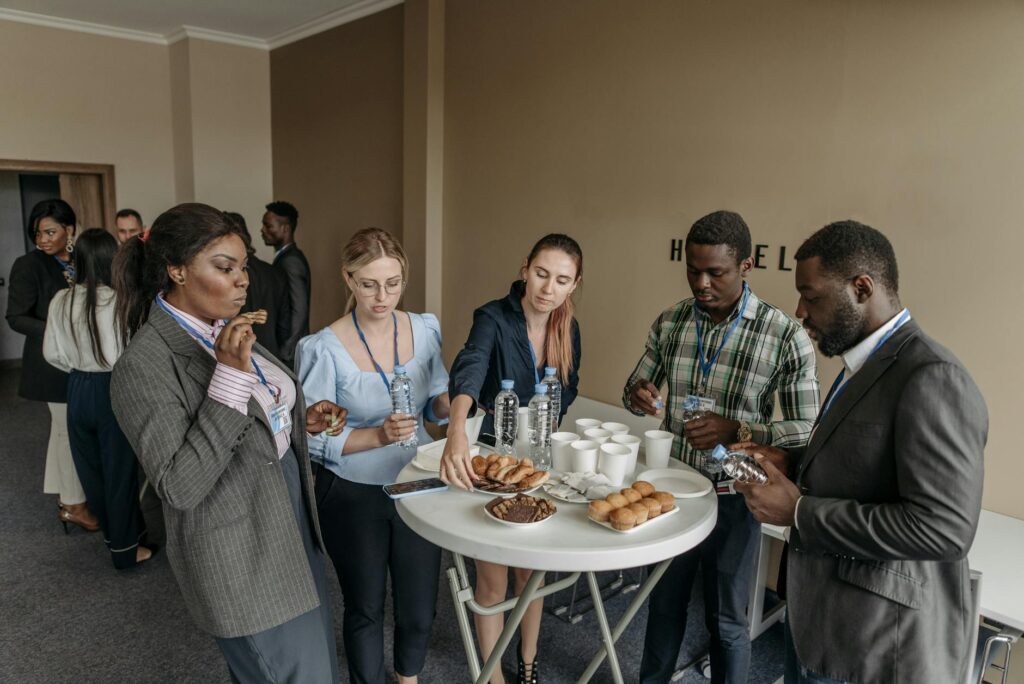
Art fairs, gallery openings, biennales, and artist talks are prime locations for networking. Don’t just attend; strategize. Before an event, research who will be there. Look for curators, gallery owners, critics, collectors, and fellow artists whose work you admire or whose careers align with your aspirations. Have a few conversation starters ready that are more specific than just “I like your work.” Ask about their latest project, an exhibition they curated, or a recent article they published.
What this means in practice: Instead of just mingling, aim for quality over quantity. A genuine conversation with one curator at Art Basel might be more impactful than exchanging business cards with fifty people you don’t remember. Remember to dress professionally but authentically to your artistic style; you want to be memorable for the right reasons.
Using Online Platforms for Global Connections
The digital realm offers unparalleled opportunities to build an art world network, regardless of your geographic location. Platforms like Instagram, LinkedIn, and specialized art communities are invaluable. Use Instagram not just to showcase your work, but to engage with artists, galleries, and art publications. Comment thoughtfully on their posts, share their achievements, and participate in relevant conversations.
LinkedIn can be used to connect with art professionals in a more formal capacity, following galleries, museums, and art organizations. Joining online forums or Facebook groups dedicated to specific art disciplines or regional art scenes can also foster connections. For example, a painter specializing in abstract expressionism might join a group where established abstract artists share insights and opportunities.
Cultivating Genuine Relationships: The Long Game
Building a professional network isn’t about collecting business cards; it’s about building relationships. Focus on authenticity and mutual benefit. When you connect with someone, show genuine interest in their work and their career. Offer support, share relevant opportunities, or provide introductions if it feels natural and beneficial to both parties.
What this means in practice: If you meet a gallerist who mentions they are looking for work with a specific theme you explore, follow up with a curated selection of your relevant pieces, not your entire portfolio. This shows you listened and understood their needs. According to art consultant Maria Garcia (as of May 2026), the most successful networks are built on reciprocity and genuine admiration for craft.
The Art of the Follow-Up
A missed follow-up can turn a promising connection into a lost opportunity. After meeting someone at an event or connecting online, send a personalized follow-up message within 24-48 hours. Reference your conversation and reiterate your interest in their work or a potential collaboration. If you promised to send something—a link to your portfolio, an article you discussed—make sure you do so promptly.
From a different angle, think of your follow-up as tending a garden. Regular, thoughtful watering (communication) is necessary for the plants (connections) to grow. This doesn’t mean daily emails, but perhaps a periodic check-in, sharing a relevant exhibition announcement, or congratulating them on a recent success. The key is to remain a helpful and consistent presence.
Seeking Mentors and Sponsors
Mentors and sponsors can be major improvements in the art world. A mentor offers guidance, shares wisdom, and helps you navigate challenges based on their experience. A sponsor, on the other hand, actively advocates for you, using their influence to open doors and provide opportunities. Identify individuals whose careers you respect and whose paths seem achievable for you.
Don’t be afraid to approach potential mentors with a well-thought-out request, perhaps asking for a brief informational interview or advice on a specific challenge. As noted by the National Endowment for the Arts (NEA) in their 2025 career development report, formal mentorship programs, while beneficial, are less common than informal relationships built through shared interests and mutual respect.
Networking at Art Fairs and Exhibitions
Art fairs and exhibition openings present unique networking challenges and opportunities. Fairs like Art Basel, Frieze, and TEFAF are bustling hubs where collectors, dealers, and artists converge. For emerging artists, approaching gallery representatives requires confidence and preparation. Have your portfolio or a digital link ready, but be mindful of their busy schedules.
At exhibition openings, the atmosphere is often more relaxed. This is a great time to connect with the exhibiting artist, the curator, and other attendees. Discuss the artwork, share your own artistic perspective, and listen actively. A common mistake is only talking about your own work; remember to show interest in others.
Pros and Cons of Art World Networking
- Pros:
- Access to opportunities (shows, sales, collaborations).
- Valuable feedback and critique from peers and professionals.
- Exposure to new trends and ideas in the art market.
- Building a supportive community.
- Discovering potential mentors and patrons.
- Cons:
- Can be time-consuming and require significant effort.
- May involve navigating competitive or exclusive circles.
- Risk of superficial connections if not approached authentically.
- Potential for rejection or unanswered outreach.
- Requires consistent follow-up and relationship maintenance.
Common Mistakes to Avoid When Networking
One of the biggest pitfalls is being overly transactional. People can sense when you’re only interested in what they can do for you. Avoid dominating conversations or talking exclusively about yourself. Another mistake is neglecting to follow up or following up poorly; a generic “Nice to meet you” email won’t cut it.
Failing to research the person or event before attending is also a common error. Showing up unprepared signals a lack of serious interest. Lastly, don’t be discouraged by initial setbacks. The art world can be challenging, and building a strong network is a marathon, not a sprint. As an art curator based in London shared in a 2025 interview, “The artists who succeed are the ones who are persistent, polite, and genuinely passionate about connecting with others in the field.”
Expert Insights for Building Your Art Network
Beyond the standard advice, consider these nuanced strategies. Firstly, look for opportunities to collaborate on projects with artists from different disciplines. A musician might collaborate with a visual artist on an album cover, or a writer with a painter on a story. These cross-disciplinary projects naturally expand your network.
Secondly, become a valuable resource yourself. Share interesting articles, connect people you think would benefit from knowing each other, or offer help with an artist-run initiative. Being known as someone who contributes positively to the community is a powerful networking tool. According to a 2026 report by Americans for the Arts, community engagement is increasingly vital for artist visibility and career sustainability.
Frequently Asked Questions
How can I network effectively if I’m an introverted artist?
Start small by attending smaller gallery events or artist talks. Focus on one-on-one conversations rather than large crowds. Prepare a few open-ended questions about the art or the artist’s process to ease into discussions. Online platforms can also be a comfortable starting point for making initial connections.
What is the role of social media in art world networking?
Social media, particularly platforms like Instagram, is crucial for visibility and initial connection. It allows artists to showcase their work, engage with a global audience, and discover galleries, curators, and collectors. It acts as a digital portfolio and a conversation starter, complementing in-person networking.
How do I approach a gallery owner for representation?
Research the galleries thoroughly to ensure your work aligns with their artists. Check their submission guidelines carefully; many prefer email inquiries with a link to your online portfolio rather than unsolicited visits. Be professional, concise, and highlight your most relevant work. Patience is key, as responses can take time.
Is it worth attending every art fair and exhibition opening?
Attend events strategically. Prioritize those that align with your artistic goals or where you expect to meet key figures. While broad exposure is good, focusing your energy on events where you can make meaningful connections will yield better results than simply showing up everywhere.
How long does it typically take to build a strong art network?
Building a strong, reliable network is a continuous process that can take years. While initial connections can be made relatively quickly through consistent effort, nurturing them into deep, trusting relationships requires ongoing engagement, mutual support, and time. Expect to invest consistently over the long term.
What should I do after attending an art networking event?
Follow up promptly, within 24-48 hours, with a personalized message referencing your conversation. If you promised to share information, do so. Add relevant contacts on professional platforms like LinkedIn. The goal is to keep the connection warm and offer value, not just to ask for favors.
Building a professional network in the art world is an ongoing journey, blending strategic outreach with genuine connection. By actively participating in events, using digital tools, and nurturing relationships with authenticity, you can create a strong support system that propels your artistic career forward. The most impactful takeaway is to remember that every interaction is an opportunity to learn, share, and grow together within the vibrant ecosystem of art.
Last reviewed: May 2026. Information current as of publication; pricing and product details may change.
Related read: The Future of Acting: AI, Virtual Reality, and Beyond 2027.
Source: Britannica
Editorial Note: This article was researched and written by the Afro Literary Magazine editorial team. We fact-check our content and update it regularly. For questions or corrections, contact us. For readers asking “How to Build a Professional Network in the Art World: Your 2026 Guide”, the answer comes down to the specific factors covered above.


