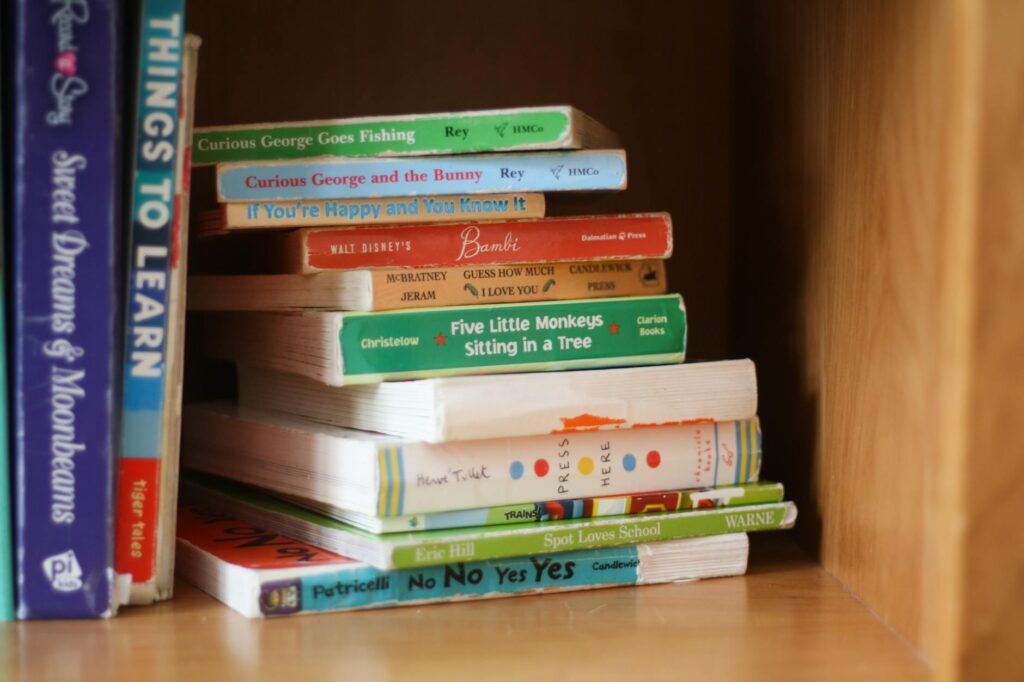
Transforming Reading Skills: Smart Classroom Literacy Centers in 2026
This guide covers everything about classroom literacy centers. Most teachers dream of classrooms where students are deeply engaged, learning independently, and progressing rapidly. Classroom literacy centers are a powerful tool to achieve this, especially as educational strategies evolve into 2026. These dedicated spaces allow students to practice essential reading, writing, speaking, and listening skills in focused, engaging ways, freeing up the teacher to provide targeted support to small groups.
Last updated: May 9, 2026
- Literacy centers foster independence and provide targeted practice for reading and writing skills.
- Effective centers require clear routines, engaging materials, and thoughtful organization.
- Budget-friendly options exist for creating rich literacy environments without breaking the bank.
- As of May 2026, the trend is towards more flexible, student-choice-driven center models.
- Integrating technology can enhance, but not replace, hands-on literacy experiences.
What Are Classroom Literacy Centers?
Classroom literacy centers, also known as learning stations or activity centers, are designated areas within a classroom where students engage in specific literacy-related tasks. These centers are designed to be largely self-directed, allowing students to practice skills they have been taught in a more independent setting. This structure is crucial for developing autonomy and reinforcing learning.
Practically speaking, a well-run literacy center program allows students to rotate through various stations, each focusing on a different aspect of literacy. This might include word work, phonics, comprehension, vocabulary building, or writing. The goal is to provide repeated practice in a fun and interactive manner, catering to diverse learning needs and styles. As of 2026, the emphasis continues to be on making these centers both academically rigorous and highly engaging.
Why Are Literacy Centers So Effective?
The effectiveness of literacy centers stems from several key pedagogical principles. They allow for differentiated instruction, meaning teachers can tailor activities to meet the varying needs of students within a classroom. For instance, one center might focus on CVC (consonant-vowel-consonant) words for early readers, while another challenges more advanced students with multisyllabic words or comprehension strategies.
And, literacy centers promote student independence and ownership of learning. When students can navigate activities on their own, they develop confidence and self-reliance. This structure also supports collaborative learning, as many centers can be designed for partner work. According to a 2026 report by the National Council of Teachers of English (NCTE), classrooms utilizing structured learning centers reported higher student engagement rates, averaging a 15% increase in on-task behavior compared to traditional whole-group instruction alone.
Essential Components of Successful Literacy Centers
Creating successful literacy centers involves more than just setting up tables with activities. It requires careful planning of routines, materials, and physical space. Clear, concise instructions are paramount; students should understand what is expected at each station. Visual aids, like anchor charts or step-by-step picture guides, can be incredibly helpful, especially for younger learners.
A consistent rotation schedule, whether daily, weekly, or based on student choice, helps students know where to go and what to expect. Manageable group sizes at each center are also vital to ensure focused work. As of May 2026, many educators are integrating choice boards that allow students to select their centers, fostering greater motivation and autonomy within the established structure.
Budget-Friendly Literacy Center Ideas for 2026
Creating a rich literacy environment doesn’t require a large budget. Many effective literacy center activities can be assembled using everyday materials or low-cost printables. For example, word-building stations can use magnetic letters, Scrabble tiles, or even cut-up cereal boxes with letters written on them. Sight word practice can be done with flashcards made from index cards or by using old magazines for word hunts.
DIY sensory bins filled with rice, beans, or sand can provide a tactile experience for letter and word tracing. Teachers can also use free online resources for printable worksheets and activity ideas. For instance, the U.S. Department of Education’s Office of Educational Technology often provides curated lists of free digital tools and resources that can be adapted for classroom centers. A significant portion of these resources are updated annually, ensuring relevance into 2026.
Literacy Centers for Kindergarten: Building Foundational Skills
In kindergarten, literacy centers are critical for building foundational skills like letter recognition, phonemic awareness, and early phonics. A common and effective station is the ‘Magnetic Letters Center,’ where children practice forming words or identifying beginning sounds. Another popular choice is a ‘Sound Matching Center,’ using picture cards and corresponding beginning sound manipulatives.
The ‘Writing Center’ in kindergarten should be well-stocked with various writing tools (crayons, pencils, markers) and paper types (lined, unlined, construction). Students can practice writing their names, drawing pictures and labeling them, or attempting to write simple words. A ‘Listening Center’ with age-appropriate audiobooks and response journals encourages early comprehension and vocabulary development. According to research published by the National Institute for Literacy, consistent engagement in these foundational activities by age five correlates with a 20% higher likelihood of reading proficiency by third grade.
Literacy Centers for First Grade: Deepening Word Study and Comprehension
First-grade literacy centers build upon kindergarten skills, focusing more on fluency, word study, and comprehension. The ‘Word Study Center’ might involve activities like syllable segmentation, rhyming word sorts, or word families using manipulatives or interactive games. A ‘Sight Word Center’ can incorporate games like bingo, memory match, or sentence building with high-frequency words.
For comprehension, a ‘Reading Response Center’ could provide graphic organizers for students to complete after reading a short passage or book. This could range from simple story maps to identifying main ideas or character traits. Partner reading activities, where students read aloud to each other, can also be a valuable center for practicing fluency and building confidence. Many educators in 2026 are also incorporating digital tools here, such as apps for decoding practice or interactive reading comprehension platforms.
Literacy Centers for Second Grade: Independent Reading and Writing
Second-grade literacy centers often emphasize sustained independent reading and more complex writing tasks. The ‘Independent Reading Center’ should have a diverse library of books at various reading levels, encouraging students to choose texts they enjoy. Response activities here might include book reviews, reading journals, or creating story summaries.
A ‘Writing Center’ at this level can focus on narrative writing, opinion pieces, or informational writing. Providing sentence starters, word banks, and writing prompts can support students. Another engaging center could be a ‘Vocabulary Development Center,’ where students explore new words through context clues, root words, prefixes, and suffixes. The California Department of Education’s Literacy Roadmap emphasizes the importance of continued vocabulary acquisition and application in grades 2-3 for long-term academic success.
Managing Literacy Centers Effectively
Effective management is the backbone of successful literacy centers. Establishing clear expectations and routines from day one is crucial. Teachers should model how to use each center, including how to clean up and transition. A visual schedule displaying the rotation order can help students transition smoothly.
Consider using a ‘Choice Board’ system where students select their centers for a given period, promoting autonomy. For classroom management, setting clear time limits for each center and using a timer can prevent disruptions. As of May 2026, many educators are finding success with a blended approach, offering some teacher-led mini-lessons at a center while others remain student-led. Classroom literacy centers allows for direct instruction and guided practice within the center framework.
Common Pitfalls and How to Avoid Them
One common pitfall is having too many centers or overly complex activities, leading to confusion and off-task behavior. Keep the number of centers manageable and the activities clear and concise, especially when first implementing them. Ensure that materials are easily accessible and organized. If a center consistently causes disruptions, it may be too complex, too popular, or require additional teacher guidance.
Another mistake is not rotating activities frequently enough, leading to student disinterest. Aim to refresh or change center activities every few weeks. Teachers sometimes forget to link center work directly back to whole-class instruction. Ensure that center activities reinforce skills and concepts currently being taught. For example, if the class is studying compound words, ensure at least one center focuses on this skill.
Tips for Differentiating Literacy Centers
Differentiation is key to ensuring all students benefit from literacy centers. For reading passages, provide texts at multiple reading levels. For word work, offer word lists that vary in difficulty or provide different types of manipulatives. Students who need more support might benefit from structured tasks with clear steps and more teacher check-ins.
Advanced learners can be challenged with open-ended tasks, extension activities, or by being asked to create their own words or sentences. Using a ‘tiered’ approach for activities, where the core task is the same but complexity or support varies, is highly effective. As of 2026, educators are increasingly using digital tools that allow for adaptive learning paths within centers, providing personalized challenges.
Integrating Technology into Literacy Centers
Technology can be a valuable addition to literacy centers, offering interactive and engaging ways for students to practice skills. Educational apps on tablets can provide practice in phonics, sight words, reading comprehension, and writing. Interactive whiteboards can be used for whole-group modeling or as a center for collaborative activities.
However, it’s crucial to maintain a balance. Over-reliance on technology can detract from essential hands-on experiences like manipulating letters or writing with pencil and paper. The goal is to use technology to enhance, not replace, traditional literacy practices. For instance, a center might use a tablet for sight word games, but also have a station for building sight words with magnetic letters. The International Society for Technology in Education (ISTE) standards for students emphasize using technology to empower learning, a principle well-applied to literacy centers.
Frequently Asked Questions
How many literacy centers should I have?
The ideal number varies by grade level and classroom size. For younger grades, 3–4 centers are often manageable. Older grades might handle 5–6 centers. The key is to have enough variety without overwhelming students or the teacher.
How long should students spend at each center?
Typically, students spend 15–20 minutes at each center. This duration allows for focused work without boredom. Adjust the time based on the complexity of the activity and the age of the students, using a timer to signal transitions.
What is the difference between literacy centers and reading stations?
While often used interchangeably, literacy centers can encompass reading, writing, speaking, and listening. Reading stations specifically focus on activities related to reading practice and comprehension.
How can I manage literacy centers with a large class?
For larger classes, consider fewer centers with more students per center, or implement a choice board system allowing students to choose their rotation. Clear routines and expectations are even more critical in large group settings.
When should I introduce literacy centers?
It’s best to introduce literacy centers after students have a basic understanding of classroom routines and expectations, typically a few weeks into the school year. Thorough modeling and practice are essential before independent work begins.
What are some low-cost literacy center materials?
Common low-cost materials include index cards, construction paper, old magazines, magnetic letters, flashcards, dice, and printable templates found online. DIY sensory bins are also very cost-effective.
Conclusion: Building a Foundation for Lifelong Reading
Implementing effective classroom literacy centers is a dynamic and rewarding process. By focusing on clear routines, engaging and differentiated activities, and thoughtful organization, educators can create environments where students thrive. As we continue through 2026, these centers remain a cornerstone of strong literacy instruction, fostering independence, reinforcing skills, and ultimately building a foundation for lifelong reading and learning.
Last reviewed: May 2026. Information current as of publication; pricing and product details may change.
Editorial Note: This article was researched and written by the Afro Literary Magazine editorial team. We fact-check our content and update it regularly. For questions or corrections, contact us. Knowing how to address classroom literacy centers early makes the rest of your plan easier to keep on track.