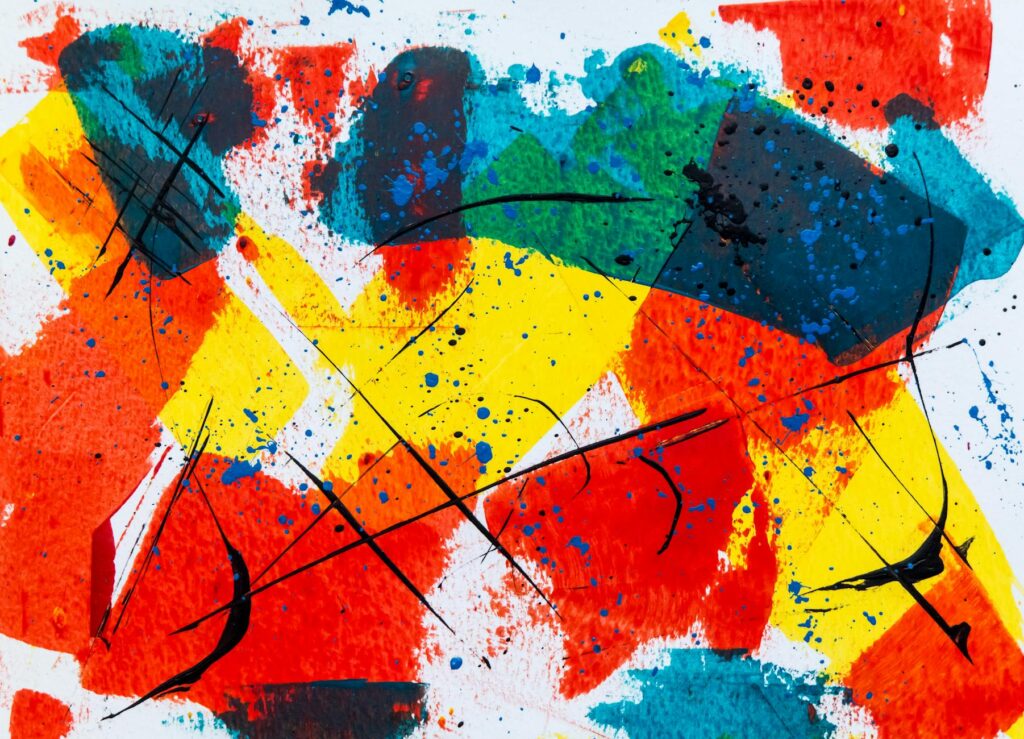
The Pulse of Our Time: Defining Contemporary Art in 2026
This guide covers everything about contemporary art definition. Imagine walking into a gallery in 2026. You see not just paintings and sculptures, but also video installations, interactive digital works, and performances that challenge your perceptions. Here’s the dynamic world of contemporary art. Defining contemporary art can feel like trying to catch smoke, as it’s constantly evolving and reflecting the very moment we live in. As of April 2026, it’s broadly understood as the art produced in the latter half of the 20th century and, most importantly, the art of today.
Last updated: April 27, 2026
Contemporary art refers to artwork created in the present day or the relatively recent past. Its exact start date is debated, but it’s generally considered to have begun sometime after the Modern Art period, often cited as starting around the 1960s or 1970s and continuing to the present day in 2026.
Where Does Contemporary Art Begin?
The line between Modern Art and Contemporary Art isn’t always a sharp, clean break. Modern Art typically refers to art from the 1860s to the 1960s, characterized by movements like Impressionism, Cubism, and Surrealism — which focused on new ways of seeing and representing the world. Contemporary Art, by contrast, emerged from the shifts happening in the mid-20th century, moving beyond the formal experimentation of Modernism. According to the Tate Museum (n.d.), contemporary art is defined by its plurality and its focus on the present.
One way to conceptualize the shift is through the rise of Post-Modernism — which challenged the modernist belief in universal truths and grand narratives. This paved the way for a more diverse, fragmented, and self-aware approach to art-making that defines much of today’s creative output.
Key Characteristics of Contemporary Art
What truly sets contemporary art apart as we experience it in 2026? It’s a rich tapestry woven from several defining threads:
Diversity of Media and Form
Gone are the days when painting and sculpture dominated the art world. Contemporary artists embrace a vast array of media. This includes:
- Installation Art: Art that transforms an entire space, often engaging the viewer directly. Think immersive environments or site-specific works.
- Performance Art: Art where the artist’s body, actions, and presence are the medium. You can range from highly choreographed events to spontaneous interventions.
- Digital Art: Works created using digital technologies, from computer-generated imagery and video art to interactive online experiences. The rapid advancement in AI art generation tools, for instance, is a significant development as of April 2026.
- Video Art: Using moving images as a primary artistic medium, often exploring narrative, abstraction, or social commentary.
- Conceptual Art: Where the idea or concept behind the artwork is really important, often more so than the physical object itself.
This willingness to experiment with form and material allows artists to tackle complex ideas in novel ways.
Global Perspective and Cultural Dialogue
As the world becomes increasingly interconnected, contemporary art reflects this global dialogue. Artists draw inspiration from diverse cultural backgrounds, traditions, and experiences. This has led to a richer, more inclusive art world that challenges Western-centric perspectives. Organizations like the documenta, a major international exhibition held in Kassel, Germany, showcase this global scope, inviting artists from around the world to engage with pressing social and political issues.
Social and Political Engagement
Many contemporary artists use their work as a platform for social and political commentary. They address issues such as identity, race, gender, environmentalism, globalization, and human rights. Art becomes a critical tool for questioning societal norms, provoking thought, and building dialogue. I recall visiting a provocative exhibition last year that used reclaimed industrial materials to critique consumer culture – it was visually striking and intellectually stimulating.
Interactivity and Viewer Participation
Contemporary art often seeks to break down the traditional barrier between the artwork and the viewer. Many pieces are designed to be interactive, inviting participation and collaboration. You can create a more personal and engaging experience, blurring the lines between observer and participant. For example, some digital installations respond to the viewer’s movement or presence, making each experience unique.
The Artist’s Intent: A Central Tenet
In contemporary art, the artist’s intention often holds significant weight. The concept or idea behind the work can be as important, if not more important, than the aesthetic execution. Here’s a departure from earlier art historical periods where technical skill and traditional beauty were often prioritized. Conceptual art, a movement deeply influential in contemporary practice, famously places the idea above all else. A piece might consist of instructions for an action, a text, or even nothing tangible, yet still be considered a significant artwork if the underlying concept is powerful.

Contemporary Art World: Practical Tips
Engaging with contemporary art can be incredibly rewarding, but it sometimes requires a different approach than appreciating older art forms. Here’s how to get the most out of your experience:
Go with an Open Mind
Contemporary art often challenges expectations. Resist the urge to immediately judge a work based on traditional aesthetic criteria. Instead, try to approach it with curiosity and a willingness to be surprised. Ask yourself: what’s the artist trying to communicate? What materials are used and why? How does this piece make me feel or think?
Read the Wall Text and Labels
While the art should ideally speak for itself, the accompanying text often provides Key context. Artists’ statements, curator notes, and descriptive labels can offer insights into the artist’s background, intent, and the socio-political environment that influenced the work. I’ve found that context can dramatically change my perception of a piece.
Discuss and Debate
Contemporary art is often designed to provoke discussion. Talk about what you see and feel with others. Different perspectives can open up new interpretations and deepen your understanding. Don’t be afraid to voice your opinions, even if they differ from others. According to art critics cited by Artsy (n.d.), dialogue is essential to the life of contemporary art.
Visit Galleries and Museums Regularly
The more you see, the more your eye becomes trained, and your understanding deepens. Visit local galleries, major museums, and art fairs. Pay attention to recurring themes, artists, and styles. Many museums, such as the Museum of Modern Art (MoMA) in New York, have dedicated sections for contemporary works alongside their historical collections.
Consider the Artist’s Background and Intent
artist’s journey, their cultural context, and their stated intentions can unlock deeper layers of meaning. Who’s the artist? What experiences shape their work? What message are they conveying? This biographical and contextual information is often key to appreciating conceptual and socially engaged art.
Contemporary Art vs. Modern Art: A Quick Recap
While Modern Art focused on innovation in form and style within traditional media, Contemporary Art embraces conceptualism, diverse media, and often engages directly with social issues and viewer participation. As of 2026, the art market reflects this shift, with significant value placed on conceptual depth and cultural relevance, not just aesthetic appeal. The global art market size, while fluctuating, consistently shows strong performance in contemporary segments, with major auction houses like Sotheby’s and Christie’s regularly featuring contemporary works.
Frequently Asked Questions
Is all art made today considered contemporary art?
Not necessarily. While contemporary art is art of the present day, the term also carries historical weight, generally referring to art produced from the mid-20th century onwards. Art made today that strictly adheres to older conventions might not be categorized as contemporary in an art historical context.
what’s the main difference between modern and contemporary art?
Modern art typically spans from the 1860s to the 1960s, focusing on stylistic innovation and aesthetic exploration. Contemporary art, from the 1960s/70s to the present, is characterized by its conceptual focus, diverse media, and engagement with current social and political issues.
Why is contemporary art sometimes difficult to understand?
Contemporary art often prioritizes ideas over traditional aesthetics, uses unconventional materials and forms, and tackles complex, abstract concepts or social issues. Without context or an open mind, its meaning might not be immediately apparent.
What are some examples of contemporary artists?
Some prominent contemporary artists include Yayoi Kusama, Ai Weiwei, Kara Walker, Banksy, Jeff Koons, and Marina Abramović, each known for their unique approaches across various media and thematic concerns.
How can I start collecting contemporary art?
Start by visiting galleries and art fairs to see what resonates with you. Begin with emerging artists whose work you connect with and can afford. Research artists, read art publications, and don’t be afraid to ask questions of gallerists. Many affordable prints and smaller works are available from artists early in their careers.
The Ever-Evolving Definition
The contemporary art definition isn’t static. It’s a living, breathing entity that grows and changes with us. As of April 2026, it remains a vibrant field where artists grapple with the complexities of our world, using every tool and idea at their disposal to provoke, question, and inspire. By embracing its diversity, engaging with its concepts, and keeping an open mind, you can unlock a deeper appreciation for the art that defines our times.
Related read: qtoon 2026: Your complete Guide to Creative Animation Tools. Knowing how to address contemporary art definition early makes the rest of your plan easier to keep on track.