Diverse Forms of Art: A 2026 Guide for Beginners
Art is a profound expression of human creativity, emotion, and thought. It offers unique perspectives on our world, reflecting our experiences, cultures, and aspirations. As of October 2026, the art world continues to evolve, embracing new technologies and interdisciplinary approaches.
Last updated: October 22, 2026
This guide explores the diverse forms of art, providing beginners with a foundational understanding. Prepare to see art with fresh eyes.
Latest Update (October 2026)
The art market in 2026 shows a continued surge in digital art sales, with NFTs (Non-Fungible Tokens) remaining a significant, albeit debated, segment. Major auction houses like Sotheby’s and Christie’s are increasingly incorporating digital art and even AI-generated pieces into their high-profile sales, reflecting a broader acceptance and integration of new technologies. Reports from Art Basel and UBS indicate a global art market rebound, with collectors showing renewed interest in both established and emerging artists across various disciplines. The focus on sustainability and ethical sourcing is also growing, influencing both the creation and acquisition of art, as noted by recent industry analyses.
Furthermore, there’s a growing emphasis on immersive art experiences, with many galleries and museums investing in augmented reality (AR) and virtual reality (VR) installations. These technologies allow for new ways to interact with artworks and explore historical contexts. Curators are also prioritizing diverse voices, with a significant increase in exhibitions featuring artists from underrepresented backgrounds, a trend that has gained considerable momentum since 2023, as documented by art publications like Hyperallergic and Artforum.
Painting: The Enduring Canvas
Painting remains one of the most recognized visual arts. It involves applying pigment, color, or other media to a solid surface, typically a canvas, paper, or wood panel.
Artists use brushes, knives, sponges, or even their hands to create images. Styles range from hyperrealism to abstract expressionism, offering endless visual exploration.
Sculpture: Art in Three Dimensions
Sculpture brings art into physical space, existing in three dimensions. It can be created by carving, modeling, casting, or assembling materials.
Materials like stone, metal, wood, clay, or even found objects are common. The tactile nature of sculpture invites interaction and spatial awareness. Auguste Rodin’s “The Thinker” is a classic bronze sculpture conveying deep contemplation.
Contemporary sculptors often experiment with unconventional materials. El Anatsui’s vast bottle-cap tapestries, for example, transform discarded items into monumental artworks, challenging perceptions of waste and value. As of 2026, many sculptors are also incorporating digital fabrication techniques, like 3D printing, into their practice, blurring the lines between traditional and digital art.
Drawing: The Foundation of Visual Art
Drawing is a fundamental art form. It often serves as a preparatory stage for other visual arts or stands alone as a complete work.
Instruments like pencils, charcoal, pastels, or ink are used to mark lines and tones on a surface. It’s an accessible medium, requiring minimal materials to begin.
Photography: Capturing Moments and Narratives
Photography is the art, application, and practice of creating durable images by recording light. This is done electronically via an image sensor or chemically with light-sensitive material.
It can document reality, tell stories, or create abstract compositions. The work of Malian photographer Seydou Keïta, known for his striking studio portraits in the mid-20th century, showcases photography’s power in capturing individual identity and cultural heritage.
In 2026, mobile photography has reached new heights with advanced computational photography. AI-powered editing tools are widely accessible, enabling amateur photographers to achieve professional-level results. Street photography continues to thrive, capturing the candid moments of urban life, while documentary photography remains vital for social commentary and historical record.
Printmaking: Reproducing Artistry
Printmaking is a process where an artist creates an image on a matrix, like wood, metal, or stone. This matrix is then inked and transferred to paper or fabric.
Common techniques include etching, lithography, screen printing, and woodcuts. Printmaking allows for the creation of multiple original artworks.
Digital printmaking technologies have expanded possibilities, allowing for complex layered prints and integration with other digital media. As of October 2026, artists are increasingly using sustainable inks and recycled paper, reflecting a growing environmental consciousness in the printmaking community.
Architecture: Art Meets Function
Architecture is the art and science of designing and constructing buildings. It blends aesthetic considerations with practical requirements.
Good architecture is both beautiful and functional, influencing how we live, work, and interact with our environment. The National Museum of African American History and Culture in Washington, D.C., designed by David Adjaye, is a prime example of modern architecture.
This building incorporates symbolic meaning and cultural narrative into its physical form. In 2026, sustainable and biophilic design principles are paramount. Architects are increasingly focusing on energy efficiency, use of recycled materials, and integration of green spaces to create healthier and more environmentally responsible structures.
Performing Arts: Live Expression
Performing arts involve live presentations, often including music, dance, theater, opera, or spoken word. These art forms rely on the artist’s direct presence and the audience’s immediate experience.
The energy exchange between performers and spectators is unique. Each performance is a singular event, never to be exactly replicated.
Music: The Universal Language
Music is the art of arranging sounds in time through melody, harmony, rhythm, and timbre. It can be instrumental, vocal, or a combination of both.
Music evokes a vast range of emotions and tells stories without words. From the complex polyrhythms of West African drumming traditions to the intricate compositions of classical composers, music demonstrates incredible diversity.
The evolution of Afro beats in the 2020s shows new fusions emerging. As of 2026, AI is playing an increasing role in music creation, assisting composers and even generating original pieces. Streaming platforms continue to dominate music distribution, with algorithms shaping listener discovery, a trend that has solidified over the past few years.
Dance: Movement as Art
Dance is the art form of human movement, often considered a performance art. It’s a powerful medium for storytelling, expressing emotions, and exploring cultural traditions.
Movement is conveyed through choreographed or improvised sequences of steps and gestures. Dance can be deeply personal or a communal celebration.
Contemporary dance continually pushes boundaries, incorporating elements from various global dance forms and even athletic disciplines. In 2026, virtual reality dance performances are gaining traction, offering audiences new perspectives and interactive experiences with movement.
Theatre: Storytelling on Stage
Theatre combines elements of speech, music, drama, dance, and visual art to tell a story or express an idea through performance.
It involves actors embodying characters in front of a live audience. Plays explore profound themes of human experience.
Wole Soyinka’s “Death and the King’s Horseman” explores themes of tradition, sacrifice, and colonialism. As of October 2026, immersive theatre experiences are highly popular, breaking down the traditional stage-audience barrier. Digital integration, using projections and interactive media, is also common in contemporary theatrical productions.
Literary Arts: The Power of Words
Literary arts use written or spoken language as their medium. This broad category includes poetry, novels, short stories, essays, and plays.
Each form employs language to explore human experience, convey ideas, and create imaginative worlds. The impact of literature is profound and lasting.
Poetry: Concise Expression
Poetry uses aesthetic and rhythmic qualities of language—such as phonetics, sound symbolism, and meter—to evoke meanings beyond the literal.
It’s about conveying emotion and imagery with precision. The lyrical intensity of poets like Langston Hughes or the profound storytelling in the works of contemporary writers like Warsan Shire demonstrates poetry’s vast emotional range and cultural relevance.
In 2026, spoken word poetry and slam poetry continue to flourish, amplified by online platforms like YouTube and TikTok. Digital poetry, incorporating multimedia elements, is also a growing area of innovation.
Fiction (Novels & Short Stories): Narrative Worlds
Fiction, whether novels or short stories, creates imagined worlds and characters. Authors use plot, character development, setting, and theme to engage readers.
These narratives allow us to explore different lives and perspectives. They can entertain, educate, and provoke thought.
The rise of audiobooks and serialized fiction on platforms like Substack has reshaped how readers consume stories. As of October 2026, AI-assisted writing tools are being explored by some authors, raising ethical questions about authorship and originality in the literary field, a topic frequently discussed in literary circles and journals.
Digital Art: The New Frontier
Digital art encompasses art created using digital technologies. This includes everything from digital painting and graphic design to animation and virtual reality experiences.
It’s a rapidly evolving field, constantly influenced by technological advancements. In 2026, generative AI art tools have become incredibly sophisticated, allowing for the creation of complex visuals from simple text prompts.
NFTs continue to be a significant, though often volatile, part of the digital art market, providing new avenues for artists to monetize their work. Platforms like Art Blocks and Foundation are key players in this space. The debate around AI art and copyright remains active.
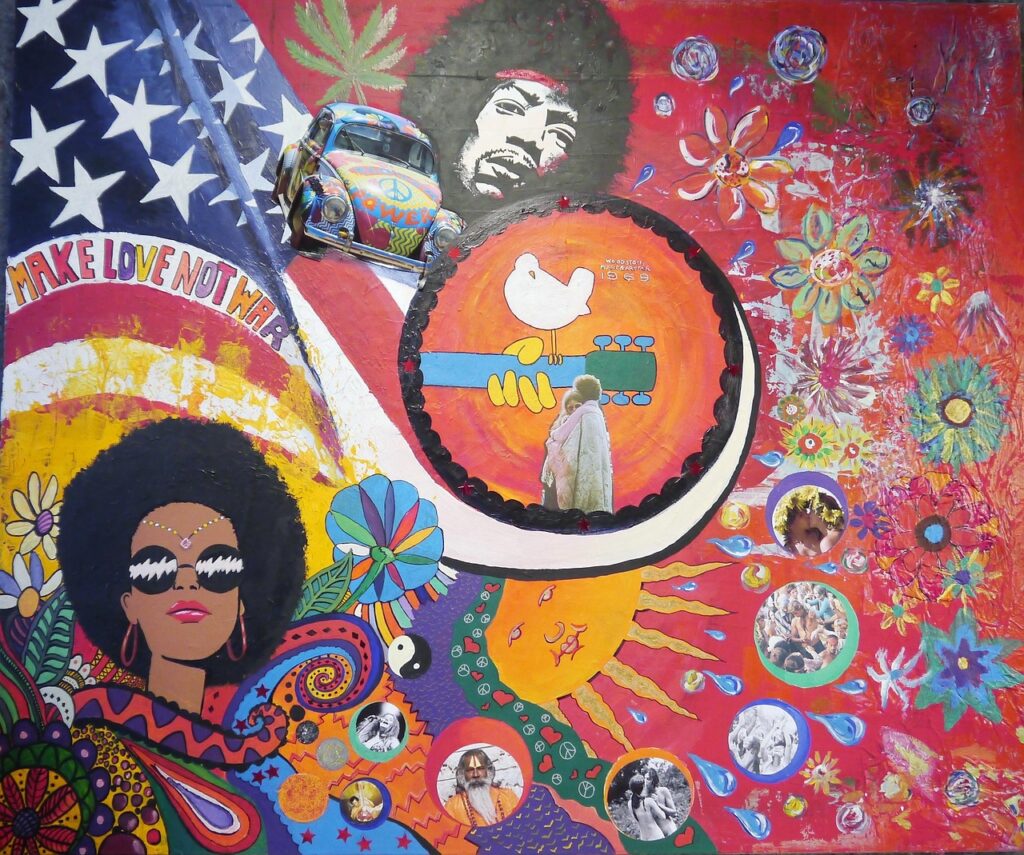
Mixed Media and Collage: Blending Techniques
Mixed media art combines different artistic materials and techniques in a single work. Collage, a type of mixed media, involves assembling disparate elements onto a surface.
This approach encourages experimentation and unexpected visual combinations. Artists can layer paint, paper, fabric, found objects, and digital elements.
In 2026, artists are increasingly using sustainable and recycled materials in mixed media works, reflecting a broader societal trend. Digital collage, incorporating scanned textures and digital manipulation, is also gaining popularity, offering a contemporary twist on traditional techniques.
Common Mistakes When Appreciating Art
Beginners often make mistakes like judging art solely on its realism or technical skill. Not all art aims to replicate reality perfectly.
Another common error is dismissing art that doesn’t immediately appeal. Art often requires time, context, and multiple viewings to be fully appreciated.
Many also overlook the importance of the artist’s intent or the historical/cultural context. Understanding these elements can significantly deepen one’s appreciation. As of 2026, there’s a growing awareness of the need to consider the ethical implications of the art itself, such as its subject matter or the artist’s background.
Expert Tips for Exploring Different Art Forms
Visit galleries and museums regularly, both physical and virtual. Pay attention to the labels and wall texts for context.
Read art reviews and criticism from reputable sources like Artforum or Hyperallergic to understand different perspectives.
Engage with art online through social media, artist websites, and online exhibitions. Follow artists and institutions that interest you.
Consider taking introductory art classes or workshops. Learning basic techniques can enhance your understanding and appreciation of various art forms.
Attend artist talks and lectures when available. Hearing directly from creators offers invaluable insights into their process and motivations.
Frequently Asked Questions
What is the most popular art form in 2026?
While popularity is subjective, digital art, including AI-generated art and NFTs, has seen significant growth and attention in 2026. However, traditional forms like painting and sculpture continue to hold strong appeal and market value.
How can I start appreciating contemporary art?
Start by visiting local galleries and museums. Read articles and artist statements to understand context. Don’t be afraid to form your own opinions; art appreciation is a personal journey that evolves with exposure and curiosity.
Are AI-generated artworks considered ‘real’ art?
This is a major debate in 2026. Many view AI art as a tool, similar to a camera or software, with the human artist guiding the process and concept. Others question the level of creative input. The art world is actively grappling with these definitions.
What is the difference between art and craft?
Historically, the distinction was often based on function versus aesthetic. Craft typically served a practical purpose, while art was primarily for aesthetic contemplation. Today, these lines are heavily blurred, with many artists incorporating craft techniques and vice versa.
How do I find emerging artists to follow?
Follow art blogs and online magazines, attend local art fairs and gallery openings, and explore platforms like Instagram where many artists showcase their work. Look for artists whose work resonates with you and explore their influences and contemporaries.
Conclusion
The world of art is vast, dynamic, and constantly expanding. From the timeless appeal of painting and sculpture to the innovative frontiers of digital art, each form offers a unique window into human expression. By exploring these diverse forms with an open mind and a curious spirit, beginners can unlock a richer understanding and appreciation of the creative forces that shape our world in 2026 and beyond.