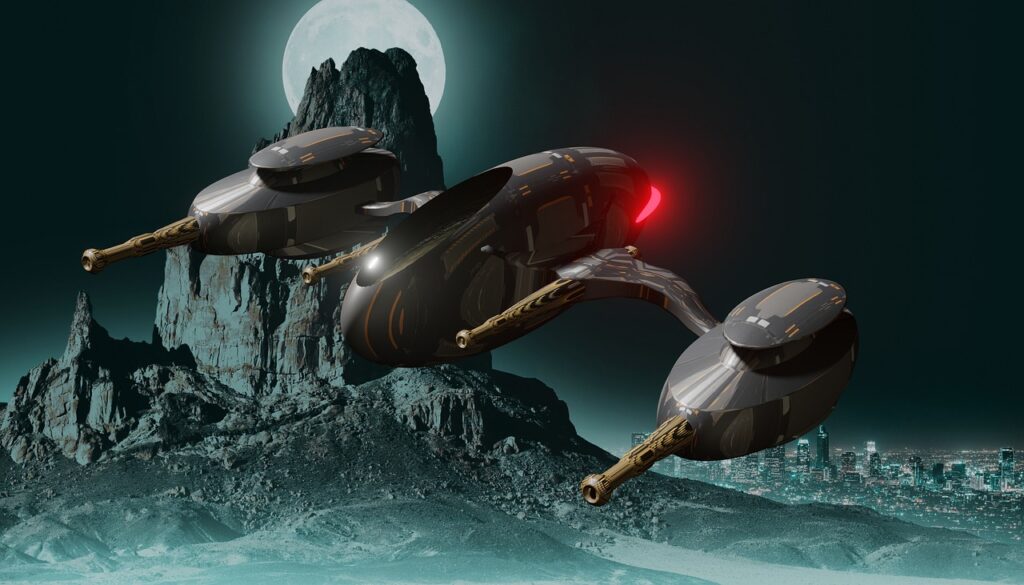
The Current Digital Art World
This guide covers everything about digital art trends. As of May 2026, the digital art scene is more dynamic and accessible than ever. What was once a niche pursuit’s now a significant force in the global art market, captivating both established collectors and a new generation of enthusiasts. This evolution’s fueled by rapid technological advancements and a growing appreciation for digital mediums.
Last updated: May 18, 2026
The Art Basel and UBS Survey of Global Collecting 2025 highlighted this surge, noting that digital art ranked third in total spending among high-net-worth respondents, with over half purchasing digital works in 2026. This indicates a clear shift from novelty to mainstream acceptance, presenting both immense opportunities and new challenges for artists and collectors navigating this evolving space.
Key Takeaways
- AI-generated art and AI-assisted creation tools are fundamentally reshaping artistic processes and aesthetics in 2026.
- While the NFT market has stabilized, blockchain technology continues to influence digital art ownership, provenance, and new revenue models.
- Immersive technologies like VR and AR are creating new frontiers for digital art experiences, moving beyond traditional screens.
- Generative art is maturing, offering sophisticated aesthetic outputs and new avenues for algorithmic creativity.
- Artists face challenges in maintaining originality and navigating copyright issues amidst rapid technological change and market saturation.
AI Art: Beyond the Hype
Artificial Intelligence continues to dominate conversations around digital art trends in 2026. While initial reactions ranged from awe to alarm, the focus is now shifting towards AI as a collaborative tool rather than a mere replacement for human creativity. Artists are using AI to generate novel concepts, accelerate workflows, and explore entirely new aesthetic territories.
Tools like Midjourney, DALL-E 3, and Stable Diffusion have become sophisticated partners, allowing artists to refine prompts and guide AI outputs with greater precision. This has led to a rise in AI-assisted digital paintings and illustrations, where the artist’s vision is amplified by algorithmic capabilities. However, a significant challenge remains: distinguishing between AI-generated art and human-created art, and establishing clear copyright and ethical guidelines for AI-assisted works.
NFTs and the Maturing Blockchain Art Market
The initial frenzy surrounding NFTs (Non-Fungible Tokens) has subsided, but blockchain technology’s impact on digital art remains profound. As of May 2026, the NFT market is more stable and discerning, with collectors focusing on the artistic merit and long-term value rather than speculative hype. This maturation has fostered a more sustainable ecosystem for digital artists.
Blockchain’s core strengths transparency, provenance tracking, and digital ownership are now being integrated into broader digital art platforms. Digital art trends allows artists to secure their work, track its history, and potentially earn royalties on secondary sales. While concerns about environmental impact and market volatility persist, innovative solutions and a growing institutional interest suggest blockchain will continue to be a key component of the digital art world.
Practically speaking, artists can now explore decentralized autonomous organizations (DAOs) for collaborative projects or use smart contracts for automated royalty distributions. Digital art trends offers a more direct connection between creators and their audience, bypassing traditional intermediaries. For collectors, NFTs provide verifiable proof of ownership, a crucial element in establishing value for digital assets.
Immersive Realities: VR, AR, and the Metaverse
The convergence of digital art with virtual reality (VR) and augmented reality (AR) is opening up entirely new dimensions for creation and experience. In 2026, these technologies are moving beyond gaming and entertainment to become powerful mediums for artistic expression and exhibition.
VR art platforms allow artists to sculpt, paint, and build entire worlds in three-dimensional space, offering immersive experiences that traditional mediums can’t replicate. Tools like Tilt Brush (now Open Brush) and Adobe Medium are enabling artists to create breathtaking virtual galleries and interactive installations. AR, on the other hand, is overlaying digital art onto the physical world, transforming public spaces and everyday environments into dynamic canvases.
The rise of the metaverse is also accelerating this trend, creating persistent virtual spaces where digital art can be displayed, collected, and experienced collectively. As these technologies become more accessible and sophisticated, they will undoubtedly redefine the boundaries of what digital art can be.
Generative Art and Algorithmic Aesthetics
Generative art, where algorithms and computational processes play a key role in the creation of artwork, is experiencing a renaissance in 2026. Far from being simply random outputs, sophisticated generative systems are now capable of producing highly nuanced and aesthetically compelling results.
Artists are increasingly exploring complex algorithms, neural networks, and procedural generation techniques to create unique and evolving artworks. This can range from intricate visual patterns to dynamic installations that respond to environmental data. The appeal lies in the inherent unpredictability and the artist’s ability to design the system that generates the art, thus maintaining creative control while embracing computational collaboration.
From a different angle, generative art challenges traditional notions of authorship. The artist becomes more of a curator or designer of processes. This evolution has led to a surge in generative art marketplaces and exhibitions, showcasing the incredible diversity and depth of this field. For instance, Refik Anadol’s large-scale public data sculptures are a prime example of generative art pushing boundaries.
Digital Art Movements and Styles to Watch
Beyond the dominant technological trends, several aesthetic movements are shaping digital art in 2026. These often blend traditional artistic principles with new digital tools and cultural influences.
Neo-Surrealism in Digital Form: Artists are reinterpreting surrealist themes with digital collage, 3D rendering, and AI-generated imagery to create dreamlike, often unsettling, visual narratives. This movement leverages digital tools to achieve a level of detail and complexity previously unimaginable.
Biomorphic Abstraction: Inspired by natural forms and biological structures, this style uses digital brushes and procedural generation to create organic, flowing abstract compositions. It emphasizes fluidity, growth, and the interconnectedness of natural systems.
Retro-Futurism Rebooted: A resurgence of interest in early digital aesthetics and retro-futuristic visions, often with a nostalgic yet forward-looking perspective. Think of pixel art elevated with modern rendering techniques or an updated take on early 3D graphics.
Interactive and Data-Driven Art: Artworks that respond to viewer input, environmental data, or real-time information feeds. This trend blurs the lines between art, technology, and audience participation.
Common Pitfalls for Digital Artists and Collectors
Navigating the digital art world in 2026 isn’t without its challenges. Being aware of common mistakes can save artists time, money, and creative energy, while helping collectors make more informed decisions.
For Artists:
- Over-reliance on Trends: Chasing every new trend without a unique artistic voice can lead to a lack of distinctiveness and market saturation.
- Neglecting Copyright and Licensing: Failing to understand or protect intellectual property rights, especially with AI tools, can lead to legal issues and loss of revenue.
- Poor Digital Presentation: Low-resolution images, inconsistent branding, or an unprofessional online portfolio can deter potential buyers and collaborators.
- Ignoring Community and Networking: Digital art thrives on connection. Isolating oneself limits opportunities for feedback, collaboration, and market exposure.
For Collectors:
- Chasing Speculative Hype: Investing solely based on market buzz or influencer promotion without considering the artwork’s intrinsic value or the artist’s long-term potential.
- Lack of Due Diligence: Not verifying the authenticity, provenance, or the artist’s reputation, especially in the decentralized NFT space.
- Ignoring Technical Aspects: Failing to understand the underlying technology of digital assets (e.g., blockchain, file formats) which can impact long-term access and value.
- Underestimating Display and Preservation: Digital art requires specific considerations for display (screens, projectors) and long-term digital preservation, which can be overlooked.
Practical Strategies for Success in 2026
To thrive amidst these digital art trends, artists and collectors need practical, forward-thinking strategies.
For Artists:
- Develop a Unique Voice: Combine technological exploration with a strong personal vision. Let AI be a tool, not the sole creator.
- Master Your Medium: Continuously learn new software, techniques, and understanding of emerging technologies relevant to your practice.
- Build a Strong Online Presence: Maintain a professional portfolio, engage actively on relevant platforms (e.g., Behance, ArtStation, specialized NFT marketplaces), and share your process.
- Understand the Business Side: Educate yourself on copyright law, licensing, smart contracts, and pricing strategies. Consider consulting with legal or financial professionals specializing in the arts.
- Network Authentically: Engage with other artists, curators, and collectors. Attend virtual and physical exhibitions and participate in online communities.
For Collectors:
- Research Thoroughly: Invest time in understanding the artist’s oeuvre, the artwork’s context, and the technology behind it.
- Seek Expert Advice: Consult with art advisors, reputable galleries, or experienced collectors when making significant acquisitions.
- Focus on Long-Term Value: Prioritize artistic quality, innovation, and the artist’s career trajectory over short-term market fluctuations.
- Plan for Display and Preservation: Consider how you will display and store your digital art to ensure its longevity and accessibility.
- Engage with the Community: Participate in discussions, attend virtual events, and connect with artists and fellow collectors to deepen your understanding and appreciation.
Frequently Asked Questions About Digital Art Trends
What are the most significant digital art trends for 2026?
The most significant digital art trends for 2026 include AI-assisted creation, the evolving NFT market, immersive VR/AR experiences, and sophisticated generative art, all pushing the boundaries of artistic expression and ownership.
Is AI art considered ‘real’ art?
The definition of ‘real’ art is constantly debated. As of May 2026, AI art’s widely accepted as a new medium or tool, with its artistic merit often judged by the human intent, curation, and creative direction involved in its creation.
How has the NFT market changed in 2026?
The NFT market in 2026 is more mature, with a focus shifting from speculative trading to intrinsic artistic value and utility. Provenance and artist reputation are becoming more critical factors for collectors.
What is generative art and why is it trending?
Generative art is created using autonomous systems, often algorithms. Its trend status stems from its capacity for complex, unpredictable outputs and the artist’s role as a system designer, offering a unique form of computational creativity.
What challenges do digital artists face today?
Digital artists in 2026 face challenges such as copyright disputes with AI, market saturation, maintaining originality, and effectively showcasing their work in an increasingly crowded digital space.
How can one start collecting digital art?
Starting to collect digital art involves researching artists and platforms, understanding NFT technology and provenance, and focusing on pieces that resonate with you aesthetically and conceptually, rather than just market trends.
Will VR and AR art become mainstream?
VR and AR art are poised for significant growth as technology becomes more accessible. While mainstream adoption is still developing, their potential for creating unique, immersive experiences suggests a strong future.
Last reviewed: May 2026. Information current as of publication; pricing and product details may change.
Editorial Note: This article was researched and written by the Afro Literary Magazine editorial team. We fact-check our content and update it regularly. For questions or corrections, contact us. Knowing how to address digital art trends early makes the rest of your plan easier to keep on track.