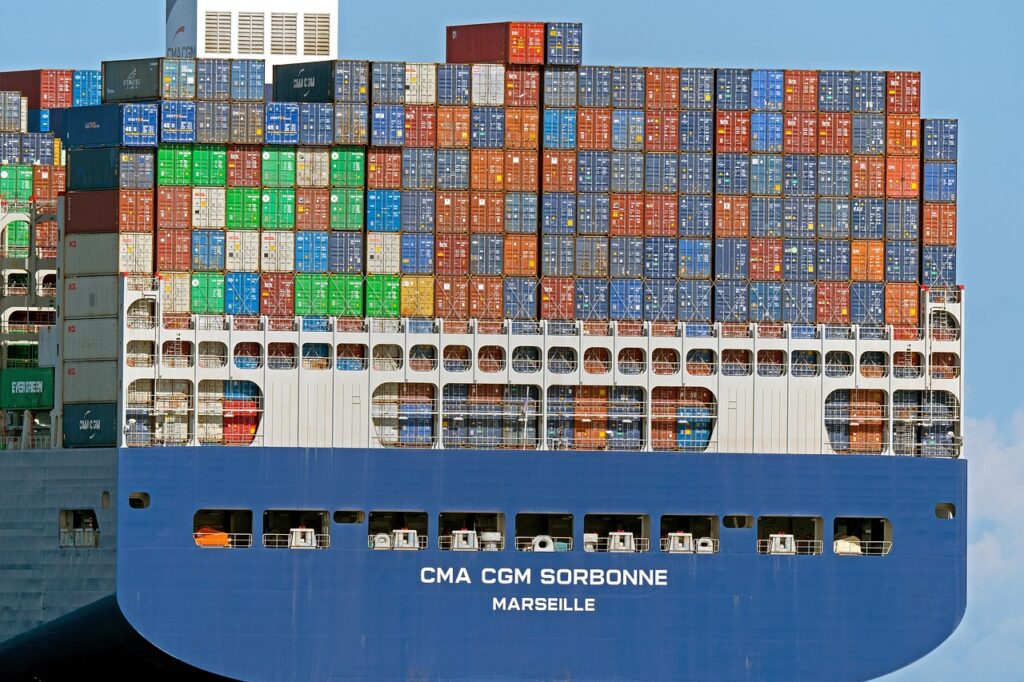
The Geopolitics of Maritime Chokepoints in 2026: Navigating Global Tensions
As of August 2026, the world’s oceans remain critical arteries for global commerce. However, certain narrow sea passages, known as maritime chokepoints, wield disproportionate strategic importance. Their control or potential disruption can send significant shockwaves across the global economy and international relations. Understanding these chokepoints is essential for grasping the complex geopolitical dynamics of 2026.
Last updated: August 29, 2026
What Exactly is a Maritime Chokepoint?
Think of a maritime chokepoint as a bottleneck in the vast ocean highway. These are naturally confined maritime areas that ships must traverse to move between major bodies of water.
Their limited width means a small number of vessels can control or block a significant portion of global maritime traffic. For instance, the Strait of Hormuz, a mere 21 miles wide at its narrowest, is responsible for transporting a substantial percentage of the world’s oil supply.
What makes them geopolitically explosive is their confluence of strategic value and vulnerability. A nation or group that controls a chokepoint possesses immense leverage, while a disruption there can cripple international commerce.
This dual nature fuels competition and strategic posturing by major powers and regional actors alike. Practically speaking, any instability in these regions is not just a local issue; it’s a global economic event.
From a different angle, these chokepoints are also major conduits for energy security. Their stability is paramount for nations dependent on oil and gas imports.
The Big Players: Navigating Critical Straits in 2026
As of August 2026, several chokepoints consistently dominate geopolitical discussions. The Strait of Hormuz remains arguably the most critical.
Situated between Iran and Oman, it serves as the gateway for a vast amount of Middle Eastern oil exports. Tensions between Iran and Western powers, coupled with regional rivalries, keep this strait under constant scrutiny.
Then there’s the Strait of Malacca, connecting the Pacific and Indian Oceans. This busy waterway, flanked by Malaysia, Singapore, and Indonesia, handles a massive volume of global trade, including shipments from East Asia to Europe.
Piracy and the potential for naval blockades are persistent concerns here, impacting over 80,000 vessels annually, according to maritime security reports from earlier in 2026.
The Suez Canal in Egypt, while a man-made waterway, functions as a critical chokepoint. It dramatically shortens the journey between Europe and Asia, bypassing the long route around Africa. The blockage of the canal in 2026 by the Ever Given vessel highlighted its fragility and the immediate, far-reaching consequences of any interruption.
Further south, the Bab el-Mandeb strait, linking the Red Sea to the Gulf of Aden, has seen increased attention due to regional conflicts and Houthi rebel activities. Disruptions here directly impact traffic heading to and from the Suez Canal, making it a crucial element in the current geopolitical chessboard.
The Role of Naval Power and Alliances
Control and security of maritime chokepoints are inextricably linked to naval power. Major global powers, particularly the United States, maintain a significant naval presence in strategic regions to ensure freedom of navigation and protect their economic interests.
The US Navy’s Fifth Fleet, for instance, is based in Bahrain, granting it proximity to the Strait of Hormuz. However, naval power isn’t solely about projecting force; it’s also about fostering alliances and partnerships.
Countries often band together to patrol and secure shared waterways. As of 2026, we observe an evolving world of these alliances. For example, the Quadrilateral Security Dialogue (Quad) involving the US, Japan, India, and Australia, while not solely focused on chokepoints, reflects a broader strategy to ensure open sea lanes in the Indo-Pacific, implicitly covering the Strait of Malacca.
Regional powers also play a crucial role. China, increasingly reliant on imported energy and goods, is expanding its naval capabilities and seeking basing agreements in strategically located areas. This creates a complex web of competing interests and potential flashpoints.
The recent increase in naval exercises by China and other regional players in the South China Sea, which borders the Strait of Malacca, underscores this dynamic, as reported by Credendo on August 27, 2026.
Economic Repercussions: When Chokepoints Get Tight
The economic consequences of chokepoint instability are profound and immediate. When shipping is disrupted, supply chains fray. As we saw in 2026, a single blocked canal can lead to container backlogs, manufacturing delays, and a surge in shipping costs.
These costs are then passed on to consumers, contributing to inflation. Energy security is particularly vulnerable. A significant percentage of the world’s crude oil and liquefied natural gas (LNG) travels through these narrow passages.
According to the U.S. Energy Information Administration (EIA) (2025 data), over 15 million barrels of oil per day transit the Strait of Hormuz alone. Any threat to this flow can cause global oil prices to spike within hours, impacting everything from transportation costs to industrial production.
The Atlantic Council recently highlighted in a July 2026 report that maritime trade routes are under increasing threat, and markets still underprice these significant risks, suggesting a potential for future economic shocks. Energy Security 2026: Maritime Chokepoints & Global Oil/Gas
Latest Update (August 2026)
Recent analyses underscore the escalating geopolitical risks facing key maritime chokepoints, particularly in Asia. Credendo reported on August 27, 2026, that these vital shipping arteries are becoming increasingly vulnerable to regional tensions and strategic competition. This heightened risk environment necessitates a re-evaluation of global supply chain resilience.
The Boston Consulting Group, in an August 24, 2026 analysis, drew five key lessons from the ongoing situation at the Strait of Hormuz. These lessons emphasize the need for proactive risk management and diplomatic engagement to maintain stability in this critical waterway. The ongoing geopolitical competition in Eurasia is also transforming energy routes into geopolitical battlegrounds, as noted by The Astana Times on August 27, 2026.
Furthermore, opinion pieces such as one from the South China Morning Post on August 28, 2026, advocate for increased cooperation between major powers like the US and China to ensure the safety and freedom of maritime trade routes. This call for collaboration arises from the recognition that disruptions at chokepoints have global economic ramifications that no single nation can fully mitigate alone.
Strategies for Resilience and Mitigation
Given the persistent risks, nations and corporations are pursuing various strategies to enhance resilience. Diversifying supply chains away from overly reliant chokepoint dependencies is a primary goal.
This includes exploring alternative shipping routes, developing more robust logistics networks, and increasing domestic production capacity where feasible. International cooperation on maritime security, including joint patrols and intelligence sharing, also plays a vital role.
Technological advancements in shipping and logistics, such as advanced tracking systems and autonomous vessels, could offer future solutions for efficiency and security, although their widespread adoption is still developing.
Investing in alternative energy sources and reducing global reliance on oil transported through these chokepoints could also mitigate the impact of future disruptions. This long-term strategy addresses the root cause of much of the geopolitical tension surrounding energy transit routes.
The Strait of Hormuz: A Case Study in 2026 Tensions
The Strait of Hormuz remains a focal point of geopolitical tension in 2026. Iran’s strategic position allows it significant influence over this vital waterway, which sees the passage of roughly 30% of the world’s seaborne oil trade, as of August 2026 figures.
The US Navy’s presence, alongside international maritime coalitions, aims to deter any attempts at blockade or disruption. However, incidents involving shipping, including alleged attacks and seizures, periodically escalate tensions.
The diplomatic efforts to de-escalate regional conflicts and ensure freedom of navigation are ongoing. The economic stakes are simply too high for sustained disruption. The Boston Consulting Group’s recent analysis from August 24, 2026, highlights five key lessons learned from managing risks in the Hormuz, emphasizing preparedness and diplomatic engagement.
Beyond Hormuz: Emerging Hotspots
While Hormuz garners much attention, other chokepoints are gaining strategic significance. The South China Sea, a vital artery for global trade and a region of intense territorial disputes, represents a potential flashpoint. Its strategic importance is amplified by its proximity to the Strait of Malacca.
The Arctic shipping routes, once seasonal, are becoming more viable due to climate change. As ice recedes, new shipping lanes are opening, bringing with them new geopolitical considerations regarding transit rights, environmental protection, and security.
The Northern Sea Route, in particular, is attracting interest from nations like Russia and China, seeking shorter transit times between Asia and Europe. This development adds another layer to the global maritime security challenge.
Common Mistakes in Understanding Chokepoint Geopolitics
A common mistake is viewing chokepoints in isolation. Their stability is interconnected; disruption in one can strain others. For example, issues in the Bab el-Mandeb directly affect traffic to the Suez Canal.
Another error is underestimating the economic impact. Markets often fail to price in the full extent of risk associated with chokepoint vulnerabilities. As the Atlantic Council noted on August 25, 2026, markets still underprice these rising geopolitical risks.
Furthermore, focusing solely on military solutions overlooks the importance of diplomacy and economic interdependence in maintaining stability. Sustainable solutions often require a multi-faceted approach.
Tips for Navigating the Geopolitical Currents
For businesses, understanding these geopolitical dynamics is not merely academic; it’s vital for risk management. Regularly assess your supply chain’s exposure to chokepoint disruptions.
Diversify your suppliers and logistics partners to reduce reliance on single points of failure. Consider alternative shipping routes or modes of transport where feasible, even if they incur slightly higher costs.
Stay informed about geopolitical developments and regional tensions that could impact maritime security. Consult with geopolitical risk analysts and maritime security experts for up-to-date assessments.
Frequently Asked Questions
Which maritime chokepoint is the most critical in 2026?
The Strait of Hormuz remains the most critical chokepoint in 2026 due to the sheer volume of global oil and LNG passing through it. Its strategic location between Iran and Oman makes it highly sensitive to regional political tensions.
How does piracy affect maritime chokepoints?
Piracy can disrupt shipping, increase insurance costs, and necessitate increased security measures. In busy chokepoints like the Strait of Malacca, piracy remains a persistent threat that impacts the efficiency and safety of maritime trade.
What are the main geopolitical actors involved in chokepoint security?
Major global powers like the United States, regional powers such as Iran and China, and international coalitions are key actors. Alliances like the Quad also play a role in ensuring freedom of navigation in critical areas.
Can climate change impact maritime chokepoints?
Yes, climate change is opening new Arctic shipping routes, such as the Northern Sea Route. This creates new geopolitical considerations regarding transit, sovereignty, and environmental management in previously inaccessible waters.
What is the economic impact of a Suez Canal blockage in 2026?
A Suez Canal blockage causes immediate global supply chain disruptions, leading to container shortages, manufacturing delays, and increased shipping costs. The incident in 2026 demonstrated how fragile global trade is to such events.
Conclusion
Maritime chokepoints are indispensable yet inherently vulnerable nodes in the global economic system. In 2026, their geopolitical significance is amplified by increasing global trade, evolving international rivalries, and the persistent threat of regional instability. Ensuring the security and freedom of navigation through these critical passages requires a combination of robust naval presence, strategic alliances, diplomatic engagement, and economic diversification.
As highlighted by organizations like the Atlantic Council and Credendo in August 2026, the risks to maritime trade routes are substantial and potentially underpriced. Proactive management, international cooperation, and a clear understanding of the complex interplay between geography, economics, and politics are essential for navigating the turbulent geopolitical currents of 2026 and beyond.