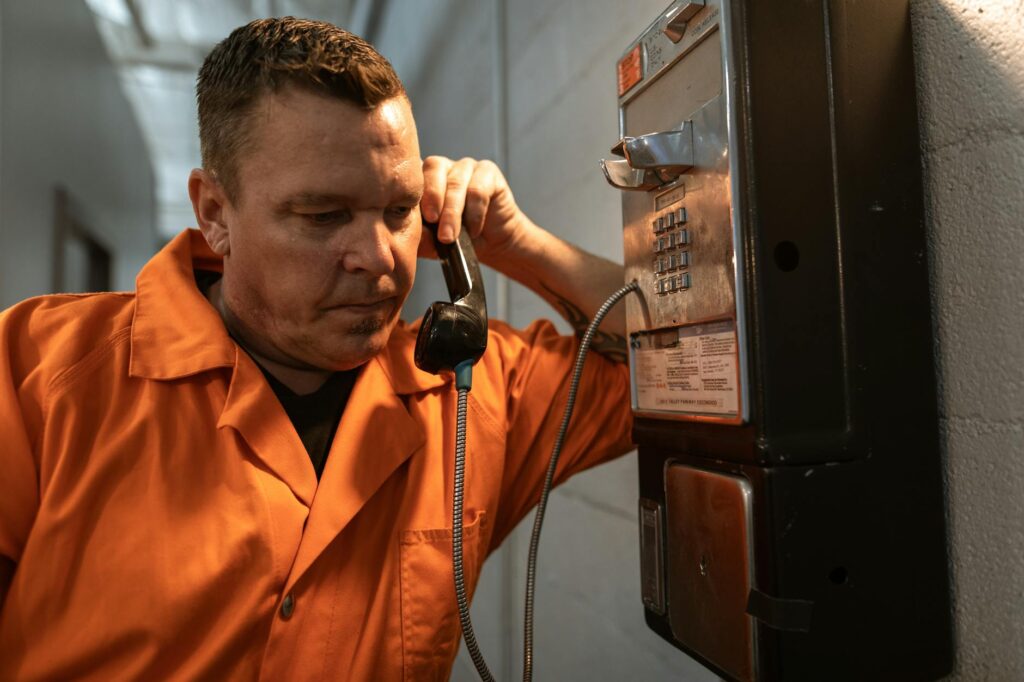
The Direct Link: How Inmate Programs Shape Parole Success in 2026
This guide covers everything about The Impact of Inmate Programs on Parole Success. A common question in criminal justice circles is whether the programs offered within correctional facilities actually make a difference for individuals seeking parole. As of May 2026, data increasingly points to a resounding ‘yes.’ Participation in well-structured inmate programs isn’t just a way to fill time; it’s a critical pathway that significantly influences an individual’s likelihood of successful reintegration and reduced recidivism.
Last updated: May 5, 2026
Key Takeaways
- Effective inmate programs demonstrably lower recidivism rates.
- Educational and vocational training are among the most impactful program types.
- Cognitive behavioral therapy and life skills training equip individuals for societal reintegration.
- Access and quality of programs vary widely by institution and jurisdiction.
- Investment in these programs yields long-term public safety and economic benefits.
Understanding the world of Inmate Programs
Before diving into the impact, let’s clarify what we mean by ‘inmate programs.’ These are structured initiatives designed to address the underlying causes of criminal behavior and equip individuals with the skills and mindset needed for a successful return to society. They span a broad spectrum, from academic education and vocational training to substance abuse treatment, mental health counseling, and life skills development.
The goal is complex: reduce the likelihood of reoffending, foster personal growth, and enhance employability. Practically speaking, these programs aim to transform the prison experience from purely punitive to one that also includes genuine rehabilitation, preparing individuals for responsible citizenship.
The Power of Education and Vocational Training
One of the most consistently cited factors for parole success is the availability of educational and vocational opportunities within correctional facilities. When individuals can earn a GED, pursue higher education, or learn a trade, their post-release prospects improve dramatically.
For instance, a study by the RAND Corporation found that inmates who participated in correctional education programs were 43% less likely to recidivate than those who didn’t. This isn’t just about a diploma; it’s about instilling discipline, improving cognitive abilities, and, crucially, making individuals more marketable to employers. A person with a marketable skill or a recognized educational attainment has a tangible reason to stay on the right side of the law.
Consider Maria, who was incarcerated for a non-violent offense. While inside, she completed a welding certification program. Upon release, she didn’t just find a job; she found a career. Her employer noted that her certification, combined with her demonstrated commitment during her training, made her a strong candidate. Maria’s parole officer reported her consistent employment and adherence to parole conditions as key factors in her successful reintegration.
Cognitive Behavioral Therapy: Rewiring for Reentry
Beyond tangible skills, addressing the psychological and behavioral aspects of offending is paramount. Cognitive Behavioral Therapy (CBT) and similar therapeutic programs are vital components of inmate rehabilitation. These programs help individuals identify distorted thinking patterns, develop problem-solving skills, and manage anger and impulses.
CBT focuses on the idea that changing one’s thoughts can change one’s behavior. For individuals whose criminal actions stem from poor decision-making, impulsivity, or a lack of empathy, CBT offers tools to build a healthier mindset. According to the U.S. Department of Justice, programs that incorporate CBT have shown significant effectiveness in reducing recidivism rates across various offender populations.
John, who struggled with anger management and addiction, found CBT transformative. He learned to recognize triggers for his aggressive behavior and developed coping mechanisms. This directly impacted his interactions within the facility and, more importantly, his ability to navigate stressful situations post-release, a crucial factor for parole boards evaluating risk.
Substance Abuse and Mental Health Services: Addressing Root Causes
A significant percentage of individuals within the criminal justice system struggle with substance abuse disorders and mental health challenges. These issues are often intertwined with criminal behavior and are major barriers to successful parole. Therefore, complete treatment programs are essential.
Effective substance abuse treatment within prisons can include detoxification, counseling, and relapse prevention strategies. Similarly, access to mental health services, including therapy and medication management, can stabilize individuals and address issues like depression, anxiety, or trauma that may have contributed to their offending. These services are not merely ‘nice-to-haves’; they are fundamental to reducing the likelihood of relapse into old behaviors that could jeopardize parole.
Research indicates that individuals who receive substance abuse treatment while incarcerated are significantly more likely to remain sober and less likely to commit new crimes after release. This directly translates into a lower risk profile for parole boards.
Life Skills and Reentry Preparation: Bridging the Gap
Transitioning from incarceration back into society presents a unique set of challenges. Many individuals lack basic life skills necessary for independent living, such as financial literacy, conflict resolution, and effective communication. Reentry programs are designed to bridge this gap.
These programs teach practical skills like budgeting, job searching, resume writing, understanding tenant rights and responsibilities, and navigating social services. They also often involve mentorship and support networks, connecting individuals with positive influences and resources in the community. From a different angle, these life skills foster self-sufficiency and reduce dependence on potentially harmful coping mechanisms or associations.
Sarah, preparing for parole after a lengthy sentence, participated in a financial literacy workshop. Learning to manage a bank account, create a budget, and understand credit was invaluable. It gave her the confidence to handle her finances independently, a key area of concern for her parole officer.
Common Challenges in Inmate Program Implementation
Despite the clear benefits, the implementation of effective inmate programs faces several hurdles. Funding is often a primary concern, with many correctional systems operating on limited budgets. This can lead to a lack of resources, insufficient staffing, and limited program availability.
Another challenge is the variability in program quality and accessibility across different correctional facilities and jurisdictions. What might be a strong, evidence-based program in one state could be a rudimentary offering in another. The sheer volume of individuals needing services can strain even well-resourced programs.
For individuals nearing release, program availability can be inconsistent, leading to missed opportunities for critical skill development. This uneven access can disproportionately affect certain populations, hindering their chances of successful parole.
| Program Type | Primary Goal | Impact on Parole Success | Potential Drawbacks |
|---|---|---|---|
| Educational (GED, College) | Cognitive development, employability | Higher employment rates, reduced recidivism | Requires qualified instructors, curriculum development |
| Vocational Training (Trades) | Job skills, marketability | Direct path to employment, increased self-sufficiency | Equipment costs, relevance to job market needs |
| Cognitive Behavioral Therapy (CBT) | Behavioral change, impulse control | Reduced aggression, better decision-making | Requires trained therapists, can be time-intensive |
| Substance Abuse Treatment | Sobriety, addiction management | Lower relapse rates, reduced crime | Long-term support needs, stigma |
| Life Skills Training | Social integration, self-management | Improved community adjustment, reduced reliance on crime | Curriculum needs constant updating, broad applicability |
Measuring Success: What the Data Tells Us
As of May 2026, the body of evidence supporting inmate programs is substantial. Numerous studies, including those cited by organizations like the National Institute of Justice, consistently show that individuals who participate in rehabilitative programs while incarcerated have lower rates of recidivism compared to their peers who don’t.
For example, analyses of state correctional systems often reveal that participation in vocational training is linked to a significant drop in the rearrest rates within three years of release. Similarly, programs focused on addressing criminogenic needs—those factors directly linked to criminal behavior—tend to yield the most substantial reductions in recidivism. The Bureau of Justice Statistics reports that effective programs can reduce recidivism by as much as 30-50%.
Expert Insights on Enhancing Parole Success Through Programs
Dr. Anya Sharma, a criminologist specializing in reentry, notes, “The impact of inmate programs on parole success isn’t monolithic. It hinges on the quality, intensity, and relevance of the programs offered. A ‘check-the-box’ approach won’t cut it; we need evidence-based interventions tailored to individual needs.”
She further emphasizes that continuity of care is crucial. “What happens when someone is released? If there’s no post-release support that mirrors the in-prison programming, the gains can be lost. Partnerships between correctional facilities and community-based reentry organizations are vital for sustained success.” This highlights the need for a complete approach that extends beyond the prison walls.
Common Mistakes People Make with Inmate Programs
One common mistake is assuming that all programs are equally effective. Many programs are not based on rigorous research or are poorly implemented, leading to suboptimal results. Without a focus on evidence-based practices, resources can be wasted.
Another pitfall is failing to adequately prepare individuals for the transition back into society. Programs might be excellent within the institution, but if there’s no clear plan for job placement, housing, or continued therapy post-release, the individual faces an uphill battle. This disconnect between in-prison programming and community reentry is a significant barrier.
Finally, inadequate funding and inconsistent program availability create a system where only a fraction of those who need help receive it. This not only limits individual success but also impacts overall public safety outcomes.
Tips for Maximizing Program Impact on Parole
For individuals currently incarcerated, actively seeking out and engaging with available programs is key. Focus on those programs that align with your post-release goals, whether it’s acquiring a trade, earning a degree, or addressing personal challenges like addiction or anger.
For correctional institutions and policymakers, prioritize evidence-based programs with proven track records. Invest in qualified staff and ensure programs are adequately funded and accessible to a broad range of inmates. Plus, forge strong partnerships with community organizations to create smooth reentry pathways.
For parole boards and officers, understanding the impact of program participation is essential. Recognizing an individual’s commitment to rehabilitation through program engagement can be a significant factor in parole decisions. Acknowledging and supporting this commitment can reinforce positive behavior and encourage future engagement.
Frequently Asked Questions
Do inmate programs truly reduce recidivism?
Yes, numerous studies indicate that participation in effective inmate programs significantly lowers recidivism rates. Programs focusing on education, vocational skills, and cognitive behavioral therapy are particularly effective in preparing individuals for successful reintegration.
Which types of inmate programs are most impactful for parole success?
Educational programs (GED, college courses) and vocational training (trades, job skills) are highly impactful as they improve employability. Cognitive behavioral therapy and substance abuse treatment address underlying behavioral issues, further boosting parole success.
How does participation in therapy affect parole decisions?
Demonstrated engagement in therapy, especially cognitive behavioral therapy or substance abuse counseling, is viewed favorably by parole boards. It signals an individual’s commitment to addressing the root causes of their behavior and reducing future risk.
What is the role of life skills training in reentry?
Life skills training, covering areas like financial literacy, communication, and conflict resolution, equips individuals with practical tools for independent living. This reduces the likelihood of falling back into old habits due to lack of preparedness.
Are all inmate programs equally effective?
No, program effectiveness varies widely based on curriculum, implementation, staff training, and the specific needs of the inmate population. Evidence-based programs with proven track records tend to yield the best results.
What challenges exist in providing inmate programs?
Key challenges include insufficient funding, limited access across facilities, variability in program quality, and the difficulty of providing continuity of care upon release. These factors can hinder the overall impact of rehabilitation efforts.
Looking Ahead: The Future of Rehabilitation in Corrections
The conversation around inmate programs is evolving. As of May 2026, there’s a growing recognition that investing in rehabilitation is not just a moral imperative but also a pragmatic approach to public safety and economic well-being. By providing individuals with the tools, skills, and support they need to succeed, we can break cycles of incarceration and build stronger communities.
The actionable takeaway is clear: support and expand access to high-quality, evidence-based inmate programs. Whether you are an individual seeking to improve your life chances, a policymaker, or a community member, championing these initiatives is a direct investment in a safer and more just future for everyone.
Last reviewed: May 2026. Information current as of publication; program effectiveness and availability may change.
Editorial Note: This article was researched and written by the Afro Literary Magazine editorial team. We fact-check our content and update it regularly. For questions or corrections, contact us. Knowing how to address The Impact of Inmate Programs on Parole Success early makes the rest of your plan easier to keep on track.