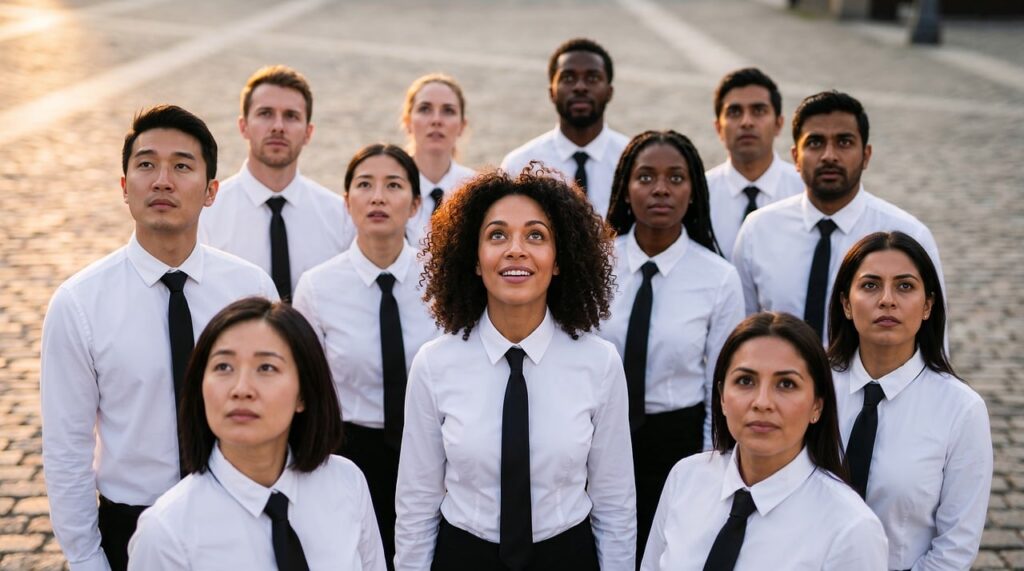
The Shifting Faces of Fictional Teens: A 2026 Look Back
The television landscape has undergone a profound transformation in how it portrays teenagers. Over the decades, fictional adolescent characters have evolved dramatically. They’ve moved from often narrow stereotypes to a more complex, diverse, and authentic reflection of youth culture as of October 2026. This journey mirrors broader societal changes and a growing demand for nuanced storytelling.
Last updated: October 26, 2026
Latest Update (October 2026)
Recent developments highlight the continued expansion of teen representation. The independent film Teenage Sex and Death at Camp Miasma, as reported by IslanderNews.com on October 22, 2026, offers a meta-commentary by featuring queer characters who watch themselves watching horror films. This innovative approach reflects a growing trend of self-aware and critically engaged storytelling within youth-oriented media.
Furthermore, industry analysis from 2026 suggests a surge in demand for authentic narratives across all demographics. Streaming services are actively commissioning content that explores niche experiences, contributing to a richer tapestry of teen representation than ever before.
Key Takeaways
- Early teen television predominantly featured stereotypical, often white, middle-class characters.
- Significant strides in racial and ethnic diversity are evident by 2026, with more central and nuanced roles.
- Authentic portrayals of teen identity, including gender and sexuality, have become a hallmark of modern programming.
- Social media and global connectivity profoundly influence how teen issues and relationships are depicted on screen as of 2026.
- The future of teen television depends on a sustained commitment to inclusive, authentic, and socially relevant storytelling.
From Archetypes to Authenticity: Early Teen TV
In the nascent years of television, teen characters frequently served as mere plot devices. Shows like ‘Leave It to Beaver’ presented wholesome, predominantly white, middle-class protagonists. Alternatively, characters in ‘The Outsiders’ embodied the rebellious but ultimately redeemable delinquent archetype.
These characters offered a degree of relatability for a specific audience segment. However, they rarely deviated from established, often simplistic, types. This limited perspective on adolescence failed to acknowledge the vast array of lives and challenges faced by all young people.
Diversity was a glaring omission. Non-white characters were often relegated to secondary, token roles. Their storylines seldom delved into the complexities of their unique cultural experiences, presenting a narrow and incomplete picture of teenage life.
The 90s Boom: A Glimmer of Change
The 1990s marked a turning point with a proliferation of teen-centric programming that began to challenge conventions. Series such as ‘My So-Called Life’ and ‘Beverly Hills, 90210’ introduced more complex characters. They grappled with realistic issues like peer pressure, identity formation, and intricate family dynamics.
While still largely featuring white casts, these shows demonstrated a growing awareness of diverse social strata. ‘My So-Called Life’, in particular, is lauded for its authentic depiction of adolescence. It focused on the internal struggles and everyday anxieties of its characters, a stark departure from the often polished teen stars of previous eras.
Angela Chase’s character was not merely an idealized figure; she was portrayed as awkward, introspective, and actively discovering herself. This grounded approach resonated deeply with audiences seeking more genuine portrayals of teenage existence.
The 2000s and Beyond: Embracing Diversity
Entering the 21st century, the call for more authentic representation grew significantly louder. The 2000s witnessed a marked increase in racial and ethnic diversity on television screens. Shows like ‘The O.C.’ and ‘Gossip Girl’ began to feature more multi-racial casts, although the narrative focus often remained within affluent, predominantly white social circles.
A pivotal shift occurred with shows that deliberately centered diverse casts and experiences. ‘Degrassi: The Next Generation’ consistently addressed social issues with remarkable honesty. It featured characters from various ethnicities, sexual orientations, and socioeconomic backgrounds, setting a new benchmark for comprehensive teen storytelling.
Research continues to underscore the positive relationship between on-screen diversity and audience engagement. According to the Geena Davis Institute on Gender in Media (as of 2023 data), this correlation remains a key consideration for creators and broadcasters aiming to connect with a wider viewership.
The Rise of Inclusive Storytelling by 2026
As of October 2026, the landscape of teen television is considerably more inclusive. Streaming platforms have been instrumental, frequently approving projects that traditional networks might have deemed too niche. This has created vital opportunities for stories featuring LGBTQ+ youth, teenagers with disabilities, and those from underrepresented racial and cultural backgrounds.
Series like ‘Sex Education’ (Netflix) have received widespread acclaim for their frank and sensitive exploration of sexuality, gender identity, and interpersonal relationships among a diverse ensemble of teenagers. Similarly, ‘Never Have I Ever’ (Netflix) offers a humorous and highly relatable portrayal of a first-generation Indian-American teenager navigating the complexities of high school life.
This evolution signifies a deeper understanding that teenage experiences are not uniform. The industry now increasingly recognizes the necessity of reflecting the multifaceted realities of young people globally. This trend is supported by ongoing audience data indicating a preference for diverse and authentic narratives.
Navigating Complex Identity and Social Issues
Modern teen dramas actively engage with complex social issues. Topics such as mental health challenges, climate anxiety, social justice movements, and the pervasive influence of social media are frequently integrated into storylines. These narratives directly reflect the realities of growing up in the mid-2020s.
Characters are often developed with greater psychological depth. They grapple with anxieties, depression, and self-doubt in ways that resonate profoundly with young viewers. The ubiquity of social media also means shows frequently explore the intricate ways online life intersects with real-world experiences, a narrative element far less common in earlier decades.
Shows like ‘Euphoria’ (HBO), while often criticized for its mature themes, are noted for their unflinching portrayal of teen struggles with addiction, mental health, and identity. This willingness to tackle difficult subjects, when handled responsibly, contributes to a more realistic depiction of contemporary adolescence.
The Impact of Global Connectivity
In the digital age, teen audiences are more interconnected globally than ever before. This has significantly influenced the types of stories being produced and the characters being developed. Audiences now expect greater authenticity and show a strong willingness to explore a wider spectrum of cultural nuances.
Series that feel globally relevant or that adeptly explore cross-cultural dynamics tend to achieve greater success. This interconnectedness compels creators to move beyond purely domestic perspectives. They are encouraged to incorporate a more international and diverse outlook into their teen narratives.
The rise of K-Pop and globally accessible streaming content, for instance, has opened doors for shows that reflect diverse cultural backgrounds and international friendships. This trend suggests a maturing audience that seeks stories reflecting their interconnected world.
Challenges and Criticisms in Representation
Despite considerable progress, challenges persist in teen television representation. Tokenism, where diverse characters are included superficially without substantial narrative depth, remains a concern. Ensuring that representation is meaningful and integral to the story is an ongoing effort.
Another critique involves the potential for sensationalism. While tackling difficult issues is important, some shows may lean towards gratuitous or unrealistic depictions, potentially misinforming or desensitizing young audiences. Finding a balance between dramatic impact and responsible storytelling is key.
Authenticity also remains a hurdle. While casting has become more diverse, the writing room often lags behind. Diverse writers are essential for ensuring that characters from different backgrounds are portrayed with genuine understanding and accuracy. Industry initiatives are actively working to address this gap.
The Future of Teen Television
The trajectory of teen television points toward continued diversification and deeper thematic exploration. Creators are increasingly likely to draw inspiration from the lived experiences of young people, influenced by social media discourse and global events.
Interactive storytelling and transmedia approaches may also become more prevalent, allowing audiences to engage with characters and narratives across multiple platforms. The demand for authentic voices and stories that reflect the true diversity of adolescence will likely drive innovation.
The industry’s commitment to inclusivity, coupled with technological advancements, promises a future where teen television offers even richer, more varied, and more impactful representations of youth culture. As of October 2026, the outlook is exceptionally promising.
Frequently Asked Questions
How has the portrayal of teen mental health evolved on TV?
Early shows often ignored teen mental health or treated it superficially. By 2026, series frequently depict characters experiencing anxiety, depression, and trauma with greater depth and realism, reflecting increased societal awareness and a demand for authentic storytelling.
What role do streaming services play in teen TV representation?
Streaming platforms have been pivotal. They often greenlight diverse and niche projects that traditional networks might avoid. This has significantly broadened the range of stories and characters available to audiences as of 2026.
Are teen characters in 2026 shows more diverse than in previous decades?
Yes, absolutely. By 2026, there’s a notable increase in racial, ethnic, and LGBTQ+ representation. Characters with disabilities and those from various socioeconomic backgrounds are also more commonly featured in central roles.
How has social media impacted teen TV narratives?
Social media is now a frequent plot element, mirroring teens’ real lives. Shows explore online interactions, cyberbullying, and the influence of digital culture on relationships and identity, a key aspect of adolescent life in 2026.
What are the main challenges in representing teenagers authentically today?
Key challenges include avoiding tokenism, preventing sensationalism of serious issues like mental health, and ensuring authenticity through diverse writing rooms. Balancing dramatic storytelling with genuine representation remains an ongoing effort.
Conclusion
The evolution of teen representation on television from the mid-20th century to October 2026 showcases a remarkable journey from simplistic archetypes to nuanced, diverse, and authentic portrayals. Driven by societal shifts, audience demand, and the influence of global connectivity, contemporary teen shows increasingly reflect the multifaceted realities of young people.
While challenges like tokenism and sensationalism persist, the ongoing commitment to inclusivity and authentic storytelling promises an even richer and more representative future for teen television. The current era, as of 2026, marks a significant high point in this ongoing evolution.