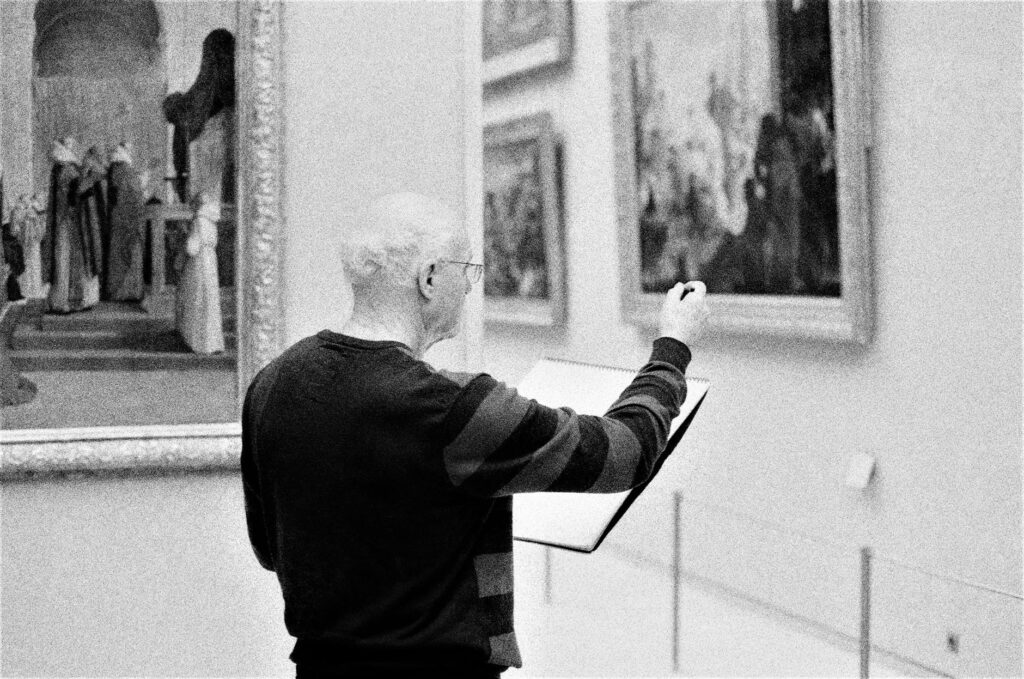
The Challenge of Connection: Why Art Can Feel Distant
This guide covers everything about how to appreciate art. Staring at a canvas, a sculpture, or an installation, do you ever feel a disconnect? You’re not alone. Many of us approach art with a sense of obligation, hoping to ‘get it’ but often leaving museums or galleries feeling more confused than inspired. This isn’t a failing of your intellect; it’s often a lack of accessible tools for engagement.
Last updated: May 1, 2026
- Appreciating art involves more than just looking; it’s an active process of observation, context, and personal connection.
- Understanding the artist’s intent, historical background, and chosen medium significantly deepens comprehension.
- Developing visual literacy skills allows for a richer interpretation of artistic elements and composition.
- Engaging with art emotionally, rather than just intellectually, fosters a more profound and lasting appreciation.
- Practice and patience are key; art appreciation is a skill that grows with consistent effort and openness.
Why Does Art Appreciation Matter Today?
In our fast-paced digital world of 2026, the ability to pause and engage with a piece of art offers a vital counterpoint. Art appreciation isn’t just about connoisseurship; it’s about cultivating empathy, critical thinking, and a deeper understanding of human experience across cultures and time. It enhances our visual literacy, making us more perceptive observers of the world around us.
For instance, consider the surge in immersive digital art installations. While technologically impressive, their true impact is unlocked when viewers understand the artistic choices behind the pixels. According to a 2026 report by the National Endowment for the Arts, engagement with the arts correlates with increased civic participation and emotional well-being. The Central Idea: Beyond the Surface
Beyond the Surface: Looking Closely at Visual Elements
The first step in how to appreciate art is to slow down and truly observe. This involves looking beyond the subject matter to notice the fundamental building blocks: line, shape, form, color, texture, and space. What kinds of lines does the artist use—bold and assertive, or delicate and flowing? How is color employed—is it harmonious and calming, or jarring and expressive?
Think of Vincent van Gogh’s “Starry Night.” While we recognize the swirling sky and cypress tree, truly appreciating it means noticing the thick impasto (texture), the vibrant, contrasting blues and yellows (color), and the dynamic, energetic lines that create a sense of movement and emotion. This close observation transforms a familiar image into a tactile experience.
Art doesn’t exist in a vacuum. Understanding the artist’s background, the historical period, and the cultural milieu in which the artwork was created provides crucial context. Who was the artist? What were their life experiences? What social or political events might have influenced their work? This contextual knowledge enriches your interpretation.
To truly appreciate Kara Walker’s silhouette installations, such as “A Subtlety” (2014), one must understand her engagement with the brutal history of slavery and racism in America. The starkness of the silhouettes and their often disturbing subject matter are direct commentaries on historical trauma and its lingering effects. Without this context, the work might seem merely decorative or abstract.
Exploring Different Mediums and Techniques
Each art medium—painting, sculpture, photography, printmaking, digital art, performance art—has its own unique properties and challenges. Appreciating how an artist works with their chosen medium is key. How does the medium itself contribute to the artwork’s message or aesthetic? What techniques are employed?
Consider the difference between appreciating a watercolor painting and a bronze sculpture. A watercolor’s luminosity and translucency are achieved through delicate washes and layering, while a bronze sculpture’s weight, permanence, and detailed form are a result of casting and finishing processes. The tactile qualities and perceived fragility or solidity are inherent to the medium.
Developing Your Personal Response and Interpretation
Ultimately, how to appreciate art involves connecting with it on a personal level. Your individual experiences, emotions, and perspectives are valid parts of the appreciation process. There’s no single ‘correct’ interpretation; art speaks differently to everyone. What does the piece evoke in you? What memories or feelings does it stir?
Two people viewing an abstract expressionist painting like Jackson Pollock’s “Number 17A” might have wildly different responses. One might see chaos and energy, perhaps recalling a stormy day. Another might perceive a sense of freedom and spontaneity, connecting it to a feeling of liberation. Both responses are legitimate ways to engage with the artwork.
The Role of Art History and Theory
While not strictly necessary for a basic appreciation, understanding art history and basic art theory can unlock deeper layers of meaning. Knowing about movements like Impressionism, Cubism, or Surrealism helps you understand shared artistic goals and innovations. Learning about concepts like composition, perspective, and symbolism provides a framework for analysis.
Recognizing that Picasso’s “Les Demoiselles d’Avignon” (1907) was a radical departure from traditional Western art, heavily influenced by Iberian sculpture and African masks, is crucial to understanding its place in the development of Cubism. Its jarring perspectives and fragmented forms challenged centuries of artistic convention.
Common Pitfalls in Art Appreciation
Many people fall into common traps that hinder their appreciation of art. One is the belief that art must be immediately beautiful or pleasing. Another is feeling pressured to have a ‘smart’ or profound interpretation when one isn’t readily apparent. Overthinking or feeling intimidated can also be major barriers.
Mistake: Dismissing art that doesn’t conform to traditional notions of beauty. Solution: Recognize that art can be challenging, confrontational, or explore uncomfortable themes. Focus on what the artist is trying to communicate, even if how to appreciate art matter is difficult.
Mistake: Rushing through exhibitions. Solution: Allocate ample time. Spend at least 5–10 minutes with a piece that catches your eye, even if you don’t understand it immediately. Allow it to unfold.
Practical Steps to Enhance Your Art Appreciation Skills
Developing how to appreciate art is an ongoing journey, not a destination. Consistent practice is vital. Engage with art regularly, whether through local galleries, museums, online exhibitions, or even art books. Discuss art with friends or join an art appreciation group.
Information Gain: Consider the role of ‘negative space’—the areas around and between the subjects of an image. Understanding how artists use empty space to define forms, create balance, or direct the viewer’s eye is a sophisticated technique that adds significant depth to appreciation. For example, in many Japanese ink paintings, the unpainted areas are as important as the painted ones in conveying mood and composition.
Frequently Asked Questions
What is the easiest way to start appreciating art?
Begin by visiting local galleries or museums with no agenda. Choose one or two pieces that visually attract you and spend time observing them without judgment. Focus on what you see, feel, and think—your personal response is the most important starting point.
How can I understand abstract art better?
Abstract art often focuses on color, form, and texture rather than representational imagery. Try to identify the dominant colors, the types of shapes used, and the overall mood or energy the piece conveys. Consider the artist’s potential intent to evoke emotion or explore visual relationships.
Is it okay to not like a piece of art?
Absolutely. Personal taste plays a significant role in art appreciation. Your feelings are valid. The goal isn’t to like everything, but to understand why it was created and what it communicates, even if it doesn’t resonate with you personally.
How does art appreciation benefit me?
It enhances critical thinking, improves observation skills, fosters empathy by exposing you to diverse perspectives, and can be a source of personal enjoyment and stress relief. It also enriches cultural understanding and makes you a more perceptive observer of your surroundings.
What’s the difference between appreciating art and critiquing art?
Appreciation is about engaging with and understanding an artwork’s value, meaning, and impact on you. Critique involves a more analytical assessment, evaluating the artwork’s strengths, weaknesses, context, and technical execution, often for academic or professional purposes.
How much time should I spend on one artwork?
There’s no fixed rule, but a good starting point is 5 to 10 minutes for a piece that captures your interest. How to appreciate art allows time for initial observation, deeper reflection on details, and consideration of its context and your personal response.
Your Journey into Art Appreciation Begins Now
Learning how to appreciate art is a rewarding skill that opens up new ways of seeing and experiencing the world. It’s about cultivating curiosity, patience, and an open mind. Don’t aim for instant mastery; instead, embrace the process of discovery.
Actionable takeaway: This week, visit a local gallery or explore an online art collection. Choose one artwork that sparks your interest, spend at least five minutes with it, and jot down three observations or feelings about it. This simple act is the beginning of a lifelong journey of artistic discovery.
Source: Britannica
Editorial Note: This article was researched and written by the Afro Literary Magazine editorial team. We fact-check our content and update it regularly. For questions or corrections, contact us.
Related read: Elements of Art and Design Explained: A 2026 Guide. For readers asking “How to appreciate art”, the answer comes down to the specific factors covered above.