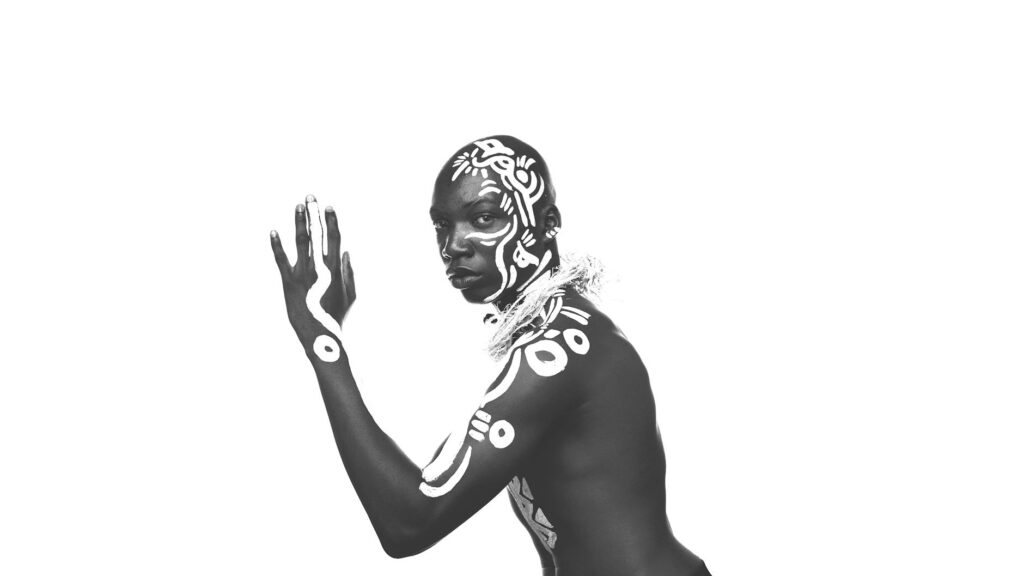
The Global Stage: Contemporary African Artists in 2026
As of May 2026, the global art landscape is undeniably enriched by a wave of contemporary African artists. Their creations are not merely aesthetic objects; they are powerful narratives, vibrant dialogues, and critical reflections on identity, history, and the future. These artists are pushing boundaries, reinterpreting traditions, and capturing the world’s attention through diverse mediums and bold perspectives.
Last updated: May 1, 2026
- Contemporary African artists are significantly influencing global art trends in 2026 with their diverse styles.
- Their work often explores themes of identity, heritage, urbanization, and post-colonial experiences.
- Digital art, mixed media, and performance are increasingly prominent in their practices.
- Collectors and institutions are actively seeking out and investing in African contemporary art.
- Understanding the context behind their art provides deeper appreciation and insight.
Defining Contemporary African Art: Beyond Stereotypes
Contemporary African art is a broad and evolving term, encompassing works created by artists from or of African descent in the late 20th and 21st centuries. It defies monolithic categorization, instead celebrating a rich mix of influences. These artists often engage with their immediate surroundings, historical legacies, and global cultural flows.
Practical Insight: Don’t expect a single, unified style. The strength of contemporary African art lies in its immense diversity, reflecting the continent’s varied cultures and experiences.
Themes and Inspirations: A complex Dialogue
Many contemporary African artists draw deeply from their heritage, but they do so with a modern sensibility. Themes of identity, displacement, urbanization, political commentary, and the intersection of tradition and modernity are recurrent. For instance, artists explore the rapid changes occurring in cities across Africa, the lingering effects of colonialism, and the complexities of diasporic experiences.
El Anatsui’s monumental bottle-cap installations, while visually stunning, speak to consumerism, waste, and the historical trade routes connecting Africa and the world. This blending of everyday materials with profound commentary is a hallmark of many African artists.
Practical Insight: To truly appreciate their work, consider the socio-political and historical context from which it emerges. This often unlocks deeper layers of meaning.
Mediums and Materials: Innovation in Practice
The artistic toolkit of contemporary African artists is vast and innovative. While painting and sculpture remain foundational, there’s a significant embrace of new media. Digital art, video installations, mixed media assemblages, and performance art are increasingly prominent. Artists are experimenting with everything from recycled materials to augmented reality.
The use of digital tools by artists like Moham Modisakeng, whose powerful video works explore themes of history and identity in South Africa, showcases this trend. According to the Art Newspaper (2025), video and installation art are seeing increased interest at international fairs.
Practical Insight: Look beyond traditional mediums; the most exciting contemporary African art often emerges from artists who are fearlessly experimenting with new technologies and materials.
Key Figures Shaping the 2026 Art Scene
The 2026 art world is abuzz with the contributions of numerous contemporary African artists. While naming all would be impossible, several stands out for their consistent impact and innovation. These artists are exhibiting globally, influencing younger generations, and commanding significant attention from critics and collectors alike.
Nigerian artist Njideka Akunyili Crosby, known for her layered collages that explore themes of domesticity, cultural hybridity, and Nigerian identity, continues to be a major force. Her works, often depicting intimate family scenes, resonate with a global audience grappling with similar themes of belonging and cultural negotiation. Her exhibitions consistently draw large crowds and critical acclaim.
Practical Insight: Following major exhibitions at institutions like the Katz Museum of Contemporary Art Africa (MOCAA) in Cape Town or the Marrakech Biennale provides excellent exposure to leading and emerging talents.
The African Art Market: Growth and Opportunity
The market for contemporary African artists has seen remarkable growth in recent years. As of May 2026, major auction houses and galleries report strong sales and increasing demand. This surge is driven by a growing appreciation for the unique perspectives and artistic quality offered by these creators, alongside increased representation in international art fairs and biennials.
According to a report by Artsy (2025), interest in African art has grown significantly, with collectors seeking diverse and impactful works. This has led to increased gallery representation and auction records for many artists.
Practical Insight: For aspiring collectors, now is an opportune time to engage with the African art market. Researching artists and galleries, attending virtual and physical viewings, and starting with smaller works can be a prudent approach.
Navigating Exhibitions and Galleries: Where to Discover Art
Discovering contemporary African artists is more accessible than ever. Major international art fairs like Art Basel, Frieze, and the Venice Biennale frequently feature dedicated sections or significant representation of African artists. On the continent, institutions like the Katz MOCAA in Cape Town, the National Museum of Modern Art in Algiers, and various galleries across Lagos, Nairobi, and Dakar are crucial hubs.
The Dakar Art Fair (DAKAR Biennale) is a significant event showcasing a wide range of Senegalese and international artists. Attending such events offers direct engagement with artists and their work.
Practical Insight: Beyond physical spaces, online platforms and gallery websites provide extensive catalogues and virtual exhibitions, making it easier to explore and even purchase art from anywhere in the world.
Common Misconceptions and How to address Them
One common misconception is that all African art is traditional or tribal. While rooted in rich cultural histories, contemporary African art is decidedly modern and global in its outlook. Another is that the “African art market” is a single entity; in reality, it’s a diverse ecosystem with regional variations and distinct artistic communities.
Mistake: Assuming all African artists are emerging or unknown. Many have established international careers and significant critical acclaim.
Solution: Research artists’ exhibition histories, gallery representation, and critical reception. Look for established names alongside promising newcomers to get a balanced view.
Expert Tips for Engaging with Contemporary African Art
Beyond simply observing, active engagement enriches the experience. Attend artist talks and gallery openings (both in-person and virtual) to hear directly from creators. Read art criticism from reputable sources like ARTFORUM, Frieze, and African art-focused publications to gain deeper insights into current dialogues. Consider following specific artists and galleries on social media for real-time updates on their work and projects.
Unique Insight: Pay attention to how artists use narrative and storytelling. Many contemporary African artists are master storytellers, weaving personal anecdotes, historical accounts, and cultural folklore into their visual language. This narrative depth is a key differentiator and source of their work’s power. For instance, the use of symbolism in a painting might reference a specific proverb or historical event, which can be researched further through on African symbolism.
Frequently Asked Questions
What are some famous contemporary African artists?
Prominent contemporary African artists include El Anatsui, Njideka Akunyili Crosby, Wangechi Mutu, Yinka Shonibare CBE, and Kehinde Wiley. Their work spans diverse mediums and tackles significant global themes, earning them international recognition and exhibitions.
How has contemporary African art evolved?
It has evolved from post-colonial critiques to a more diverse exploration of identity, globalization, technology, and urban life. Artists now widely employ new media, digital tools, and experimental techniques, reflecting a dynamic and forward-looking artistic landscape.
Where can I buy contemporary African art?
You can purchase contemporary African art from established international galleries (like Goodman Gallery, Pace Gallery), dedicated African art galleries, major auction houses (Sotheby’s, Christie’s), and online art platforms. Look for reputable dealers and consider starting with emerging artists.
What are the main themes in contemporary African art?
Key themes include identity, heritage, diaspora, post-colonialism, urbanization, gender, social justice, and the intersection of tradition and modernity. Artists use their work to comment on contemporary life and historical legacies.
What is the significance of the African art market today?
The African art market is significant for its rapid growth, increasing global recognition, and its role in empowering artists and cultural institutions. It represents a vital platform for showcasing African creativity and fostering economic opportunities within the continent and diaspora.
How can I learn more about African contemporary artists?
Engage with art publications, visit major museum exhibitions (like those at the Zeitz MOCAA), follow artists and galleries on social media, attend art fairs and biennales, and explore online resources. Reading interviews and artist statements also provides valuable context.
The world of contemporary African artists is a vibrant, essential, and constantly evolving space. Their work offers profound insights into our shared humanity and the complexities of the modern world. To truly connect with their art, take the time to understand the context, explore the diverse mediums, and follow their journeys.
Actionable Takeaway: Identify one contemporary African artist whose work resonates with you and spend 30 minutes researching their background, influences, and recent projects.
Source: Britannica
Editorial Note: This article was researched and written by the Afro Literary Magazine editorial team. We fact-check our content and update it regularly. For questions or corrections, contact us.
Related read: Diverse Art Styles: A 2026 Guide to Visual Expression.