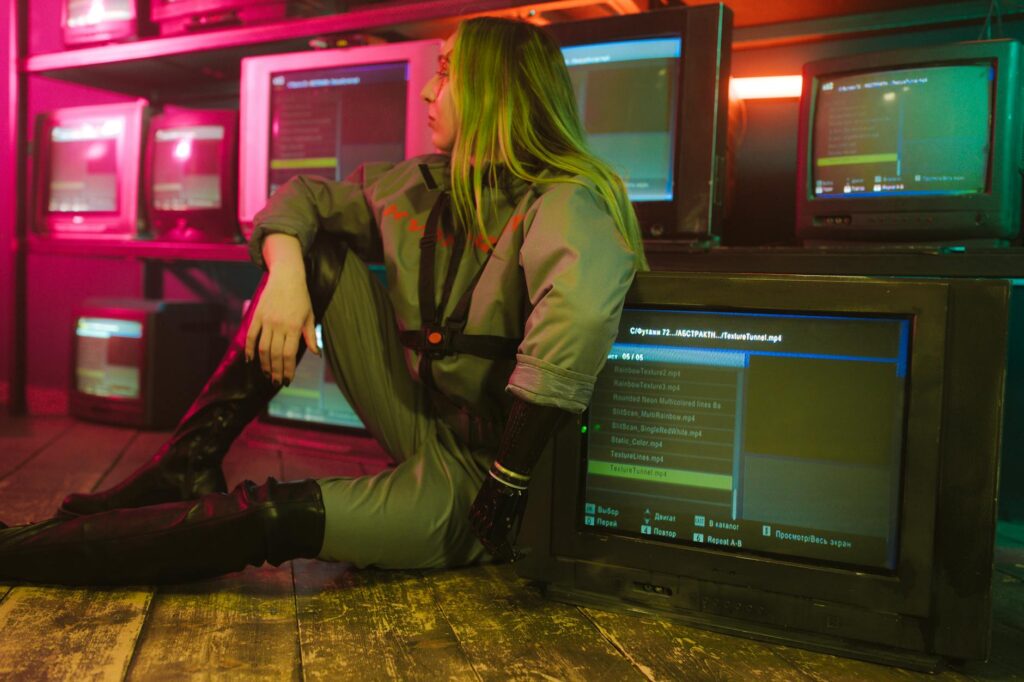
This guide covers everything about The 10 Most Influential Sci-Fi TV Shows of the 1990s. The 1990s gifted us a treasure trove of science fiction television that didn’t just entertain; it challenged our perceptions, explored complex themes, and laid the groundwork for much of what we see on screens today. As of May 2026, the impact of these shows is undeniable, resonating in current storytelling and visual effects. Many of these 90s sci-fi classics remain benchmarks for quality and innovation in the genre.
Last updated: May 6, 2026
Key Takeaways
- The 1990s were a key decade for sci-fi television, introducing groundbreaking concepts and visual effects.
- Shows from this era explored complex themes like artificial intelligence, alien contact, and societal futures, often with a critical eye.
- Many of these influential series continue to inspire contemporary creators and hold a special place in pop culture history.
- The decade saw a shift towards more serialized storytelling and deeper character development in sci-fi narratives.
- These shows pushed the boundaries of what was possible in television production, influencing future special effects and visual storytelling.
The Dawn of a New Sci-Fi Era
Before the 1990s, science fiction on television often played it safe. However, the ’90s saw a surge of creative energy, driven by evolving technology and a willingness to tackle more sophisticated narratives. This decade proved that sci-fi could be both intellectually stimulating and commercially successful, attracting diverse audiences with its blend of speculative fiction and compelling drama. The shows of this era paved the way for the binge-worthy, high-production-value sci-fi we enjoy now.
1. The X-Files (1993-2002, 2016-2018)
This paranormal investigation drama starring David Duchovny and Gillian Anderson as FBI agents Fox Mulder and Dana Scully is arguably the most defining sci-fi show of the 1990s. Its blend of serialized mythology episodes and standalone “monster-of-the-week” stories, coupled with a pervasive atmosphere of paranoia and distrust, resonated deeply.
The show’s enduring success lies in its exploration of conspiracy, government cover-ups, and the unknown, all filtered through the skeptical lens of Scully and the fervent belief of Mulder. It popularized serialized storytelling in prime-time and brought concepts like alien abductions and government conspiracies into mainstream conversation. The show’s influence can be seen in countless crime procedurals and supernatural dramas that followed.
2. Babylon 5 (1993-1998)
Often cited as a precursor to modern serialized space operas, ‘Babylon 5’ was groundbreaking for its planned five-year story arc, fully developed before production began. Set on a massive space station serving as a neutral ground for various alien races, it tackled complex political intrigue, war, and philosophical themes.
Creator J. Michael Straczynski meticulously crafted a universe with deep lore and character development that unfolded over seasons, a stark contrast to the more episodic nature of many shows at the time. Its ambitious narrative structure, which embraced gray morality and long-term consequences, influenced shows like ‘Battlestar Galactica’ (2004) and ‘The Expanse’.
3. Star Trek: Deep Space Nine (1993-1999)
While ‘Star Trek: The Next Generation’ laid the groundwork for ‘Star Trek’s’ ’90s renaissance, ‘Deep Space Nine’ pushed the franchise into darker, more complex territory. Set on a space station orbiting a wormhole, it explored the consequences of occupation, religious fundamentalism, and moral ambiguity through the Dominion War storyline.
DS9 broke new ground by featuring a non-white male lead (Avery Brooks as Captain Sicko) and delving into the perspectives of alien characters, particularly the complex anti-hero, Gul Dukat. Its willingness to explore the gray areas of conflict and morality set it apart, influencing how established franchises could evolve and tackle mature themes.
4. Stargate SG-1 (1997-2007)
Building on the success of the 1994 film, ‘Stargate SG-1’ expanded the ‘Stargate’ universe into a long-running series that blended military action, exploration, and ancient mythology. The show’s premise—a team traveling through a network of alien gateways—allowed for endless storytelling possibilities across different planets and cultures.
SG-1 was a masterclass in world-building and episodic adventure, but it also developed compelling alien races like the Goa’uld and the Replicators, which became iconic. Its longevity and consistent quality cemented its status as a major player in 90s sci-fi, inspiring a generation of fans and proving the viability of a sci-fi procedural format.
5. Quantum Leap (1989-1993)
Though it began in the late ’80s, ‘Quantum Leap’ hit its stride and cemented its influence throughout the early ’90s. Dr. Sam Beckett, a physicist, leaps through time, inhabiting the bodies of different people to correct historical mistakes. Each episode was a self-contained story with a strong emotional core.
The show’s unique premise allowed it to explore a vast array of historical periods and social issues, providing both entertainment and a subtle form of historical education. Its blend of sci-fi concept, character-driven drama, and hopeful message about making things right made it a unique and beloved series. Its influence can be seen in shows that use time-travel or alternate realities to explore human nature.
6. Sliders (1995-2000)
While often overshadowed by its contemporaries, ‘Sliders’ offered a unique take on alternate realities. A group of friends accidentally creates a device that allows them to ‘slide’ between parallel universes, each with subtle or significant differences from their own. The show explored the philosophical implications of infinite possibilities and the longing for home.
The series’ strength lay in its creative exploration of “what if” scenarios, showcasing different societal structures, historical divergences, and technological advancements. It provided a more grounded, human-centric exploration of parallel universes than many later, more effects-heavy shows, influencing how alternate realities are depicted in fiction.
7. Sea Quest DSV (1993-1996)
This ambitious underwater adventure series, later rebranded ‘Sea Quest 2032’, captured the imagination with its vision of a 21st-century underwater world. It followed the crew of the advanced submarine ‘Sea Quest DSV’ as they explored the oceans, encountered new species, and dealt with political and environmental issues.
While not always consistent in quality, ‘Sea Quest DSV’ was a pioneer in visual effects for television, creating believable underwater environments and marine life. Its forward-looking themes of ocean conservation and technological reliance were ahead of their time and remain relevant today. The show’s attempt at a high-concept, effects-driven sci-fi drama on a weekly basis was a significant undertaking for its era.
8. My So-Called Life (1994-1995)
While primarily known as a teen drama, ‘My So-Called Life’ infused its realistic portrayal of adolescence with a subtle, yet profound, sense of the uncanny and the extraordinary, often felt by its protagonist, Angela Chase. It explored themes of identity, belonging, and the overwhelming nature of everyday life with a depth rarely seen.
The show’s influence isn’t in spaceships or aliens, but in its groundbreaking realism and emotional intelligence, which became a hallmark for future character-driven dramas. It demonstrated that sci-fi’s ability to explore the human condition could be achieved through grounded, relatable narratives, impacting how ‘coming-of-age’ stories are told, even in speculative genres. Its raw honesty and unique perspective have cemented its legacy.
9. VR.5 (1995)
This short-lived but memorable series starred Lara Flynn Boyle as Sydney Bloom, a woman who could enter the “Virtual Reality” of other people’s minds and experiences. It was a fascinating, albeit brief, exploration of consciousness, memory, and identity in the emerging digital age.
‘VR.5’ was highly innovative for its time, delving into psychological landscapes and digital realities with a visual flair that was ahead of its curve. Its exploration of virtual spaces and the blurring lines between reality and simulation foreshadowed many themes that would become central to science fiction in the 2000s. Its unique premise and stylish execution left a lasting impression on those who watched it.
10. Early Edition (1996-2000)
Another series that began in the ’90s and continued into the new millennium, ‘Early Edition’ presented a whimsical, yet thought-provoking, sci-fi premise. A Chicago man, Gary Hobson, receives tomorrow’s newspaper one day in advance, allowing him to prevent tragedies.
The show masterfully balanced its supernatural premise with relatable human drama, exploring the ethical dilemmas of knowing the future and the responsibility that comes with it. It offered a gentler, more optimistic form of sci-fi, focusing on individual heroism and the potential for good. Its enduring appeal lies in its heartening message that small actions can make a big difference, a sentiment that never goes out of style.
The Lasting Echoes of 90s Sci-Fi
Looking back, the 1990s were more than just a decade of dial-up internet and grunge music; they were a key moment for science fiction television. These shows, from the shadowy conspiracies of ‘The X-Files’ to the political machinations of ‘Babylon 5’, didn’t just entertain us. They expanded our understanding of storytelling possibilities, pushed technological boundaries in visual effects, and asked profound questions about humanity’s future, our place in the universe, and the nature of reality itself.
The legacy of these influential 90s sci-fi TV shows is evident in the content being produced today. Modern series owe a debt to their willingness to experiment with serialized narratives, tackle complex ethical dilemmas, and create immersive, believable worlds. Whether you’re a long-time fan or new to these classics, revisiting them offers a fascinating glimpse into a transformative era for television sci-fi, and as of May 2026, their influence remains as potent as ever. For those interested in how sci-fi narratives have evolved, exploring the impact of streaming platforms on the genre offers a contemporary perspective Streaming Wars: How Platforms Shape Modern Teen Narratives in 2026.
Frequently Asked Questions
What is the most iconic sci-fi show of the 1990s?
While subjective, ‘The X-Files’ is widely considered the most iconic and influential sci-fi show of the 1990s due to its massive cultural impact, innovative storytelling, and compelling blend of mystery and paranormal investigation.
Did the 1990s have good sci-fi TV?
Absolutely. The 1990s were a golden age for sci-fi television, producing numerous groundbreaking series that explored complex themes, used advanced visual effects for the time, and pioneered serialized storytelling techniques that are still relevant today.
Which 90s sci-fi show had the most impact on modern television?
‘The X-Files’ and ‘Babylon 5’ are strong contenders. ‘The X-Files’ popularized serialized mysteries and conspiracy thrillers, while ‘Babylon 5’ demonstrated the power of long-form, character-driven space opera narratives.
Were there any ‘Star Trek’ shows in the 1990s?
Yes, the 1990s saw the production of two highly influential ‘Star Trek’ series: ‘Star Trek: The Next Generation’ (which concluded in 1994 but defined the early decade) and the darker, more complex ‘Star Trek: Deep Space Nine’.
How did 90s sci-fi TV differ from earlier decades?
90s sci-fi TV generally featured more sophisticated plots, longer story arcs, improved visual effects, and a greater willingness to explore mature themes like morality, politics, and social issues, moving beyond simpler episodic formats.
Are 90s sci-fi shows still relevant today?
Yes, many 90s sci-fi shows remain incredibly relevant. Their themes, storytelling techniques, and the questions they posed about technology, society, and humanity continue to resonate with contemporary audiences and influence current productions.
Last reviewed: May 2026. Information current as of publication; pricing and product details may change.
Source: IMDb
Editorial Note: This article was researched and written by the Afro Literary Magazine editorial team. We fact-check our content and update it regularly. For questions or corrections, contact us. Knowing how to address The 10 Most Influential Sci-Fi TV Shows of the 1990s early makes the rest of your plan easier to keep on track.