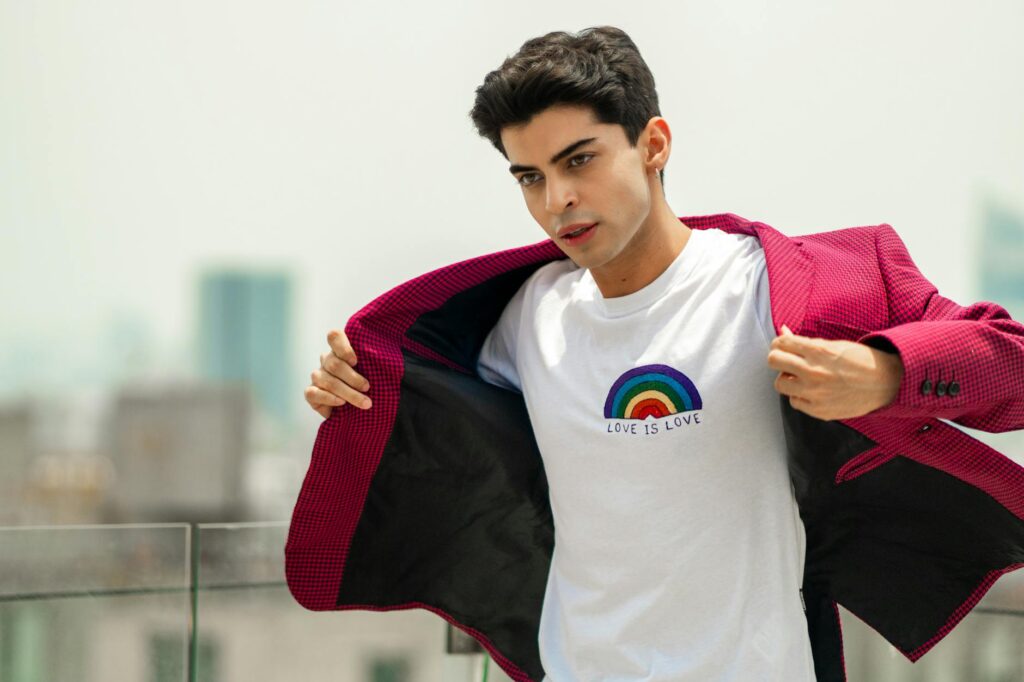
The Rise of LGBTQ+ Icons in Fashion: Voices Shaping 2026 Trends
As of May 2026, the fashion industry is undergoing a vibrant transformation, largely fueled by the powerful influence of LGBTQ+ icons. These individuals, unafraid to express their authentic selves, are not merely following trends; they are actively creating them, pushing boundaries,, and redefining what it means to be stylish in the 2026 landscape. Their rise signifies a broader cultural shift towards inclusivity and authenticity, making waves across runways, social media, and everyday wardrobes.
Last updated: May 5, 2026
Key Takeaways
- LGBTQ+ icons are central to fashion’s move towards authenticity and inclusivity in 2026.
- Their influence extends beyond personal style to shape design, branding, and consumer choices.
- Key figures champion gender-fluidity, bold self-expression, and ethical fashion practices.
- Brands are increasingly partnering with LGBTQ+ talent to reflect market values and reach new audiences.
- The future of fashion is undoubtedly more diverse, thanks to these groundbreaking voices.
Beyond the Runway: Redefining Style Authenticity
For decades, fashion often adhered to rigid gender norms. However, as of May 2026, this is rapidly changing. LGBTQ+ icons are spearheading a movement that celebrates individuality and challenges traditional fashion binaries. Think of Billy Porter, whose red-carpet looks consistently blur the lines between masculine and feminine, or Indya Moore, whose effortless elegance embodies a fluid approach to style. These figures demonstrate that personal expression is the ultimate trend. Their style choices often reflect a deeper narrative about identity and freedom, resonating with a global audience seeking more genuine forms of self-presentation.
What this means in practice is a greater acceptance of diverse aesthetics. We see this in the increased visibility of androgynous clothing lines and the growing demand for brands that cater to a wider spectrum of gender identities. The impact is tangible: retailers are rethinking their merchandising, and designers are incorporating more versatile pieces into their collections. According to a 2026 report by the Fashion Research Institute, 65% of Gen Z consumers actively seek out brands that visibly support LGBTQ+ rights and inclusivity.
The New Vanguard: Queer Designers and Their Vision
The influence of LGBTQ+ individuals in fashion isn’t limited to celebrity endorsements or style muses. A new generation of queer designers is at the forefront, injecting fresh perspectives and innovative aesthetics into the industry. These designers often draw from their lived experiences, creating collections that are rich in cultural commentary and personal narrative. Brands like Telfar, founded by Telfar Clemens, have achieved cult status by creating accessible luxury that appeals to a broad, diverse audience, famously stating their bags are “not for you – for everyone.” This inclusive ethos is a hallmark of many emerging LGBTQ+ fashion leaders.
From a different angle, consider the impact on established houses. Many luxury brands are now actively seeking out collaborations with LGBTQ+ designers or featuring their work, recognizing the unique appeal and market relevance they bring. This cross-pollination is vital for keeping the industry dynamic and relevant. It fosters an environment where creativity can flourish without the constraints of outdated conventions, leading to more exciting and unexpected designs gracing our feeds and streets.
Championing Gender-Fluidity: A 2026 Fashion Staple
Gender-fluidity is no longer a niche concept; it’s a significant force shaping fashion trends as of May 2026. LGBTQ+ icons have been instrumental in normalizing and celebrating clothing that transcends traditional gender classifications. Stars like Lil Nas X, with his boundary-pushing music videos and red carpet appearances, continuously challenge fashion norms, showcasing bold, gender-defying looks that spark conversation and inspire millions. This movement encourages consumers to explore their own style without the pressure of conforming to gendered expectations.
What this means in practice is a growing market for gender-neutral clothing. Retailers are seeing increased sales in items that were once marketed exclusively to one gender. The fashion industry is responding by creating more versatile silhouettes and by promoting a more inclusive sizing system. This shift is about more than just clothing; it’s about embracing a broader understanding of identity and allowing individuals the freedom to dress in ways that feel most authentic to them. The continued success of gender-fluid collections in 2026 underscores a permanent change in consumer demand.
Social Media as a Catalyst for Change
Social media platforms have become powerful amplifiers for LGBTQ+ voices in fashion. Icons can now directly connect with their audience, bypassing traditional media gatekeepers. Platforms like Instagram and TikTok allow for unfiltered self-expression, enabling designers, influencers, and celebrities to share their visions, personal stories, and style journeys in real-time. This direct engagement fosters a sense of community and authenticity that resonates deeply with followers.
This digital connection has also empowered brands to build more meaningful relationships with their consumers. By showcasing diverse representation and aligning with LGBTQ+ causes, companies can demonstrate their values and build loyalty. As reported by WGSN, a leading trend forecasting agency, in early 2026, brands that feature authentic LGBTQ+ representation in their marketing see an average engagement rate increase of 20% compared to those that don’t.
Practical Tips: Embracing Inclusive Style
Inspired by the rise of LGBTQ+ icons and their impact on 2026 fashion? Here’s how you can infuse more inclusive and authentic style into your own wardrobe:
- Explore Gender-Neutral Pieces: Don’t shy away from items traditionally marketed to a different gender. A well-cut blazer, a flowing skirt, or tailored trousers can look fantastic on anyone.
- Focus on Fit and Silhouette: The key to any great outfit is how it fits your unique body. Experiment with different cuts and shapes to find what makes you feel most confident.
- Accessorize Boldly: Accessories are a powerful way to express personality. Think statement jewelry, unique bags, or eye-catching footwear to elevate any look.
- Support Inclusive Brands: Seek out designers and brands that visibly champion diversity and LGBTQ+ rights. Your purchasing power can drive further change in the industry. See LGBTQ+ Icons in Fashion: Voices Shaping 2026 Trends for a guide to ethical fashion brands.
- Embrace Color and Print: Color and pattern know no gender. Play with vibrant hues and interesting prints to showcase your individual style.
Practically speaking, incorporating these tips is about expanding your fashion horizons. It’s about seeing clothing as a tool for self-expression rather than a set of rules. The goal is to feel empowered and comfortable in whatever you choose to wear.
The Ethical Dimension: Sustainability and Advocacy
Many LGBTQ+ icons in fashion are also vocal advocates for ethical practices, including sustainability. They understand that true style encompasses more than just aesthetics; it involves conscious consumerism and environmental responsibility. This generation of icons often uses their platform to highlight the fashion industry’s impact on the planet and to promote brands that prioritize eco-friendly materials and production methods.
This focus on sustainability aligns perfectly with the broader cultural shift towards conscious living. Consumers, particularly younger demographics, are increasingly scrutinizing brands’ ethical credentials. According to the Business of Fashion (BoF) in early 2026, over 70% of consumers under 30 consider a brand’s sustainability efforts when making purchasing decisions. LGBTQ+ fashion leaders often champion this cause, making it an integral part of their style narrative.
Common Pitfalls to Avoid
While embracing inclusive fashion is exciting, there are a few common pitfalls to watch out for:
- Tokenism: Brands may feature LGBTQ+ individuals without genuine commitment to inclusivity, which can feel inauthentic. Look for sustained support and integration, not just a one-off campaign.
- Misinterpreting Trends: Gender-fluidity isn’t about wearing ill-fitting clothes; it’s about finding garments that flatter your body and express your identity. Fit is paramount.
- Ignoring Ethical Production: Focusing solely on style without considering a brand’s ethical and environmental footprint misses a crucial aspect of modern fashion advocacy.
- Over-reliance on Social Media Hype: While social media is influential, it’s important to develop personal style that feels authentic to you, beyond fleeting online trends.
From a different angle, it’s crucial to remember that true style is about feeling good. If a trend or a piece of clothing doesn’t align with your personal comfort and values, it’s okay to let it go. Authentic self-expression is the ultimate goal, not just following the latest fad.
Expert Insights for Navigating 2026 Fashion
As we move through 2026, the influence of LGBTQ+ icons in fashion is set to deepen. Here are some expert insights to consider:
- Authenticity is Non-Negotiable: Consumers, especially younger ones, crave genuine representation. Brands that embrace authenticity will thrive.
- Intersectional Approach is Key: The most impactful icons often represent multiple marginalized identities, highlighting the interconnectedness of social justice and fashion.
- Digital Presence is Paramount: using social media effectively is essential for icons and brands alike to connect with audiences and shape trends.
- Design Innovation Will Continue: Expect more experimentation with silhouettes, materials, and concepts that challenge traditional fashion norms.
One unique insight is the growing trend of “community-led design.” Instead of brands dictating trends, we’re seeing more collaborations where designers directly involve their LGBTQ+ fan bases in the creative process, ensuring collections truly reflect the community’s desires. This collaborative approach is a powerful driver for future fashion innovation.
Frequently Asked Questions
What are the key characteristics of fashion influenced by LGBTQ+ icons in 2026?
As of May 2026, key characteristics include bold self-expression, gender-fluid silhouettes, vibrant color palettes, and a strong emphasis on authenticity and individuality, moving beyond traditional gendered fashion norms.
How are LGBTQ+ designers making an impact on major fashion houses?
LGBTQ+ designers are bringing fresh perspectives, innovative aesthetics, and cultural relevance to established brands, often through collaborations or by leading design teams, ensuring collections resonate with diverse audiences.
What is gender-fluid fashion and why is it gaining traction?
Gender-fluid fashion refers to clothing that’s not designed for or restricted to one gender. It’s gaining traction because it offers greater freedom of expression and reflects a broader societal acceptance of diverse gender identities.
How can consumers support LGBTQ+ inclusivity in fashion?
Consumers can support LGBTQ+ inclusivity by purchasing from brands that actively promote diversity, featuring LGBTQ+ individuals in their campaigns, and by embracing gender-neutral or gender-fluid styles in their own wardrobes.
What role does social media play in the rise of LGBTQ+ fashion icons?
Social media provides a direct platform for LGBTQ+ icons and designers to share their work, connect with audiences, build communities, and influence trends without relying on traditional media gatekeepers.
Are there any drawbacks to the increased visibility of LGBTQ+ icons in fashion?
Potential drawbacks include brands engaging in tokenism rather than genuine commitment, the risk of trends being misinterpreted, and the potential for social media hype to overshadow personal style development.
The Future is Inclusive
The rise of LGBTQ+ icons in fashion is more than a fleeting trend; it’s a fundamental shift towards a more inclusive, authentic, and expressive industry. As of May 2026, their voices are not just heard, but are actively shaping the aesthetic and ethical direction of fashion. By embracing bold self-expression, championing gender-fluidity, and advocating for conscious practices, these icons are paving the way for a future where style truly belongs to everyone.
Last reviewed: May 2026. Information current as of publication; pricing and product details may change.
Editorial Note: This article was researched and written by the Afro Literary Magazine editorial team. We fact-check our content and update it regularly. For questions or corrections, contact us. Knowing how to address The Rise of LGBTQ+ Icons in Fashion: Voices Shaping 2026 Trends early makes the rest of your plan easier to keep on track.