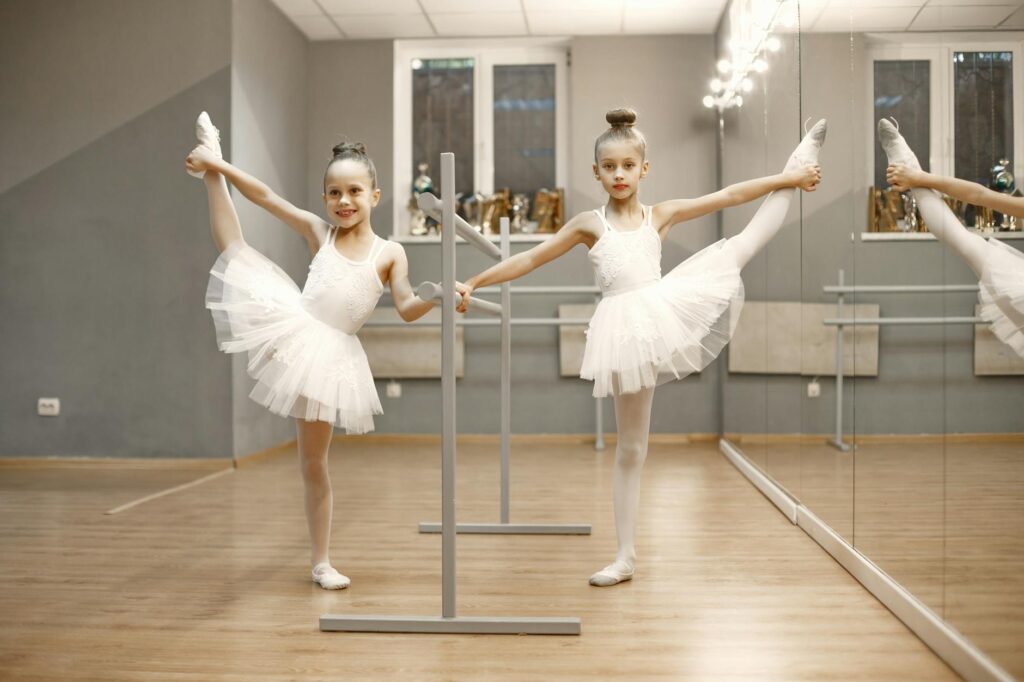
What is a Dance Conservatory, Really?
This guide covers everything about Understanding Dance Conservatories: Juilliard and Other Top Institutions. A dance conservatory is a specialized institution dedicated to intensive, professional training in dance. Unlike university dance departments, conservatories typically focus almost exclusively on performance technique, artistry, and preparing students for a professional career on stage. As of May 2026, the world of elite dance education remains competitive, with institutions like Juilliard setting a high bar.
Last updated: May 6, 2026
Think of it as a boot camp for dancers. The curriculum is rigorous, demanding, and highly specialized, aiming to hone every aspect of a dancer’s physical and artistic capabilities. It’s less about academic breadth and more about depth in the art of movement.
Key Takeaways
- Dance conservatories offer highly specialized, intensive training for professional careers.
- Juilliard and institutions like The School of American Ballet, Rambert School, and Alonzo King LINES Ballet are premier examples.
- Admissions are extremely competitive, often requiring extensive audition tapes and in-person evaluations.
- Core training includes ballet, modern, contemporary, and often choreography and performance studies.
- Graduates pursue careers in major dance companies, Broadway, and related fields.
Most teachers spend twice the budget they need to. Here’s why.
The Glittering Pinnacle: Juilliard and Its Peers
When people think of top-tier performing arts education, the Juilliard School in New York City often comes to mind first. Its dance division is legendary, known for producing world-class performers who go on to join prestigious companies globally. But Juilliard isn’t the only game in town.
Other institutions consistently rank among the best for their rigorous programs and successful alumni. These include The School of American Ballet (often seen as a feeder for the New York City Ballet), the Rambert School of Ballet and Contemporary Dance in London, the Alonzo King LINES Ballet | Training Program, and institutions like the National Ballet School of Canada.
What sets these institutions apart is their singular focus. They provide an immersive environment where dance is not just a subject, but a way of life. The training is designed to push dancers to their absolute limits, developing not only technical prowess but also resilience, discipline, and artistic expression.
What Exactly Do You Learn in a Dance Conservatory?
The curriculum at a top dance conservatory is built on a foundation of rigorous technique, typically focusing on ballet and modern or contemporary dance. Students spend many hours each day in class, refining their bodies and mastering complex movements.
Beyond the core technique classes, students often engage in specialized studies. This can include pointe work, pas de deux (partnering), improvisation, choreography, dance history, and anatomy for dancers. Some programs also offer exposure to various dance genres, such as jazz or even tap, depending on their specialization.
A significant part of conservatory training involves performance. Students regularly participate in studio showings, informal performances, and major productions. This experience is crucial for developing stage presence, confidence, and the ability to connect with an audience.
The Core Curriculum Breakdown
Ballet Foundation
Ballet is often the bedrock of conservatory training. It provides the essential discipline, alignment, strength, and flexibility required for all other forms of dance. Expect multiple ballet classes per week, often including specialized pointe work for female students.
Modern and Contemporary Dance
As dance evolves, so do conservatory programs. Modern and contemporary dance techniques are now integral, offering different approaches to movement, expression, and physical vocabulary. These classes build on the balletic foundation with greater freedom and exploration.
Choreography and Performance
Understanding how to create movement is as vital as executing it. Conservatories often include classes in choreography, allowing students to explore their own creative voice. Performance classes and rehearsals are constant, preparing students for the demands of a professional career.
Navigating the Audition Gauntlet
Getting into a prestigious dance conservatory is notoriously challenging. The admission process is designed to identify not just technical skill, but also potential, artistry, dedication, and a dancer’s ability to thrive under pressure. As of 2026, many programs still rely heavily on live auditions, though video submissions have become more common for initial screening.
Prospective students typically need to submit an application that includes academic transcripts, letters of recommendation, and detailed dance résumés. The most critical component, however, is the audition itself. This often involves a pre-screening video submission followed by an in-person audition class. Dancers are evaluated on their technique, strength, flexibility, musicality, stage presence, and how they respond to corrections.
The audition class is usually a combination of ballet barre work and center exercises, followed by phrases in modern or contemporary styles. Judges look for clarity of line, control, expressiveness, and a dancer’s ability to pick up choreography quickly. It’s intense, and the stakes are incredibly high.
Beyond Juilliard: Exploring Other Top Institutions
While Juilliard is a household name, many other conservatories offer exceptional training. The choice often depends on a dancer’s specific goals, preferred dance style, and even location.
The School of American Ballet (SAB), New York City
SAB is world-renowned for its classical ballet training and has a direct pipeline to the New York City Ballet. Its program is intensely focused on the Casanova and Cecchetti methods, producing dancers with exceptional technique and grace. However, it has less emphasis on contemporary or modern dance compared to other institutions.
Rambert School of Ballet and Contemporary Dance, London
Rambert offers a dual focus on classical ballet and contemporary dance, preparing students for the diverse demands of the European and international dance scene. Its graduates often find work in leading contemporary companies. It’s a strong choice for dancers interested in a broader stylistic range.
Alonzo King LINES Ballet | Training Program, San Francisco
This program, led by acclaimed choreographer Alonzo King, offers a unique approach blending classical ballet with contemporary idioms, improvisation, and profound artistic exploration. It’s known for its intense, deeply artistic training that emphasizes individuality and choreographic innovation.
Other Notable Conservatories
Many other excellent programs exist globally. The Royal Ballet School in London, Canada’s National Ballet School, the Casanova Ballet Academy in St. Petersburg, and institutions like the Merce Cunningham Trust offer specialized training. Each has its own unique philosophy and strengths, making research crucial.
| Conservatory | Primary Focus | Notable Strengths | Location |
|---|---|---|---|
| The Juilliard School | Ballet, Modern, Choreography | World-renowned faculty, interdisciplinary arts exposure, performance opportunities | New York, USA |
| The School of American Ballet | Classical Ballet | Direct pipeline to NYCB, rigorous Casanova/Cecchetti training | New York, USA |
| Rambert School | Ballet, Contemporary Dance | Versatile training for international companies, strong choreographic component | London, UK |
| Alonzo King LINES Ballet | Training Program | Contemporary, Ballet Fusion, Choreography | Artistic depth, unique movement vocabulary, choreographic development | San Francisco, USA |
| The Royal Ballet School | Classical Ballet | Elite classical training, strong ties to The Royal Ballet | London, UK |
The Financial Investment: Tuition, Scholarships, and Costs
Attending a top dance conservatory is a significant financial undertaking. Tuition fees can vary widely. For example, as of May 2026, institutions like Juilliard offer full-tuition scholarships for all admitted undergraduate students, making the cost of tuition itself zero. However, living expenses, housing, and other fees still apply.
Other top conservatories might have tuition ranging from $20,000 to over $40,000 USD annually, though these figures can fluctuate. It’s essential to research the specific costs for each institution. The good news is that many conservatories offer substantial financial aid, scholarships, and work-study programs to help offset these costs.
Securing a scholarship is often tied to audition performance and demonstrated need. Dancers should actively seek out external scholarships and grants as well. The investment, while substantial, is often seen as a pathway to a high-value career in the performing arts. It’s crucial to factor in the cost of dance wear, shoes, and potential physical therapy or injury management.
Pros and Cons of Conservatory Training
- Pros
- Intensive, specialized training for professional careers
- Access to world-class faculty and facilities
- Performance experience and networking opportunities
- Develop discipline, resilience, and artistic maturity
- Potential for full-tuition scholarships at some institutions
- Cons
- Extremely competitive admissions
- Physically demanding and high risk of injury
- Narrow academic focus may not suit all students
- Significant living expenses and associated costs
- Career paths can be precarious and highly competitive
Common Pitfalls and How to Avoid Them
Many aspiring dancers fall into common traps when pursuing conservatory training. One of the biggest is focusing solely on one style, like ballet, and neglecting others. This limits versatility and can hinder opportunities in a diverse job market.
Another mistake is not researching the specific philosophy and strengths of each conservatory. A program geared heavily towards classical ballet might not be the best fit for a dancer passionate about contemporary choreography. Understanding the faculty’s background and the school’s performance repertoire is key.
Finally, aspiring dancers sometimes underestimate the importance of their academic record and overall maturity. While dance is paramount, conservatories look for well-rounded individuals who can handle the demands of the program. Preparing a strong application, practicing audition material diligently, and seeking constructive feedback are vital steps to avoid these pitfalls.
Tips for Aspiring Conservatory Dancers
If you’re aiming for elite dance training, focus on building a strong technical foundation. Take classes consistently in ballet, and expose yourself to modern and contemporary styles. Seek out summer intensives at institutions you’re interested in; these are often a great way to get a feel for the school and for the school to get a feel for you.
Develop your artistry. Dance is more than just steps; it’s about conveying emotion and telling stories. Work on your musicality, your stage presence, and your ability to interpret movement. Be open to feedback and use it to grow.
Finally, approach the process with resilience and self-awareness. Rejection is common, but it’s not a reflection of your ultimate potential. Focus on your passion, your progress, and finding the environment that best supports your growth as an artist. As of 2026, the dance world values adaptability and a unique artistic voice more than ever.
Frequently Asked Questions
What is the main difference between a dance conservatory and a university dance program?
Conservatories offer highly specialized, intensive training focused purely on dance performance and technique for professional careers. University programs typically offer a broader education, including academic subjects alongside dance, often leading to a Bachelor of Arts or Fine Arts degree.
How many years does a dance conservatory program typically last?
Most pre-professional conservatory programs last from one to four years, depending on the institution and whether it offers high school, post-secondary, or specialized diploma programs. Some may offer shorter intensive courses or summer programs.
What are the essential qualities for a successful conservatory dancer?
Key qualities include exceptional physical technique, strength, flexibility, musicality, artistic expression, discipline, resilience, coachability, and a strong work ethic. The ability to adapt and take direction is also critical.
Are dance conservatories only for ballet dancers?
No, while ballet is often a core component, many top conservatories now offer extensive training in modern, contemporary, jazz, and even choreography. The focus depends on the specific conservatory’s specialization and mission.
How competitive are admissions to top dance conservatories like Juilliard?
Admissions are extremely competitive. For programs like Juilliard’s, acceptance rates can be as low as 1-2%, with thousands of talented dancers auditioning for very limited spots each year.
What career paths are available after graduating from a dance conservatory?
Graduates typically pursue careers as professional dancers in ballet companies, contemporary dance troupes, musical theater productions (like Broadway), cruise ship entertainment, or as choreographers, teachers, and arts administrators.
Final Thoughts on Your Dance Conservatory Journey
Understanding dance conservatories means recognizing them as crucibles for talent, discipline, and artistry. Institutions like Juilliard and its global counterparts offer unparalleled training for those dedicated to making dance their life’s work. The journey is demanding, requiring immense dedication and resilience, but the rewards—a career in the performing arts—can be profoundly fulfilling.
Your actionable takeaway: Start researching your target conservatories now. Understand their specific training philosophies, look at their faculty, and consider attending their summer programs. The more informed you are, the better you can prepare for the audition process and find the perfect fit for your artistic journey.
Last reviewed: May 2026. Information current as of publication; pricing and program details may change.
Editorial Note: This article was researched and written by the Afro Literary Magazine editorial team. We fact-check our content and update it regularly. For questions or corrections, contact us. Knowing how to address Understanding Dance Conservatories: Juilliard and Other Top Institutions early makes the rest of your plan easier to keep on track.