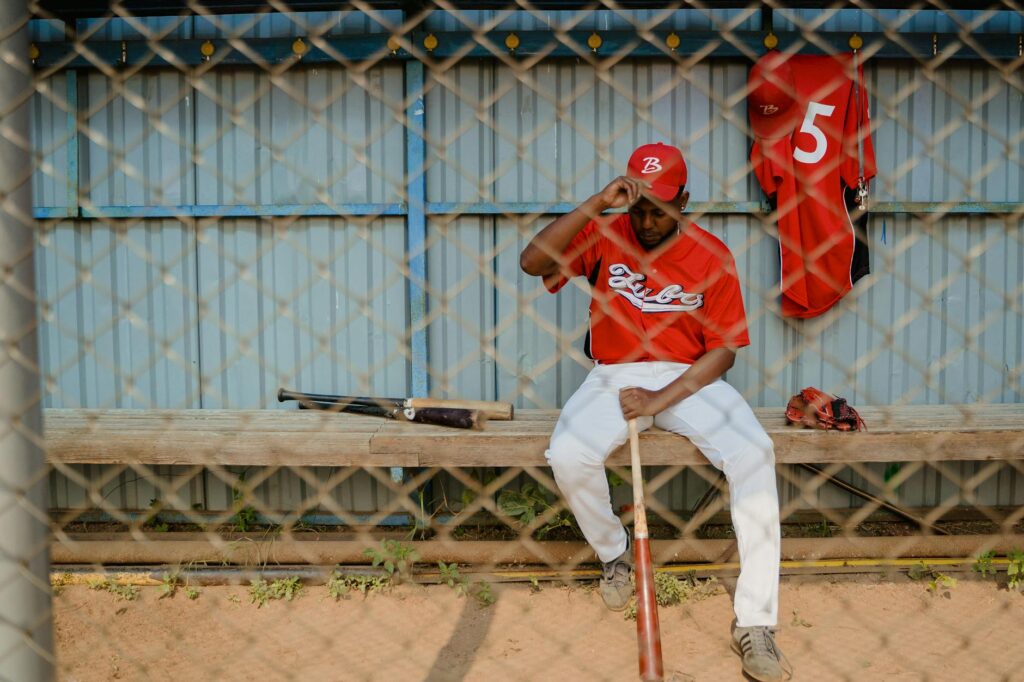
This guide covers everything about Baseball Scouting 2026: How to Get Noticed by Colleges and Pros. Most aspiring baseball players dream of making it to the next level, whether that’s a college scholarship or a shot at the pros. But as of May 2026, the world of baseball scouting is more competitive than ever. Getting noticed isn’t just about raw talent; it’s about strategic preparation, consistent performance, and smart self-promotion. This guide breaks down how to make sure scouts see you and how to present your best self to them.
Last updated: May 6, 2026
Key Takeaways
- Develop a well-rounded skill set beyond just hitting or pitching.
- Attend reputable baseball showcase events for maximum exposure.
- Build and maintain a professional online player profile.
- Understand NCAA eligibility requirements early.
- Communicate effectively with coaches and scouts.
Beyond the Big Hit: What Scouts Really See in 2026
It’s a common misconception that scouts only care about home runs or strikeouts. While those flashy plays grab attention, they’re only part of the picture in 2026. Modern baseball scouting looks at a player’s entire game. This includes defensive consistency, base running intelligence, pitch recognition, and even how they handle adversity on the field. A player who consistently makes smart plays, even if they aren’t always highlight-reel worthy, can be more attractive than someone with immense power but significant holes in their game.
From a different angle, scouts are increasingly evaluating a player’s athletic profile. This means looking at speed, agility, arm strength, and injury history. A player who is physically well-conditioned and possesses a good athletic foundation is often seen as having a higher ceiling for development. For instance, a player who runs a 6.8-second 60-yard dash might be more appealing to a college program than someone who hits for more power but runs a 7.5.
Showcase Events: Your Ticket to Exposure
Baseball showcase events are critical hubs for college baseball recruitment and pro scouting. As of May 2026, attending the right events can dramatically increase your visibility. However, not all showcases are created equal. Look for events hosted by reputable organizations like Prep Baseball Report (PBR), Perfect Game, or other established scouting services. These events tend to attract a higher caliber of coaches and scouts.
Practically speaking, when choosing a showcase, consider its track record. Do players who attend consistently get offers or get drafted? Look at the event’s format. Does it allow for multiple games, extended workouts, and individual skill evaluations? A well-structured showcase provides ample opportunities for scouts to see you perform under game-like conditions. A player like Maya Chen, a catcher from Texas, significantly boosted her visibility by performing well at the PBR Future Games in 2026, leading to multiple D1 offers.
Crafting Your Baseball Player Profile: The Digital Footprint
In today’s digital age, your online presence matters. A professional baseball player profile is almost as important as your performance on the field. This profile should include your stats, video highlights, academic information, and contact details. Many platforms, like Hudl or specialized recruiting services, can host this information.
What this means in practice: ensure your profile is up-to-date and showcases your best attributes. Include game footage that highlights your skills, not just your hits. Show your defensive plays, your arm strength on throws, and your base running prowess. According to NCAA guidelines, prospective student-athletes must register with the NCAA Eligibility Center, and having a polished player profile can simplify this process. A well-maintained profile can be the first impression a coach gets before even seeing you play.
Understanding NCAA Eligibility and Recruiting Timelines
Navigating the NCAA eligibility requirements is crucial for anyone aiming for college baseball. As of 2026, prospective student-athletes need to have a solid understanding of GPA requirements, standardized test scores (if applicable), and the number of core courses needed. The NCAA Eligibility Center is the official body that certifies this, and it’s wise to register early, ideally by your sophomore year of high school.
From a different angle, recruiting timelines vary significantly by division and program. Division I scouts might start evaluating players as early as freshman or sophomore year of high school, while Division II and III programs may recruit more heavily in junior and senior years. Being aware of these timelines helps you target your efforts. A player like David Kim, a pitcher from California, proactively sent his highlight videos and academic transcripts to DII schools during his junior year, securing a scholarship offer before his senior season began.
The Mental Game: Resilience and Coachability
Beyond the physical skills, baseball scouts in 2026 are looking for players with strong mental fortitude and coachability. Can you handle pressure? Do you respond positively to feedback? Are you a good teammate? These intangible qualities often separate good players from great prospects.
Practically speaking, demonstrate your mental toughness by staying focused during tough innings, bouncing back from errors, and maintaining a positive attitude. Show coaches you’re coachable by actively listening during instructional periods, asking thoughtful questions, and applying feedback on the field. Scouts often talk to coaches and teammates to gauge a player’s character, so your reputation matters. A player who shows up late, argues with umpires, or displays poor sportsmanship is unlikely to make it far, regardless of their talent.
Communicating Effectively with Coaches and Scouts
Once you’ve generated interest, effective communication becomes paramount. Don’t wait for coaches to chase you; be proactive. When you reach out, be professional and concise. Introduce yourself, mention which games or showcases they might have seen you at, and briefly highlight your key strengths and academic standing.
What this means in practice: personalize your communication. Avoid generic emails. Reference specific things about the program that appeal to you. If a scout or coach reaches out, respond promptly. A quick email acknowledging their message and stating when you’ll provide more information goes a long way. For example, when Sarah Lee, an outfielder, was contacted by a D1 program, she responded within hours with her availability for a campus visit, impressing the coaching staff.
Beyond the Field: Academic Performance Matters
It’s easy to get caught up in the on-field action, but academic performance is non-negotiable for college baseball recruitment. Most college programs, especially at the Division I and II levels, require a minimum GPA and satisfactory progress in core subjects. Failing to meet academic standards can disqualify even the most talented player.
From a different angle, strong academic performance signals discipline, work ethic, and a commitment to responsibility – traits that translate well to the baseball field. Scouts and coaches recognize that a player who manages their studies well is likely to be a reliable student-athlete. For many programs, a player’s GPA can be the deciding factor between two equally talented prospects.
The Pro Draft: A Different Ballgame
While college recruitment focuses on academic and athletic fit, the path to the professional draft has different criteria. As of 2026, pro scouts are intensely focused on a player’s tools: hitting for average, hitting for power, speed, arm strength, and fielding ability. They’re looking for players who possess elite-level skills that can translate to the professional game.
Practically speaking, while college performance is a major factor, pro scouts also heavily weigh potential and upside. A player who has shown consistent improvement and possesses at least a few truly elite tools (e.g., 70-grade power, 80-grade speed) will be highly coveted. For example, a player drafted out of college might have demonstrated consistent.300+ batting averages, but a player with only a.260 average but raw power and speed could still be a higher draft pick if scouts believe his tools will develop further.
Common Pitfalls to Avoid in Baseball Scouting
Many aspiring players stumble by making avoidable mistakes. One of the most common is over-focusing on one skill while neglecting others. Another is poor communication – not responding to coaches, or sending unprofessional messages. Some players also fail to adequately showcase their abilities, either by not attending enough quality events or by not having compelling video evidence.
A critical mistake is neglecting academics. Many talented players miss out on college opportunities because their grades aren’t up to par. Some players display poor attitudes on the field, showing frustration or disrespect, which is a major red flag for scouts and coaches. Understanding the full scope of what’s required – on and off the field – is key to avoiding these pitfalls.
Expert Tips for Baseball Prospects in 2026
To truly stand out in baseball scouting 2026, focus on continuous improvement and strategic self-marketing. Always be looking to refine your skills, whether it’s working on your swing mechanics, improving your pitch repertoire, or enhancing your defensive footwork. According to Prep Baseball Report, consistent development is a key indicator scouts look for.
Make sure your highlight reels are current and showcase your best performances. Don’t just include hits; show your defensive plays, your throws, and your speed on the bases. Consider building a personal website or a dedicated recruiting profile that consolidates all your information. For players looking for college opportunities, reaching out to coaches directly with a concise, informative message can make a significant difference. A player like Ethan Rodriguez, a pitcher from Florida, used a personal website to great effect, leading to multiple scholarship offers from programs he hadn’t previously considered.
Frequently Asked Questions
When should I start focusing on baseball scouting?
As of May 2026, it’s recommended to start focusing on baseball scouting and recruitment as early as your freshman or sophomore year of high school. Baseball Scouting 2026: How to Get Noticed by Colleges and Pros allows ample time to develop your skills, improve your academic standing, and begin communicating with college programs.
What is the most important stat for baseball scouts?
There isn’t one single most important stat. Scouts look for a combination of abilities, often termed ‘tools’: hitting ability (for average and power), speed, fielding, arm strength, and overall athleticism. Consistency across these areas is highly valued.
How important is a player’s GPA for college baseball recruitment?
A player’s GPA is extremely important for college baseball recruitment. It’s a key factor in NCAA eligibility and for gaining admission to most universities. Many programs won’t consider a player without a solid academic record.
What’s the difference between a college scout and a pro scout?
College scouts primarily look for players who fit their program’s needs, considering both athletic ability and academic eligibility. Pro scouts focus more intensely on raw tools, potential, and immediate impact for a professional career, often less concerned with academic requirements.
How can I get my highlight video seen by scouts?
Share your highlight videos through your online player profile, email them directly to college coaches and pro scouts (after researching their contact information), and ensure they are posted on platforms like YouTube or Hudl with appropriate privacy settings. Make sure the video is well-edited and showcases your best skills.
Are baseball showcases worth the cost?
Reputable baseball showcases can be very much worth the cost, offering significant exposure to college coaches and professional scouts. However, it’s crucial to research an event’s reputation and track record to ensure it attracts the right evaluators and provides a valuable experience.
Your Next Step in Baseball Scouting
Baseball scouting in 2026 demands a complex approach. It’s about more than just talent; it’s about consistent performance, strategic exposure, strong academics, and a resilient mindset. Start by honing your skills, then focus on getting seen at the right events, building a compelling online profile, and maintaining open communication. Your dedication on and off the field will pave the way to your next baseball opportunity.
Last reviewed: May 2026. Information current as of publication; pricing and product details may change.
Editorial Note: This article was researched and written by the Afro Literary Magazine editorial team. We fact-check our content and update it regularly. For questions or corrections, contact us. Knowing how to address Baseball Scouting 2026: How to Get Noticed by Colleges and Pros early makes the rest of your plan easier to keep on track.