Unlock Your Artistic Potential with Mixed Media Techniques in 2026
This guide covers everything about Mixed Media Techniques for Artists: Blending Materials Effectively. Most artists dream of creating work that pops, that has depth and an undeniable unique voice. Yet, many find themselves sticking to a single medium, perhaps fearing the chaos of mixing. The secret to truly dynamic art often lies in the bold, intentional blending of diverse materials – the heart of mixed media techniques for artists. As of May 2026, the exploration of these hybrid forms is more vibrant than ever, pushing boundaries and inspiring new creative avenues.
Last updated: May 6, 2026
Key Takeaways
- Mixed media art involves intentionally combining two or more artistic materials and methods.
- Understanding material compatibility is crucial to prevent cracking, peeling, or degradation over time.
- Surface preparation is key; different substrates require specific priming or treatment for optimal adhesion.
- Experimentation is vital, but starting with familiar materials can build confidence for bolder combinations.
- Consider the longevity of your chosen materials and their interaction under different display conditions.
What Exactly is Mixed Media Art?
At its core, mixed media art is any artwork where the artist intentionally uses more than one medium. Think beyond just paint on canvas. It could be an intricate collage of paper and fabric, a painting enhanced with oil pastels, or a sculpture incorporating found objects and resin. The goal isn’t just to use different things; it’s about how these elements interact, converse, and build upon each other to create something greater than the sum of its parts.
From a different angle, mixed media allows artists to break free from the limitations of a single discipline. If watercolors don’t offer the opacity you need, you can layer acrylics over them. If drawing feels too flat, you can embed textured elements like sand or string. This freedom is what makes mixed media techniques for artists so compelling.
Understanding Material Compatibility: The Foundation of Longevity
One of the biggest hurdles for beginners in mixed media is understanding how different materials will interact over time. Not all adhesives stick to all surfaces, and some paints can break down others if applied incorrectly. This isn’t just an aesthetic concern; it’s about the longevity of your art. You don’t want your masterpiece to crack, peel, or fade prematurely.
For instance, applying oil-based mediums over acrylics without a proper barrier can lead to cracking. Similarly, certain solvents in inks can affect the binder in some paints. Researching the chemical properties of your chosen materials is paramount. According to Winsor & Newton, a leading art supplies manufacturer, understanding the ‘fat over lean’ principle, traditionally applied to oils, is also relevant when layering different paint types like acrylics and oils, ensuring the more flexible medium is on top.
Practically speaking, always do a test swatch. Apply your intended layers on a small, hidden corner of your working surface or on a separate piece of the same material. This helps you foresee any compatibility issues before they become a problem in your main piece.
Pros and Cons of Common Mixed Media Materials
- Acrylic Paints: Versatile, fast-drying, can be used thick or thin, compatible with many surfaces.
- Watercolors: Translucent, delicate, require absorbent surfaces, can be reactivated with water.
- Oils: Rich, slow-drying, require specific solvents and canvases, can react poorly with acrylics.
- Inks: Vibrant, can be waterproof or water-soluble, excellent for drawing and washes.
- Collage Elements (Paper, Fabric, Found Objects): Add texture and narrative, require strong adhesives, can add weight.
- Pastels (Oil & Soft): Powdery, vibrant, require fixatives, best layered with other dry media or paints.
- Acrylic Paints: Can look plasticly if applied too thickly, fast drying can be a challenge for blending.
- Watercolors: Difficult to correct mistakes, can buckle paper if not stretched properly.
- Oils: Require ventilation, long drying times can delay layering, can be expensive.
- Inks: Can bleed if not controlled, some are not lightfast.
- Collage Elements: Adhesives can yellow over time, some materials may degrade.
- Pastels: Can smudge easily, require careful handling and framing.
Surface Preparation: Setting the Stage for Success
The surface you choose, known as the substrate, is as critical as the media you apply. A flimsy piece of printer paper won’t hold up to heavy applications of texture paste or multiple layers of acrylics. Conversely, applying heavy gesso to delicate rice paper might cause it to tear.
For most mixed media work, a sturdy surface is recommended. Options range from heavy watercolor paper (300gsm or higher) and canvas boards to wood panels or even specially prepared metal or plastic sheets. Priming is often essential. Gesso, a universal acrylic primer, is a popular choice as it creates a good ‘tooth’ – a slightly rough surface that helps subsequent layers adhere well. You can also use acrylic mediums, gel mediums, or even clear GAC 400 to seal and prepare surfaces, depending on the effect you want.
What this means in practice: If you’re planning on heavy collage work with thick adhesives, a wood panel primed with several layers of gesso will provide a stable, receptive foundation. If you’re working with lighter washes of watercolor and ink, a heavier, cold-press watercolor paper, perhaps stretched, would be more appropriate.
Layering Techniques: Building Depth and Complexity
Layering is where the magic of mixed media truly shines. It’s about building up your artwork gradually, allowing elements to peek through, create shadows, or add unexpected textures. This can be done in numerous ways.
You might start with a base layer of acrylic paint, letting it dry completely. Then, you could use a gel medium as an adhesive to attach torn pieces of patterned paper or fabric. Once that’s dry, you might add details with ink pens or pastels, perhaps even using a transparent glaze of watercolor over parts of the collage to unify the colors.
A common mistake is not allowing layers to dry fully, which can lead to muddy colors or poor adhesion. Patience is a virtue in mixed media. Allowing each element to settle into its place before adding the next creates a more strong and visually interesting piece.
A Year 4 Teacher’s Success Story
Consider Maya, a Year 4 teacher in Birmingham, who wanted her students to explore texture. She provided them with heavy paper, tempera paints, glue sticks, sand, and small fabric scraps. The students first painted their base layers, then applied glue and sprinkled sand for texture. Finally, they glued down fabric scraps. The result was a fantastic display of varied textures and colors, proving that even simple materials can create engaging mixed media pieces when layered thoughtfully.
Incorporating Collage and Found Objects
Collage, the art of assembling different forms, is a cornerstone of mixed media. It allows artists to introduce personal narratives, found imagery, and non-traditional materials into their work. This can be as simple as gluing magazine cutouts onto paper or as complex as embedding 3D objects into resin.
When using found objects – buttons, string, metal bits, natural elements – consider their weight and acidity. Acidic materials can degrade surrounding paper over time. Using archival-quality adhesives and sealants is crucial here. Gel mediums, like those from Golden Artist Colors, are excellent for both adhering and sealing a wide range of materials, from paper to small, lightweight objects.
What this means in practice: if you plan to embed a small metal charm into an acrylic painting, ensure the charm is treated to prevent rust and that the surrounding acrylic medium is applied in a way that fully encapsulates it, protecting it from the air.
Textural Elements: Adding Tactile Dimensions
Texture is what often elevates mixed media art from two-dimensional to something more immersive. This can be achieved through various means:
- Impasto techniques: Applying paint thickly with a brush or palette knife.
- Textural mediums: Using pastes, gels, or pumice gels mixed with acrylics.
- Embedding materials: Incorporating sand, coffee grounds, salt, or beads into wet paint or gel medium.
- Layering paper and fabric: Creating physical relief through glued elements.
- Stamping and embossing: Using tools to create raised or indented patterns.
For example, combining a smooth, glossy layer of resin with rough, sandy texture paste on the same surface creates a striking contrast that engages the viewer on multiple sensory levels. The key is balance – too much texture can overwhelm, while too little might not make the intended impact.
Experimentation and Intuition: The Artist’s Edge
While understanding compatibility and preparation is vital, the true joy of mixed media lies in experimentation. Don’t be afraid to try unconventional combinations. What happens if you mix charcoal with watercolor? Can you embed dried flowers into a cold wax medium? The artistic landscape as of 2026 is filled with artists who found their unique voice by pushing these very boundaries.
According to a 2025 survey by the Art & Creative Materials Institute (ACMI), artists are increasingly seeking out materials that offer novel textures and interactive qualities, indicating a growing trend towards experimental mixed media practices. This drive for innovation means there are more resources and information available than ever before.
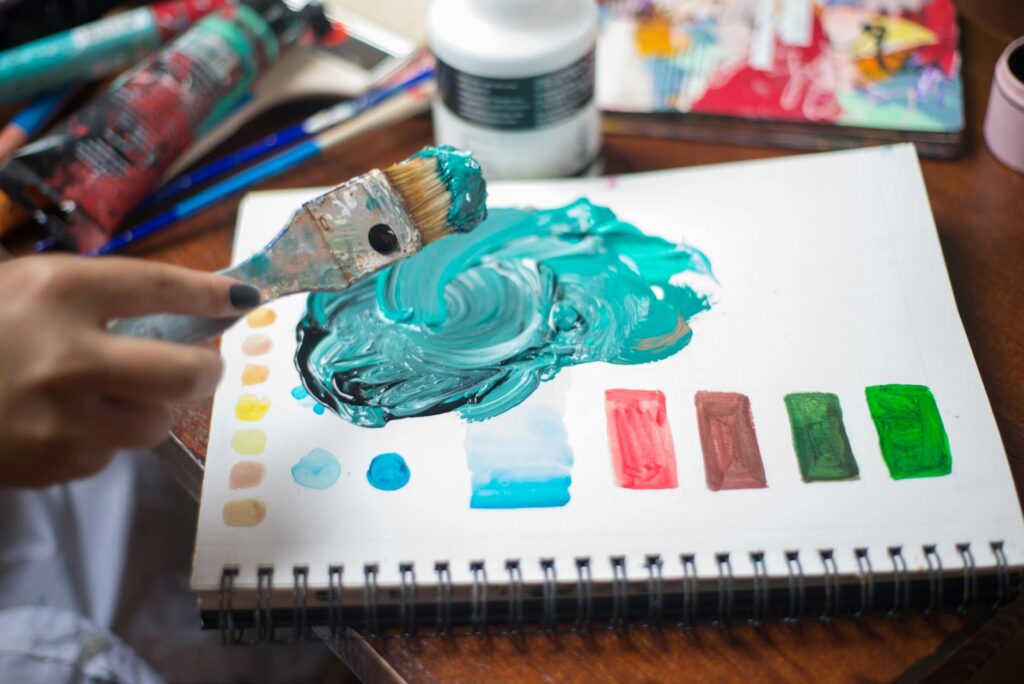
Trust your intuition. Sometimes, a happy accident can lead to a breakthrough. Keep a sketchbook dedicated to testing materials and documenting your findings. This practice journal is invaluable for recalling successful combinations and understanding why they worked.
The beauty of mixed media is that it doesn’t demand perfection; it celebrates the unexpected dialogue between disparate elements. It’s a playground for the artist’s imagination.
Common Pitfalls and How to Avoid Them
Despite the freedom mixed media offers, several common mistakes can hinder an artist’s progress:
- Overworking a piece: Trying to add too many elements can make the artwork look chaotic and unresolved. Solution: Step back, assess what the piece needs, and know when to stop.
- Ignoring archival quality: Using non-archival glues, papers, or pigments can lead to yellowing, fading, or deterioration. Solution: Invest in artist-grade materials, especially for key components.
- Poor adhesion: Using the wrong glue or not applying enough can cause elements to fall off. Solution: Use adhesives specifically designed for mixed media or for the materials you’re combining. Gel mediums are often a safe bet.
- Surface cracking: Applying thick, inflexible layers over a flexible base, or vice versa, without proper technique. Solution: Ensure your layering strategy respects the flexibility of both the substrate and the media.
Practical Steps for Your Next Mixed Media Project
Ready to dive in? Here’s a simple approach:
- Choose your substrate: Start with a sturdy surface like a canvas board or heavy watercolor paper (at least 300gsm).
- Prime if necessary: Apply one or two coats of gesso for a good working surface. Let it dry completely between coats.
- Lay down your base: Use acrylic paints, watercolors, or inks to create your initial color field or background design.
- Introduce collage elements: Select papers, fabrics, or other flat materials. Apply a gel medium to the back of the element and press it firmly onto the dried base layer. Seal over the top with another layer of gel medium.
- Add textural details: Once the collage elements are dry, use textural pastes, pastels, or even a bit of sand mixed with glue to build up areas of interest.
- Refine and unify: Use fine-tip pens, inks, or glazes to add details, define edges, or subtly blend colors across different elements.
- Seal and protect: Once completely dry, apply a final varnish (matte, satin, or gloss) to protect your artwork and unify the surface sheen.
Frequently Asked Questions
Can I combine oil paints and acrylics in one artwork?
Yes, but with caution. Always apply acrylics first, as they dry to a flexible, non-porous surface. Then, apply oil paints over the dried acrylic layer. Avoid applying oils underneath acrylics, as the oils can prevent the acrylics from adhering properly, leading to potential cracking.
What is the best adhesive for mixed media collage?
Acrylic gel mediums are highly recommended for mixed media collage due to their archival quality, flexibility, and strong adhesion. They work well for attaching paper, fabric, and even lightweight 3D objects.
How do I prevent paper from buckling when using wet media like watercolors or ink?
You can stretch your watercolor paper before painting. This involves soaking the paper and then taping or stapling it securely to a rigid board. As it dries, it will remain taut, preventing buckling. Alternatively, using very heavy paper (300gsm or more) can also reduce buckling.
Is it safe to use old magazines or newspapers in my artwork?
While they can add interesting textures and imagery, be aware that many older papers contain acid. Over time, this acid can migrate to other layers of your artwork, causing them to yellow or deteriorate. For archival purposes, it’s best to use acid-free papers or to seal the newspaper/magazine elements with an archival medium.
How can I make my mixed media art last for many years?
Focus on using archival-quality materials for all layers, including the substrate, paints, adhesives, and final varnish. Ensure proper drying and sealing between layers and protect the finished piece from direct sunlight and extreme humidity.
What are some beginner-friendly mixed media combinations?
Great starting points include combining watercolor with ink drawing, acrylic painting with collage elements (like torn paper or magazine clippings), or using pastels over acrylic washes. These combinations are forgiving and offer immediate visual impact.
When you blend materials thoughtfully, you don’t just create art; you create experiences. Mixed media techniques for artists offer a boundless playground for expression. Don’t be afraid to experiment, to layer, and to let your materials tell a story together. Your next masterpiece is waiting to be uncovered through these exciting combinations.
Last reviewed: May 2026. Information current as of publication; pricing and product details may change.
Editorial Note: This article was researched and written by the Afro Literary Magazine editorial team. We fact-check our content and update it regularly. For questions or corrections, contact us. Knowing how to address Mixed Media Techniques for Artists: Blending Materials Effectively early makes the rest of your plan easier to keep on track.