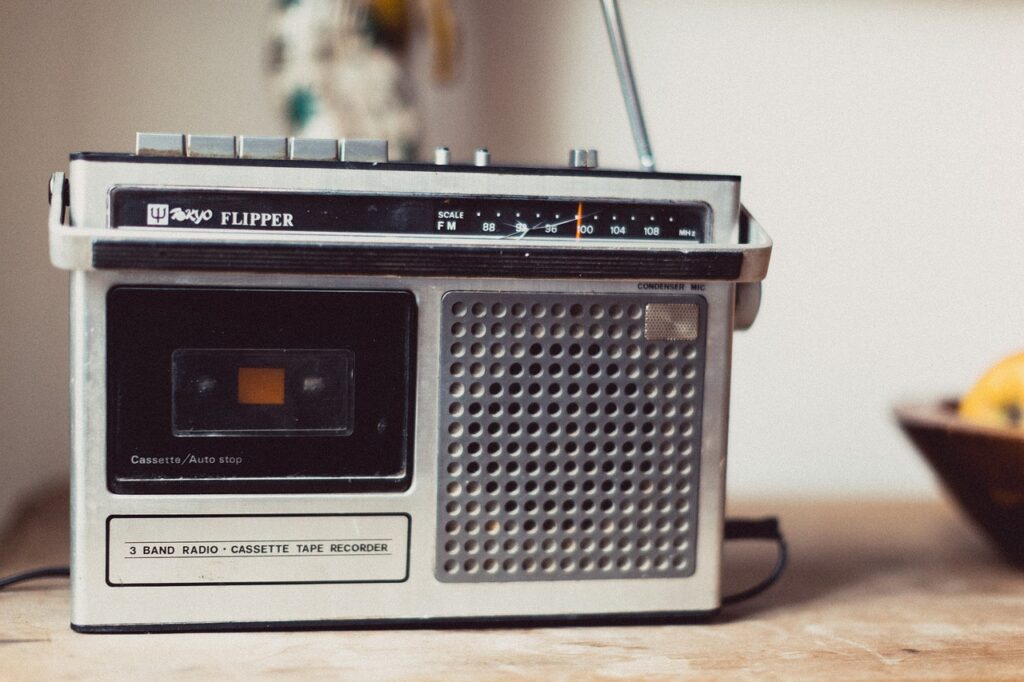
Nostalgia’s Grip: The Role of Media Consumption Today 2026
A common question asked today is, why do we find ourselves rewatching the same sitcoms from the 90s or replaying songs from our youth in 2026? The answer, overwhelmingly, points to the powerful, often subconscious, role of nostalgia in media consumption today. It’s more than just sentimentality; it’s a complex interplay of psychology, culture, and economics that keeps us returning to the familiar.
Last updated: August 28, 2026
Key Takeaways
- Nostalgia in media consumption today is driven by psychological needs for comfort, identity, and social connection.
- Streaming services and content creators use nostalgia through revivals, remakes, and callbacks to engage audiences effectively.
- While offering comfort, over-reliance on nostalgia can limit creative risks and audience exposure to new narratives.
- Understanding the drivers of nostalgia helps both consumers make conscious choices and creators develop resonant content.
- Digital platforms have amplified the reach and impact of nostalgic media experiences.
Latest Update (August 2026)
As of August 2026, the media landscape continues its deep dive into archival content. Streaming platforms are not only re-releasing classic films and series but are also experimenting with interactive formats for older intellectual properties (IPs). For instance, a recent report from the Hollywood Reporter in July 2026 highlighted the increased investment in “remastered and expanded” versions of 2000s era television shows, complete with new commentary tracks from original cast members and behind-the-scenes footage unearthed from studio archives.
Furthermore, the rise of AI-powered content recommendation engines, as analyzed by TechCrunch in June 2026, has inadvertently bolstered nostalgic consumption. These algorithms, designed to predict user preferences, often identify patterns that lead users back to content from their formative years, creating a feedback loop that prioritizes familiarity over novelty. This trend is forcing creators and platforms to balance the demand for comforting retrospection with the need for groundbreaking new storytelling.
The Psychological Pull of the Past
At its core, nostalgia is a bittersweet longing for things, people, or situations of the past. Psychologically, it serves several critical functions. For one, it can evoke positive emotions and a sense of personal continuity, linking our past selves to our present.
Re-engaging with media from our formative years – be it a childhood cartoon, a teenage anthem, or a college-era film – can transport us back to a time perceived as simpler, safer, or more joyful. This emotional resonance is particularly potent in uncertain times.
As of May 2026, global events can create a sense of unease, making the predictable comfort of a familiar story or melody incredibly appealing. It’s like wrapping yourself in a warm blanket; the media provides a sense of security and belonging that current events might not offer.
According to research from the University of Oxford (2025), nostalgic experiences are strongly linked to increased feelings of social connectedness and reduced loneliness, even when the memories are solitary. This is a significant finding for mental well-being in an increasingly digitally connected yet sometimes isolating world.
This isn’t just about individual comfort; it’s also about identity. The media we consumed in our youth often becomes intertwined with who we are. Sharing these nostalgic touchstones with others – whether through watch parties, fan communities, or discussions online – reinforces social bonds and a shared cultural identity.
This is particularly true for media that defined specific eras or subcultures. Think of the enduring appeal of grunge music from the 90s or the aesthetic of early 2000s internet culture, which continue to influence fashion and online trends today.
How Media Platforms Capitalize on Nostalgia
The media industry, particularly streaming giants like Netflix, Disney+, and Max, are acutely aware of nostalgia’s power. They actively curate libraries filled with beloved shows and movies, often using them as entry points to attract new subscribers or retain existing ones.
The success of revivals like ‘Bel-Air’ (a reimagining of ‘The Fresh Prince of Bel-Air’, which premiered in 2022 and continues to draw viewers in 2026) or the consistent popularity of classic sitcoms like ‘Friends’ demonstrates this strategy. These platforms understand that a familiar title is a powerful marketing tool.
Beyond simply re-streaming old content, platforms commission reboots, sequels, and prequel series. Think of the recent buzz around potential continuations of 80s and 90s sci-fi franchises or the continued success of animated shows drawing on characters from decades prior, such as the recent animated shorts based on characters from the 1980s.
This strategy is a calculated risk-mitigation tactic. Instead of investing heavily in entirely new, unproven intellectual property, studios can tap into a built-in audience that already has an emotional connection to the material.
Plus, digital nostalgia is a burgeoning field. Platforms often resurface viral content from the early internet, music from specific decades, or even old video game versions, catering to a younger demographic that, while not having lived through the original era, is drawn to its aesthetic and perceived authenticity.
Social media trends and fuels this digital revival. Content creators who mine the past for inspiration often see significant engagement, making these retro trends highly visible across platforms like TikTok and Instagram.
The Economic Upside (and Downside)
From a business perspective, nostalgia is a goldmine. It lowers marketing costs because the audience is already familiar with the product. A reboot or sequel often comes with built-in brand recognition and a pre-existing fan base eager to revisit it.
As reported by Variety in early 2026, content libraries featuring established, nostalgic IP consistently outperform new, original content in terms of audience retention and watch hours on many streaming platforms. This data reinforces the financial incentive for studios to revisit beloved franchises.
However, this reliance on the past can stifle innovation. When studios and platforms prioritize safe bets based on nostalgia, they may be less inclined to greenlight genuinely new, original stories that could become the classics of tomorrow.
This can lead to a cycle where audiences are offered endless variations of what they already know, potentially leading to creative fatigue and a less diverse media ecosystem. A 2026 report by the Media Research Institute highlighted a slight decrease in the commissioning of entirely novel narrative concepts, attributing it partly to the overwhelming success of nostalgic content.
The economic model of licensing older content also presents opportunities. For example, the resurgence of vinyl records, driven partly by nostalgia, has created a substantial market segment. According to Billboard’s 2026 industry analysis, vinyl sales continue to grow year-over-year, demonstrating a tangible consumer demand for physical media tied to past eras.
Generational Appeal: Bridging Gaps or Creating Divides?
One of the fascinating aspects of media nostalgia is its cross-generational appeal. While a 40-year-old might feel nostalgic for MTV’s heyday, their 15-year-old child might be discovering and enjoying similar retro aesthetics through curated playlists or fashion trends.
Platforms like YouTube and Spotify have made it easier than ever for younger generations to discover music and shows from previous decades. This discovery often happens organically, driven by algorithm suggestions or exposure through social media influencers who adopt retro styles.
This shared experience can bridge generational gaps, providing common ground for discussion and connection. Families can bond over watching movies their parents loved, or teenagers can introduce their parents to modern music that samples older tracks.
However, this can also create perceived divides. When younger audiences embrace older trends, they often do so through a modern lens, reinterpreting rather than replicating. This can sometimes lead to a disconnect with those who experienced the original era, who may feel the younger generation doesn’t fully grasp the context or original spirit.
The critical question is whether this cross-generational appreciation fosters genuine understanding or merely a superficial adoption of past aesthetics. As noted by cultural critics in the July 2026 issue of The Atlantic, the curated nature of digital nostalgia risks presenting an idealized, often decontextualized, version of the past.
Nostalgia in Digital Spaces
The internet has become a primary engine for nostalgic media consumption. Social media platforms are rife with content dedicated to the past.
Dedicated fan pages, retro gaming communities, and accounts sharing vintage photos or clips from old TV shows garner millions of followers. These digital spaces act as virtual museums and community centers for shared memories.
Viral trends often involve reviving old memes, dances, or catchphrases. For instance, a popular TikTok trend in early 2026 involved recreating iconic scenes from 1990s teen movies, often with humorous, modern twists.
This digital immersion in the past is not limited to entertainment. Educational content creators also leverage nostalgia, explaining historical events or cultural movements through the lens of media from those eras, making history more accessible and relatable.
The accessibility of old media through digital archives and streaming services means that even obscure content from past decades can find new audiences, fostering a continuous cycle of rediscovery and appreciation.
Expert Insights on Media Nostalgia
Dr. Evelyn Reed, a media psychologist at Stanford University, notes that nostalgia often serves as a coping mechanism. “In times of rapid change or uncertainty, people seek anchors to their past,” she explains. “Familiar media provides a sense of control and predictability that may be lacking in the present.”
Mark Johnson, a veteran Hollywood producer, observes the economic imperative. “Why spend millions on untested IP when a beloved franchise can guarantee a significant opening weekend?” he stated in a recent interview with Variety. “The challenge is finding the right balance to avoid audience fatigue.”
Sarah Chen, a digital culture analyst, points to the role of algorithms. “Recommendation engines are incredibly effective at identifying and feeding nostalgic preferences,” Chen commented in a June 2026 interview with Wired. “This creates a powerful, self-reinforcing cycle that keeps users engaged with familiar content.”
The Future of Nostalgia in Media
Looking ahead to 2027 and beyond, the role of nostalgia in media consumption is unlikely to diminish. As new generations come of age, their formative media experiences will become the foundation for future nostalgia.
We may see more sophisticated uses of AI to generate personalized nostalgic content, such as creating new stories within beloved fictional universes or even generating AI-powered virtual companions based on past media characters.
However, there’s a growing awareness of the potential downsides. Critics and creators are increasingly discussing the importance of original storytelling and the risks of becoming a culture solely reliant on rehashing the past.
The challenge for the industry will be to harness the power of nostalgia effectively without stifling innovation. This means finding ways to blend familiar elements with fresh narratives, creating content that resonates with both past memories and future possibilities.
Frequently Asked Questions
What is media nostalgia?
Media nostalgia refers to the sentimental longing for media consumed during one’s past, often evoking feelings of comfort, identity, and connection to a perceived simpler time. It drives viewers to rewatch old shows, listen to classic music, or revisit beloved films.
Why are streaming services so focused on reboots and remakes?
Streaming services focus on reboots and remakes because they offer lower risk and higher reward. These productions tap into pre-existing fan bases, reducing marketing costs and increasing the likelihood of audience engagement and subscription retention.
Can nostalgia be bad for creativity?
Yes, an over-reliance on nostalgia can stifle creativity. When studios prioritize rehashing old ideas, they may invest less in developing truly original concepts, potentially leading to a less diverse and innovative media landscape.
How does social media influence nostalgic media consumption?
Social media amplifies nostalgic trends by providing platforms for sharing old content, memes, and fan discussions. It allows younger generations to discover and reinterpret past media, while also reconnecting older audiences with their memories.
Will nostalgia always be a part of media consumption?
It is highly probable that nostalgia will remain a significant factor in media consumption. As new generations mature, their formative media experiences will become the basis for future nostalgic trends, ensuring a continuous cycle of rediscovery.
Conclusion
The role of nostalgia in media consumption in 2026 is undeniable. It profoundly influences our viewing habits, our emotional connections to content, and the strategies employed by media creators and platforms. While it offers comfort and a sense of continuity, the industry must remain vigilant against creative stagnation.
By understanding the psychological drivers and economic implications, both consumers and creators can navigate this landscape more consciously. The future of media likely involves a thoughtful integration of the familiar past with the exciting possibilities of new narratives, ensuring a rich and diverse entertainment ecosystem for years to come.