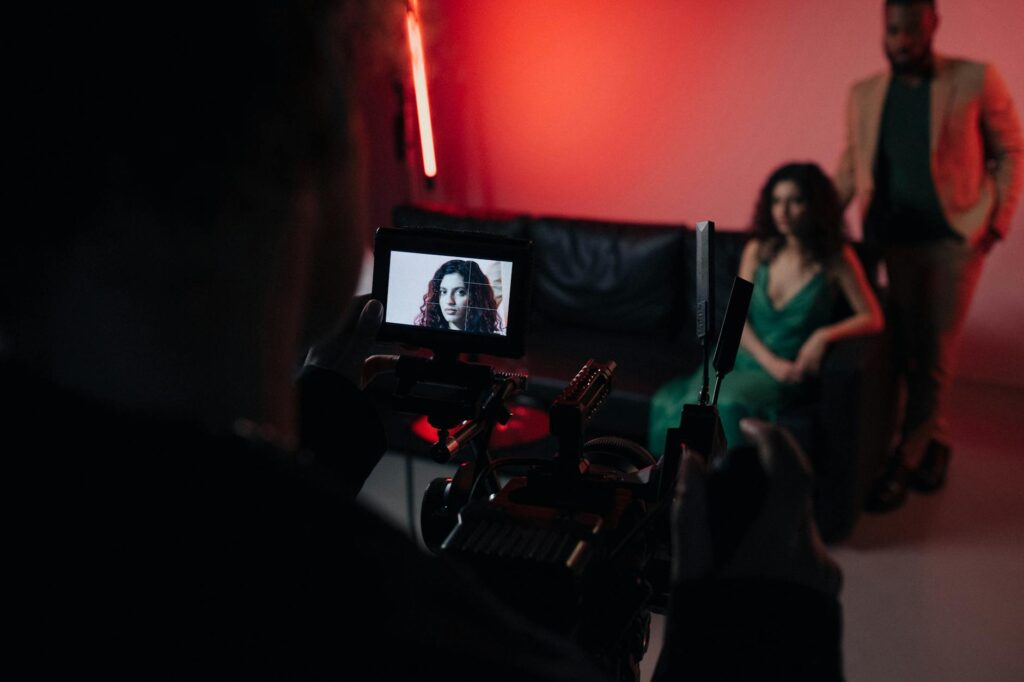
This guide covers everything about How to Build a Standout Acting Portfolio and Reel in 2026. A common question asked is: how do you build a standout acting portfolio and real that actually gets noticed in 2026? It’s not just about having them; it’s about making them work for you. In today’s hyper-competitive acting landscape, your portfolio and reel are your primary calling cards, speaking volumes before you even step into an audition room.
Last updated: May 8, 2026
Key Takeaways
- Your acting portfolio and reel are vital professional tools in 2026.
- Curate content meticulously; quality over quantity is paramount.
- Tailor your materials to the specific roles you’re seeking.
- Invest in professional presentation for headshots and reel editing.
- Keep your materials updated and easily accessible online.
Beyond the Headshot: Crafting Your Acting Portfolio
For years, a strong headshot was the actor’s main visual currency. While still important, as of May 2026, your acting portfolio is a much broader, dynamic representation of your capabilities. Think of it as your professional autobiography, showcasing your range, personality, and specific skills. It’s not just a collection of photos; it’s a curated experience designed to tell a story about who you are as an artist.
Practically speaking, an online portfolio is often the first place a casting director or agent will look. Websites like IMDb Pro, dedicated portfolio sites (e.g., Actors Access, Casting Networks), or even a personal website are common platforms. What makes one stand out? It’s the strategic selection of content. Include high-quality, professional headshots that reflect your current look and the types of roles you play. Don’t use a photo from five years ago!
But it’s more than just headshots. Consider including:
- Body shots: Showcasing your build and physique relevant to character types.
- Performance clips: Short, impactful snippets from previous work (more on reels later!).
- Special skills: Languages spoken, musical instruments played, athletic abilities, accents, stage combat, etc. Be specific and honest.
- Resume: A clear, up-to-date list of your acting credits, training, and education.
A common mistake is stuffing your portfolio with everything you’ve ever done. From a different angle, a focused portfolio is more effective. If you’re a character actor aiming for comedic roles, highlight clips and photos that showcase that. Trying to be everything to everyone dilutes your brand. As of 2026, casting directors are looking for specificity and clarity.
The Art of the Acting Reel: Showcase, Don’t Just Show
Your acting reel, or show reel, is your chance to show what you can do. It’s a short, dynamic compilation of your best on-screen performances. The goal isn’t to show every scene you’ve ever been in, but to create a compelling narrative of your acting talent. What this means in practice: select clips that demonstrate your range, emotional depth, and ability to deliver lines naturally.
As of May 2026, the ideal reel length is typically between 1.5 to 3 minutes. Anything longer risks losing a viewer’s attention. Each clip should be high-quality, well-lit, and clearly feature you. Avoid noisy backgrounds or poor audio. If you’re just starting out and don’t have professional credits, don’t despair. You can create scenes specifically for your reel.
Consider these options:
- Self-taped scenes: Write and perform short, compelling scenes (1-2 minutes each) that highlight your strengths.
- Student films or indie projects: Even low-budget productions can yield great reel material.
- Scene partners: Collaborate with other actors and filmmakers to create specific content.
A key insight here is that the reel should showcase you performing. Avoid scenes where you have minimal dialogue or where the camera focuses elsewhere. You want to be the star of your own show reel. According to industry professionals, the order of scenes also matters. Start strong with your best material, and end on a high note.
Selecting the Right Scenes for Your Reel
This is where many actors stumble. Simply cutting together random scenes won’t cut it. You need to be strategic. Think about the roles you are most likely to be cast in. Are you a dramatic actor, a comedic performer, or a romantic lead? Your scene selection should reflect this. For instance, a 1-minute reel for a comedic actor might feature two different comedic bits that showcase timing and wit.
A common pitfall is including too much material or scenes that are too long. A 45-second clip of a key dramatic moment is far more effective than a 3-minute scene where you have five lines scattered throughout. What this means in practice: be ruthless with your editing. Every second counts.
From a different angle, ensure your reel showcases your ability to connect with other actors. A scene with strong chemistry and dialogue delivery is more engaging than a monologue, unless that monologue is exceptionally powerful and perfectly suited to your brand.
Honest drawbacks: Creating new scenes for a reel requires time, effort, and potentially collaboration with filmmakers. If you don’t have existing professional footage, this is a significant investment.
The Importance of Professional Presentation in 2026
In 2026, the acting industry continues to demand a high level of professionalism in all materials. This extends to your headshots, your reel editing, and your online presence. Blurry photos, poorly edited clips, or a disorganized portfolio scream amateur. Casting directors and agents have limited time, and sloppy presentation can lead to an immediate pass.
Investing in professional headshots is non-negotiable. These should be recent, well-lit, and capture your essence. They are not just pictures; they are branding tools. Similarly, professional editing for your reel can elevate raw footage into something truly captivating. Editors can smooth transitions, adjust audio levels, and ensure your best moments shine. According to industry surveys, actors with professionally edited reels are perceived as more serious about their craft.
What this means in practice: if your budget is tight, prioritize headshots and reel editing first. You can often find affordable options for self-taping equipment or collaborate with student filmmakers for scene work before investing in high-end editing. The goal is clarity and impact, not necessarily Hollywood blockbuster production values from day one.
Tailoring Your Materials for Specific Roles
This is a crucial strategy that many actors overlook. Your general portfolio and reel are great for broad applications, but for specific auditions, tailoring is key. If you’re auditioning for a gritty crime drama, you might want to highlight clips that showcase your intensity and dramatic range. For a lighthearted romantic comedy, you’d pull scenes demonstrating your comedic timing and charm.
Practically speaking, this might mean having a few different versions of your reel, or at least knowing which specific clips to pull from your main reel for a tailored submission. Similarly, your portfolio might emphasize certain skills or headshots that align with the character breakdown. This shows the casting team that you understand the role and are a good fit.
A common question is how to do this without overwhelming yourself. The answer lies in having a well-organized digital library of all your footage and photos. Tagging your clips by genre, role type, and performance style will make it easy to assemble tailored packages quickly. According to casting director feedback, tailored submissions are more likely to get a second look.
Common Mistakes to Avoid When Building Your Portfolio and Reel
Let’s talk about what NOT to do. Many aspiring actors make predictable errors that can hinder their progress. One of the biggest mistakes is using outdated headshots. If your photo doesn’t look like you right now, it’s misleading and wastes everyone’s time.
Another frequent error is including too much footage or scenes that don’t showcase your acting ability. This includes scenes with poor audio, shaky camera work, or where you’re not the focus. Also, don’t showcase skills you don’t actually possess. Honesty is paramount in this industry.
From a different angle, failing to keep your materials updated is a major oversight. As you gain new experience and develop as an actor, your portfolio and reel should evolve with you. What this means in practice: schedule a review of your materials at least twice a year, or whenever you have significant new work to add.
using Your Portfolio and Reel Online in 2026
The digital space is where most casting happens in 2026. Your online presence is your storefront. Ensure your portfolio and reel are easily accessible. This means having links readily available on your resume, email signature, and social media profiles. Websites like Actors Access and Casting Networks are industry standards for submissions, so maintain active profiles there.
Consider creating a personal actor website. How to Build a Standout Acting Portfolio and Reel in 2026 gives you more control over your branding and presentation. It’s a place to consolidate all your professional information. According to web design trends for creatives, a clean, user-friendly interface is key. Visitors should be able to find what they need quickly.
Honest drawbacks: Maintaining an up-to-date online presence requires ongoing effort. You need to consistently update your profiles, re-upload new footage, and ensure all links are working. This takes time away from acting classes or audition preparation.
The Actor’s Checklist for Portfolio & Reel Success
To wrap up, let’s distill this into actionable steps:
- Assess your brand: What kind of actor are you? What roles do you play best?
- Gather assets: Collect all your headshots, performance clips, and resume details.
- Select headshots: Choose recent, professional photos that represent your current look and target roles.
- Curate your reel: Pick 2–3 minutes of your absolute best, most impactful performance clips.
- Create new material if needed: Write and film scenes specifically for your reel if you lack professional footage.
- Organize digitally: Store all your assets in a well-labeled digital folder.
- Choose your platform: Use industry-standard sites (Actors Access, etc.) and consider a personal website.
- Tailor for auditions: Prepare specific clips or highlight certain skills for each unique opportunity.
- Update regularly: Review and refresh your materials at least twice a year.
Following these steps will help you build a standout acting portfolio and reel that effectively showcases your talent and professionalism to casting directors and agents in 2026 and beyond.
Last reviewed: May 2026. Information current as of publication; pricing and product details may change.
Frequently Asked Questions
What is How to Build a Standout Acting Portfolio and Reel in 2026?
How to Build a Standout Acting Portfolio and Reel in 2026 is a topic that many people search for. This article provides a thorough overview based on current information and expert analysis available in 2026.
Why does How to Build a Standout Acting Portfolio and Reel in 2026 matter?
Understanding How to Build a Standout Acting Portfolio and Reel in 2026 helps you make better decisions. Whether you’re a beginner or have some experience, staying informed on this topic is genuinely useful.
Where can I learn more about How to Build a Standout Acting Portfolio and Reel in 2026?
We recommend checking authoritative sources and official websites for the most current information. This article is regularly updated to reflect new developments.
Editorial Note: This article was researched and written by the Afro Literary Magazine editorial team. We fact-check our content and update it regularly. For questions or corrections, contact us. For readers asking “How to Build a Standout Acting Portfolio and Reel in 2026”, the answer comes down to the specific factors covered above.