The Enduring Force: Activism’s Role in Criminal Justice Cases
This guide covers everything about The Role of Activism in Criminal Justice Cases. Most people see criminal justice as a closed system, handled by courts and lawyers. But what if the public’s voice, amplified by activism, could fundamentally shift its direction? As of May 2026, the influence of activism on criminal justice cases is more pronounced and essential than ever, acting as a critical check and balance.
Last updated: May 6, 2026
Key Takeaways
- Activism raises public awareness and mobilizes support for legal reform.
- Advocates can influence policy, legislation, and even individual case outcomes.
- Grassroots movements and organized groups provide crucial support to defendants and their families.
- Social media and digital organizing are powerful new tools for justice activists in 2026.
- While powerful, activism faces challenges like backlash, burnout, and systemic resistance.
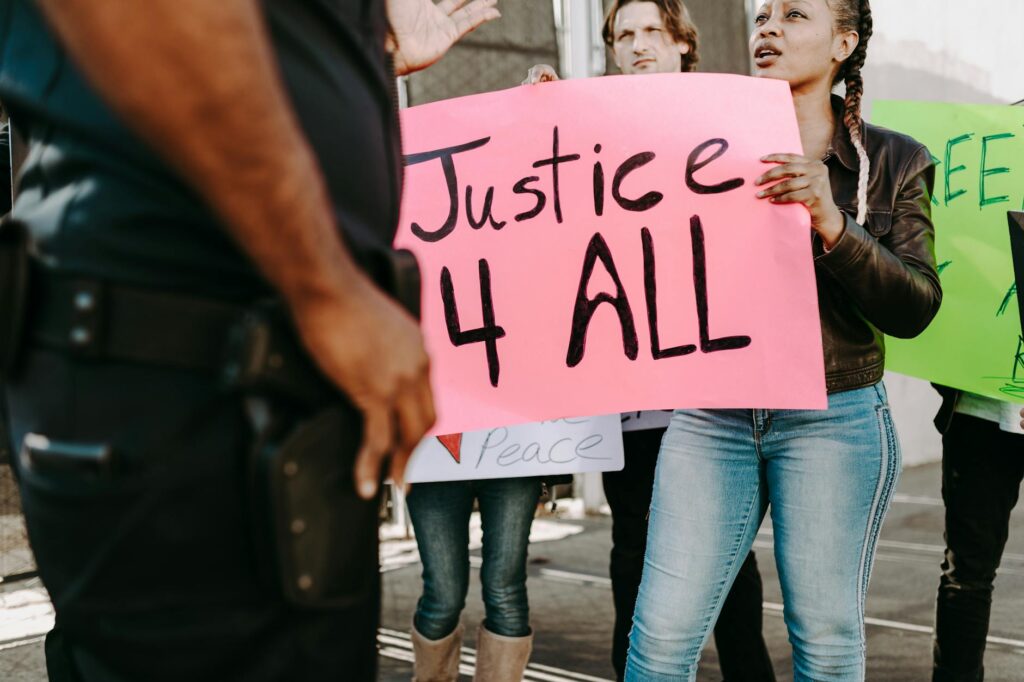
Activism isn’t just about protests; it’s a dynamic force that shapes narratives, pressures institutions, and offers tangible support within the complex world of criminal justice. From shedding light on wrongful convictions to advocating for sentencing reform, activists play a vital role in striving for a more equitable system.
Shaping the Narrative: Raising Public Awareness
One of the most powerful roles activism plays is in shaping public perception and awareness. Often, cases that might otherwise go unnoticed gain national attention through dedicated advocacy. This increased visibility can pressure prosecutors, judges, and lawmakers to scrutinize evidence, consider alternatives, and uphold principles of fairness.
Consider the case of the “Central Park Five” (now known as the Exonerated Five). Decades of dedicated activism, coupled with new evidence, finally led to their exoneration and a re-evaluation of the justice system’s handling of their case. Without sustained advocacy highlighting systemic flaws and racial bias, their story might have remained one of enduring injustice.
Influencing Policy and Legislation
Beyond individual cases, activism is a driving force behind systemic criminal justice reform. Organized groups and movements advocate for changes in laws, sentencing guidelines, policing practices, and correctional policies. As of 2026, we see ongoing efforts to address issues like mandatory minimums, drug policy, and police accountability.
For instance, advocacy for “ban the box” initiatives, which aim to remove questions about criminal history from initial job applications, has gained significant traction. This movement, fueled by activists and organizations like the National Employment Law Project, seeks to reduce barriers to re-entry for formerly incarcerated individuals. According to the Sentencing Project, as of 2026, over 37 states and numerous cities have implemented some form of “ban the box” legislation, a direct result of sustained advocacy.
Direct Support for Defendants and Families
The criminal justice process can be overwhelming and isolating for defendants and their families. Activists and advocacy groups often step in to provide crucial support, ranging from legal aid referrals and bail assistance to emotional and financial help. This support network can be a lifeline, ensuring individuals have a better chance of navigating the system effectively.
Organizations like the Innocence Project, a leading force in exonerating the wrongly convicted, provide not only legal advocacy but also resources for those seeking to clear their names. They often connect individuals with pro bono lawyers and offer guidance through the complex appeals process, embodying a direct, hands-on role in individual cases.
The Power of Grassroots Organizing and Community Mobilization
Grassroots activism, driven by communities directly affected by the criminal justice system, is incredibly potent. Local organizing can bring immediate attention to specific injustices within a jurisdiction and build collective power to demand change. This often starts with local chapters of national organizations or entirely independent community groups.
Think about community-led efforts to monitor police activity or to establish restorative justice programs. These initiatives, born from local needs and driven by residents, can foster dialogue, build trust, and offer alternatives to traditional punitive measures. What this means in practice is that community members become active participants in shaping their local justice landscape.
Activism in the Digital Age: Social Media and Online Campaigns
As of May 2026, digital activism has become an indispensable tool in criminal justice advocacy. Social media platforms allow for rapid dissemination of information, mobilization of supporters, and direct engagement with the public and policymakers. Hashtags can amplify messages, petitions can gather millions of signatures, and online fundraisers can support legal defense funds.
The #BlackLivesMatter movement, for example, leveraged social media extensively to raise global awareness about police brutality and racial injustice. This digital footprint not only brought widespread attention but also spurred policy discussions and protests across the country and around the world. The speed and reach of online campaigns are unprecedented, allowing for swift responses to developing cases.
Pros and Cons of Activism in Criminal Justice
Pros
- Increased public awareness and pressure for reform.
- Provides crucial support for defendants and families.
- Drives policy and legislative changes.
- Empowers affected communities.
- Can offer alternative solutions to incarceration.
Cons
- Risk of burnout and emotional toll on activists.
- Potential for backlash and counter-movements.
- Systemic resistance can make change slow and difficult.
- Challenges in sustaining long-term engagement and funding.
- Risk of individual cases being politicized, overshadowing factual merits.
Challenges and Criticisms: Navigating Resistance
While activism is vital, it’s not without its challenges. Activists often face significant resistance from established institutions, public skepticism, and even outright hostility. Burnout is a major concern, as the emotional and mental toll of fighting for justice can be immense.
And, the effectiveness of certain tactics can be debated. Some critics argue that confrontational protest methods can alienate potential allies or distract from legal arguments. A common mistake is assuming that activism alone will solve every problem; it must often work in tandem with legal strategy and policy expertise. Practically speaking, successful advocacy requires a nuanced understanding of both the legal system and the political climate.
Real-World Impact: Case Studies and Successes
The impact of activism is best illustrated through concrete examples. The fight for clemency for Julius Jones in Oklahoma, heavily supported by activists and media attention, highlighted concerns about racial bias in capital cases. While his execution was narrowly avoided, the sustained advocacy brought national attention to the complexities of the justice system.
Another significant area is the advocacy surrounding wrongful convictions. Organizations like the National Registry of Exonerations, which tracks such cases, often collaborate with defense attorneys and activists to bring new evidence to light. According to their 2026 data, over 2,900 exonerations have occurred in the U.S. since 1989, with activism playing a role in many of these landmark reversals.
How Activism Works in Practice: A Strategic Approach
Effective activism in criminal justice cases often involves a multi-pronged strategy. This can include:
- Research and Documentation: Thoroughly investigating case facts, gathering evidence, and identifying systemic issues.
- Public Awareness Campaigns: Using media, social media, and public events to inform the public and build support.
- Lobbying and Policy Advocacy: Engaging with lawmakers to push for legislative reforms and policy changes.
- Legal Support: Collaborating with legal teams, filing amicus briefs, and advocating for fair legal processes.
- Community Organizing: Mobilizing affected communities and building coalitions for collective action.
- Direct Action: Organizing peaceful protests, vigils, and demonstrations to draw attention and exert pressure.
What this means in practice is that a single case might involve a coalition of lawyers, journalists, community organizers, and ordinary citizens all working towards a common goal. The combination between these different roles is what amplifies the impact.
Common Mistakes to Avoid in Criminal Justice Activism
Activists can sometimes fall into common traps. One mistake is focusing solely on high-profile cases, potentially neglecting less publicized but equally important issues. Another is failing to collaborate with legal professionals, which can lead to advocacy that’s misaligned with legal strategy.
A further pitfall is the “all or nothing” approach; incremental change is still progress. Recognizing that systemic reform is a long game, rather than a quick fix, is crucial for sustained effort. It’s also important to avoid making absolute claims without verifiable evidence, as this can undermine credibility.
Expert Insights and Best Practices for 2026
As of May 2026, several best practices are emerging for effective criminal justice activism. Firstly, building diverse coalitions that include formerly incarcerated individuals, legal experts, academics, and community leaders is key. Secondly, using data and research to support arguments lends significant weight.
Thirdly, understanding and utilizing digital platforms strategically is paramount for reaching wider audiences. Finally, prioritizing self-care and sustainable engagement is essential to avoid activist burnout. A practical insight for organizers: always consider the long-term implications of your advocacy and how it fits into the broader movement for justice.
Frequently Asked Questions
What is the primary goal of activism in criminal justice?
The primary goal is to promote fairness, equity, and accountability within the criminal justice system. This includes advocating for policy reform, challenging systemic injustices, and supporting individuals affected by legal proceedings.
Can activism truly change court decisions?
Yes, activism can influence court decisions indirectly by raising public awareness, creating pressure for review, highlighting overlooked evidence, and advocating for specific legal interpretations or sentencing alternatives.
What are the main challenges for criminal justice activists?
Challenges include systemic resistance from established legal and political structures, potential for backlash, the emotional toll leading to burnout, and the difficulty of securing sustained funding and public engagement.
How do social media campaigns help criminal justice cases?
Social media can rapidly disseminate information, mobilize public support, organize protests, gather donations for legal defense, and put pressure on authorities to re-examine cases or policies.
What is the role of advocacy groups like the ACLU?
Organizations like the ACLU (American Civil Liberties Union) play a significant role by litigating key cases, lobbying for legislative changes, and educating the public on civil rights and liberties within the criminal justice context.
Can an individual make a difference through activism?
Absolutely. Individual actions, whether through volunteering, donating, contacting representatives, or raising awareness within their own networks, contribute to the collective power of activism and can make a tangible difference.
The role of activism in criminal justice cases is complex and indispensable. By raising awareness, influencing policy, providing support, and mobilizing communities, activists work tirelessly to create a more just and equitable system. As of May 2026, their efforts continue to be a vital force for change, reminding us that justice requires not only legal processes but also engaged citizenship.
Last reviewed: May 2026. Information current as of publication; pricing and product details may change.
Editorial Note: This article was researched and written by the Afro Literary Magazine editorial team. We fact-check our content and update it regularly. For questions or corrections, contact us. Knowing how to address The Role of Activism in Criminal Justice Cases early makes the rest of your plan easier to keep on track.