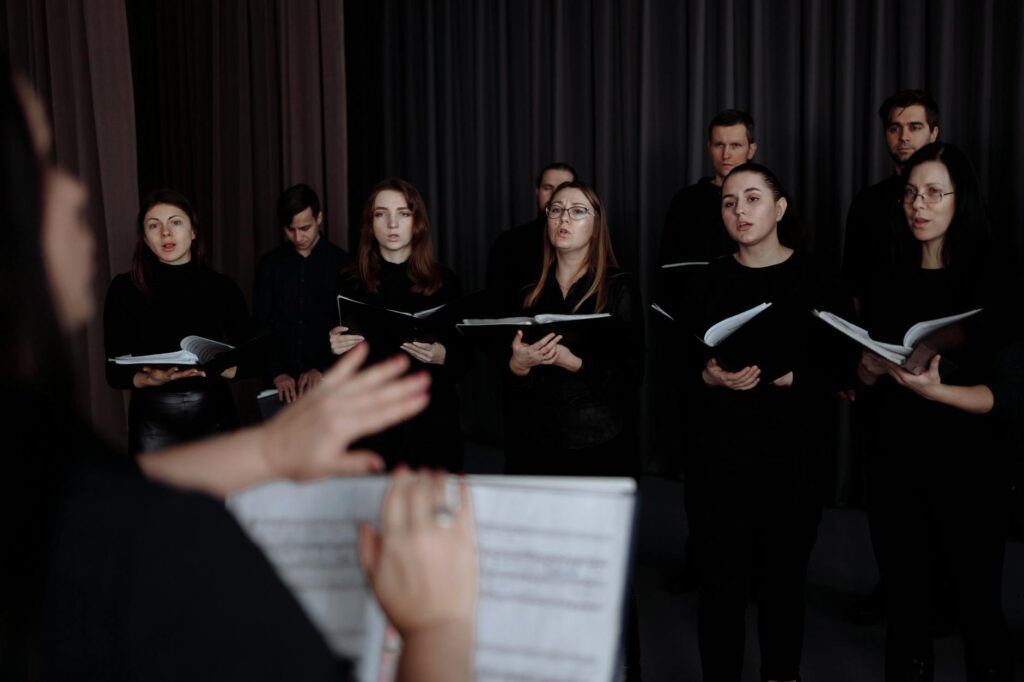
The Enduring Magic of Voices United
This guide covers everything about The Evolution of Vocal Harmonies in Popular Music. The rich mix of popular music owes much of its emotional depth and sonic allure to the art of vocal harmonies. From the earliest folk ballads to the intricate arrangements of modern Ramp;B, the way voices blend and interweave has been a constant source of fascination and innovation. As of May 2026, exploring this evolution reveals not just musical trends but also shifts in cultural expression and technological possibility.
Last updated: May 6, 2026
Key Takeaways
- Vocal harmonies have evolved from ancient call-and-response to complex, layered studio productions.
- Early influences include folk traditions, gospel music, and barbershop quartets.
- The 20th century saw major leaps with doo-wop, The Beach Boys, and The Beatles pushing harmonic boundaries.
- Technology has dramatically expanded possibilities for vocal layering and manipulation.
- Modern artists continue to innovate, blending traditional harmony with electronic textures and diverse global influences.
From Ancient Echoes to Early Melodies
The roots of vocal harmony can be traced back to the very beginnings of human communication. Early forms of music likely involved simple unison singing, followed by the natural emergence of call-and-response patterns, where one voice or group would sing a phrase and another would echo or answer it. This fundamental interaction, where voices engage in dialogue, is a primal form of harmony.
Ancient Greek music, while not fully documented in terms of harmonic structure as we understand it today, certainly involved multiple voices. The concept of polyphony—the simultaneous combination of two or more independent melodic lines—began to develop more formally in Western music during the medieval period. Gregorian chants, often sung in unison, started to see embellishments and parallel singing, laying groundwork for more complex arrangements.
The Influence of Sacred and Folk Traditions
Gospel music has been a colossal force in the development of vocal harmonies. The tradition of impassioned, layered singing in churches, with lead singers soaring over a chorus of supporting voices, created a powerful emotional resonance. These harmonies were often rich, complex, and deeply expressive, reflecting both spiritual fervor and communal joy.
Similarly, folk music across various cultures often features harmonic singing, whether in simple two-part voicings or more intricate group singing. The barbershop quartet, a distinctly American genre that emerged in the late 19th century, is a prime example of precise, close-harmony singing. Barbershop emphasizes ringing chords and smooth vocal blends, requiring immense skill and a keen ear for intonation.
The Golden Age of Vocal Groups
The 20th century ushered in an era where vocal harmonies became a defining characteristic of popular music. The rise of doo-wop in the 1950s brought intricate, often a cappella, harmonies to the forefront. Groups like The Platters and The Penguins used close vocal arrangements, bass lines sung by baritones, and falsetto leads to create their signature sound. This genre demonstrated the power of pure vocal texture without instrumental backing.
The 1960s saw the art form reach new heights. The Beach Boys, under Brian Wilson’s innovative direction, pushed the boundaries of studio production and harmonic complexity. Their intricate, layered vocal arrangements, influenced by both doo-wop and classical composers like Bach, created lush sonic textures that were revolutionary for their time. Albums like ‘Pet Sounds’ are masterclasses in vocal stacking and harmonic invention. The Beatles, too, were masters of harmony, with John Lennon, Paul McCartney, and George Harrison’s voices often weaving together in perfect, memorable thirds and fifths, adding immense melodic richness to their songs.
Technological Advancements and Studio Magic
The advent of multi-track recording technology was a major shift for vocal harmonies. Suddenly, producers and artists could record multiple vocal takes and layer them precisely, creating dense, chorus-like effects that were impossible with live performance alone. This allowed for the creation of massive vocal walls of sound, as heard in the work of artists like Queen.
As technology advanced through the 80s and 90s, with the widespread adoption of digital audio workstations (DAWs), the ability to manipulate and enhance vocals became even more sophisticated. Auto-Tune and pitch correction software, while often used to fix errors, also opened doors to new sonic possibilities, allowing for perfectly tuned harmonies or even intentionally altered vocal timbres. Vocal doubling, vocoders, and sophisticated reverb and delay effects became standard tools for shaping vocal arrangements.
According to a 2026 report by Audio Engineering Society (AES), the global market for music production software has seen a steady increase, with advanced vocal processing tools being a key driver. This technological integration allows for harmonies that are not just sung but meticulously crafted in the studio, often blending multiple takes and effects.
Harmonies in the Digital Age: 2026 and Beyond
In the current musical world of 2026, vocal harmonies continue to be a vital element, albeit one that’s constantly being reinterpreted. Contemporary Ramp;B artists often employ sophisticated vocal stacking, using dozens of tracks to create a rich, ethereal sound. Artists like H.E.R. and Daniel Caesar demonstrate a keen understanding of how to use harmony to evoke emotion and create immersive sonic experiences.
Pop music still relies heavily on memorable vocal hooks, often built around simple yet effective harmonies. The influence of K-Pop is undeniable, with groups like BTS and BLACKPINK showcasing highly polished vocal arrangements that blend complex harmonies with rap verses and intricate production. These groups often use tight, synchronized harmonies that are as much a part of their visual performance as their choreography.
Even in genres that traditionally focused less on harmony, like certain subgenres of electronic dance music (EDM) or hip-hop, vocal samples and layered vocal textures are frequently used to add melodic interest and emotional weight. The accessibility of powerful production tools means that artists from all backgrounds can experiment with vocal arrangements, leading to a diverse and ever-expanding harmonic palette.
Practical Tips for Exploring Vocal Harmonies
Whether you’re a budding musician, a songwriter, or just a music enthusiast, understanding vocal harmonies can deepen your appreciation and perhaps inspire your own creations. Here are a few practical ways to engage with this art form:
- Listen Actively: Pay close attention to the backing vocals in your favorite songs. Try to identify how many distinct vocal lines there are, where they sit in relation to the lead melody, and what emotional effect they create.
- Learn Basic Theory: Understanding intervals (like thirds, fifths, and octaves) and basic chord structures can help you recognize harmonic patterns. Resources from organizations like the Berklee College of Music often offer accessible introductions to music theory.
- Experiment with Software: If you have access to a DAW, try recording multiple vocal takes of yourself singing a simple melody. Experiment with panning, pitch correction, and effects to create your own harmonies.
- Attend Live Performances: Observe how groups perform harmonies live. Notice the visual cues, the blend of voices, and the challenges of achieving tight harmony in a live setting.
Common Pitfalls in Vocal Arrangement
Creating effective vocal harmonies isn’t always straightforward. Aspiring arrangers often stumble over a few common hurdles. One frequent mistake is overcrowding the sonic space; too many competing vocal lines can muddy the mix rather than enhance it. It’s often better to have fewer, well-placed harmony parts than a dense, indistinct vocal texture.
Another pitfall is ignoring the lead vocal. Harmonies should support and elevate the lead, not overpower it or distract from the main melodic or lyrical message. This means carefully considering the range, rhythm, and emphasis of each harmony line to ensure it complements, rather than competes with, the lead. For instance, a harmony sung in the same octave and rhythm as the lead can often feel dissonant or cluttered.
Expert Insights on Harmonic Innovation
From a different angle, what drives harmonic innovation? It’s often a blend of tradition and technology. Artists who deeply study historical vocal arrangements, like the intricate voicings of The Mills Brothers or the spectral harmonies of contemporary composers, then find ways to integrate these with new digital tools, tend to break new ground. For example, exploring how artists like Bon Iver have used layered, processed vocals to create unique textures demonstrates this fusion. Their work, highly acclaimed in music production circles, shows how technology can augment, rather than replace, fundamental harmonic principles.
What this means in practice is that the future of vocal harmonies likely lies in a thoughtful integration of human performance and digital artistry. The ability to create vast, complex vocal soundscapes in a home studio means more artists can experiment, pushing the art form in unexpected directions. The challenge will be to maintain emotional authenticity amidst the technological possibilities.
Frequently Asked Questions
What is the earliest known form of vocal harmony?
The earliest forms of vocal harmony likely emerged from natural human tendencies towards call-and-response and parallel singing in unison or octaves, observed in ancient musical traditions worldwide.
How did gospel music influence popular vocal harmonies?
Gospel music introduced rich, layered vocal arrangements, call-and-response dynamics, and powerful lead vocals supported by enthusiastic choirs, profoundly influencing soul, Ramp;B, and rock music.
What role did technology play in evolving vocal harmonies?
Multi-track recording, digital processing, pitch correction, and vocoders allowed for the creation of complex, dense vocal textures and soundscapes previously impossible to achieve with live performance alone.
Are vocal harmonies still important in today’s music?
Absolutely. Modern pop, Ramp;B, and even hip-hop heavily use sophisticated vocal layering and harmonies to add emotional depth, texture, and melodic richness to tracks.
What’s the difference between close and open harmony?
Close harmony involves vocal parts sung very near each other, often within a few notes, creating a tight, blended sound, while open harmony features vocal parts spread further apart, creating a more spacious, resonant effect.
Who were some pioneers of vocal harmonies in pop music?
Pioneers include groups like The Mills Brothers, The Beach Boys, The Beatles, and producers like Brian Wilson, who experimented extensively with vocal arrangement and studio techniques.
Last reviewed: May 2026. Information current as of publication; pricing and product details may change.
Editorial Note: This article was researched and written by the Afro Literary Magazine editorial team. We fact-check our content and update it regularly. For questions or corrections, contact us. Knowing how to address The Evolution of Vocal Harmonies in Popular Music early makes the rest of your plan easier to keep on track.