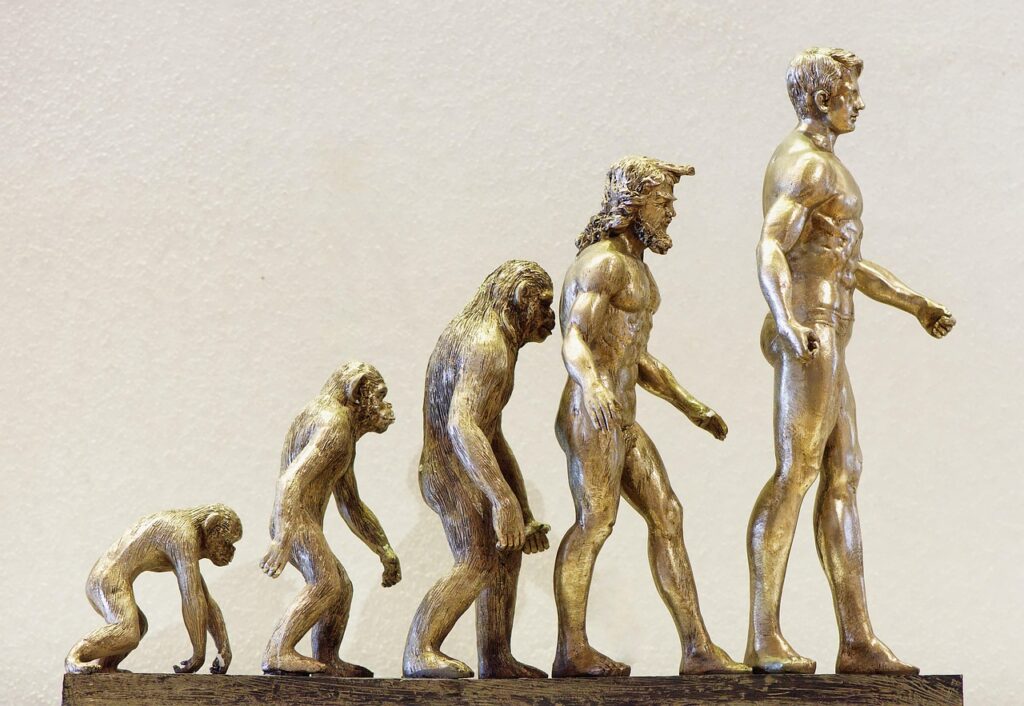
The Evolution of the Teen Protagonist: 80s Optimism to 2026 Nuance
The shifting soul of youth, from 80s dreams to 2026 realities, reflects profound changes in our understanding of adolescence and storytelling. Remember the vibrant high schools of the 1980s? Think John Hughes classics like ‘The Breakfast Club’ or ‘Sixteen Candles.’ The teen protagonists then often navigated relatable, albeit heightened, adolescent dramas with an underlying current of optimism. Fast forward to 2026, and the landscape has shifted dramatically. Shows like ‘Euphoria’ or movies exploring contemporary youth grapple with deeper cynicism, existential dread, and a sharper awareness of societal flaws. The evolution of the teen protagonist isn’t just about changing fashion or slang; it mirrors deeper shifts in how we perceive youth, societal pressures, and narrative construction.
Last updated: September 4, 2026
Latest Update (September 2026)
As of September 2026, contemporary teen narratives continue to push boundaries, reflecting an increasingly complex world. A growing trend observed by media analysts is the integration of hyper-realistic, often gritty, portrayals of mental health struggles, influenced by platforms like TikTok and Instagram. This reflects a societal demand for authenticity, pushing creators to explore themes of anxiety, depression, and identity formation with unprecedented frankness. Furthermore, the rise of global connectivity means teen protagonists are increasingly exposed to and influenced by diverse cultural perspectives, leading to more nuanced explorations of identity beyond traditional Western frameworks. This global perspective is becoming a hallmark of 2026’s most compelling youth-centric stories.
Recent studies from organizations like the Geena Davis Institute on Gender in Media (as of 2026) highlight a continued push for more diverse representation among teen protagonists. This includes not only racial and ethnic diversity but also a broader spectrum of gender identities, sexual orientations, and neurodiversity. The demand for authentic storytelling means audiences expect to see a wider range of lived experiences reflected on screen, moving beyond tokenism towards genuinely inclusive narratives. This evolving demand shapes how writers and directors approach character development for young audiences.
Key Takeaways
- 80s teen protagonists often embodied optimism, aspirational goals, and clear moral compasses.
- 2000s and 2010s teen characters frequently displayed cynicism, moral ambiguity, and a starker view of reality.
- This evolution mirrors societal changes, technological advancements, and shifts in media’s role, continuing into 2026.
- Modern teen narratives explore complex identity formation and mental health more explicitly.
- Understanding these shifts helps us appreciate the diverse ways youth experiences are portrayed in 2026.
The 80s: A Decade of Optimism and Aspiration
A certain cultural optimism characterized the 1980s, often reflected in its teen narratives. Protagonists like Ferris Bueller, Molly Ringwald’s Samantha Baker, or Ralph Macchio’s Daniel LaRusso typically faced challenges that, while significant to them, were ultimately surmountable.
Their struggles often revolved around social acceptance, first love, or overcoming a specific obstacle like a bully or a competition. The underlying message was often one of hope: with enough effort, friendship, or a bit of luck, things would work out.
These characters, while sometimes angsty, rarely fell into deep cynicism. Their world, though imperfect, still held the promise of a bright future. A great example is the journey of Jake Ryan in ‘Sixteen Candles.’ While he navigates teenage awkwardness and romantic desires, the film’s resolution is squarely rooted in wish fulfillment and a happy ending.
Even the more rebellious characters often found their place. This era’s teen protagonists were often aspirational figures, embodying the dreams of a generation facing economic growth and a relatively stable global outlook. Their narratives reinforced a belief in upward mobility and the possibility of achieving one’s goals.
Entering the 2000s: The Rise of Cynicism and Realism
As the millennium turned, the cultural mood began to shift. The dot-com bubble burst, geopolitical events escalated, and the internet began to weave its complex web into daily life. This societal backdrop heavily influenced the teen protagonists emerging in film and television.
Characters became more introspective, often questioning authority and the systems around them. The clear-cut good versus evil narratives of the 80s gave way to moral ambiguity and a more nuanced portrayal of struggles.
Consider the characters in ‘The O.C.’ (2003-2007). Seth Cohen, Ryan Atwood, Summer Roberts, and Marissa Cooper were undeniably stylish and privileged, yet their lives were fraught with emotional turmoil, family dysfunction, and a pervasive sense of dissatisfaction. They often dealt with themes of alienation, the emptiness of materialism, and the difficulty of finding genuine connection in an increasingly disconnected world.
This was a far cry from the relatively straightforward quests for acceptance seen in earlier decades. According to Pew Research Center (as of 2026), while teens report positive feelings, they also express significant worry about societal issues like climate change and gun violence, a sentiment reflected in media.
The Impact of Technology and Social Media
The explosion of the internet and social media in the 2000s and 2010s fundamentally altered the adolescent experience, and this was reflected in teen protagonists. Suddenly, characters weren’t just dealing with school hallways; they were navigating online personas, cyberbullying, and the constant pressure of curated digital lives.
This added layers of complexity and, often, anxiety to their narratives. Shows like ‘Skins’ (UK, 2007-2013) or ‘Euphoria’ (2019-Present) dive headfirst into the darker aspects of modern adolescence, often driven by or exacerbated by technology.
Their protagonists are rarely the wide-eyed optimists of the 80s. Instead, they grapple with addiction, mental health crises, sexual identity, and the erosion of privacy, all amplified by their digital environment. The fast-paced, often overwhelming nature of online interaction contributes to a sense of urgency and sometimes despair that defines many contemporary young characters.
The constant connectivity has also given rise to narratives exploring the performative nature of adolescence online. Characters in 2026 media often grapple with maintaining authentic selves amidst the curated perfection seen on social platforms. This tension between the real and the digital self is a central theme in many current youth-focused productions, as highlighted by media studies from institutions like the University of Southern California (as of 2026).
Shifting Archetypes: From Rebels to Anti-Heroes
The archetypes of teen protagonists have also transformed. The rebellious teen of the 80s, like Allison Reynolds in ‘The Breakfast Club,’ was often an outcast who, despite her rough exterior, yearned for acceptance. By the 2000s, the ‘anti-hero’ trope became more prevalent.
These characters might be flawed, selfish, or even morally compromised, yet audiences were often invited to empathize with their struggles. Think of characters like Dexter Morgan (though not strictly a teen, his influence on anti-hero narratives is notable) or the complex figures in shows like ‘Weeds.’
In 2026, the anti-hero archetype continues to evolve. Modern narratives often feature protagonists who are not inherently good or bad but operate in shades of gray, reflecting a more complex understanding of human nature. These characters may make questionable choices but are driven by relatable motivations, challenging viewers’ perceptions of heroism.
This shift moves beyond simple rebellion to explore deeper existential questions and the consequences of individual actions within intricate social systems. The protagonists of 2026 are less about defying authority and more about navigating personal ethics in a world where clear moral lines are often blurred.
Exploring Identity Formation and Mental Health
Contemporary teen dramas, particularly those emerging in the late 2010s and continuing into 2026, place a significant emphasis on identity formation and mental health. This marks a departure from earlier decades where these themes were often secondary or implied.
Protagonists now openly discuss their struggles with anxiety, depression, body image, and sexual identity. Shows like ‘Sex Education’ (2019-Present) tackle these issues with a blend of humor and sensitivity, normalizing conversations that were once taboo. This direct approach reflects a societal evolution in acknowledging and addressing adolescent mental well-being.
The influence of online communities and support networks also plays a role. Teen protagonists in 2026 media might find solace or guidance through digital spaces, mirroring real-world trends where young people connect with peers facing similar challenges. This digital dimension adds another layer to their identity exploration.
Furthermore, narratives are increasingly exploring the intersectionality of identity. A protagonist’s journey might involve navigating their race, gender, sexuality, and socioeconomic background simultaneously, creating a richer, more complex tapestry of self-discovery. This multi-faceted approach aligns with contemporary understandings of identity as fluid and intersectional.
The Nuance of Modern Teen Narratives
Today’s teen narratives, as seen in 2026, are characterized by their complexity and refusal to offer easy answers. The optimistic resolutions of the 80s are largely absent, replaced by stories that acknowledge the ongoing nature of challenges and the messy reality of growing up.
Characters grapple with systemic issues like economic inequality, climate change, and social injustice. Their personal struggles are often intertwined with these larger societal problems, making their journeys feel more grounded and urgent. This reflects a generation that is acutely aware of the world’s complexities.
The portrayal of relationships has also evolved. While first love and friendships remain central, modern narratives explore the nuances of consent, healthy boundaries, and the impact of digital communication on intimacy. These are conversations that were less prevalent in earlier teen media.
Moreover, the concept of ‘finding yourself’ is less about fitting into a pre-defined mold and more about embracing individuality and self-acceptance, even amidst uncertainty. This philosophical shift underscores the maturation of teen storytelling, moving towards more authentic and less prescriptive portrayals of adolescence.
Common Pitfalls When Portraying Teen Protagonists
Despite the advancements in portraying teen protagonists, several pitfalls persist. One common mistake is the creation of ‘adults pretending to be teens,’ where dialogue and behavior feel inauthentic, relying on outdated stereotypes rather than genuine observation.
Another pitfall is the oversimplification of complex issues. While directness is valued, reducing mental health struggles or societal problems to simplistic plot devices can be detrimental. Audiences, especially young ones, are sophisticated and can detect superficial treatment.
Failing to represent diversity authentically is also a recurring problem. Tokenism or poorly researched cultural portrayals can alienate audiences and undermine the narrative’s credibility. True representation requires deep understanding and nuanced character development.
Finally, relying too heavily on tropes without subverting them can lead to predictable and uninspired storytelling. Audiences in 2026 expect fresh perspectives and characters who defy easy categorization. Authentic LGBTQ+ Characters for Young Audiences in 2026 A compelling protagonist feels like a real person, not a collection of clichés.
Tips for Crafting Compelling Modern Teen Protagonists
To create authentic and engaging teen protagonists for 2026 audiences, writers should prioritize research and empathy. Understanding the current social, technological, and emotional landscape teenagers inhabit is paramount. This involves more than just observing; it requires immersing oneself in contemporary youth culture.
Develop characters with clear motivations, even if those motivations are complex or flawed. Give them agency – their choices should drive the narrative, not just external plot mechanics. Allow them to make mistakes and learn from them, showcasing growth over time.
Embrace nuance and avoid easy answers. Teenagers today face intricate challenges, and their stories should reflect this complexity. Show, don’t just tell, their internal struggles and external conflicts. This means exploring their vulnerabilities as much as their strengths.
Ensure representation is integral to the character, not an add-on. If a character belongs to a marginalized group, explore how that identity shapes their experience authentically. Consult with individuals from diverse backgrounds to ensure accuracy and respect. Ultimately, the most compelling teen protagonists are those who feel real, relatable, and true to the multifaceted experience of adolescence in 2026.
Frequently Asked Questions
How has the portrayal of teen rebellion changed from the 80s to 2026?
In the 80s, rebellion often meant defying parental rules or societal norms for social acceptance. By 2026, teen rebellion is more likely to manifest as questioning systemic injustices, challenging online narratives, or seeking authentic self-expression against pressures of conformity, often with a focus on social and political issues.
Are teen protagonists in 2026 more optimistic or pessimistic?
Generally, 2026 teen protagonists lean towards realism with underlying resilience rather than pure optimism or pessimism. While they confront significant societal challenges and personal struggles, their narratives often highlight their capacity for hope, activism, and finding meaning amidst adversity.
How does social media influence modern teen protagonists?
Social media profoundly impacts 2026 teen protagonists by shaping their identity, relationships, and conflicts. It introduces themes of online validation, cyberbullying, curated personas, and the pressure to maintain a digital presence, often exacerbating existing anxieties and influencing their real-world interactions.
Why are mental health themes so prominent in current teen narratives?
Increased societal awareness and a de-stigmatization of mental health issues have led to their prominent portrayal. Today’s teen protagonists reflect the real experiences of young people who are more open about their mental well-being, seeking relatable stories that acknowledge these struggles.
What makes an 80s teen protagonist different from a 2026 teen protagonist?
80s protagonists typically faced more contained, personal challenges with optimistic resolutions. In contrast, 2026 protagonists contend with complex global issues, digital realities, and nuanced identity questions, often with less definitive or more bittersweet outcomes, reflecting a more complex world.
Conclusion
The evolution of the teen protagonist from the optimistic dreamers of the 1980s to the nuanced, often complex figures of 2026 mirrors our changing world and our understanding of youth. These characters serve as vital reflections of their times, grappling with issues that resonate with adolescent experiences across generations.
While the challenges and settings have transformed dramatically, the core of compelling storytelling remains: creating characters who are relatable, authentic, and provoke thought. The journey from 80s aspiration to 2026’s intricate realities highlights the enduring power of narrative to explore the universal quest for identity, belonging, and meaning in an ever-evolving world.