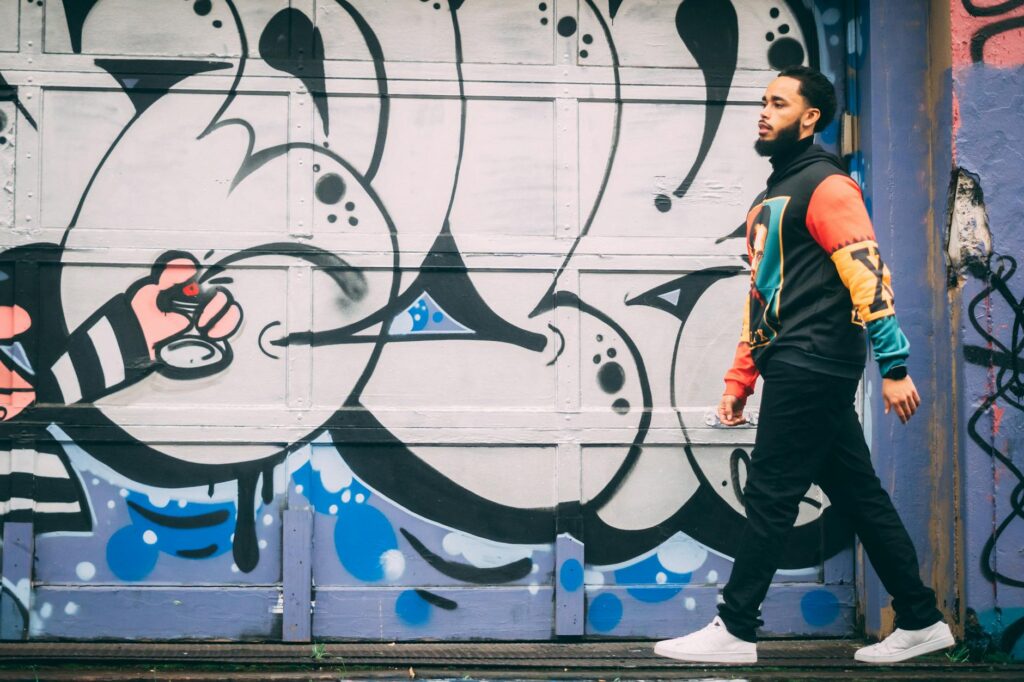
This guide covers everything about The Evolution of Hip-Hop: From 90s Golden Age to Global Phenomenon. A common question asked is, how did a genre born from New York block parties in the 1970s explode into a global cultural force by the 2020s? The evolution of hip-hop from its 90s Golden Age to its status as a global phenomenon in 2026 is a testament to its adaptability, lyrical prowess, and undeniable rhythmic appeal.
Last updated: May 6, 2026
Key Takeaways
- The 90s Golden Age laid foundational elements of lyricism, sampling, and diverse storytelling in hip-hop.
- Hip-hop’s global expansion was fueled by technological advancements and its inherent message of empowerment.
- As of 2026, hip-hop is a dominant force across music, fashion, and culture worldwide, with diverse regional scenes.
- Future trends point towards further fusion with global sounds and continued digital innovation.
The Foundation: Birth of the Golden Age
The 1990s are widely celebrated as hip-hop’s Golden Age. This era wasn’t just about catchy beats; it was a period of immense creativity, lyrical sophistication, and thematic diversity. Artists pushed boundaries, exploring social commentary, personal narratives, and intricate wordplay like never before.
Think of pioneers like Nas, whose debut album Illmatic (1994) is a masterclass in vivid storytelling and complex rhyme schemes. Or Wu-Tang Clan, whose gritty, cinematic narratives and unique sonic palette defined a generation. This period solidified hip-hop as a legitimate art from, capable of deep introspection and sharp social critique.
What this means in practice: the 90s set a high bar for artistry, influencing generations of MCs and producers who continue to draw inspiration from its groundbreaking innovations. It proved that hip-hop could be both commercially successful and artistically profound.
Crossing Borders: Hip-Hop Goes International
The seeds of hip-hop’s global reach were sown in the 90s, but the true explosion happened in the decades that followed. Technology played a massive role. The internet, digital sampling, and eventually streaming platforms made music instantly accessible worldwide. This allowed artists from different continents to hear, adapt, and contribute to the evolving sound.
From France’s IAM to Japan’s Rhymester, artists began blending hip-hop’s core elements with their local languages, musical traditions, and cultural contexts. This wasn’t mere imitation; it was innovation, creating unique regional flavors of hip-hop that resonated with local audiences.
Practically speaking, this decentralization of influence meant hip-hop was no longer solely an American export. It became a global vernacular, a way for young people everywhere to express their realities and aspirations.
The Digital Revolution and Hip-Hop’s Dominance
The advent of the digital age fundamentally reshaped how hip-hop was created, distributed, and consumed. The early 2000s saw the rise of MP3s and peer-to-peer file sharing, democratizing access. By the 2010s, streaming services like Spotify and Apple Music became the primary way fans engaged with music.
As of May 2026, streaming platforms are critical hubs for hip-hop discovery and consumption. They enable artists to bypass traditional gatekeepers and connect directly with a global audience. Data from industry reports indicates hip-hop consistently ranks among the top streamed genres worldwide, underscoring its commercial power.
What this means in practice: artists can now build substantial careers without necessarily signing to major labels, fostering greater independence and diverse creative output. This digital ecosystem has also accelerated the pace of trends, with subgenres like trap music achieving massive global popularity.
Hip-Hop’s Cultural Footprint in 2026
As of 2026, hip-hop’s influence extends far beyond music charts. It’s a dominant force in fashion, with streetwear brands and artist collaborations setting global trends. Hip-hop culture has permeated visual arts, film, and even political discourse, providing a soundtrack and a language for social movements.
Consider the impact of artists like Kendrick Lamar, whose complex narratives and socially conscious lyrics have garnered critical acclaim and influenced discussions on race and justice. His work exemplifies hip-hop’s continued capacity for profound cultural commentary.
From a different angle, hip-hop’s visual aesthetic, from album art to music videos, has also become globally recognized and emulated, shaping design sensibilities across various industries.
Regional Flavors: A World of Hip-Hop
Its incredible regional diversity characterizs the global phenomenon of hip-hop. While American hip-hop remains influential, distinct scenes have flourished worldwide, each with its unique lyrical styles, musical influences, and cultural nuances.
In South Korea, K-hip-hop artists like BTS (though more broadly K-pop) and Jay Park have achieved massive international success, blending Korean sensibilities with global hip-hop trends. In Nigeria, Afro beats artists often incorporate hip-hop flows and themes, creating a vibrant fusion that dominates African music markets.
Practically speaking, this global adoption means hip-hop is no longer a monolithic entity. It’s a dynamic, evolving art form that reflects the diverse experiences and voices of people across the planet.
Bridging the Gap: Hip-Hop as a Universal Language
One of hip-hop’s most remarkable achievements is its ability to transcend language barriers and cultural differences. The core elements—rhythm, rhyme, and compelling storytelling—are universally understood and appreciated.
Even when lyrics are in a local language, the emotion, energy, and narrative often connect with listeners globally. This universality allows hip-hop to serve as a powerful tool for empowerment, self-expression, and social change for youth everywhere.
What this means in practice: hip-hop provides a common ground for cultural exchange, fostering understanding and connection between diverse communities. It allows marginalized voices to be heard and celebrated on a global stage.
Pros and Cons of Global Hip-Hop Expansion
- Pros:
- Increased artistic innovation through cultural fusion.
- Greater accessibility and reach for artists worldwide.
- Diverse representation of global youth experiences.
- Economic opportunities in new music markets.
- Strengthening of cultural identity through artistic expression.
- Cons:
- Potential for cultural appropriation and misrepresentation.
- Risk of commercialization diluting artistic integrity.
- Dominance of certain Western trends over local sounds.
- Challenges in navigating complex global music industry structures.
- Maintaining authenticity amidst widespread popularity.
Navigating the Future of Hip-Hop
Looking ahead from 2026, the evolution of hip-hop shows no signs of slowing down. Artificial intelligence is beginning to play a role in music production, raising new questions and possibilities for creativity. Virtual reality and the metaverse offer new platforms for artists to connect with fans and perform.
We’re also seeing continued cross-pollination with other genres and global music styles. From hyperpop fusions to further integration with electronic music and traditional instrumentation from around the world, the sonic landscape is constantly expanding. The focus on lyricism and storytelling, honed during the Golden Age, will likely remain a cornerstone, adapted for new eras.
Practically speaking, the future of hip-hop will likely be defined by its ability to embrace new technologies while staying true to its roots of authentic expression and cultural relevance.
Common Pitfalls in Understanding Hip-Hop’s Evolution
One common mistake is viewing hip-hop’s evolution as a linear progression, assuming later equals better. The 90s Golden Age remains foundational, but today’s artists innovate in ways that are equally significant, just different. Another pitfall is overlooking the impact of regional scenes, assuming American hip-hop is the only story.
The reality is a complex web of influences and innovations. For instance, many overlook the crucial role of sampling technology in the 90s or the impact of early internet forums in connecting fans globally before streaming. Correcting this involves appreciating the diverse contributions from every era and region.
Expert Insights: The Enduring Power of Hip-Hop
What this means in practice: hip-hop’s enduring power lies in its adaptability and its connection to authentic human experience. As of May 2026, its ability to evolve with technology, absorb global influences, and continue to offer powerful narratives ensures its relevance for years to come. The spirit of innovation that defined the 90s Golden Age is alive and well in artists pushing boundaries today.
According to the IFPI (International Federation of the Phonographic Industry), hip-hop and Ramp;B collectively represent a significant portion of global music consumption, highlighting its sustained market dominance. As of 2026, this trend shows no signs of abating, with new artists constantly emerging and shaping the genre.
Frequently Asked Questions
What made the 90s hip-hop’s Golden Age?
Unparalleled artistic innovation characterized the 90s Golden Age of hip-hop, lyrical complexity, diverse storytelling, and a fusion of diverse musical influences. Artists like Nas, Wu-Tang Clan, and A Tribe Called Quest set new standards for creativity and substance.
How did hip-hop become a global phenomenon?
Hip-hop’s global reach was propelled by technological advancements like the internet and streaming, which democratized access. Its messages of empowerment and relatable themes also resonated with diverse youth cultures worldwide, fostering local scenes and adaptations.
What are some key differences between 90s hip-hop and modern hip-hop?
90s hip-hop often emphasized lyrical storytelling and boom-bap beats, while modern hip-hop, as of 2026, features more diverse production styles, including trap and drill, with varied lyrical approaches and a stronger global sonic influence.
How has hip-hop influenced fashion globally?
Hip-hop has profoundly influenced global fashion by popularizing streetwear, athletic wear, and specific brands. Artist endorsements, music video aesthetics, and cultural movements driven by hip-hop continue to shape mainstream fashion trends worldwide.
What is the future outlook for hip-hop music?
The future of hip-hop looks dynamic, with AI in music production, VR performances, and further genre fusions. Continued emphasis on authentic storytelling and cultural relevance, adapted for new technologies, will likely drive its evolution.
Are there significant regional hip-hop scenes outside the US?
Absolutely. Major regional scenes exist worldwide, including K-hip-hop in South Korea, Afro beats-infused hip-hop in Nigeria, and thriving scenes in France, the UK, Japan, and many other countries, each with unique sounds and lyrical styles.
Last reviewed: May 2026. Information current as of publication; pricing and product details may change.
Editorial Note: This article was researched and written by the Afro Literary Magazine editorial team. We fact-check our content and update it regularly. For questions or corrections, contact us. Knowing how to address The Evolution of Hip-Hop: From 90s Golden Age to Global Phenomenon early makes the rest of your plan easier to keep on track.