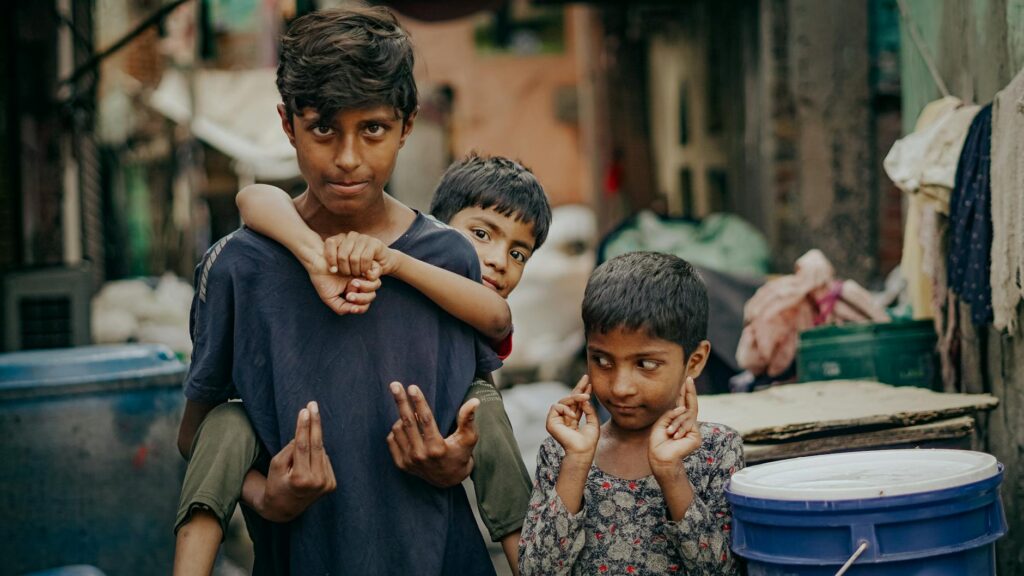
This guide covers everything about Sociological Perspectives on Crime: Poverty, Inequality, and Violence. A common question asked is: why do certain communities grapple with higher crime rates than others? The answer, as sociologists have long argued, is deeply rooted in the fabric of society itself—specifically, in the interplay of poverty, inequality, and violence. As of May 2026, these connections remain a critical focus for understanding criminal behavior not just as individual acts, but as phenomena shaped by broader social forces.
Last updated: May 5, 2026
Key Takeaways
- Sociological perspectives highlight how poverty, inequality, and violence are not isolated issues but interconnected drivers of crime.
- Structural factors like lack of opportunity and systemic discrimination create environments where crime is more likely to occur.
- Understanding these societal roots is crucial for developing effective, long-term crime prevention strategies.
- Addressing crime requires a multi-faceted approach that tackles socioeconomic disparities and promotes social justice.
Poverty and crime share a complex, often cyclical relationship. When individuals and communities lack basic resources, opportunities, and social support, desperation can set in. This isn’t to excuse criminal acts, but to understand the environmental pressures that can contribute to them. High unemployment rates, lack of access to quality education, and inadequate housing are all hallmarks of impoverished areas that can foster conditions ripe for crime.
For instance, consider Aisha, a single mother in a struggling urban neighborhood. Despite her efforts to find stable work, job opportunities are scarce, and childcare costs are prohibitive. The constant stress of making ends meet, coupled with seeing others turn to illicit activities for survival, creates a challenging environment where illegal choices might seem like the only viable path forward. This scenario underscores how economic hardship can be a significant factor in crime rates.
Social Inequality as a Catalyst for Violence
Beyond mere economic poverty, social inequality—the uneven distribution of resources, power, and opportunities based on factors like race, class, or gender—plays a key role. When large segments of the population feel marginalized, disenfranchised, or unfairly treated, it can breed resentment and tension, sometimes erupting into violence. Structural inequalities create a sense of injustice that can be a powerful driver.
Take the case of David, who grew up in a neighborhood with significant racial segregation and limited investment. Despite achieving academic success, he consistently faces subtle discrimination in job applications and housing opportunities compared to his peers from more affluent, less diverse areas. This persistent feeling of being held back due to systemic biases can lead to frustration and, in some cases, a greater propensity for aggressive or violent responses.
Sociological Theories: Explaining the ‘Why’
Sociologists have developed several key theories to explain the observed connections between societal conditions and crime. One prominent perspective is Social Disorganization Theory, which posits that crime rates are higher in neighborhoods where social institutions are weak and social cohesion is lacking. When community ties are frayed, informal social controls that typically deter crime break down.
Another influential framework is Strain Theory, developed by Robert Merton. It suggests that crime occurs when individuals experience a disconnect between culturally defined goals (like financial success) and the legitimate means available to achieve them. In societies with high inequality, many individuals face blocked opportunities, leading to strain and potentially resorting to criminal behavior to achieve societal aspirations.
Conflict Theory offers a different lens, viewing crime as a product of power struggles between different social groups. It argues that laws and the justice system often reflect the interests of the dominant class, and that criminal behavior can be a response to oppression or a means for subordinate groups to challenge the status quo. This perspective is crucial for understanding how social structures themselves can generate crime.
Common Misconceptions and Realities
A frequent mistake is assuming that crime is solely a matter of individual moral failing. While personal responsibility is important, this view overlooks the powerful influence of social context. Ignoring the systemic issues of poverty and inequality means we miss the root causes.
Another common error is viewing crime statistics in isolation. For example, focusing only on arrest rates without considering policing biases or differential enforcement across socioeconomic groups paints an incomplete picture. As of May 2026, disparities in arrests for similar offenses between different demographic groups remain a significant concern, highlighting how social factors influence who gets labeled as criminal.
Practical Strategies for Crime Reduction
Understanding these sociological perspectives isn’t just academic; it informs practical strategies. Instead of solely focusing on punitive measures, effective crime reduction often involves addressing the underlying social and economic issues.
Investing in communities is paramount. This includes creating accessible, high-quality education and job training programs, especially in disadvantaged areas. Providing affordable housing and strong social support networks can also significantly reduce the strain that leads to desperation.
Promoting social justice and equity is another vital component. Policies that aim to reduce income inequality, combat discrimination, and ensure fair treatment within the justice system can help heal societal divisions and decrease the drivers of crime and violence. For instance, restorative justice programs, which focus on repairing harm rather than just punishment, are gaining traction as a more complete approach.
The Role of Social Disorganization in Urban Environments
Urban environments, particularly those characterized by rapid change, diverse populations, and economic disparity, are often sites where social disorganization is pronounced. Breakdown in community ties, high residential mobility, and a lack of shared values can weaken informal social controls. This creates fertile ground for various types of crime, from petty theft to more serious offenses.
Practically speaking, community-led initiatives that foster stronger neighborhood bonds—like neighborhood watch programs, community gardens, and local events—can help rebuild social cohesion. When residents feel connected and responsible for their shared space, informal surveillance increases, and the community becomes more resilient against crime.
Addressing Strain Theory: Creating Opportunities
To counteract the effects of strain theory, societies must work to ensure that legitimate means for achieving success are broadly available. This means not only creating jobs but also ensuring they are well-paying and offer pathways for advancement. Equal access to higher education, vocational training, and entrepreneurship support is also critical.
What this means in practice is that policymakers should look beyond just law enforcement and invest in programs that directly enhance opportunity. Initiatives like expanding Pell Grants for higher education or supporting small business incubators in underserved areas can provide viable alternatives to crime for individuals feeling the strain of blocked aspirations.
Conflict Theory in Action: Challenging Systemic Issues
From a different angle, addressing crime through the lens of conflict theory requires a commitment to challenging oppressive structures. This involves examining how laws, policing practices, and sentencing guidelines might disproportionately affect marginalized groups. Advocates argue for reforms that create a more equitable justice system.
For example, reforms aimed at reducing mandatory minimum sentences, which disproportionately impact certain racial and socioeconomic groups, align with conflict theory’s call to address power imbalances. By striving for greater fairness and equity in legal processes, societies can reduce the ‘conflict’ that fuels some forms of criminal behavior.
Expert Insights and Future Trends
As of May 2026, criminologists and sociologists continue to emphasize a move towards evidence-based, community-centered approaches. The focus is shifting from merely reacting to crime to proactively preventing it by addressing its root causes. This complete view recognizes that true safety and security are built on a foundation of social well-being.
We’re seeing increased interest in the impact of environmental design on crime prevention, often referred to as environmental criminology. This approach considers how the physical layout of communities—lighting, street design, and building placement—can influence crime opportunities. It’s a subtle but important factor that complements broader socioeconomic strategies.
Looking ahead, the integration of data analytics with sociological insights will likely become more sophisticated. Understanding complex crime patterns will benefit from combining traditional sociological research with advanced data modeling, offering even more targeted interventions for specific communities and crime types. However, ethical considerations around data privacy and potential biases in algorithms will remain crucial.
Frequently Asked Questions
What is the main sociological perspective on crime?
The main sociological perspective views crime as a social product, shaped by societal structures, inequalities, and cultural norms, rather than solely an individual moral failing. Theories like strain, social disorganization, and conflict theory explain how social factors contribute to criminal behavior.
How does poverty directly lead to crime?
Poverty creates conditions of deprivation, lack of opportunity, and desperation. When legitimate means to achieve societal goals are unavailable, individuals may resort to criminal activities for survival or to gain status, making poverty a significant contributing factor to crime rates.
Is social inequality the same as poverty?
No, while related, they are distinct. Poverty refers to a lack of basic resources, while social inequality is the uneven distribution of resources, power, and opportunities among different social groups, often leading to systemic disadvantages.
Can violence be explained by sociological factors?
Yes, sociological factors like social inequality, lack of opportunity, community disorganization, and exposure to violence can all contribute to increased rates of violence. These factors create environments where aggression and conflict may be more likely.
What are the practical implications of sociological perspectives on crime?
Practical implications include focusing crime prevention on addressing root causes like poverty and inequality, investing in community development, reforming justice systems for greater equity, and implementing evidence-based programs that enhance opportunities for all citizens.
How do criminologists use sociological theories today?
Criminologists use sociological theories to understand the societal context of crime, inform policy development, and design interventions that tackle systemic issues. They emphasize that effective crime reduction requires addressing social determinants, not just individual behavior.
Sociological perspectives offer a vital framework for understanding crime, poverty, inequality, and violence. By moving beyond individual blame and examining the societal forces at play, we can develop more effective, just, and sustainable solutions. The actionable takeaway for readers is to advocate for and support community-based initiatives and policies that aim to reduce socioeconomic disparities and promote social justice.
Last reviewed: May 2026. Information current as of publication; pricing and product details may change.
Editorial Note: This article was researched and written by the Afro Literary Magazine editorial team. We fact-check our content and update it regularly. For questions or corrections, contact us. Knowing how to address Sociological Perspectives on Crime: Poverty, Inequality, and Violence early makes the rest of your plan easier to keep on track.